This page contains affiliate links. If you purchase through them we may earn a small commission at no extra cost to you. Learn more
Solar vs Insulation: Where to Spend Your Money
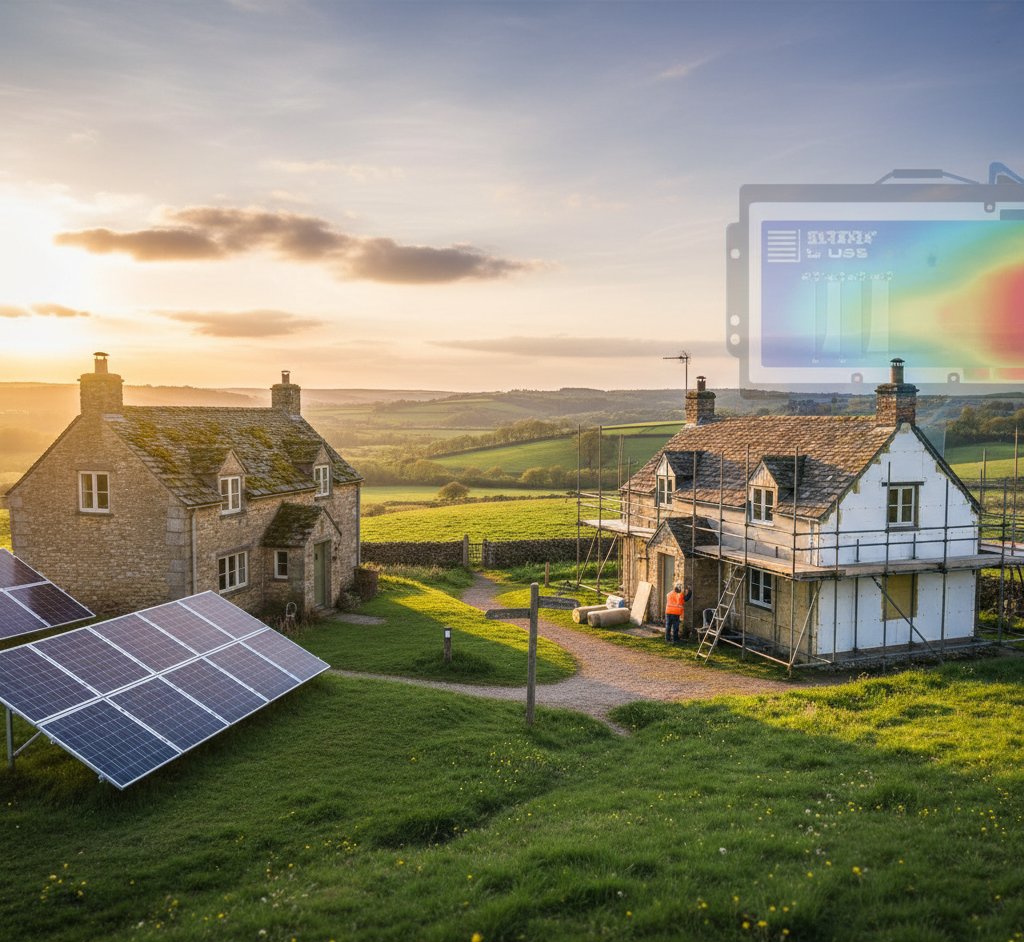
If you've got a limited budget for improving your home's energy efficiency, the question of whether to prioritise insulation or solar panels is genuinely important. The answer is almost always: insulate first. Here's why — and when solar should come first instead.
Cost and Savings Comparison
| Measure | Typical Cost | Annual Saving | Payback | EPC Impact |
|---|---|---|---|---|
| Loft insulation (top-up to 270mm) | £300–£600 | £150–£250 | 2–3 years | +5–10 SAP points |
| Cavity wall insulation | £500–£1,500 | £150–£350 | 2–5 years | +10–15 SAP points |
| Solid wall insulation (internal) | £4,000–£12,000 | £200–£400 | 15–30 years | +10–20 SAP points |
| Solid wall insulation (external) | £8,000–£22,000 | £200–£400 | 25–50+ years | +10–20 SAP points |
| Draught-proofing | £100–£300 | £50–£100 | 1–3 years | +2–5 SAP points |
| Solar PV (4kW) | £6,000–£8,000 | £600–£900 | 7–11 years | +10–15 SAP points |
The figures make the case clearly: basic insulation measures (loft, cavity wall, draught-proofing) offer faster payback and lower cost than solar. They should almost always come first.
The exception is solid wall insulation, which is expensive and has a very long payback. If your home has solid walls, solar may offer better value than external or internal wall insulation.
Why Insulation Should Usually Come First
1. It Reduces the Problem, Not Just the Bill
Insulation reduces how much energy your home needs in the first place. Solar generates energy to offset what you use. It's more effective to need less than to generate more.
2. It Works 24/7, 365 Days
Insulation saves energy day and night, summer and winter. Solar only generates during daylight hours and more in summer than winter — precisely when you need heating least.
3. It Improves Everything Else
A well-insulated home:
- Needs a smaller heat pump (cheaper to buy and run)
- Gets more value from solar because less energy is wasted through the building fabric
- Stays comfortable at lower heating temperatures
- Has a better EPC starting point for solar to improve further
4. Basic Insulation Is Dramatically Cheaper
Loft insulation and cavity wall insulation combined typically cost £1,000–£2,000 and save £300–£600/year. That's a 2–4 year payback — far better than solar's 7–11 years.
When Solar Should Come First
Despite the general rule, there are situations where solar is the better first investment:
Your Home Is Already Well-Insulated
If you have 270mm+ loft insulation, filled cavity walls, double or triple glazing, and decent draught-proofing, there's little insulation left to add. Solar is the logical next step.
You Have High Electricity Bills
If your electricity usage is high (EV, working from home, electric heating), solar directly offsets expensive grid electricity. The savings are on electricity, not heating, so insulation's impact is less relevant.
Only Solid Wall Insulation Remains
If your home has solid walls (pre-1930s, typically) and you've already done loft insulation and draught-proofing, the remaining insulation option is solid wall insulation at £8,000–£22,000 with a 25–50 year payback. Solar at £6,000–£8,000 with a 7–11 year payback is clearly better value.
You're Planning to Sell
Solar panels are a visible improvement that buyers notice and value. Insulation is invisible. If property value improvement is a goal, solar has a stronger impact on perceived value.
The £2,000 Test
If you can spend £1,000–£2,000 on insulation improvements first, do it. The fast payback means you'll save money within 2–3 years that can then go toward solar. Think of insulation as the investment that funds your solar investment.
The Optimal Spending Order

For a typical semi-detached house with a £10,000 budget:
Step 1: Draught-proofing (£150–£300) Seal gaps around doors, windows, letterboxes, and loft hatches. Payback: under 1 year.
Step 2: Loft insulation top-up (£300–£500) Bring existing insulation up to 270mm. Payback: 2–3 years.
Step 3: Cavity wall insulation (£500–£1,500) If you have unfilled cavity walls. Payback: 2–5 years.
Step 4: Solar PV with remaining budget (£6,000–£8,000) Now your reduced heating bills mean your electricity bill is a larger proportion of total energy costs, making solar more impactful.
Total budget: ~£8,000–£10,000 Combined annual saving: £800–£1,400 Overall payback: 6–9 years
Compare this with spending the entire £10,000 on a larger solar system with no insulation improvements — you'd save less overall because you're still losing heat through the building fabric.
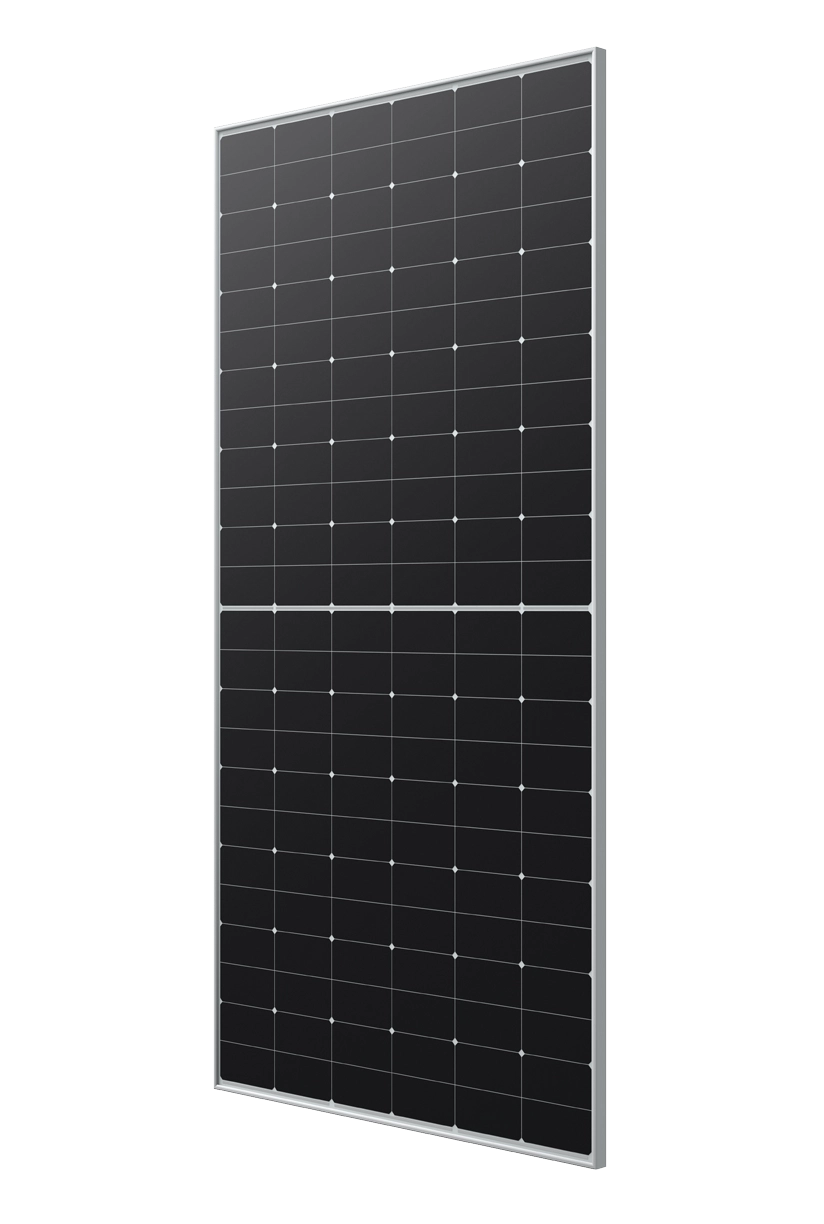
LONGi Hi-MO X6 450W
£85450
23
1722 x 1134 x 30
21.3
Affiliate link — we may earn a small commission at no extra cost to you
What About Grants?
Both insulation and solar have grant options that can change the economics:
For insulation:
- ECO4 scheme: Free insulation for eligible households (means-tested)
- Home Upgrade Grant: For off-gas-grid homes
- Local authority grants: Various schemes across the UK
For solar:
- ECO4: Can include solar in some cases
- Home Upgrade Grant: Can include solar for eligible homes
- No universal solar grant exists in England (Scotland has some schemes)
If you qualify for free insulation through ECO4, take it — then spend your own money on solar. This gives you the best of both worlds.
Don't Skip Insulation for Solar
We regularly hear from homeowners who installed solar panels on a poorly insulated home and are disappointed with their bill savings. The solar system is working fine — but the home is losing so much heat that the electricity bills are still high. Insulation first, solar second, is the right order for most homes.
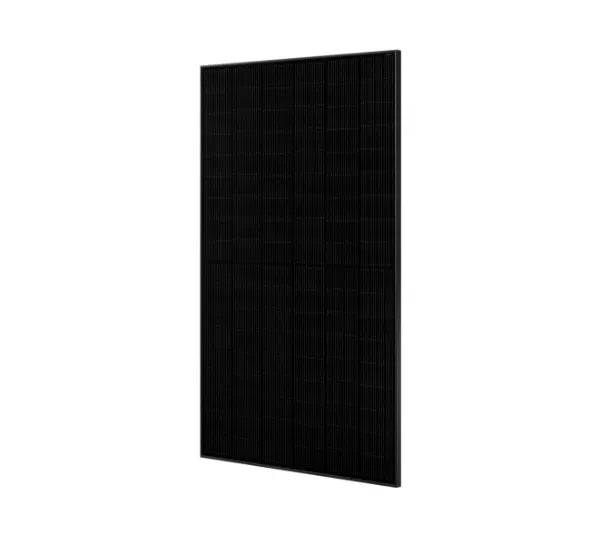
JA Solar JAM54D41 450W N-type TOPCon
£82450
22.8
1722 x 1134 x 30
21.5
Affiliate link — we may earn a small commission at no extra cost to you
The Combined EPC Effect
Both insulation and solar improve your EPC. The combined effect can be dramatic:
| Starting Point | + Insulation Package | + Solar PV (4kW) | Final Rating |
|---|---|---|---|
| Band F (SAP 30) | Band D (SAP 55) | Band C (SAP 70) | C |
| Band E (SAP 45) | Band D (SAP 60) | Band B (SAP 75) | B |
| Band D (SAP 58) | Band C (SAP 70) | Band B (SAP 83) | B |
Getting from F to B is realistic with a combined approach, whereas solar alone might only get you from F to E.
Bottom Line
The rule of thumb is simple:
- Spend the first £1,000–£2,000 on insulation — it's the fastest-paying investment
- Spend the next £6,000–£8,000 on solar — it's the best investment once the basics are done
- The combination outperforms either alone — both in savings and EPC improvement
If your home is already well-insulated, skip straight to solar. If it's not, a small insulation investment first makes your solar investment work harder.
For details on how solar affects your EPC specifically, see our EPC improvement guide.
Share this article

OVO has carefully selected trusted teams across the UK to install solar panels and heat pumps. Enjoy the personal touch of a local expert with the peace of mind of a household name.
Affiliate link — we may earn a small commission at no extra cost to you
Stay informed
Get free solar updates direct to your inbox
Related reading
How Much Do Solar Panels Cost in the UK in 2026?
Realistic UK solar panel costs broken down by system size, installation, and what actually affects the price you'll be quoted.

EPC Rating Improvement with Solar Panels
How solar panels improve your EPC rating in the UK, how many SAP points they add, and why your EPC band matters for mortgages, property value, and regulations.
Solar Panels vs Heat Pump: Which Should You Get First?
Solar panels or a heat pump first? Compare costs, savings, and practicalities for UK homes. The answer depends on your heating system and electricity usage.


Switch to Octopus Energy
Get 50 credit when you switch. We get 50 too — win-win.
What does this mean for YOUR home?
Design your perfect solar setup in under 3 minutes. Free, no sign-up required.
Build Your Solar System