This page contains affiliate links. If you purchase through them we may earn a small commission at no extra cost to you. Learn more
Enphase Microinverters UK Review: IQ8 Series, Costs, and Who They Suit
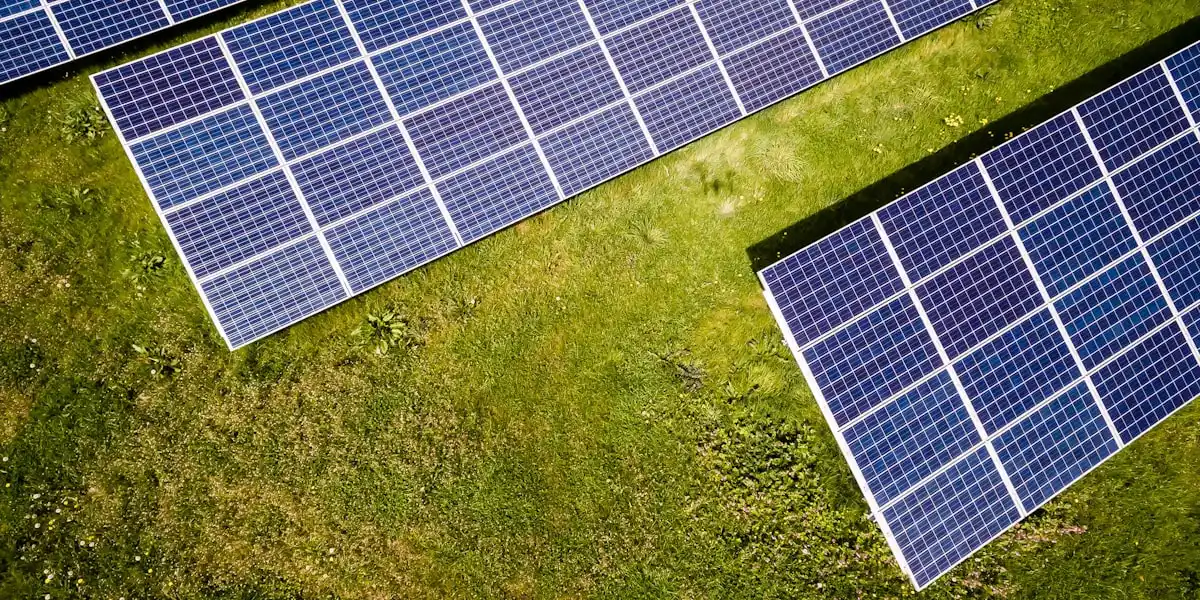
What is Enphase?
Enphase Energy is a US-based company founded in 2006 that has become the dominant name in residential microinverters globally. In the United States, Enphase holds a commanding share of the home solar market. Its UK presence is growing, though it remains a smaller player here compared to hybrid inverter brands like GivEnergy and Solis that have built strong installer networks across Britain.
The fundamental difference with Enphase is architectural. Rather than running all your panels into one central inverter, Enphase fits a small microinverter directly behind each panel. Each one converts that panel's DC electricity to AC on the spot, independently of every other panel on your roof.
How microinverters differ from string inverters
With a conventional string inverter, your panels are wired together in a series circuit — a "string". All that DC power travels down to a single box, usually inside or on the wall of your home. There are a few practical consequences worth understanding.
The weakest panel limits the string. If one panel is shaded, dirty, or facing a slightly different direction, it pulls down the output of every panel connected to it. This is the classic "Christmas lights" problem — one dull bulb dims the whole chain.
Microinverters solve this at source. Because each panel has its own inverter, a shaded panel on the left side of your roof has zero effect on the unshaded panels on the right. Every panel operates at its own maximum — a process called Maximum Power Point Tracking (MPPT) — completely independently.
Single point of failure. With a string inverter, if the inverter develops a fault your entire system goes offline until it's repaired. With microinverters, a failed unit affects only one panel; the rest carry on generating.
Think of it like this: a string inverter system is a chain, whereas a microinverter system is a collection of individual links that don't depend on each other.
Power optimisers: a middle ground
If you like the idea of panel-level performance but your budget doesn't stretch to a full microinverter system, look into DC power optimisers (such as those from SolarEdge or Tigo). These fit behind each panel and handle individual MPPT, but still feed into a single string inverter. They're cheaper than microinverters but don't eliminate the single point of failure entirely.
The IQ8 series — what's available
The current Enphase product line for the UK centres on the IQ8 family. There are five variants, each suited to different panel sizes and power ratings:
For most UK homes installing 400–450W panels in 2026, the IQ8M or IQ8A will be the relevant models.
One notable feature of the IQ8 series is Sunlight Backup. Standard solar systems shut down during a grid outage — it's a safety requirement for engineers working on the lines. The IQ8's grid-forming capability means it can continue generating power from sunlight alone even when the grid is down, without needing a battery. This is a genuinely useful differentiator, though the amount of power available depends on how much sunshine is available at the time.
Sunlight Backup is not the same as battery backup
Sunlight Backup only works when the sun is shining. If there's a power cut at night or on a heavily overcast day, you'll have no backup power without a battery. Don't conflate the two when evaluating your resilience needs.
The Enphase Envoy gateway
Every IQ8 system requires an Envoy gateway — a hub device typically installed near your consumer unit. The Envoy is the brain of the system: it collects data from every microinverter via the home's power lines (a technology called Power Line Communication), manages grid interaction, handles any export limiting requirements from your DNO, and connects the system to the internet for cloud monitoring.
The Envoy is not optional. It adds to the overall system cost and is an additional component that could theoretically develop a fault, though it is a relatively simple device. Your installer will include it in the quoted system price; just check it's listed on any quote you receive.
Monitoring: Enphase Enlighten
The Enphase Enlighten app is one of the most detailed monitoring platforms available for residential solar. Because every panel has its own microinverter reporting back to the Envoy, you get genuine panel-level data — not just a system total.
In practice this means:
- You can see exactly how much each individual panel produced today, this week, this month
- Underperforming panels are immediately obvious — useful for spotting shading issues, dirty panels, or a developing fault
- Historical data lets you compare panel performance over time
- Your installer can access the same data remotely for diagnostics
For the technically curious homeowner who likes to understand what their system is doing, this level of visibility is genuinely satisfying. For someone who just wants to know "is my solar working?", the system total view is equally available.
Installer remote monitoring
Enphase's panel-level monitoring is also useful for your installer. If something's not right, they can often diagnose the problem remotely without needing a site visit. Ask your installer whether they actively monitor your system after installation.
What does an Enphase system cost in the UK?
Microinverter systems carry a cost premium, and it's worth being clear-eyed about this.
A typical 4kW Enphase IQ8 system installed in the UK runs to roughly £7,000–£9,000 fully installed. A comparable string inverter system — same panels, same capacity — would typically cost £5,500–£7,000 based on current installed costs of £1.10–£1.50 per watt.
That's a premium of roughly 15–25%, depending on the installer, location, and system size. On a larger system the absolute cost gap widens further, which is one reason microinverters are more commonly found on smaller to medium-sized installations.
The premium comes from two places: the microinverters themselves (you're buying one per panel instead of one for the whole system) and the additional installation labour involved in mounting a unit behind every panel on the roof.
Get at least three quotes
Enphase system pricing varies considerably between installers. Some charge a larger premium than others for the technology. Getting three quotes from MCS-certified installers is especially important here.
Enphase with a battery: IQ Battery
Enphase offers its own battery storage product — the IQ Battery — in 3.5kWh and 10.5kWh (three modules stacked) configurations. It uses lithium iron phosphate (LFP) chemistry, which is the safest and most cycle-stable battery chemistry available for home storage.
However, the IQ Battery is not as competitively priced in the UK market as alternatives. Products like the GivEnergy All-in-One (9.5kWh installed from around £5,500) or Fox ESS batteries offer similar or larger capacities at lower installed costs. The IQ Battery's advantage is seamless integration within the Enphase ecosystem — one app, one installer, one warranty relationship — but if battery cost per kWh is your priority, you'll want to compare quotes carefully.
It's also worth noting that Enphase microinverters are AC-coupled, meaning an AC-coupled battery storage system — from Enphase or another brand — is the standard addition. This is slightly different to the DC-coupled approach used by most hybrid inverter systems.
When microinverters make sense
Enphase microinverters are worth exploring if your situation matches one or more of these:
Partial shading is unavoidable. Trees, a chimney, a dormer window, or a neighbouring building casting shadow on part of your roof? This is where microinverters earn their premium. The shaded panels don't drag down the rest.
Complex roof layout. Multiple roof pitches, different orientations (e.g. south-east and south-west), or an L-shaped arrangement? Each panel group can be optimised independently rather than forcing a string compromise.
Small system. On a 6–8 panel system, the cost premium per panel is more manageable and the simplicity of not having a large wall-mounted inverter indoors can be appealing.
Planned future expansion. Adding panels to a string inverter system requires careful string design and may need inverter sizing changes. With microinverters, you add panels and microinverters incrementally — the system scales simply.
Long-term warranty matters to you. The 25-year IQ8 warranty is genuinely class-leading. If you plan to stay in the property for decades and want to minimise future maintenance uncertainty, this is meaningful.
When string inverters are the better choice
Enphase is excellent technology, but it's not the right fit for every home. A standard hybrid string inverter is likely more suitable if:
Your roof is simple and unshaded. A south-facing roof with no trees, chimneys, or obstructions nearby gets near-maximum output from a string system. The microinverter premium buys you very little in this scenario.
Budget is a priority. The £1,500–£2,000+ additional cost of a microinverter system over a string inverter setup is real money. If you're comparing systems and the extra cost would push solar out of reach or delay adding a battery, the string inverter system is the sensible choice.
You want a larger system. On a 6kW or 8kW system, the cost gap between microinverter and string inverter approaches is proportionally larger. The economics favour string inverters more strongly at scale.
You want the broadest installer choice. In the UK, far more installers are experienced with GivEnergy, Solis, Sunsynk, and SolarEdge than with Enphase. A wider installer pool generally means more competitive quotes.
UK installer availability
This is an honest limitation worth flagging: the number of UK installers actively offering and comfortable with Enphase systems is smaller than for the mainstream hybrid inverter brands. This matters for a few reasons.
Firstly, fewer competing installers can mean less price competition on quotes. Secondly, if you need maintenance or troubleshooting years after installation, you want installers who know the system. Thirdly, Enphase certification is separate from general MCS certification — you'll want an installer who is both MCS-certified and a registered Enphase partner.
You can search for Enphase-certified installers via the Enphase website. It's worth verifying this status rather than taking an installer's word for it.
Warranty: where Enphase genuinely leads
The 25-year product warranty on IQ8 microinverters deserves a separate mention because it's not typical. Most string inverters carry a 5-year standard warranty (sometimes extendable to 10 or 12 years at extra cost). String inverters are also mechanical devices with fans and more complex circuitry — they have historically needed replacement at the 10–15 year mark.
Microinverters have fewer moving parts and generate less heat per unit (the load is distributed). Enphase's long warranty reflects both the design philosophy and the confidence that comes from a large installed base globally.
Over a 25-year solar system lifespan, a string inverter replacement costing £800–£1,500 is a realistic expectation. With Enphase under warranty, that cost disappears. Whether this fully offsets the upfront premium depends on your system size and the exact pricing you're quoted.
The honest verdict
Enphase IQ8 microinverters represent genuinely good technology. The panel-level independence, the quality of the Enlighten monitoring platform, and the 25-year warranty are real advantages — not marketing claims.
But they are not the automatic choice for every UK home. The cost premium is meaningful, the UK installer network is thinner than for mainstream brands, and for a straightforward unshaded south-facing roof, a quality string or hybrid inverter will serve you just as well for significantly less money.
The situations where Enphase is worth looking into closely are real: partial shading, complex multi-pitch roofs, smaller systems, and homeowners who place a high value on long-term warranty certainty and detailed monitoring. If your situation fits that description, request quotes from Enphase-certified MCS installers and compare directly against string inverter alternatives.
If your roof is simple and unshaded, explore the hybrid inverter options first — you'll almost certainly get better value per pound spent.
25 years
IQ8 microinverter product warranty — the longest standard warranty in residential solar
Compare inverter optionsShare this article
Stay informed
Get free solar updates direct to your inbox
Related reading
Solar Inverters Explained: Types, Sizing, and Real-World Limits
String, micro, and hybrid inverters explained — plus the critical G98/G99 threshold at 3.68kW and what it means for what you can run simultaneously.
Solar Inverter Brand Comparison UK 2026
Comparing GivEnergy, Sunsynk, Solis, Fox ESS, and Growatt hybrid inverters for UK solar. Features, prices, reliability, and which to choose in 2026.

How Much Do Solar Panels Cost in the UK in 2026?
UK solar panel costs 2026: realistic prices by system size, what is included, and what to push back on in your quote.


Switch to Octopus Energy
Get 50 credit when you switch. We get 50 too — win-win.
What does this mean for YOUR home?
Design your perfect solar setup in under 3 minutes. Free, no sign-up required.
Build Your Solar System