This page contains affiliate links. If you purchase through them we may earn a small commission at no extra cost to you. Learn more
Solar Inverters Explained: Types, Sizing, and Real-World Limits
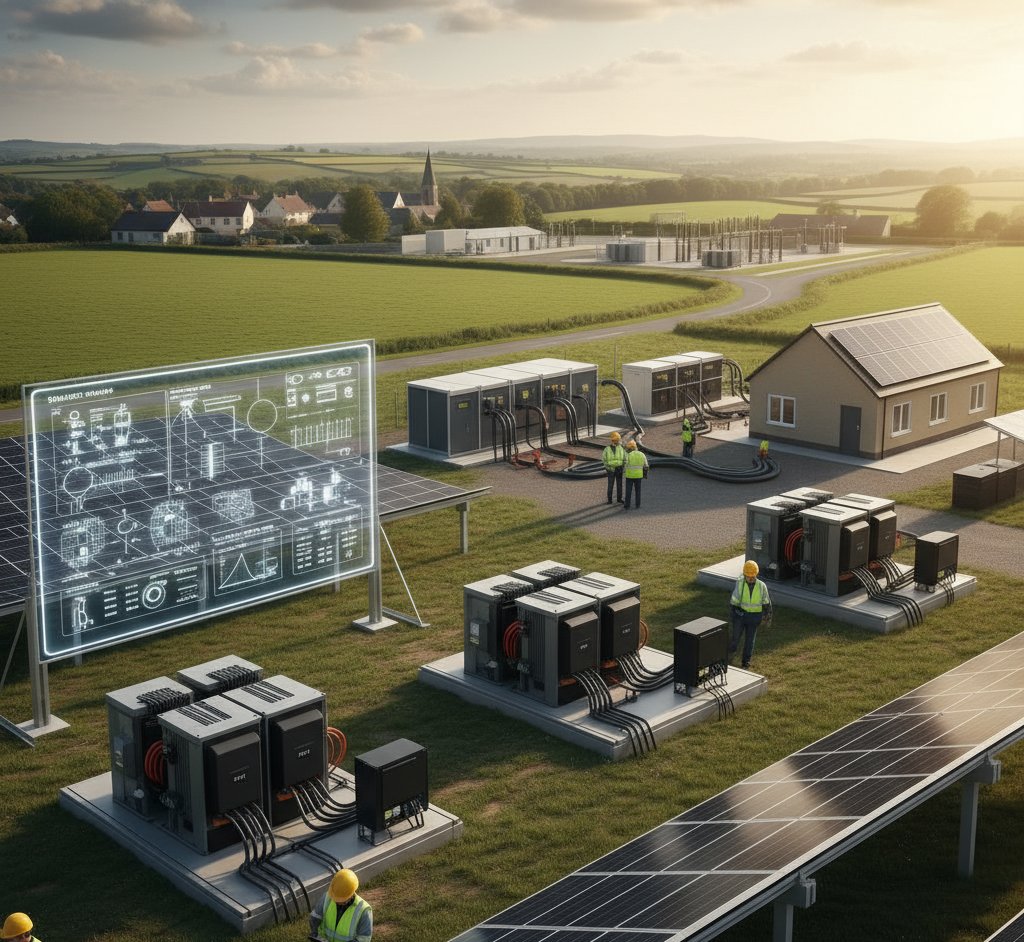
What an inverter actually does
Your solar panels produce direct current (DC) — electrons flowing in one direction. Your home runs on alternating current (AC) — electrons that reverse direction 50 times per second at 230V, synchronised with the grid.
An inverter bridges that gap. It takes the DC from your panel strings, converts it to AC, and feeds it into your consumer unit. Modern inverters also:
- Track the maximum power point of your panels (MPPT) to extract the most energy in varying conditions
- Communicate with the grid and disconnect automatically if the grid goes down (anti-islanding protection)
- Monitor system output, often via a phone app
- In the case of hybrid inverters, manage battery charging and discharging
Choosing the right type and size of inverter is one of the most important decisions in a solar installation.
Types of inverter
String inverters
The most common type for UK residential installations. All your panels are wired together in one or more "strings" leading to a single inverter unit, usually mounted indoors on a wall near your consumer unit.
Pros:
- Lower cost than alternatives
- Simple to monitor (one device)
- Well-understood by installers; easy to service
- Mature, proven technology
Cons:
- If one panel underperforms (shading, dirt, fault), it can drag down the whole string
- Single point of failure for the system
String inverters are the right choice for most UK homes with unobstructed, south-facing roofs. If your roof has no significant shading issues, don't let anyone upsell you to microinverters unless there's a genuine reason.
Microinverters
A small inverter is attached directly to each solar panel. Each panel operates independently, so shading on one panel doesn't affect the others.
Pros:
- Optimal for complex roofs with multiple orientations or partial shading
- Per-panel monitoring lets you spot faults precisely
- Can add panels incrementally without worrying about string matching
Cons:
- Significantly more expensive — you're buying 8–16 inverters instead of one
- More components on the roof mean more potential points of failure
- More labour-intensive to maintain or replace
Microinverters (Enphase is the dominant brand) make sense if your roof genuinely has a shading problem that can't be resolved. For a clean, unshaded south-facing roof, the premium is hard to justify.
Hybrid inverters
A hybrid inverter does everything a string inverter does, plus manages battery storage. It has an additional DC input for a battery bank and control logic to decide when to charge, discharge, or export.
Pros:
- Future-proof: even if you don't add a battery on day one, you could later
- Often provides backup power capability
- Single device to manage the whole system
Cons:
- Higher upfront cost than a string inverter alone
- More complex; make sure your installer knows the specific brand well
For anyone who expects to add battery storage within 5 years, specifying a hybrid inverter from the start is almost always the smarter choice.

Comparing inverter options
Sizing: the G98 threshold at 3.68kW
This is where inverter sizing gets genuinely important for UK homeowners, and where a lot of confusion exists.
The UK grid regulations (Engineering Recommendation G98 and G99) govern how solar systems connect to the distribution network. The key threshold is 3.68kW of inverter output capacity per phase.
- At or below 3.68kW export capacity: Your installer notifies the DNO (Distribution Network Operator) under G98. Simple, quick, no approval required. Installation can proceed immediately.
- Above 3.68kW export capacity: A formal G99 application is required. The DNO reviews the application — typically taking 45 working days (around 9 weeks), though complex applications take longer.
G99 applications can delay your installation by months
If you're specifying a system above 3.68kW of export capacity, your installer must submit a G99 application before connecting. Some DNOs take 3–6 months to process applications. Factor this into your timeline, especially if you're hoping to have the system running before summer. An experienced installer will handle the application for you — but make sure they're doing it before ordering hardware.
In practice, many installers fit a 5kW inverter but export-limit it to 3.68kW via the inverter settings to avoid G99. This is legitimate and common. It means you can self-consume above 3.68kW — running your home from solar — but you can only export up to 3.68kW. For most homes, this is perfectly acceptable.
Why 3.68kW specifically?
It's 16 amps at 230V, which is roughly the limit of a standard single-phase domestic connection without network impact assessment. Most UK homes are single-phase; if you have a three-phase supply (common in some rural properties and new builds), the limit per phase remains 3.68kW but you can have 11.04kW total.

Load management: what a 3.68kW system can actually run
This is the bit that catches people out.
A 3.68kW inverter can deliver 3.68kW of power at any given moment. That sounds like a lot until you add up typical UK appliance loads:
| Appliance | Typical load |
|---|---|
| Kettle | 2,000–3,000W |
| Electric oven | 2,000–3,500W |
| Washing machine (on heat cycle) | 1,800–2,500W |
| Dishwasher (heating water) | 1,200–2,000W |
| Immersion heater | 3,000W |
| Electric shower | 7,500–10,500W |
A kettle alone (2.5kW) plus a washing machine on a hot wash (2kW) is already 4.5kW — more than a 3.68kW inverter outputs. That doesn't mean you'll have a power cut; the deficit is silently topped up from the grid. But it does mean the solar system alone cannot power both simultaneously.
This matters when people imagine going "off-grid" or powering their entire home from solar. The inverter is a hard limit on instantaneous output.
Practical implications:
- If you want to run heavy loads from solar, consider a 5kW hybrid inverter (export-limited to 3.68kW)
- A battery system with a high discharge rate (the Powerwall 3 can discharge at 11.5kW) can supplement the inverter for short peak demands
- Most households manage fine on 3.68kW for normal daily use — it's simultaneous heavy appliance use that hits the ceiling
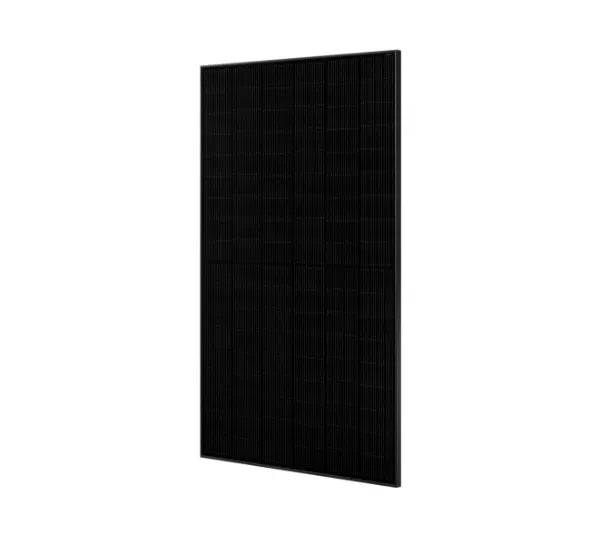
JA Solar JAM54D41 450W N-type TOPCon
£82450
22.8
1722 x 1134 x 30
21.5
Affiliate link — we may earn a small commission at no extra cost to you
Inverter lifespan and replacement
A typical string or hybrid inverter lasts 10–15 years under normal conditions. Solar panels are warrantied for 25–30 years. That mismatch means most solar homeowners will replace their inverter at least once.
Replacement costs are currently £800–£1,500 for the hardware plus £200–£400 for installation, depending on brand and accessibility. Budget for this in your long-term cost modelling.
The inverter's warranty is usually 5 years as standard, with 10-year extensions available from most manufacturers for £100–£300 at point of purchase. The extended warranty is usually worth buying for an inverter you're planning to live with for a decade.
Questions to ask your installer about the inverter
- Is this a string, micro, or hybrid inverter — and why this type for my roof?
- What is the export-limited output, and do you need to file a G99?
- Can I add a battery to this inverter later without replacing it?
- What's the monitoring setup — app, web portal, or local display?
- What does the extended warranty cost, and is it worth it?
- Who handles servicing if something goes wrong — the installer or the manufacturer?
The inverter is the component most likely to need attention during the life of your solar system. Choosing a well-supported brand with a local service network is worth paying a modest premium for.
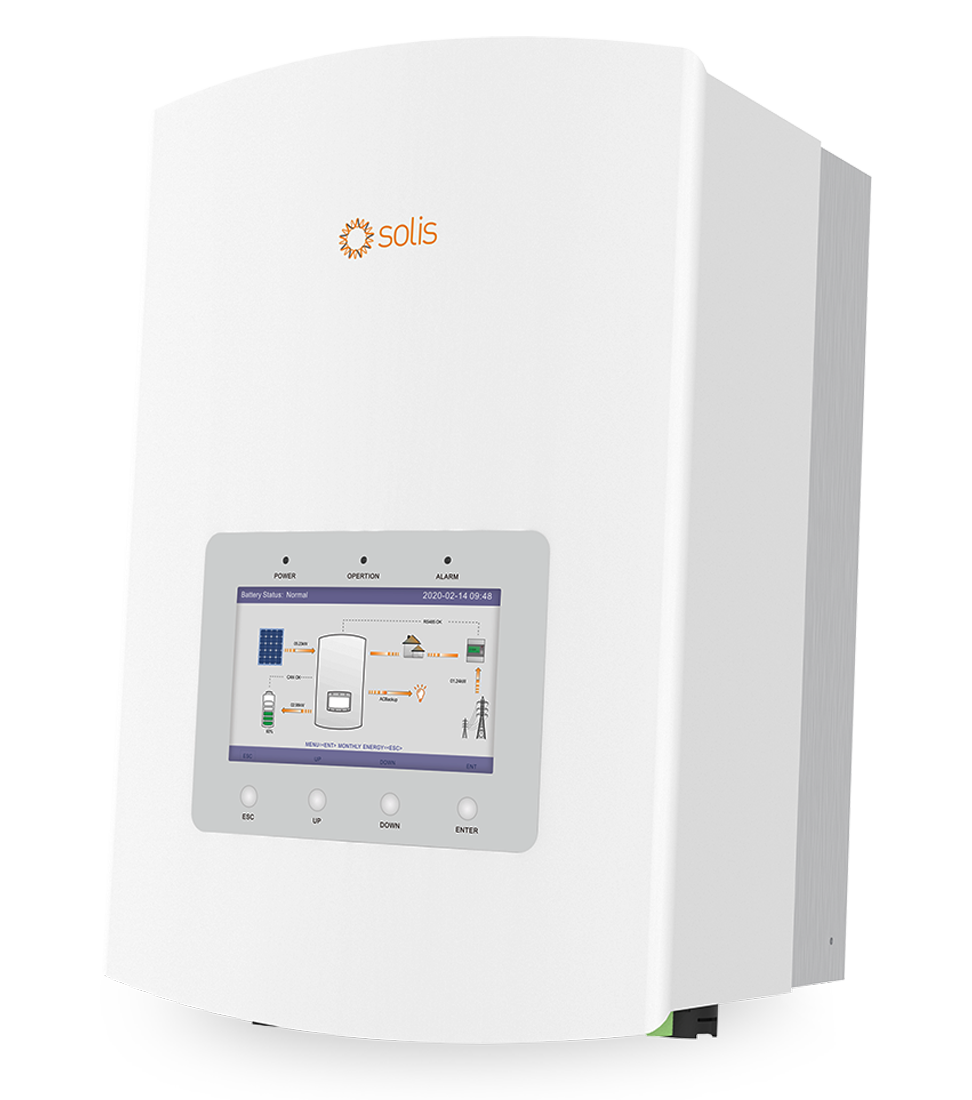
Solis RHI-5K-48ES-5G Hybrid Inverter 5kW
£9505
7.5
2
48V
Affiliate link — we may earn a small commission at no extra cost to you
Share this article

OVO has carefully selected trusted teams across the UK to install solar panels and heat pumps. Enjoy the personal touch of a local expert with the peace of mind of a household name.
Affiliate link — we may earn a small commission at no extra cost to you
Stay informed
Get free solar updates direct to your inbox
Related reading

How Do Solar Panels Work? A Simple Explanation
A plain-English explanation of the photovoltaic effect, how solar electricity gets from your roof into your home, and what happens at night or on cloudy days.
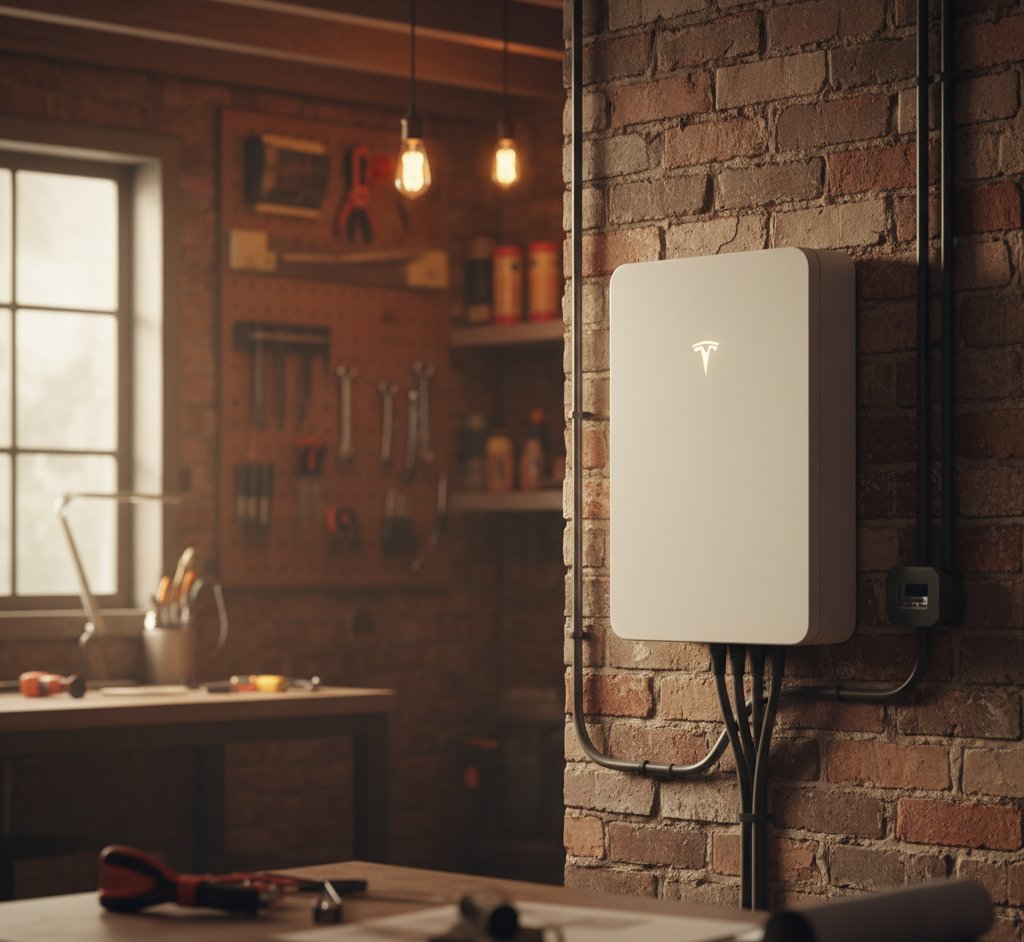
Solar Battery Storage: Complete UK Guide 2026
Everything you need to know about adding battery storage to a UK solar installation — types, sizing, costs, and which products are worth considering in 2026.

How Much Do Solar Panels Cost in the UK in 2026?
Realistic UK solar panel costs broken down by system size, installation, and what actually affects the price you'll be quoted.


Switch to Octopus Energy
Get 50 credit when you switch. We get 50 too — win-win.
What does this mean for YOUR home?
Design your perfect solar setup in under 3 minutes. Free, no sign-up required.
Build Your Solar System