This page contains affiliate links. If you purchase through them we may earn a small commission at no extra cost to you. Learn more
Solar Lease vs Buying Outright: The Real Cost Over 25 Years
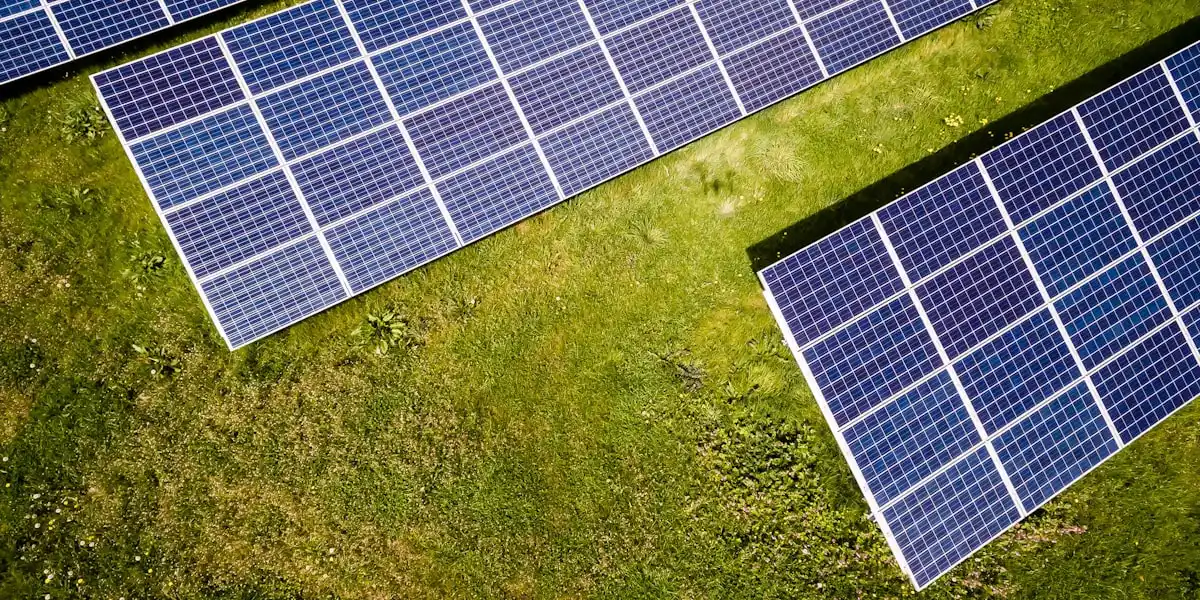
In the early days of UK solar — roughly 2010 to 2015 — leasing solar panels was a common arrangement. Companies installed panels for free in exchange for owning the electricity they generated. That model made sense at the time. It largely does not make sense in 2026, but leases from that era are still active on hundreds of thousands of UK homes. Understanding the difference helps whether you are starting fresh or dealing with a property that already has leased panels on the roof.
How Buying Solar Outright Works
When you purchase a solar system outright, you own the panels, inverter, and any battery storage from day one. All the electricity your panels generate is yours to use, store, or export.
In 2026, a typical 4 kW solar system costs £5,000–7,000 installed. A 6 kW system runs £7,000–9,000. These figures include panels, inverter, mounting, and installation by an MCS-certified installer.
You are eligible to register with the Smart Export Guarantee (SEG), which pays you for every unit of electricity you export to the grid. The best fixed SEG rates available in April 2026 are around 15p/kWh. You keep all of that income.
Maintenance costs are low. Panels have no moving parts. The main periodic cost is inverter replacement after 10–15 years, typically £500–1,000.
How Leasing Solar Works
Under a solar lease, a third-party company installs panels on your roof at no upfront cost. In exchange:
- The company retains ownership of the panels
- You pay either a monthly lease payment, or the company takes the FiT/SEG income (or both)
- The lease typically runs 20–25 years
- You use the electricity the panels generate (often the main consumer benefit)
Older lease schemes (pre-2015) were structured around the Feed-in Tariff, where the lease company claimed the FiT payments (which were generous — up to 43p/kWh in 2010) and gave you free electricity as the trade-off. This arrangement benefited both parties when panels cost £12,000–15,000 to install.
Modern lease offers still exist, but are much rarer and less financially attractive given how far panel costs have fallen.
The 25-Year Cost Comparison
This comparison assumes a 4 kW solar system installed in 2026.
The energy savings from self-consumption are similar in both scenarios — the panels work the same way regardless of who owns them. The financial gap comes from lease payments and lost SEG income.
Check who receives SEG payments under your lease
If you have or are considering leased panels, read the contract carefully. Some older leases give the lease company rights to all export income, including any SEG you might otherwise earn. This can be a significant ongoing loss over the remaining lease term.
Why Leasing Made Sense in 2012
To understand why the lease model existed, consider the numbers at the time:
- 2010–2012: A 4 kW solar system cost £12,000–15,000
- The Feed-in Tariff paid 43p/kWh for all generation (not just export)
- A household might receive £800–1,200/year in FiT payments
A lease company could install panels for free, claim £800+/year in FiT for 25 years (guaranteed by the government), and still give the homeowner free electricity. The company made its investment back in 10–12 years and profited for another 13–15.
For homeowners in 2012 who could not afford £12,000–15,000 upfront, the free electricity was a genuine benefit with no financial downside.
Why Leasing Rarely Makes Sense in 2026
The economics have reversed:
- 2026: A 4 kW solar system costs £5,000–7,000 — less than half what it was in 2012
- The Feed-in Tariff closed to new applicants in 2019
- The SEG pays far less than FiT — typically 3–15p/kWh for export only
- Solar finance and green loans are widely available at 5–9% interest
At current costs, a household that borrows £6,000 to buy a solar system at 7% APR over 10 years pays around £70/month — roughly the same as a lease — but owns the asset at the end and keeps all SEG income throughout.
Property Sale Complications
This is a significant practical issue for existing solar lease holders.
Older lease agreements — particularly those from 2010–2015 with long remaining terms — can complicate property sales. Buyers and their solicitors will review the lease, and some will walk away. Some mortgage lenders will not lend on properties with solar leases unless specific conditions are met.
If you are buying a property with leased panels, it is worth getting legal advice on the lease terms before proceeding.
Buying on Finance vs Leasing
If the upfront cost of buying is the barrier, finance is worth exploring before leasing.
On a like-for-like monthly payment basis, finance deals and leases are often comparable — but with finance you own the asset and keep all income. The lower monthly payment of a lease may look attractive at first glance, but the total cost over 25 years is substantially higher once lost SEG income is factored in.
Solar finance is more widely available than it used to be
Many MCS-certified installers now offer in-house finance or partner with green lending providers. It is worth asking about payment plans when getting quotes — some offer 0% finance for shorter terms.
Who Should Choose Which?
Buying outright is worth considering for most households in 2026. Panel costs are at an all-time low, SEG rates are solid, and ownership is straightforward. If you can afford the upfront cost — or access finance at a reasonable rate — buying almost always delivers better returns than leasing over 10, 15, or 25 years.
Leasing may still be worth looking at if you are categorically unable to access finance of any kind, need a zero-capital solution, and have found a modern lease with genuinely favourable terms — including clear rights to self-consumption and transparency about who receives any export payments. Scrutinise the contract carefully and take independent advice before signing.
If you already have a legacy lease, focus on understanding what your lease terms say about: who receives SEG income, what happens at sale, and whether there is a buyout option. Some lease companies will sell you the system outright for a lump sum — this can be worth exploring if you are planning to sell your home.
Summary
The solar lease was a product of its time — sensible when panels cost £15,000 and the government paid 43p/kWh. In 2026, with panels at £5,000–7,000 and the landscape changed, buying outright (or on finance) almost always delivers more value. If you are starting fresh, buying is the cleaner, more profitable path. If you have inherited a lease, understanding your exact terms is the first step.
Share this article

OVO has carefully selected trusted teams across the UK to install solar panels and heat pumps. Enjoy the personal touch of a local expert with the peace of mind of a household name.
Affiliate link — we may earn a small commission at no extra cost to you
Stay informed
Get free solar updates direct to your inbox
Related reading
How to Pay for Solar in the UK: Finance Options Compared
Every way to finance solar in the UK compared — cash, loans, green finance, leases, rent-a-roof, and what to avoid. Includes grants-first checklist.
Free Solar Panels UK: What's the Actual Catch?
Free solar panels in the UK explained — rent-a-roof schemes, solar PPAs, ECO4/Warm Homes grants, and what 'free' actually means for each option.
How Much Do Solar Panels Cost in the UK in 2026?
UK solar panel costs 2026: realistic prices by system size, what is included, and what to push back on in your quote.

Switch to Octopus Energy
Get 50 credit when you switch. We get 50 too — win-win.
What does this mean for YOUR home?
Design your perfect solar setup in under 3 minutes. Free, no sign-up required.
Build Your Solar System