This page contains affiliate links. If you purchase through them we may earn a small commission at no extra cost to you. Learn more
Solar Panel Brands and Tiers: What Tier 1 Actually Means

Ask any solar installer which panels they use and "Tier 1" will almost certainly come up. Installers use it as shorthand for quality. Marketing materials lean on it heavily. But Tier 1 does not mean what most people assume — and understanding the difference matters when you're making a 25-year investment.
What "Tier 1" Actually Means
The Tier 1 label comes from the Bloomberg BNEF PV Module Maker Bankability Survey. It is a financing assessment, not a product quality test.
A manufacturer reaches Tier 1 status when it has supplied panels to at least six different projects, each financed by six different banks on a non-recourse basis, within the last two years. Banks use this ranking to assess the risk of lending money against projects that use a particular manufacturer's modules.
In plain terms: Tier 1 tells you that large financial institutions are confident enough in a manufacturer's stability to back multi-million pound projects with their panels. That is genuinely useful — it suggests the company is financially healthy and likely to be around to honour warranty claims. But it says nothing about whether the panels themselves are well made, efficient, or durable.
Tier 1 is not a quality certification
A Tier 2 manufacturer can produce excellent panels. A Tier 1 manufacturer can produce a substandard batch. "Tier 1" is a financing and supply chain risk indicator only. Do not use it as your sole filter when comparing quotes — pay attention to the actual specifications and warranty terms instead.
There are no independent physical tests, no efficiency benchmarks, and no durability assessments involved in achieving Tier 1 status. If an installer tells you their panels are "certified Tier 1", that phrasing is misleading — it is a market ranking, not a certification.

Tier 1 Brands Available in the UK (2026)
The following manufacturers hold Tier 1 status and are widely installed on UK homes. All currently produce N-type TOPCon panels, which is the mainstream residential technology as of 2026.
~£75–85
Per panel (supply only, April 2026) for a 445–455 W Tier 1 N-type TOPCon module — installed system cost is substantially higher
See full system costsThese supply-only prices are for the panels alone, not installed. A typical 4 kW system (around 8–9 panels) will sit in the £5,000–£7,000 range fully installed, depending on roof type, region, and whether you add a battery.
Premium and Niche Brands
A separate group of manufacturers sits outside the standard tier structure — either because they target the premium segment or because their distribution in the UK is limited.
SunPower / Maxeon
SunPower's panel business was rebranded as Maxeon following a corporate separation. These panels use IBC (Interdigitated Back Contact) and HJT (Heterojunction) technology and represent the high end of the residential market. Efficiencies above 22% are typical, degradation rates are among the lowest available, and the performance warranty terms are strong.
The trade-off is price — Maxeon panels cost considerably more per panel than Tier 1 mainstream options. If you have limited roof space and want maximum long-term yield, this segment is worth exploring. If you have a straightforward south-facing roof with adequate space, the premium may not be justified.
REC
REC's Alpha Pure-R series uses HJT technology and delivers excellent temperature coefficients (output loss per degree of heat) and low degradation. REC is a legitimate premium option available through specialist UK installers, though distribution is less widespread than the main Tier 1 names.
Panasonic
Panasonic's EverVolt HJT panels have historically been well regarded, but UK availability is limited as of April 2026. Worth checking if your installer can source them, but do not assume availability.
LG Solar — no longer available
LG Solar ceased panel manufacturing in 2022. Legacy LG panels remain installed across thousands of UK homes and continue to work. However, do not accept any new quote that includes LG panels — they have not been manufactured for several years. LG Electronics inherited the warranty obligations, but the support pathway is less straightforward than with an active manufacturer.

Does Tier Matter for Homeowners?
Honestly, not as much as the industry implies.
For most UK homeowners, the Tier 1 brands listed above are interchangeable in terms of day-to-day performance. The real-world output difference between a LONGi Hi-MO X6 and a JA Solar JAM54D41 on a typical UK roof will be negligible over a year. What matters is the system design, the installer's workmanship, and whether the components are correctly matched.
Where the tier concept does carry some weight is warranty backstop risk. A Tier 1 manufacturer with strong financials is more likely to still be operating in 2046 when you might need a warranty replacement. A no-name manufacturer selling panels at a significant discount today may not exist in ten years. This is a real risk worth taking seriously.
Ask your installer about warranty claims, not just warranty length
A 25-year performance warranty is only as good as the process for claiming it. Ask your installer: how would we actually make a warranty claim on these panels? Which UK company handles it? Have they processed claims before? A good installer with a good Tier 1 manufacturer will have clear answers.
What Actually Matters When Choosing Panels
Rather than filtering by tier, focus on these four factors:
1. Degradation rate and performance warranty
All solar panels lose a small amount of output each year. N-type TOPCon panels typically degrade at around 0.4% per year — PERC panels at around 0.5%. HJT panels (Maxeon, REC) degrade at around 0.3% per year. Over 25 years, that difference compounds into meaningful output differences.
Check what the performance warranty actually guarantees at year 25 — some manufacturers guarantee 84% of original output, others guarantee 87% or more. Higher is better.
2. Product (materials) warranty length
The product warranty covers manufacturing defects. 15 years is now standard for mainstream Tier 1 panels. Some premium manufacturers offer 25 years. Be cautious of anything below 12 years.
3. Temperature coefficient
UK panels spend time generating electricity in warm summer conditions. The temperature coefficient of Pmax tells you how much output drops per degree above 25°C. A lower (less negative) number is better. -0.29%/°C is excellent; -0.35%/°C is acceptable.
4. Your installer's supply chain and experience
This is underrated. An installer who regularly works with LONGi panels will know how they perform on UK roofs, will have a clear warranty claims process, and will likely have better supply pricing. An installer who has never installed a particular brand may struggle with troubleshooting and warranty logistics. The best panel for your home is often the best panel your specific installer has deep experience with.
Popular UK Panels: Quick Comparison
Supply-only pricing for these panels runs approximately £75–85 per panel as of April 2026. These are trade prices — individual consumers buying direct would pay more. Your quoted installed system price will include panels, inverter, mounting hardware, cabling, and labour.
Red Flags to Watch For
Some things in a solar quote that warrant closer scrutiny:
- Brand you cannot find online with a UK presence — if the manufacturer has no UK website, no UK warranty contact, and no installer reviews mentioning the brand, ask why it is being specified
- "Tier 1 certified" language — as noted above, Tier 1 is a market ranking, not a certification. This phrasing suggests a misunderstanding or deliberate obfuscation
- PERC panels on a new 2026 install — not a disaster, but N-type TOPCon is now the mainstream default and prices have converged. Ask why PERC is being specified; there may be a legitimate reason, but it is worth querying
- LG Solar panels on a new quote — these have not been manufactured since 2022. Walk away from any installer quoting new LG panels
- Very low per-panel pricing — supply-only Tier 1 panels run £75–85. Significantly lower pricing from an unknown brand is a risk worth investigating

Bringing It Together
The mainstream Tier 1 brands — LONGi, JA Solar, Trina Solar, Canadian Solar, Jinko — are all solid choices for a UK residential system. You are unlikely to make a bad decision between them. The tier label is a useful indicator that a manufacturer is financially stable, but it is not a quality endorsement.
Focus your energy on:
- Getting the degradation rate and warranty terms in writing before signing
- Asking how warranty claims are handled in practice
- Trusting an installer with deep experience of the panels they specify
- Understanding that a slightly lower-efficiency panel from a trusted installer often beats a higher-spec panel from an unfamiliar source
If you want to go deeper on panel technology — how TOPCon differs from PERC, and what HJT actually means in practice — the solar panels explained article covers the technology in more detail.
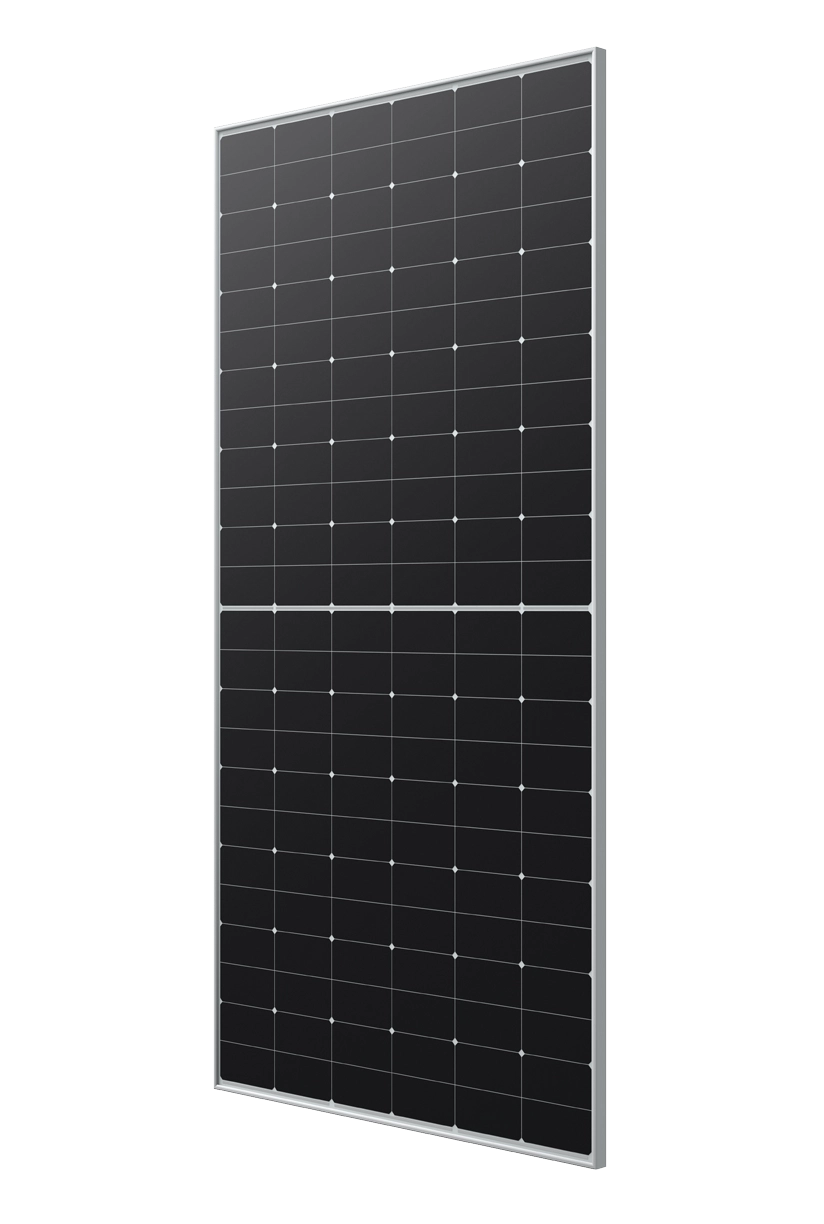
LONGi Hi-MO X6 450W
£85450
23
1722 x 1134 x 30
21.3
Affiliate link — we may earn a small commission at no extra cost to you
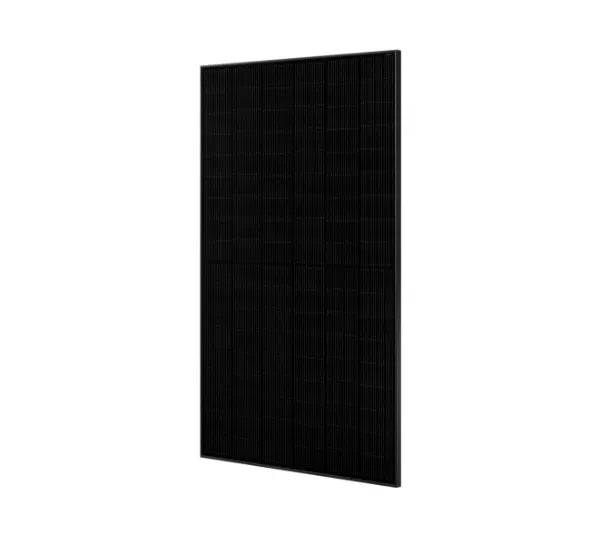
JA Solar JAM54D41 450W N-type TOPCon
£82450
22.8
1722 x 1134 x 30
21.5
Affiliate link — we may earn a small commission at no extra cost to you
Affiliate link — we may earn a small commission at no extra cost to you.
Share this article
Stay informed
Get free solar updates direct to your inbox
Related reading
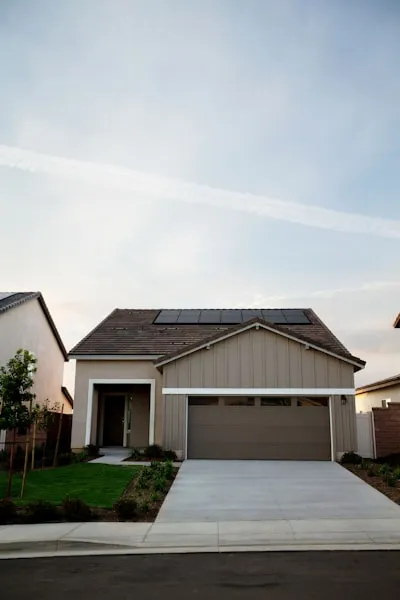
Best Solar Panels for UK Homes 2026
The best solar panels for UK homes in 2026 — JA Solar, Trina, Canadian Solar, and LONGi, with real specs and what to look for when comparing quotes.

How Much Do Solar Panels Cost in the UK in 2026?
UK solar panel costs 2026: realistic prices by system size, what is included, and what to push back on in your quote.


Switch to Octopus Energy
Get 50 credit when you switch. We get 50 too — win-win.
What does this mean for YOUR home?
Design your perfect solar setup in under 3 minutes. Free, no sign-up required.
Build Your Solar System