This page contains affiliate links. If you purchase through them we may earn a small commission at no extra cost to you. Learn more
Solar Panel Finance Options UK
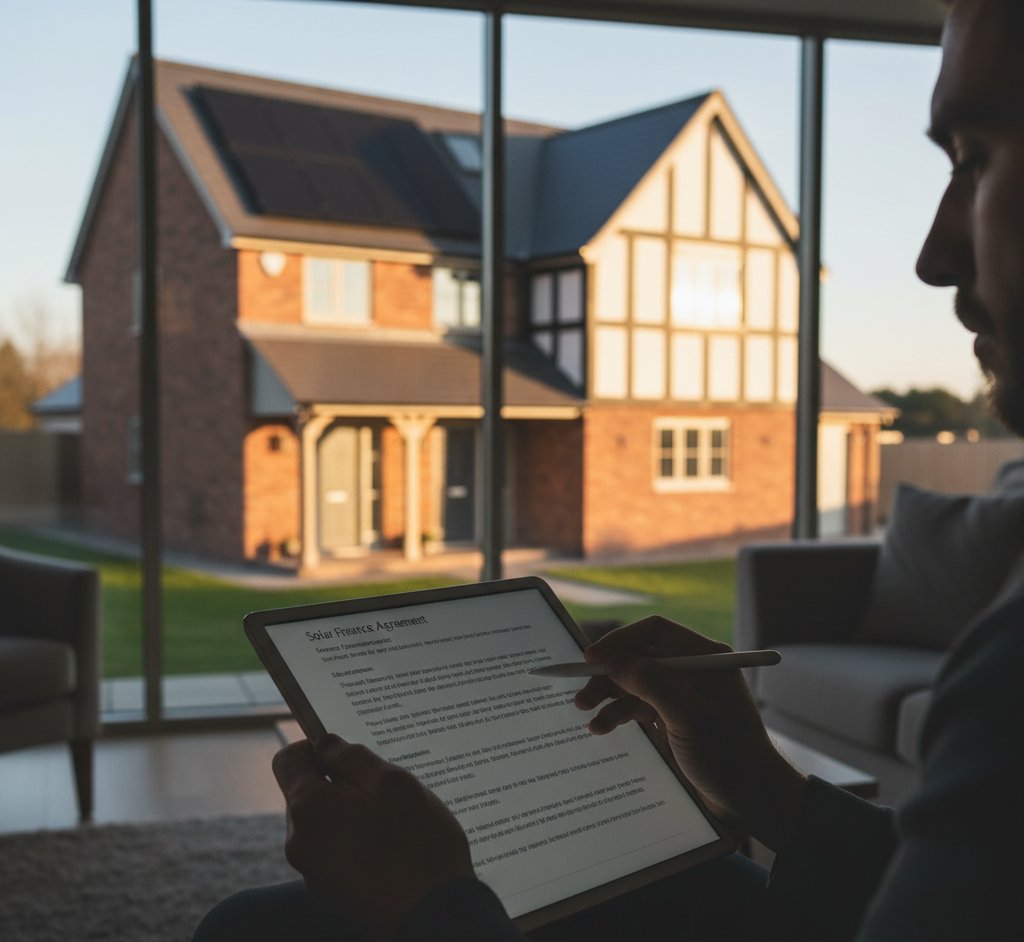
Most people don't have £7,000–£10,000 sitting around. The good news is that the economics of solar can work with finance — but the type of finance matters enormously. Some options are genuinely good; others look attractive and hide a sting in the tail.
Paying Outright
If you have the savings, paying outright for your solar system is almost always the financially optimal choice. You avoid interest, you own the system outright from day one, and your payback period calculation is clean: system cost divided by annual savings.
At current electricity prices, a £7,500 system saving £800–£1,000 per year (including SEG export income) pays back in roughly 7–9 years. After that, you're generating essentially free electricity for the remaining 15+ years of the system's life.
The one exception: if you have savings in a high-interest account (5%+ in 2026), the maths of using those savings versus cheap debt gets more nuanced. But for most people with accessible savings, using them is the right call.
Personal Loans
A standard personal loan from a bank or building society is the most straightforward finance option. In 2026, rates for good-credit borrowers on loans of £5,000–£10,000 are typically 6–10% APR.
On a £7,500 loan at 7% APR over 5 years, monthly repayments are around £148, with total interest paid of approximately £1,380. If your system saves £800/year, the net cash benefit is positive from year one — you're still spending less each year than you would have on electricity bills.
The key question is whether your net annual saving (after loan repayment) is positive. If electricity savings plus SEG income exceeds your monthly repayment, the system pays for itself as you go. This works for many homeowners even at typical loan rates.
Green Loans
Several UK banks and building societies now offer "green loans" at preferential rates specifically for energy efficiency improvements including solar. In 2026:
- NatWest Green Loan: Available to existing customers for energy efficiency purposes; often 1–2 percentage points cheaper than their standard personal loan rate
- Barclays Green Home Improvement Loan: Similar preferential rate product
- Nationwide Greener Homes Loan: For members, with competitive rates
- Ecology Building Society: Specialist ethical lender with a focus on sustainable homes
These products are worth checking first before defaulting to a standard personal loan. The rate difference on £7,500 over 5 years can save you £300–£500 in interest.
0% Finance from Solar Installers
Many solar installers offer 0% finance deals — typically 12, 18, or 24 months interest-free. This sounds like free money. It's not.
0% Finance Usually Means Higher Panel Prices
When an installer offers 0% finance, they are subsidising the interest cost themselves — and they recover it by charging a higher price for the system. This is not always obvious because you're comparing a financed price from one installer with an outright price from another. The way to check: ask the installer offering 0% finance what the cash price would be for the identical system specification. If the cash price is lower, the "0%" has a real cost — it's just baked into the panels. Sometimes the markup is small and the convenience is worth it. Often the total cost of 0% finance exceeds a modest personal loan rate for the same amount. Always compare total cost, not monthly payment.
Longer 0% or low-rate finance deals (5–7 years) from installer-partnered finance companies are common. These are typically provided by specialist lenders (Novuna, Hitachi, Ikano) and are regulated consumer credit products. Read the agreement carefully:
- What is the APR if you miss a payment?
- Is there a final balloon payment?
- What happens to the finance agreement if the installer goes out of business?
- Does the agreement include a cooling-off period?
Green Mortgages
If you own your home and have equity, borrowing against your mortgage can be the cheapest way to finance solar. Mortgage rates (even in 2026's market) are typically lower than personal loan rates, and green mortgage products may offer additional benefits.
Further advance: Your existing mortgage lender may offer a further advance — essentially a top-up to your current mortgage — at your existing mortgage rate or similar. This is often the cheapest borrowing available to homeowners.
Remortgaging to release equity: If you're coming off a fixed deal anyway, adding the solar system cost to your mortgage on remortgage is worth considering. The additional monthly cost is tiny at mortgage rates, and the solar savings may fully offset it.
Specialist green mortgage products: Some lenders (Nationwide, Halifax, and increasingly others) offer better rates specifically for energy-efficient homes. Adding solar might improve your EPC rating, which could unlock a better mortgage rate on your next deal.
The downside of mortgage borrowing: you're securing the debt against your home, and spreading £7,500 over 25 years means you'll pay more interest in absolute terms even at a low rate. It's worth running the numbers.
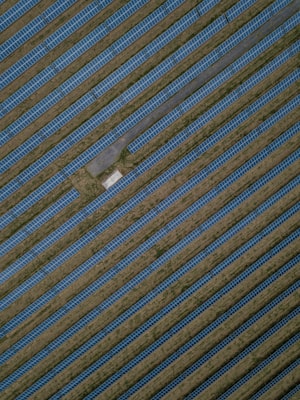
GivEnergy All-in-One 5kW Hybrid Inverter
£1,2005
7.5
2
48V
Affiliate link — we may earn a small commission at no extra cost to you
Home Improvement Loans from Building Societies
Mutual building societies often have competitive home improvement loan products with simpler eligibility criteria than banks. Coventry, Leeds, Yorkshire, and others are worth checking. These are unsecured personal loans but often with better terms than high-street bank equivalents.
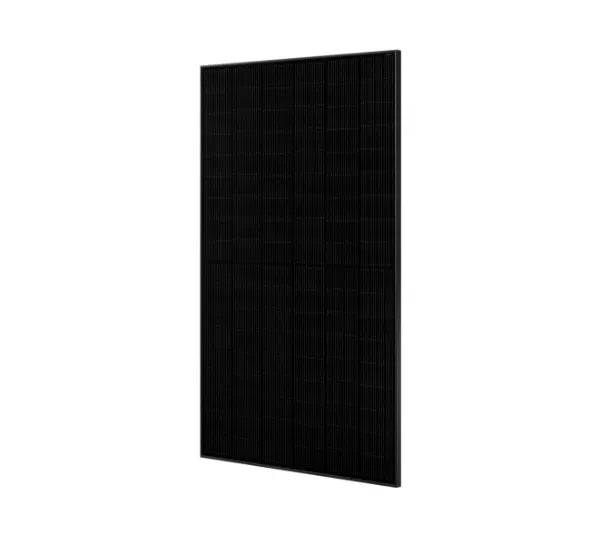
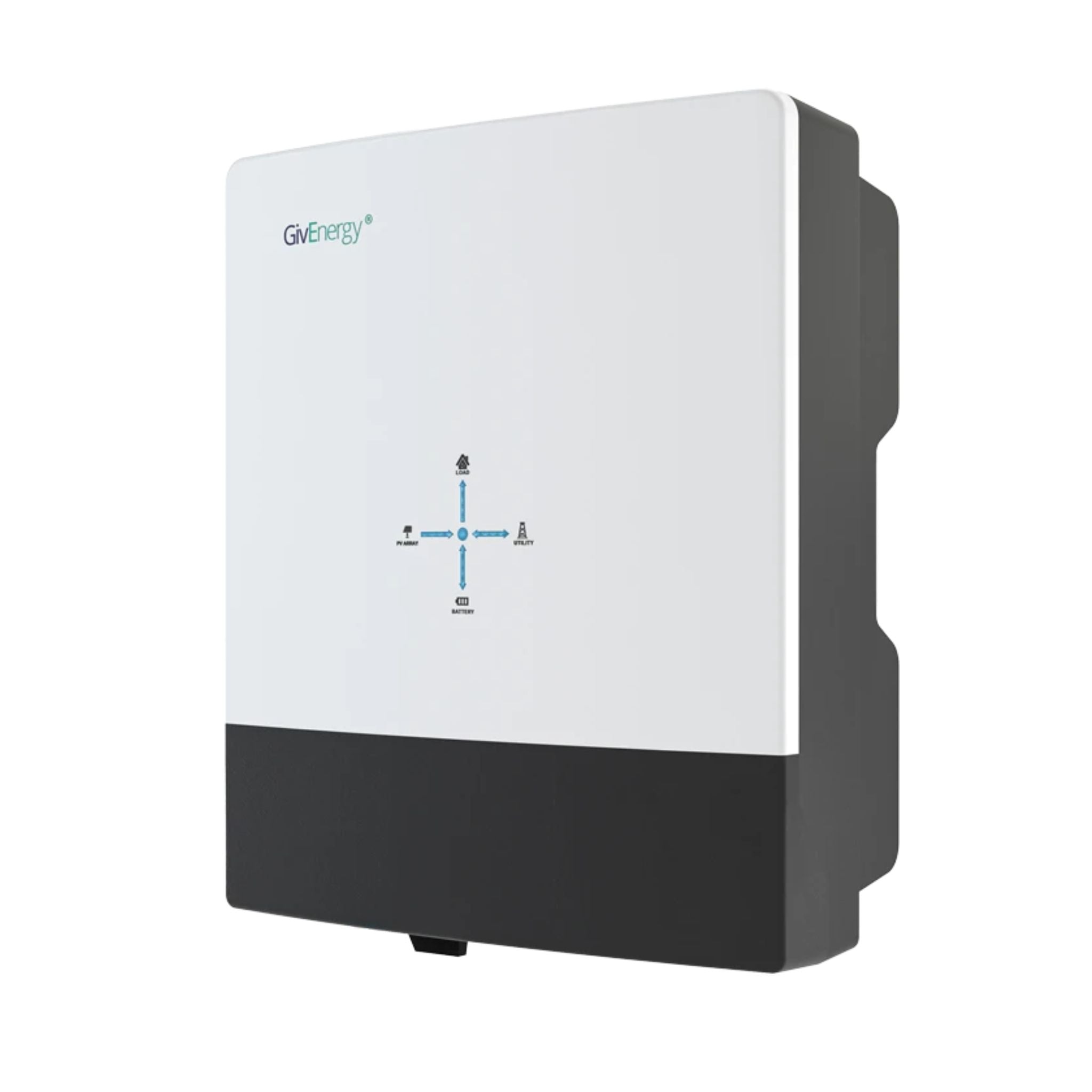
JA Solar JAM54D41 450W N-type TOPCon
£82450
22.8
1722 x 1134 x 30
21.5
Affiliate link — we may earn a small commission at no extra cost to you
Paying Outright vs. Financing: The Practical Comparison
Here's a simple comparison for a £7,500 system saving £850/year:
| Option | Total Cost | Annual Net Benefit (yr 1–5) | Payback Period |
|---|---|---|---|
| Pay outright | £7,500 | £850/yr saving | ~8.8 years |
| Green loan 6% / 5yr | ~£8,700 total | ~£79/yr net positive | ~10.2 years |
| 0% finance 2yr | £7,500 (if honest price) | ~£474/yr net positive | ~8.8 years |
| Mortgage further advance 4.5% / 10yr | ~£9,370 total | ~£168/yr net positive | ~11 years |
The message: paying outright wins, but finance still makes the system net-positive from day one in most cases. It's rarely a bad financial decision even with interest — it just takes longer to achieve full payback.
What About Grants First?
Before committing to any finance, check whether you might qualify for a grant or funded scheme. Means-tested support through ECO4, Home Upgrade Grant, or devolved Scottish/Welsh schemes could cover part or all of the cost. Finance only makes sense once you've established what grant funding is available to you.
Once you're clear on costs and funding, the practical next step is getting accurate quotes — our quotes guide explains exactly what to ask for.
Share this article

OVO has carefully selected trusted teams across the UK to install solar panels and heat pumps. Enjoy the personal touch of a local expert with the peace of mind of a household name.
Affiliate link — we may earn a small commission at no extra cost to you
Stay informed
Get free solar updates direct to your inbox
Related reading

How Much Do Solar Panels Cost in the UK in 2026?
Realistic UK solar panel costs broken down by system size, installation, and what actually affects the price you'll be quoted.
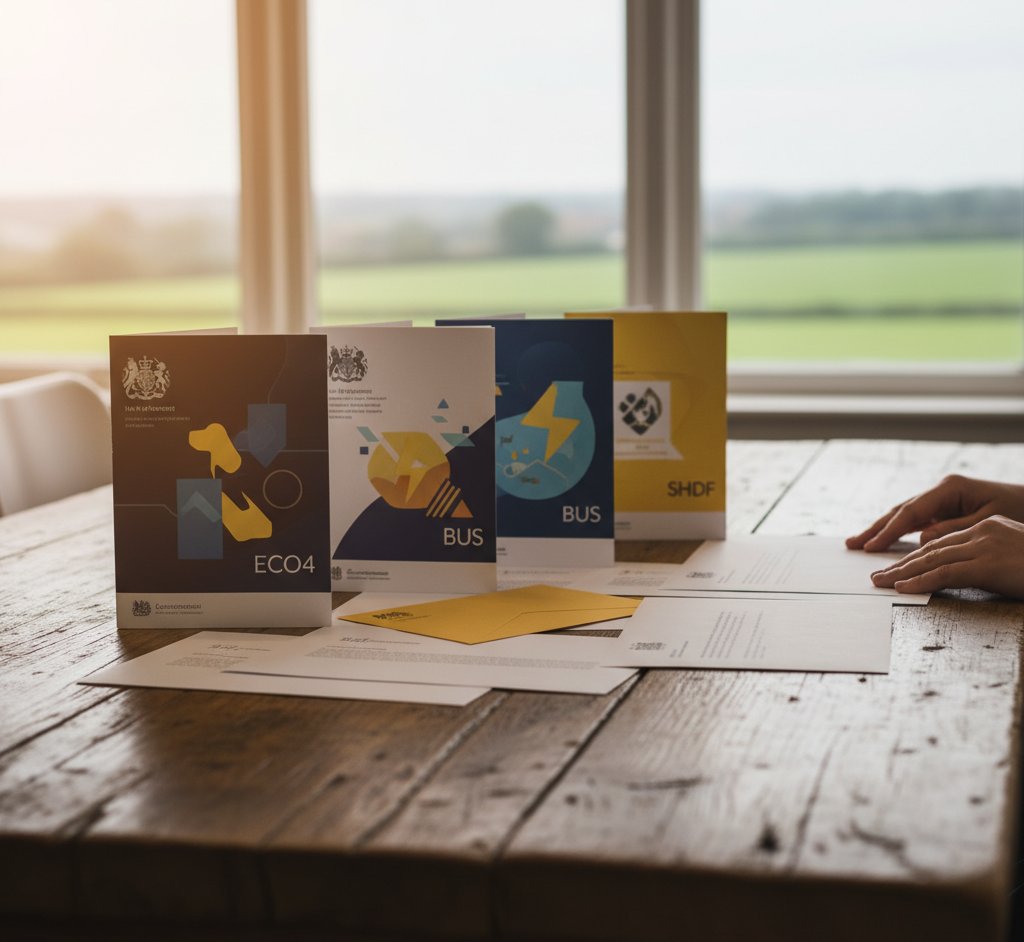
Solar Panel Grants and Funding UK 2026
A plain-English guide to every solar grant, scheme, and funding route available in the UK in 2026 — including ECO4, GBIS, HUG2, BUS, and devolved schemes.
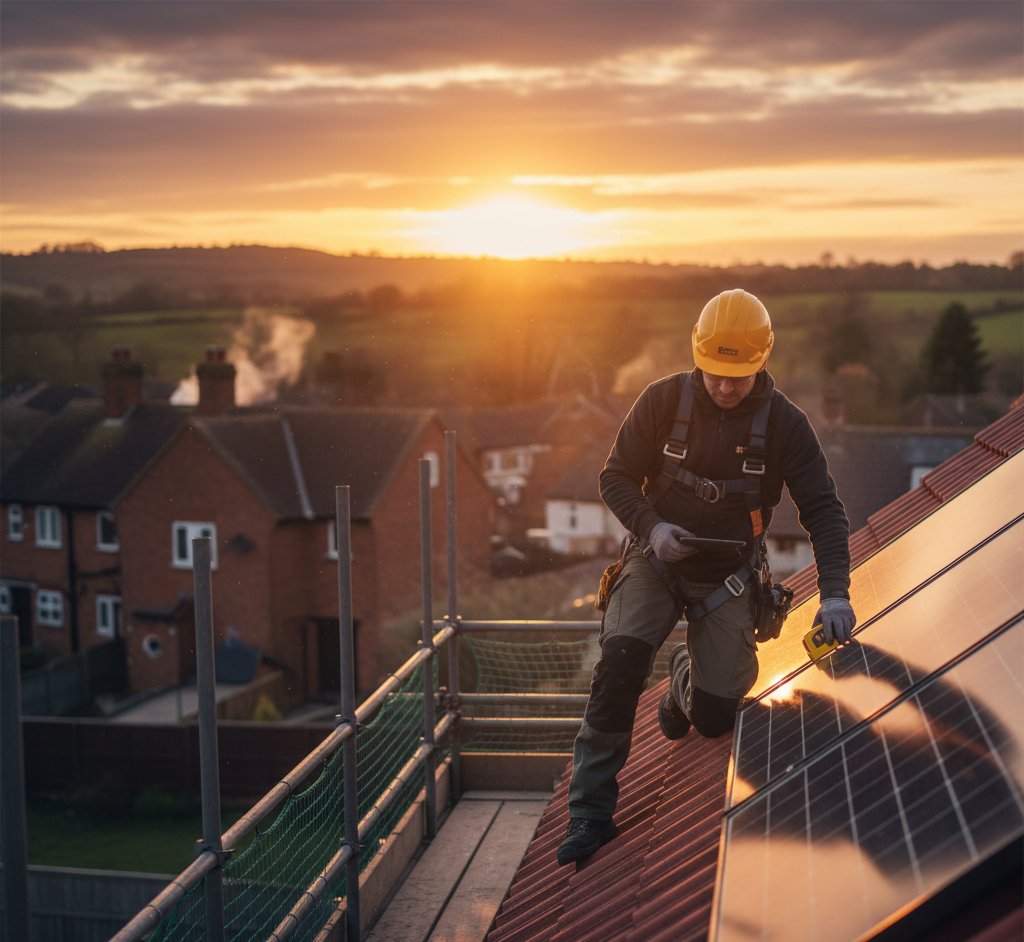
Getting Solar Panel Quotes: What to Expect
How many quotes to get, what a good solar quote looks like, the right questions to ask, and how to compare quotes properly.

Switch to Octopus Energy
Get 50 credit when you switch. We get 50 too — win-win.
What does this mean for YOUR home?
Design your perfect solar setup in under 3 minutes. Free, no sign-up required.
Build Your Solar System