This page contains affiliate links. If you purchase through them we may earn a small commission at no extra cost to you. Learn more
Smart Export Guarantee (SEG) Explained
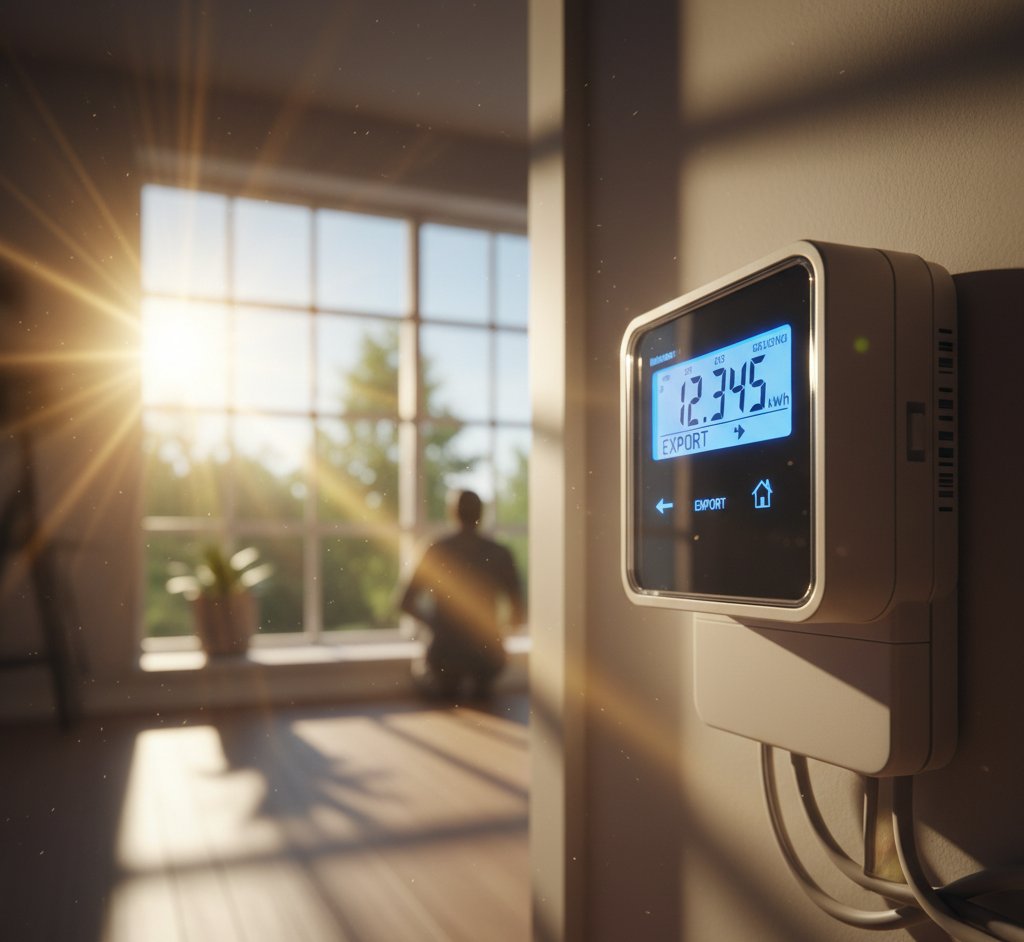
What is the Smart Export Guarantee?
The Smart Export Guarantee (SEG) is a UK government scheme that requires large electricity suppliers to pay households for surplus renewable electricity exported to the grid. It replaced the old Feed-in Tariff (FIT) in January 2020.
Under the FIT, the government guaranteed generous rates — sometimes 40–50p per kWh. The SEG is different. The government only mandates that suppliers must offer a tariff and that it must be above zero. The actual rate is up to each supplier.
This means shopping around matters. The difference between the worst and best SEG tariffs can be 10p/kWh or more — on a typical 4kWp system exporting 2,000 kWh per year, that's a £200 annual difference for the same electricity.
Who has to offer a SEG tariff?
Any licensed electricity supplier with 150,000 or more domestic customers must offer at least one SEG tariff. As of 2026, the mandatory participants include:
- Octopus Energy — multiple tariff options including Agile Outgoing and Fixed Export
- British Gas — fixed rate SEG
- EDF Energy — fixed rate SEG
- E.ON Next — fixed rate SEG
- Scottish Power — fixed rate SEG
- OVO Energy — fixed rate SEG
- Shell Energy — fixed rate SEG
- Utilita — fixed rate SEG
Smaller suppliers can also offer SEG tariffs voluntarily, and some offer surprisingly competitive rates.
What are the current SEG rates?
SEG rates change regularly, but here's the landscape in early 2026:
Fixed-rate tariffs typically pay between 3.3p and 15p per kWh in April 2026, with most mainstream suppliers in the 3.3–5.2p range and the best fixed rates around 15p. These give you a predictable income regardless of wholesale market conditions.
Variable/agile tariffs like Octopus Agile Outgoing track wholesale prices and can pay anywhere from negative rates (yes, you'd pay to export during oversupply) to 30p+ per kWh during peak demand. The average tends to sit around 8–12p per kWh, but it varies by season and market conditions.
You don't have to match import and export suppliers
A common misconception: you can import electricity from one supplier and export to a completely different one. If British Gas offers you the best import deal but Octopus has the best export rate, sign up with both. There's no rule saying they must match.
How to sign up for the SEG
The process is straightforward:
-
Get a smart meter — you need a SMETS2 smart meter (or the older SMETS1 if your supplier supports it). Without one, you can't join. Contact your current supplier for a free smart meter installation.
-
Have an eligible installation — your solar panels must be installed by an MCS-certified installer, and the system must be 5MW or under (residential systems are typically 3–4kWp, so this is never an issue). You'll need your MCS certificate.
-
Apply to your chosen SEG supplier — visit their website and apply. You'll need your MCS certificate number, smart meter MPAN, and basic details about your system.
-
Wait for approval — typically takes 2–4 weeks. Once approved, you'll start receiving payments for your exports.
MCS certification is non-negotiable
If your panels were installed by a non-MCS-certified installer, you cannot join the SEG. This is one reason why using an MCS-certified installer matters — it's not just about quality, it's about eligibility for financial incentives.
How much will you actually earn?
Let's run some realistic numbers for a typical UK home:
System size: 4kWp Annual generation: ~3,400 kWh Self-consumption rate: 40% (without battery), 75% (with battery)
Without a battery, you export about 2,040 kWh per year:
- At 4p/kWh (low fixed SEG): £82/year
- At 8p/kWh (mid-range): £163/year
- At 12p/kWh (good variable average): £245/year
With a battery, you export about 850 kWh per year:
- At 4p/kWh: £34/year
- At 8p/kWh: £68/year
- At 12p/kWh: £102/year
The numbers show something important: a battery dramatically reduces your exports, but the electricity you don't export is worth more because you're avoiding buying it back at ~24.5p/kWh. The SEG is valuable, but self-consumption is king.
Fixed vs variable SEG: which should you choose?
Choose a fixed SEG rate if:
- You want predictable income you can factor into payback calculations
- You don't have a battery and can't time your exports
- You prefer simplicity over optimisation
Choose a variable/agile SEG rate if:
- You have a battery and a smart inverter that can be programmed to export at peak times
- You're comfortable with fluctuating income
- You actively manage your energy setup or use home automation
With a battery and a variable export tariff like Agile Outgoing, you can strategically export during evening peak hours (4–7pm) when rates are highest. This turns your battery into an arbitrage tool — charge from solar during the day, export at peak prices, then recharge overnight on cheap rates.
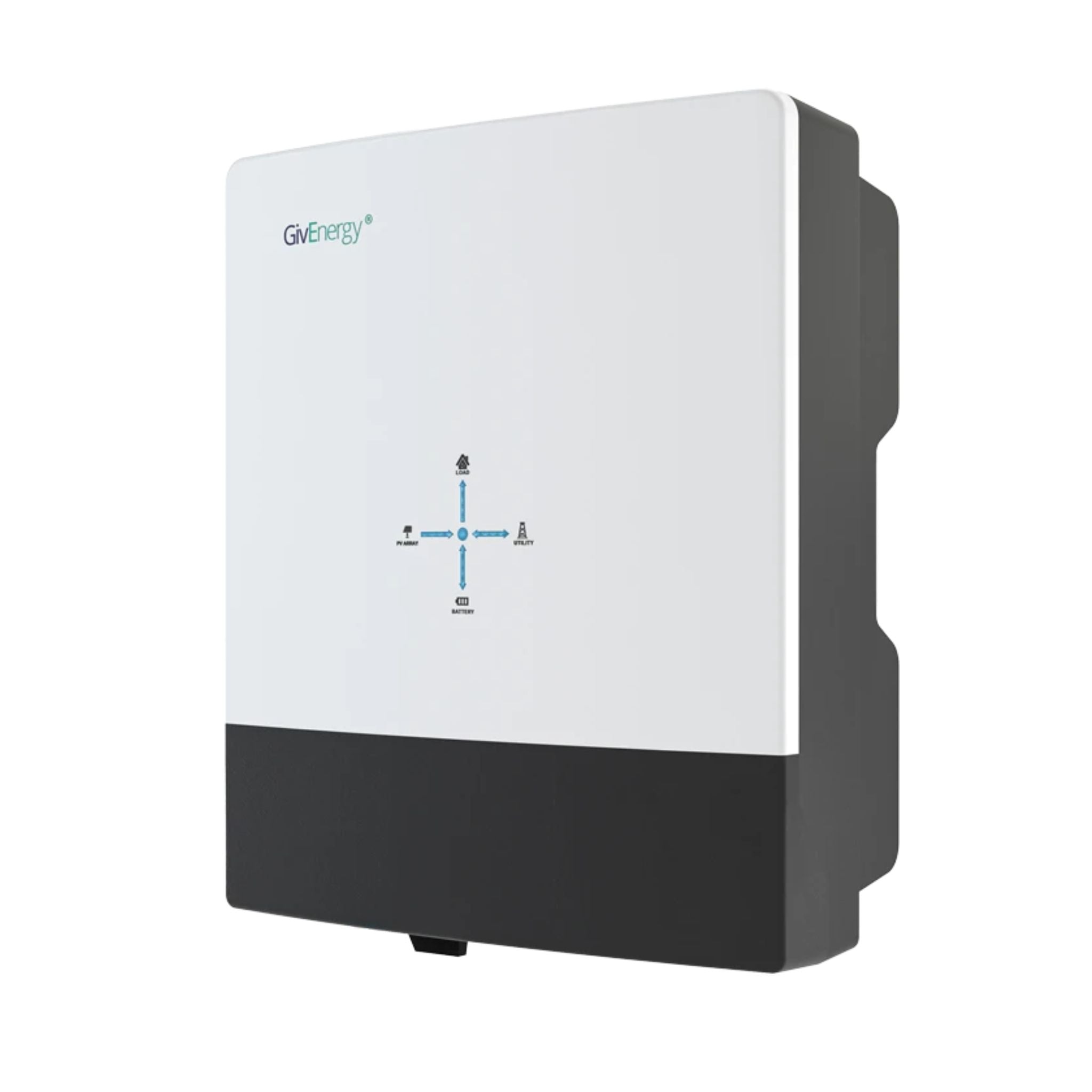
GivEnergy All-in-One 5kW Hybrid Inverter
£1,2005
7.5
2
48V
Affiliate link — we may earn a small commission at no extra cost to you
SEG vs the old Feed-in Tariff
If you installed solar before March 2019, you're probably still on the Feed-in Tariff. Don't switch. FIT rates were index-linked and guaranteed for 20–25 years. Even the lowest FIT rates are typically better than the best SEG rates.
If you're on the FIT, you cannot also claim SEG. Once your FIT term expires, you'll automatically become eligible for the SEG.
For new installations from 2020 onwards, the SEG is your only government-backed option for export payments.
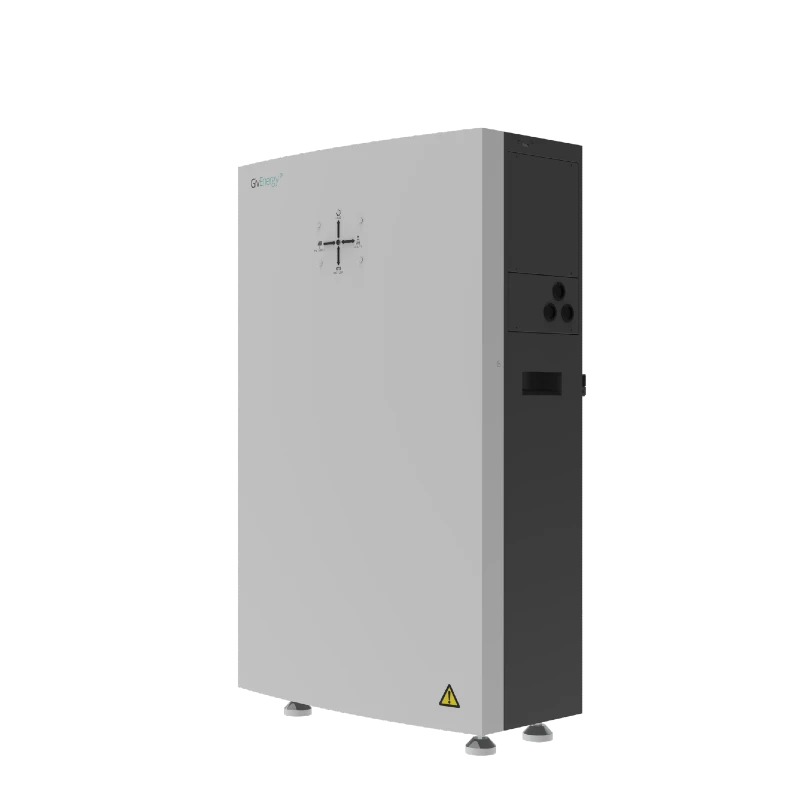
GivEnergy All-in-One 9.5kWh Battery
£5,5009.5
8.6
LFP
6000
Affiliate link — we may earn a small commission at no extra cost to you
Common SEG questions
Can I get SEG with a DIY solar installation?
No. The system must be installed by an MCS-certified installer, and you need the MCS certificate to apply. DIY installations don't qualify.
Do I need to pay for a smart meter?
No. Smart meters are provided free of charge by your energy supplier. If your supplier tries to charge you, report them to Ofgem.
What if my smart meter doesn't send readings?
This is a common issue with SMETS1 meters that have been switched between suppliers. If your meter isn't communicating, contact your supplier. You may need a SMETS2 upgrade. Without actual readings, you can't receive SEG payments.
Can I combine SEG with a battery?
Absolutely. There's no rule against it. You store what you need, export the rest, and get paid for the exports. Some tariffs like Octopus Flux are specifically designed for solar-plus-battery setups.
Making the most of your exports
The SEG is a useful income stream, but it shouldn't be the primary reason you install solar. The real savings come from self-consumption — using your own electricity instead of buying from the grid.
That said, here's how to maximise your SEG returns:
- Shop around annually — SEG rates change. Review your options at least once a year.
- Consider a time-of-use export tariff — if you have a battery, the ability to export at peak times can nearly double your per-kWh rate.
- Right-size your system — a system that's slightly oversized for your daytime needs will export more, but only if you're getting a decent export rate.
- Stack with import tariffs — the real magic happens when you combine a cheap import tariff (like Octopus Go) with a good export rate. Buy at 5.5p overnight, export at 15p or more.
The SEG isn't glamorous compared to the old FIT, but it's a real, tangible income stream. Combined with self-consumption savings and the right tariff, solar remains one of the best investments a UK homeowner can make.
Self-consumption vs export
See how adding a battery shifts your solar from export to self-use. Based on a typical 4 kW system (9 x 450W panels) generating 4,200 kWh/yr.
Self-used
1,680 kWh
Worth ~£412/yr
Exported
2,520 kWh
Earns ~£302/yr
Self-consumed electricity saves you the full import rate (24.5p/kWh). Exported electricity earns only the export rate (12p/kWh) — less than half. That is why batteries make such a difference.
Share this article

OVO has carefully selected trusted teams across the UK to install solar panels and heat pumps. Enjoy the personal touch of a local expert with the peace of mind of a household name.
Affiliate link — we may earn a small commission at no extra cost to you
Stay informed
Get free solar updates direct to your inbox
Related reading

How Much Do Solar Panels Cost in the UK in 2026?
Realistic UK solar panel costs broken down by system size, installation, and what actually affects the price you'll be quoted.
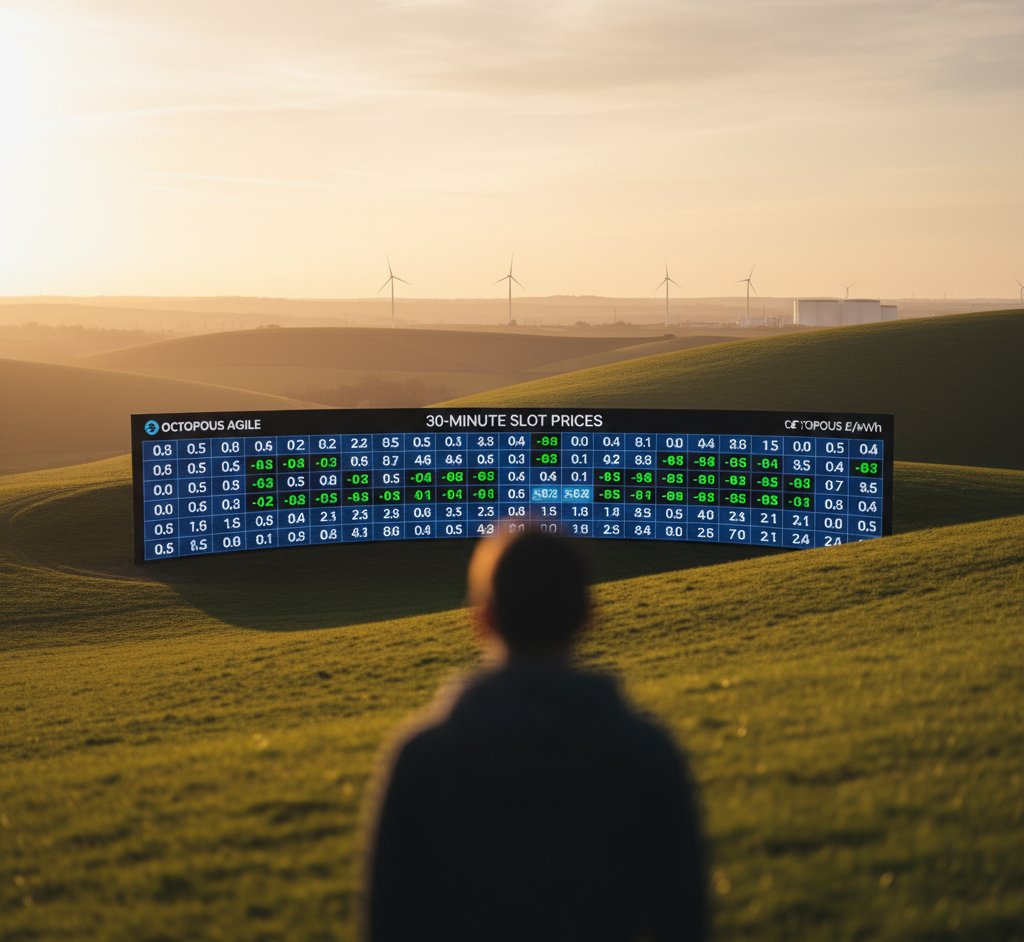
Octopus Agile Tariff: Is It Worth It with Solar?
A detailed look at the Octopus Agile tariff for UK solar households — how half-hourly pricing works, real savings potential, and who should avoid it.
Agile Outgoing: Getting Paid More for Export
How Octopus Agile Outgoing works for UK solar exports — variable rates, peak export strategy, and how to maximise your income from surplus solar.


Switch to Octopus Energy
Get 50 credit when you switch. We get 50 too — win-win.
What does this mean for YOUR home?
Design your perfect solar setup in under 3 minutes. Free, no sign-up required.
Build Your Solar System