This page contains affiliate links. If you purchase through them we may earn a small commission at no extra cost to you. Learn more
Battery Storage vs Solar Diverter: Which Is Better Value?

If your solar panels are generating more electricity than you use during the day, there are two main ways to capture that surplus rather than export it at a low rate: a battery or a solar diverter. They are not really in competition -- they do different things -- but if you are deciding where to spend first, understanding the difference in cost and payback is essential.
What is a solar diverter?
A solar diverter (also called an immersion diverter or solar iBoost) is a device that monitors your home's electricity flow and, when it detects surplus solar generation going to the grid, redirects it to heat your hot water via an immersion heater. Instead of exporting 2kWh at a low SEG rate, those kilowatt-hours heat your water, effectively replacing gas or electricity you would otherwise have paid for.
Popular models in the UK include the myEnergi Eddi and the Marlec iBoost+. The Eddi integrates with myEnergi's Zappi EV charger ecosystem; the iBoost+ is a standalone unit.
A diverter is only useful if you have a hot water cylinder with an immersion heater. Combi boiler households without a cylinder cannot use one. If you have a heat pump or a direct-electric hot water system, you may already have this functionality built in.
What does a diverter cost?
A solar diverter installed by a competent electrician typically costs:
- Unit cost: £150--400 for the diverter itself
- Installation: £100--200 for a straightforward fit
- Total installed: roughly £250--600
Both the Eddi and the iBoost+ qualify for 0% VAT when supply-and-fitted as part of an energy-saving installation, making them meaningfully cheaper than they were before 2022.
What is the diverter payback period?
The payback depends on how much surplus solar you have and what you currently pay to heat your water. A typical household with a 4--5kWp system and a cylinder might divert 500--1,200kWh per year to hot water. At current electricity or gas rates, that replaces meaningful expenditure.
With a well-sited system and a gas boiler as the comparison, payback of 1--3 years is realistic. That makes a diverter one of the fastest-payback solar add-ons available.
What is a home battery?
A home battery stores surplus solar electricity in chemical form and releases it as electricity later -- during the evening, overnight, or whenever you need it. Unlike a diverter, a battery can power any load in your home: lights, the TV, the kettle, an EV charger.
Home batteries in the UK typically range from 5kWh to 15kWh of usable capacity. Common systems include GivEnergy, SunSynk, Solis, and Victron-based setups, among others.
What does a battery cost?
Home battery costs vary significantly by brand, size, and complexity of installation. Using current data:
- 5kWh battery installed: roughly £3,000--4,500
- 10kWh battery installed: roughly £4,500--6,500
These figures include the battery unit, inverter or hybrid inverter if needed, installation labour, and any necessary electrical work. They do not include scaffolding, which adds cost if your existing solar setup requires it.
Like diverters, batteries installed as part of an energy-saving package qualify for 0% VAT until March 2027.
What is the battery payback period?
Battery payback is longer than a diverter -- typically 6--12 years for a straightforwardly installed system, though this can shorten if you are on a time-of-use tariff and using the battery for grid arbitrage as well as solar storage.
The payback depends on:
- How much surplus solar you currently export (and what SEG rate you earn)
- What you pay per kWh for evening electricity from the grid
- Whether you use the battery for grid arbitrage (charging cheap, using expensive)
- Battery size relative to your actual daily surplus
A household with a large system (6kWp+), high evening electricity use, and a time-of-use tariff will see faster payback than a household with a small system and a flat-rate tariff.
When a diverter is the better first purchase
A diverter tends to make more sense when:
- You have a hot water cylinder -- without one, a diverter does not apply
- Your surplus is modest -- if you are generating 1--3kWh of surplus most days, a diverter captures a meaningful fraction of it very efficiently
- Your budget is tight -- at £250--600, a diverter is a fraction of the cost of a battery
- You heat water with gas -- every kWh diverted to the cylinder is a kWh of gas you do not buy, at a favourable effective rate
- You want a fast payback -- if cash is limited and you want the strongest near-term return, a diverter wins on payback period
When a battery makes more sense
A battery tends to make more sense when:
- Your surplus is large -- systems of 5kWp or more often generate more surplus than an immersion can absorb, and a battery captures the rest
- You have an EV -- a battery can buffer solar surplus and overnight grid charging in a way a diverter cannot
- You are on a time-of-use tariff -- Go, Flux, or Agile tariffs reward battery owners who can shift grid import to off-peak hours, independent of solar
- You want to be grid-independent in evenings -- a battery lets you power any load, not just your hot water
- Your household uses lots of electricity in the evening -- the battery's flexibility pays off most where the difference between your daytime surplus and your evening demand is largest
The best approach: diverter first, battery later
For many households with a hot water cylinder, the most financially rational path is:
- Install a diverter first -- capture surplus at minimal cost, achieve fast payback
- Add a battery later -- once the diverter has paid for itself, a battery adds a second layer of storage for everything else
The two devices complement each other. A battery focuses on electrical loads; a diverter focuses on thermal storage. Running both in parallel is the most efficient way to use your solar surplus. Some modern systems (like the myEnergi ecosystem with Eddi and Zappi) even let them coordinate intelligently.
Both qualify for 0% VAT until March 2027
Solar diverters and home batteries both qualify for zero-rated VAT when supply-and-fitted in a residential property under current HMRC rules -- a saving of 20% compared to the standard rate. This applies until at least March 2027. If you are planning either purchase, it is worth acting within this window.
Summary
A solar diverter and a home battery are not really in competition -- they are complementary tools that capture different kinds of surplus. If you have a cylinder and want the fastest payback, a diverter is a compelling first step. If you have a large system, an EV, or a time-of-use tariff, a battery delivers more flexibility and long-term value. For many households, the ideal answer is both -- in that order.
Share this article

OVO has carefully selected trusted teams across the UK to install solar panels and heat pumps. Enjoy the personal touch of a local expert with the peace of mind of a household name.
Affiliate link — we may earn a small commission at no extra cost to you
Stay informed
Get free solar updates direct to your inbox
Related reading
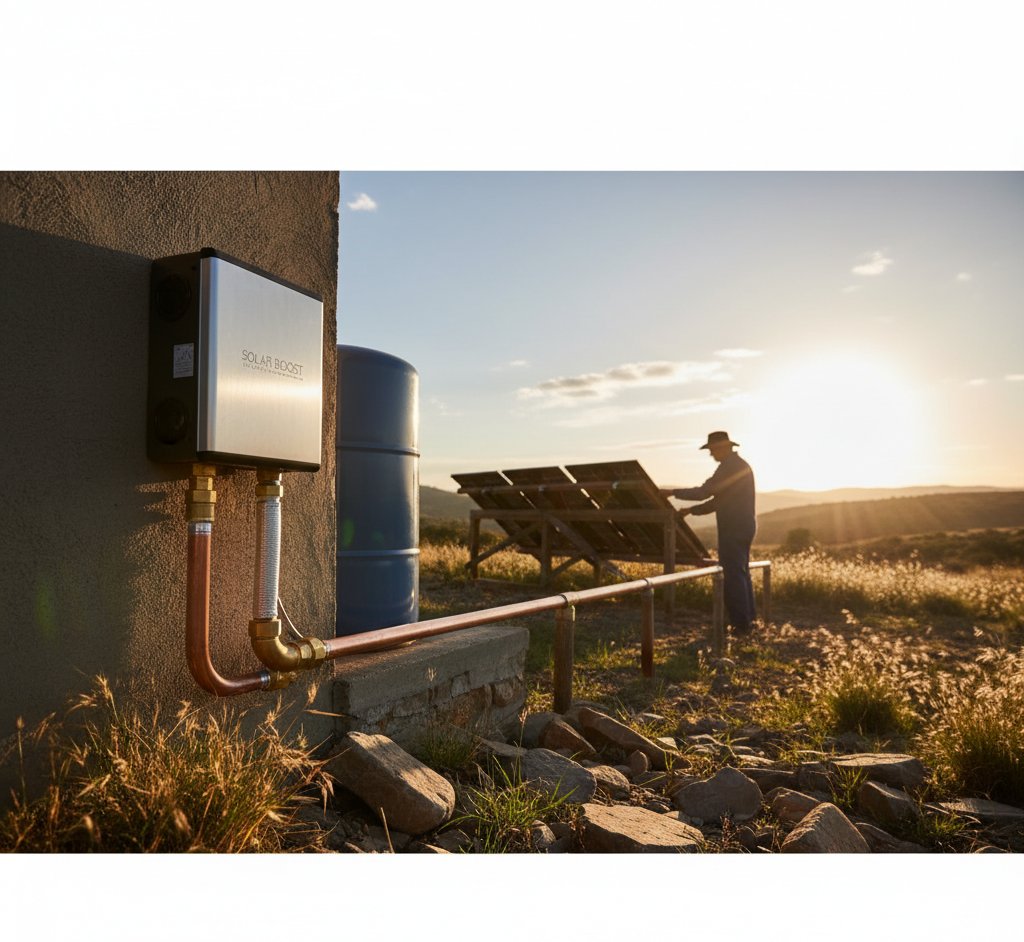
Solar Diverters: Sending Surplus Power to Hot Water
Solar diverters send surplus electricity to your immersion heater for free hot water. How they work, top products, costs, and whether they're worth it.
Battery Storage Payback: Is It Worth the Extra Cost?
Honest analysis of battery storage payback in the UK. When batteries pay for themselves, when they don't, and the factors that change the calculation.
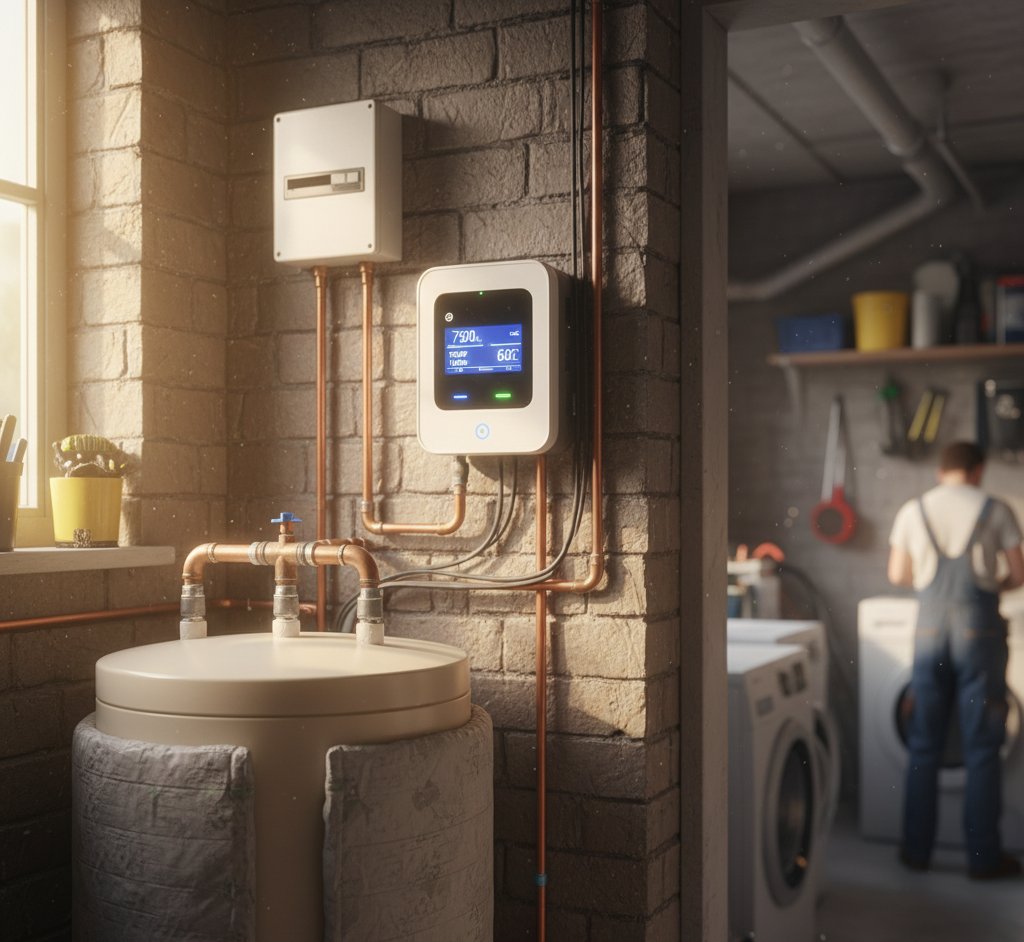
iBoost vs Eddi: Which Solar Diverter Is Better?
A head-to-head comparison of the Solar iBoost+ and Myenergi Eddi solar hot water diverters — features, costs, performance, and which suits your setup.


Switch to Octopus Energy
Get 50 credit when you switch. We get 50 too — win-win.
What does this mean for YOUR home?
Design your perfect solar setup in under 3 minutes. Free, no sign-up required.
Build Your Solar System