This page contains affiliate links. If you purchase through them we may earn a small commission at no extra cost to you. Learn more
iBoost vs Eddi: Which Solar Diverter Is Better?
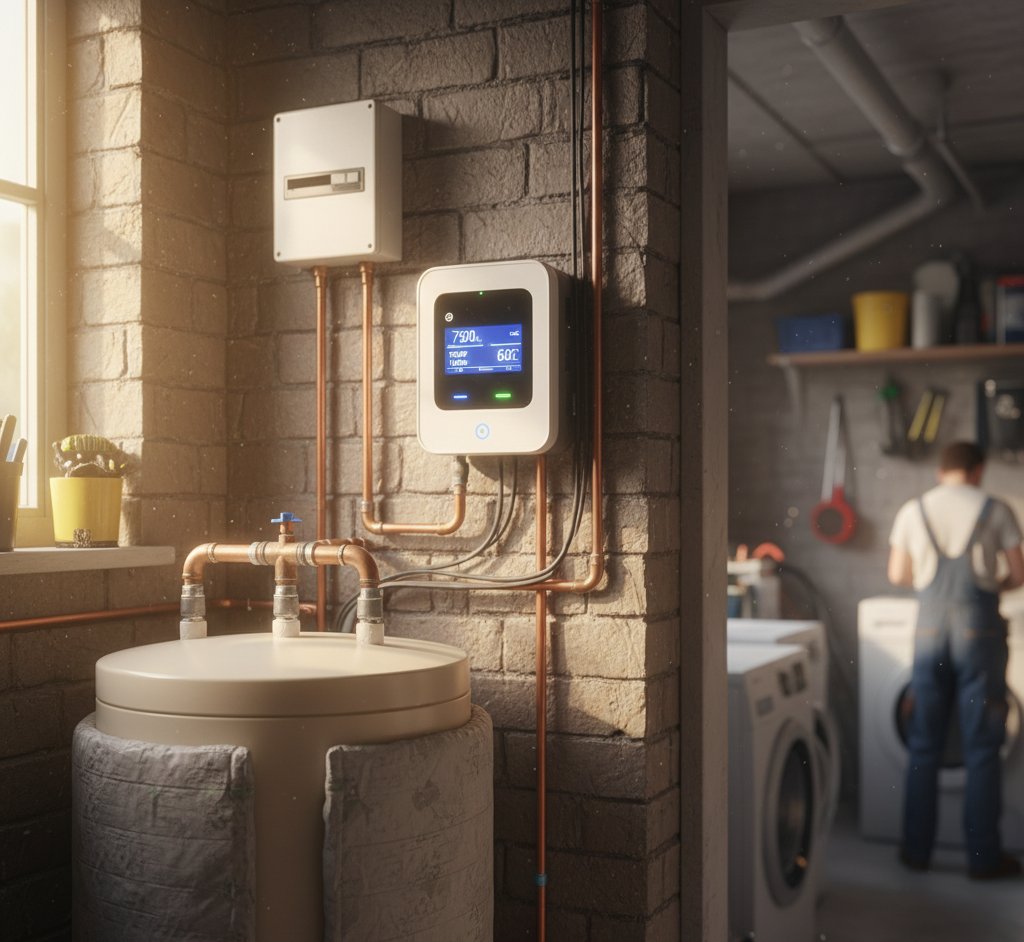
The two main solar diverters in the UK
If you have solar panels and a hot water cylinder, diverting surplus solar to your immersion heater is one of the simplest and most cost-effective upgrades you can make. Two products dominate this market:
- Solar iBoost+ by Marlec — the original solar diverter, established and widely installed
- Myenergi Eddi — the newer competitor, part of the Myenergi smart energy ecosystem
Both do fundamentally the same thing: detect surplus solar generation and redirect it to your immersion heater instead of exporting it to the grid. But they differ in how they do it, what extras they offer, and how much they cost.
Head-to-head comparison
| Feature | Solar iBoost+ | Myenergi Eddi |
|---|---|---|
| Price (unit only) | £300–£380 | £400–£500 |
| Installed cost | £450–£650 | £550–£800 |
| Power control | PWM with some modulation | Full proportional (phase-angle) |
| Max power | 3kW | 3.6kW |
| Number of heater outputs | 1 | 2 (with priority) |
| Wireless sender | Yes (clamp-on) | CT clamp (wired or wireless) |
| App/smart features | Basic (via Buddy display) | Full app via Myenergi Hub |
| Ecosystem integration | Standalone | Zappi, Libbi, Harvi |
| Boost timer | Yes | Yes (manual and scheduled) |
| Display unit | Wireless Buddy display included | On-unit display + app |
Power control: the technical difference
This is the most important technical distinction between the two products.
iBoost+ power control: The iBoost+ uses pulse-width modulation (PWM) to control power to the immersion heater. It switches the heater on and off rapidly, varying the ratio of on-time to off-time to approximate different power levels. Recent versions have improved, but the control is less smooth than the Eddi's approach.
Eddi power control: The Eddi uses phase-angle control — it adjusts the voltage waveform delivered to the immersion heater, providing truly proportional output. If there's 800W of surplus, the Eddi delivers approximately 800W. This smoother control means less flicker on your electricity supply and more precise matching of available surplus.
In practice: Both work well enough. The Eddi's smoother control is technically superior, but most users wouldn't notice the difference in daily use. The hot water gets heated either way.
The CT clamp placement matters for both
Both devices rely on accurate surplus detection. The CT clamp (iBoost+ calls it a "wireless sender") must be positioned correctly on your main supply cable — after the consumer unit but before any circuits. Incorrect placement means the diverter can't accurately measure surplus, leading to grid imports during diversion or missed surplus.
The Myenergi ecosystem advantage
The Eddi's biggest selling point over the iBoost+ isn't its power control — it's the ecosystem.
If you have (or plan to get) a Myenergi Zappi EV charger, the Eddi integrates seamlessly:
- Shared CT clamp — one sensor measures surplus for both devices
- Priority management — you choose whether EV charging or hot water gets surplus first
- Combined monitoring — see both devices in the Myenergi app
- Coordinated control — the two devices don't compete for the same surplus
If you have a Zappi and an iBoost+, they operate independently. Each has its own sensor and they can't coordinate, potentially competing for the same surplus solar and causing unnecessary grid imports.
This ecosystem integration is the decisive factor for many buyers. If you're planning a Zappi now or in the future, the Eddi is the logical choice for your hot water diversion.
iBoost+ advantages
The iBoost+ has its own strengths:
Price: £100–£150 cheaper is significant for a product that fundamentally does the same core job. If you don't need Myenergi ecosystem integration, the iBoost+ offers excellent value.
Simplicity: The iBoost+ is a simpler product to install and configure. The wireless sender clips onto the cable without hardwiring, and the Buddy display shows clear, straightforward information about diversion performance.
Proven track record: The iBoost+ has been on the market longer and has thousands of installations across the UK. It's well-understood by installers and has a solid reliability record.
Standalone operation: If you don't have or want a Myenergi Hub, the iBoost+ works fully out of the box with its included wireless display. The Eddi works without a Hub too, but loses app connectivity and remote features.
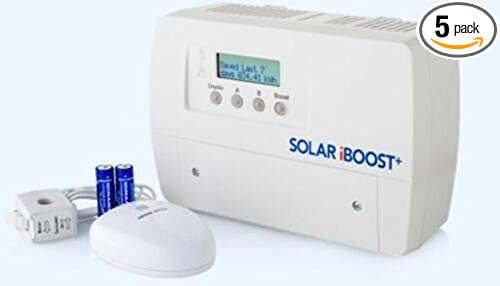
Solar iBoost+ Immersion Heater Controller
£1503000
auto_divert,manual_boost
1
true
Affiliate link — we may earn a small commission at no extra cost to you
Savings comparison
Both devices save roughly the same amount — the savings come from the solar diversion itself, not the specific hardware:
Typical annual savings (4kWp solar system):
- Solar surplus diverted to hot water: 1,200–1,800 kWh/year
- Value per kWh (grid rate minus lost export): ~13p (25p import avoided minus 12p export lost)
- Annual saving: £156–£234
The Eddi's smoother power control might capture marginally more surplus in edge cases (low surplus levels where the iBoost+ might not activate), but the difference is perhaps 5–10% at most.
Payback comparison:
- iBoost+ at £550 installed: pays back in 1.5–2.5 years
- Eddi at £700 installed: pays back in 2–3 years
Both are excellent investments. The iBoost+ has a slight edge on pure payback due to its lower cost.
Which should you buy?
Choose the iBoost+ if:
- You want the cheapest effective solar diverter
- You don't have or plan a Myenergi Zappi
- You prefer a simple, proven product
- You don't need two-heater priority management
- Budget is your primary concern
Choose the Eddi if:
- You have or plan to get a Myenergi Zappi EV charger
- You want two-heater priority control (e.g., hot water + towel rail)
- You value app monitoring and smart features
- You want the most precise power control available
- You're building a Myenergi ecosystem for whole-home energy management
Don't forget the hot water cylinder requirement
Both products require a hot water cylinder with an immersion heater element. If you have a combi boiler with no stored hot water, neither product will work without significant plumbing modifications. Check your setup before buying.
If you're also considering a battery alongside your diverter, these are popular options:
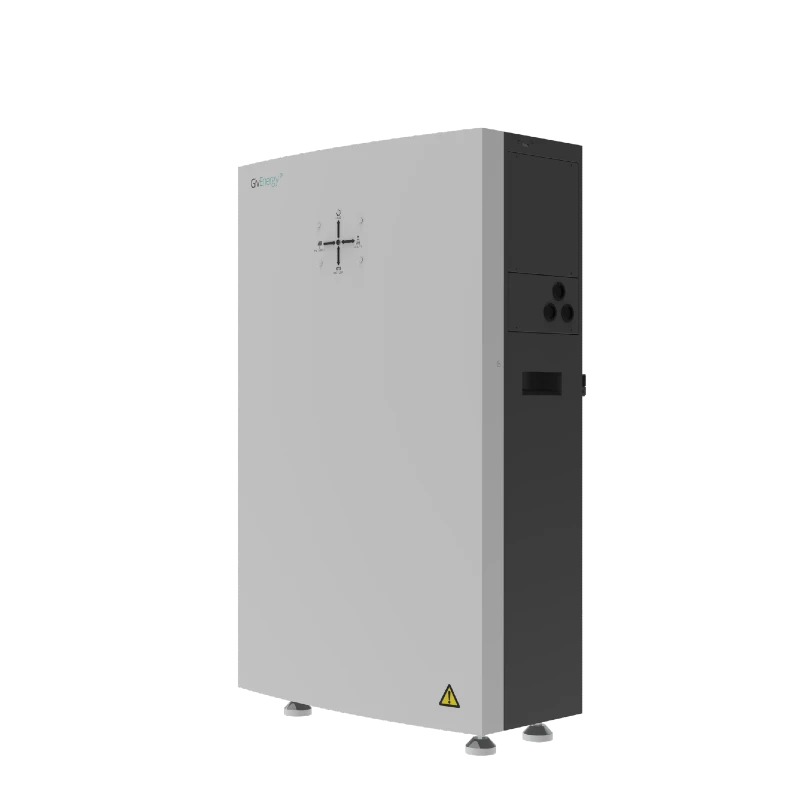
GivEnergy All-in-One 9.5kWh Battery
£5,5009.5
8.6
LFP
6000
Affiliate link — we may earn a small commission at no extra cost to you
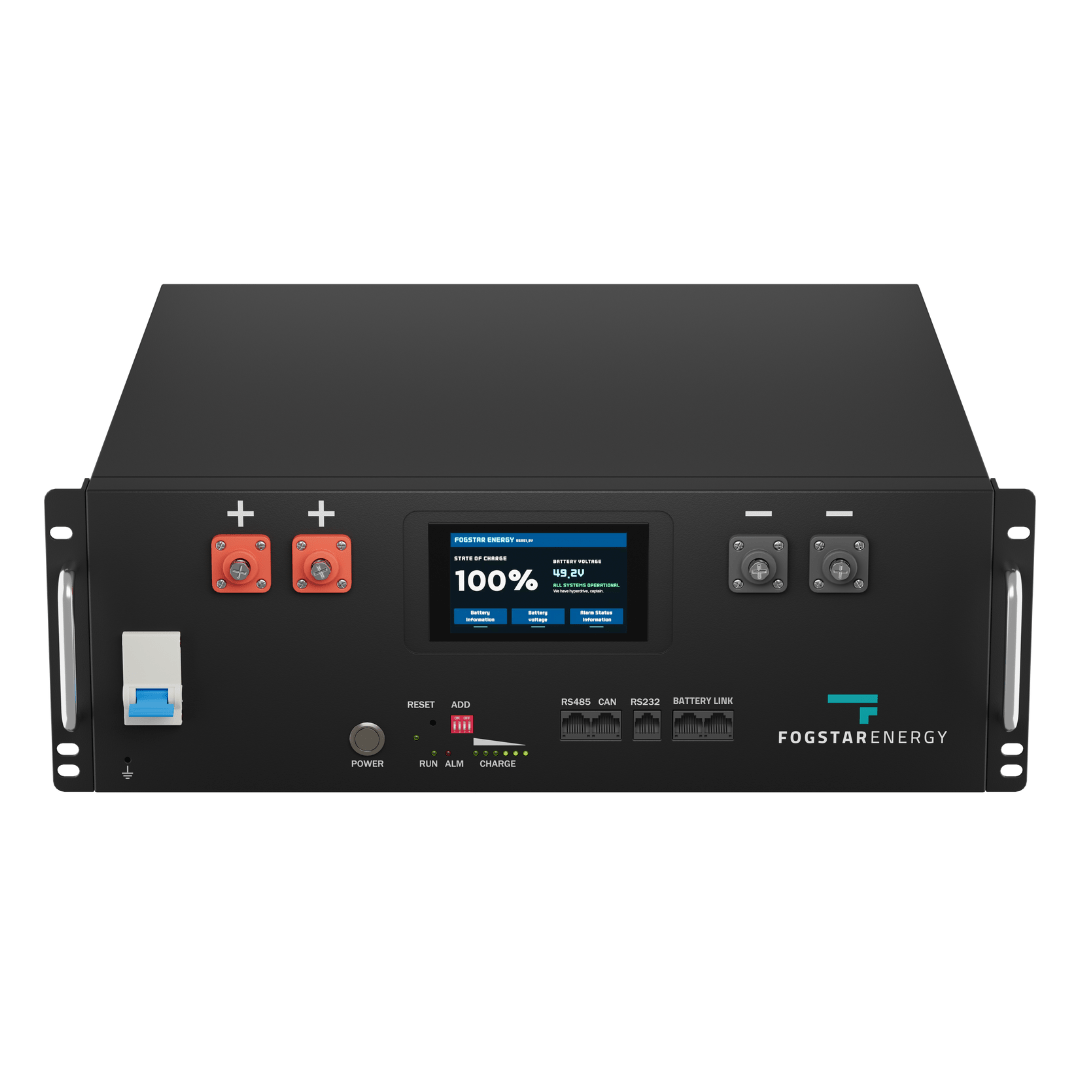
Fogstar Drift 5.12kWh LiFePO4 Battery
£1,5005.12
5
LFP
6000
Affiliate link — we may earn a small commission at no extra cost to you
Can you use either with a battery?
Yes, both work alongside a solar battery. The typical priority order is:
- Self-consumption — solar powers your home directly
- Battery charging — surplus fills the battery
- Hot water diversion — once the battery is full, remaining surplus heats your water
- Grid export — anything left exports for SEG payment
In practice, during summer when solar is abundant, there's usually enough surplus for both the battery and the hot water. In winter, the battery may absorb all available surplus, leaving little for the diverter.
The Eddi works well with most battery systems because it monitors net grid flow — if the battery is charging and consuming surplus, the Eddi sees reduced surplus and reduces its own consumption accordingly. The iBoost+ does the same via its wireless sender.
Installation considerations
Both products should be installed by a qualified electrician. Key considerations:
- Proximity to the cylinder: Shorter cable runs reduce installation cost
- CT clamp position: Critical for accurate surplus detection
- Immersion heater element: Standard 3kW elements work with both; the Eddi supports up to 3.6kW
- Existing timer controls: If you have a mechanical immersion timer, it should be bypassed or removed so the diverter has full control
- Consumer unit space: The Eddi may need a dedicated MCB (circuit breaker) in your consumer unit
Most installations take 2–3 hours and are straightforward for experienced electricians.
Share this article

Leading UK provider of electric car charging cables and EV accessories. Cables for all UK and EU models, with fast delivery and expert support.
Affiliate link — we may earn a small commission at no extra cost to you
Stay informed
Get free solar updates direct to your inbox
Related reading
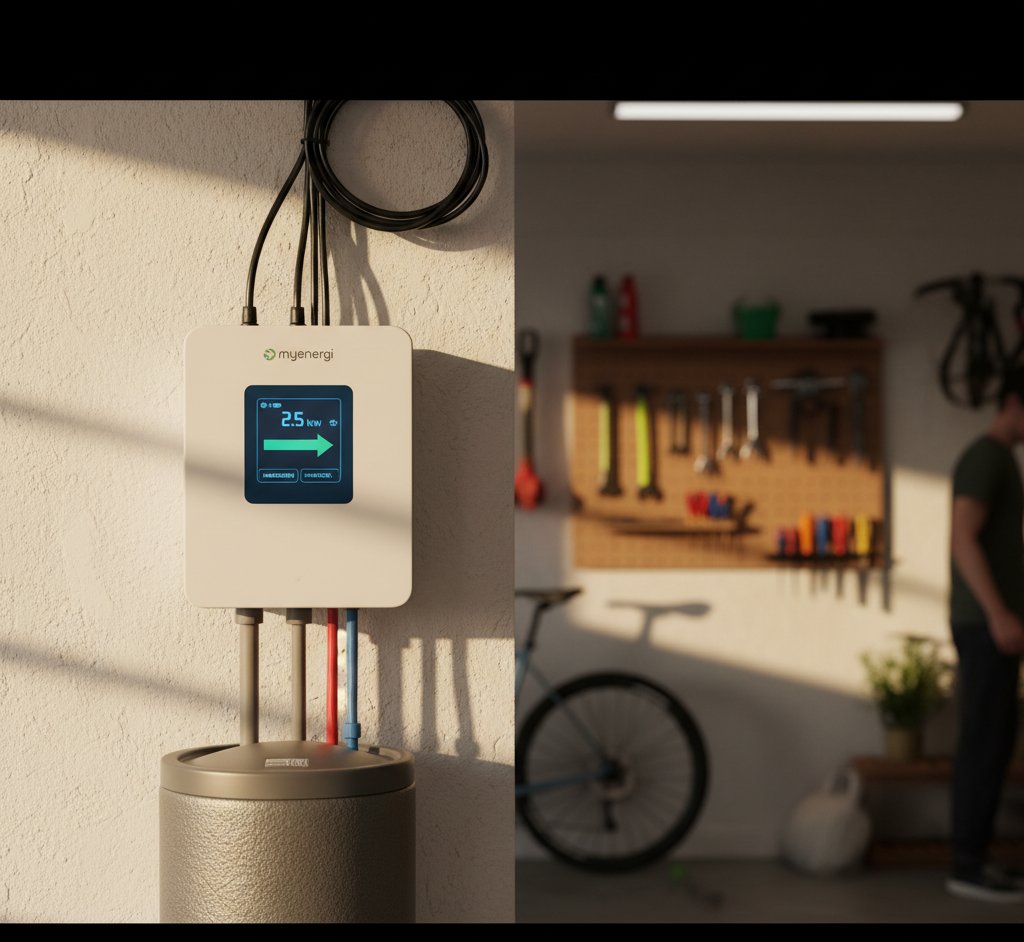
Myenergi Eddi: Solar Hot Water Diverter
Full review of the Myenergi Eddi solar hot water diverter — how it works, installation costs, savings potential, and how it compares to the iBoost.
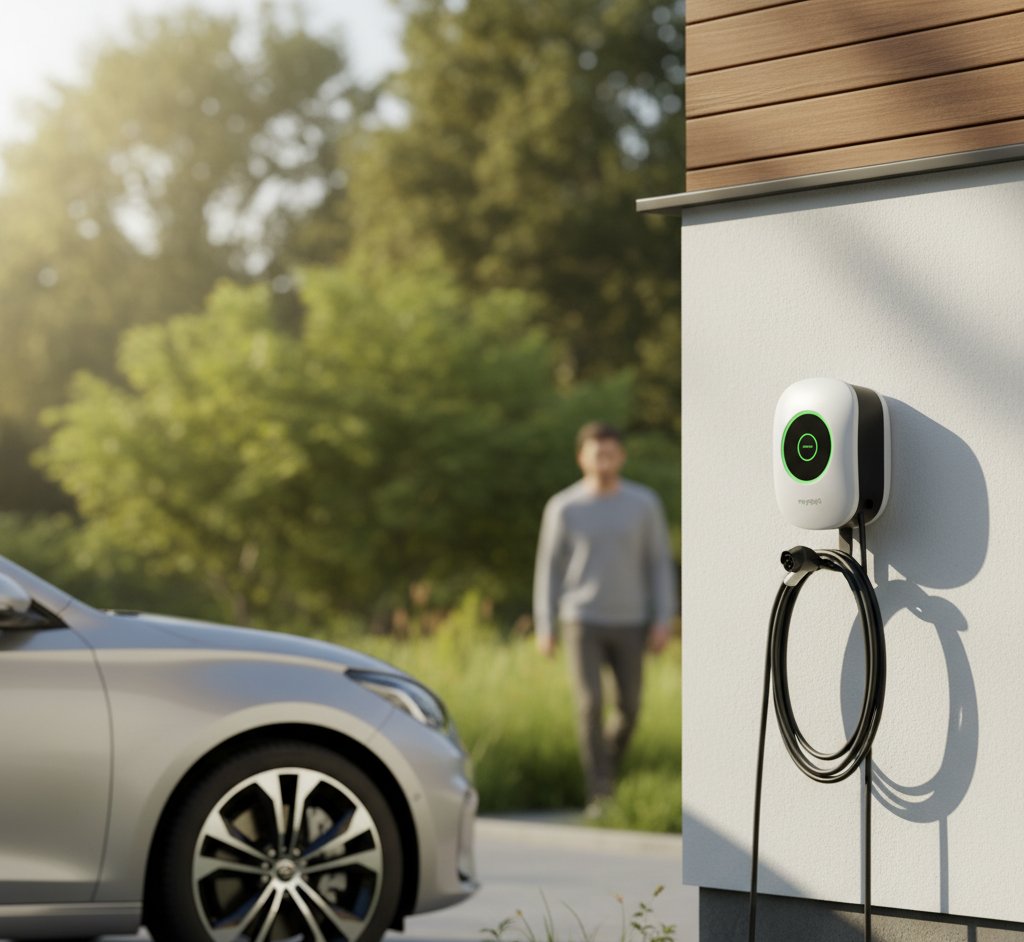
Myenergi Zappi: The Solar EV Charger
In-depth review of the Myenergi Zappi EV charger for UK solar homes — solar charging modes, installation, costs, and how it compares to standard chargers.
Solar Battery Storage: Complete UK Guide 2026
Everything you need to know about adding battery storage to a UK solar installation — types, sizing, costs, and which products are worth considering in 2026.

Switch to Octopus Energy
Get 50 credit when you switch. We get 50 too — win-win.
What does this mean for YOUR home?
Design your perfect solar setup in under 3 minutes. Free, no sign-up required.
Build Your Solar System