This page contains affiliate links. If you purchase through them we may earn a small commission at no extra cost to you. Learn more
Battery Storage Payback: Is It Worth the Extra Cost?

Adding battery storage to a solar system typically costs £2,500–£6,000. The question most people ask is simple: does it pay back? The honest answer is more nuanced than the solar industry usually admits.
The Basic Battery Payback Calculation
A battery saves you money by shifting solar electricity from daytime export (low value) to evening self-consumption (high value). The saving per kWh shifted is the "spread" between your import rate and export rate.
Example with typical 2026 rates:
- Import rate: 26p/kWh
- SEG export rate: 12p/kWh
- Spread: 14p per kWh shifted
A 5 kWh usable battery cycling once per day shifts roughly 5 kWh:
- Daily saving: 5 × 14p = 70p
- Annual saving: 70p × 365 = £256
But wait — the battery doesn't cycle fully every day. In winter, there may not be enough solar generation to fill it. Realistically:
- Summer (Apr–Sep): Full cycle most days — ~180 days
- Winter (Oct–Mar): Partial or no cycle — ~60 effective full cycles
- Effective annual cycles: ~240
Realistic annual saving: 240 × 70p = £168
On a battery costing £3,000, that's a payback of 17.9 years — well beyond the typical 10-year warranty.
This is the uncomfortable truth about batteries on standard flat-rate tariffs. The maths often doesn't work purely on solar shifting.
What Changes the Battery Payback
Time-of-Use Tariffs
This is the game-changer. Tariffs like Octopus Flux, Agile, and Intelligent offer different prices at different times of day. A battery lets you:
- Buy cheap overnight electricity (e.g., 7p/kWh on Flux) and use it during peak hours
- Export at premium rates during peak windows (e.g., 25p/kWh on Flux 4–7pm)
- Store solar for peak export instead of exporting at flat SEG rates
With Octopus Flux in 2026:
| Revenue Stream | Daily Value | Annual Value |
|---|---|---|
| Overnight buy (7p) → peak use (saves 26p) | 5 kWh × 19p = 95p | £347 |
| Solar stored → peak export (25p vs 12p flat) | 3 kWh × 13p = 39p | £142 |
| Total battery value | ~£489 |
On a £3,000 battery, that's a 6.1-year payback. Now we're talking.
Tariff Arbitrage Is the Key
The single biggest factor in battery payback is your electricity tariff. A battery on a flat-rate tariff saves £150–£250/year. The same battery on Octopus Flux or similar time-of-use tariff saves £400–£600/year. If you're getting a battery, switching to a time-of-use tariff is almost essential for the financial case to work.
Battery Size
| Battery Size | Typical Cost | Annual Saving (Flat Rate) | Annual Saving (ToU Tariff) | Payback (Flat) | Payback (ToU) |
|---|---|---|---|---|---|
| 3 kWh | £2,000 | £110 | £300 | 18 yrs | 6.7 yrs |
| 5 kWh | £3,000 | £170 | £490 | 17.6 yrs | 6.1 yrs |
| 10 kWh | £5,000 | £250 | £720 | 20 yrs | 6.9 yrs |
| 15 kWh | £7,000 | £300 | £850 | 23 yrs | 8.2 yrs |
The 5 kWh sweet spot shows clearly — large enough to be useful, small enough to cycle efficiently. Very large batteries (10 kWh+) have worse payback because they often can't fully cycle daily, especially in winter.
Electricity Price Rises
If electricity prices increase by 5% per year (historically reasonable), the value of each kWh your battery shifts increases proportionally. Over a 10-year battery life:
- Starting saving of £170/year (flat rate) grows to £277/year by year 10
- Cumulative saving over 10 years: £2,130 (versus £1,700 at flat prices)
This makes the financial case look better, but it's speculative — prices could also fall.
Battery Payback Compared to Solar-Only

Here's the complete picture:
| Configuration | Total Cost | Annual Benefit | Payback | 25-Year Return |
|---|---|---|---|---|
| 4 kW solar only | £6,750 | £659 | 10.2 yrs | £15,300 |
| 4 kW solar + 5 kWh battery (flat rate) | £9,750 | £829 | 11.8 yrs | £17,800 |
| 4 kW solar + 5 kWh battery (ToU tariff) | £9,750 | £1,149 | 8.5 yrs | £25,200 |
The battery adds cost and extends the overall system payback on flat-rate tariffs. But on time-of-use tariffs, the battery actually improves the payback of the entire system.
Battery Lifespan Matters
Most home batteries are warranted for 10 years or a certain number of cycles (typically 6,000–10,000). After the warranty period, the battery will still work but at reduced capacity. Factor in that you may need to replace the battery once during the 25-year life of your solar panels. Budget £2,000–£3,000 for a replacement at year 10–12. Battery costs are expected to fall, so future replacement should be cheaper.

When a Battery Is Worth It
Financially strong case:
- You're on or willing to switch to a time-of-use tariff (Octopus Flux, Agile, Intelligent)
- You use significant electricity in the evening (4–10pm)
- You have a 4kW+ solar system generating more than you use during the day
- You want to participate in grid services or free electricity sessions
Financially marginal case:
- You're on a flat-rate tariff and don't want to switch
- Your solar system is small (2–3 kW) and doesn't generate much surplus
- You're already home during the day and self-consume most generation
Non-financial reasons that tip the balance:
- Power cut resilience (some batteries provide backup power)
- Energy independence and reducing grid reliance
- Environmental motivation — maximising use of your own clean electricity
- EPC improvement — batteries add extra SAP points
The Honest Summary
On flat-rate tariffs in 2026, batteries are borderline financially. The payback is typically 12–18 years, which is close to or beyond the warranty life. You're not losing money, but you're not making a strong return either.
On time-of-use tariffs, the picture transforms. Batteries can pay back in 5–8 years and generate significant ongoing savings. If you're willing to engage with tariff optimisation (or automate it with tools like Predbat), a battery becomes a genuinely good financial investment.
For many buyers, the decision comes down to this: are you willing to switch to a time-of-use tariff? If yes, the battery pays for itself. If no, consider whether the non-financial benefits justify the extra cost.
Here's the battery with the best balance of cost, capacity, and payback for most UK households:
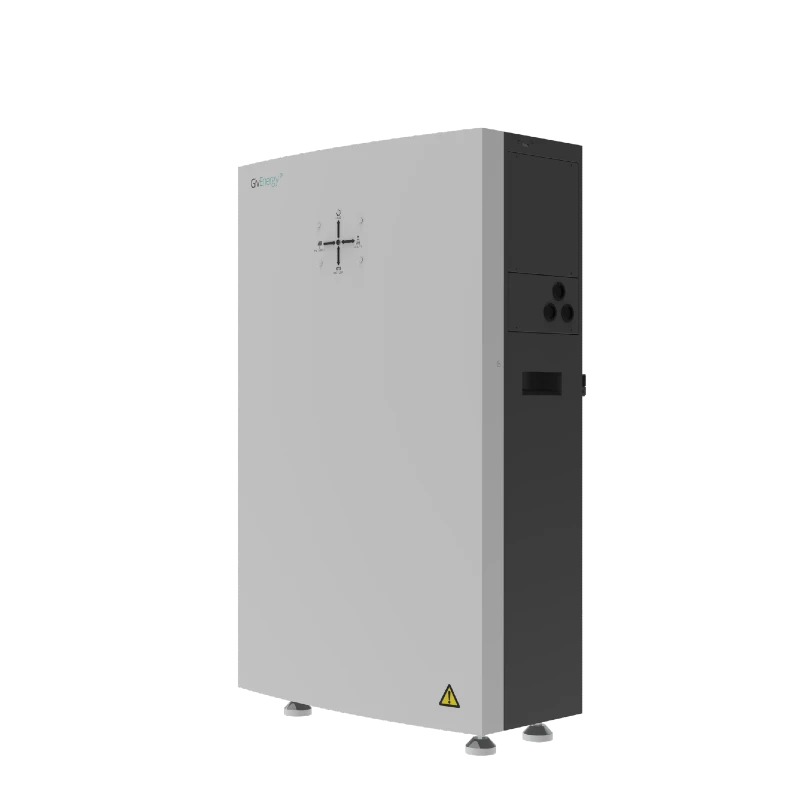
GivEnergy All-in-One 9.5kWh Battery
£5,5009.5
8.6
LFP
6000
Affiliate link — we may earn a small commission at no extra cost to you
For the premium professional install option with the best software integration for tariff optimisation:
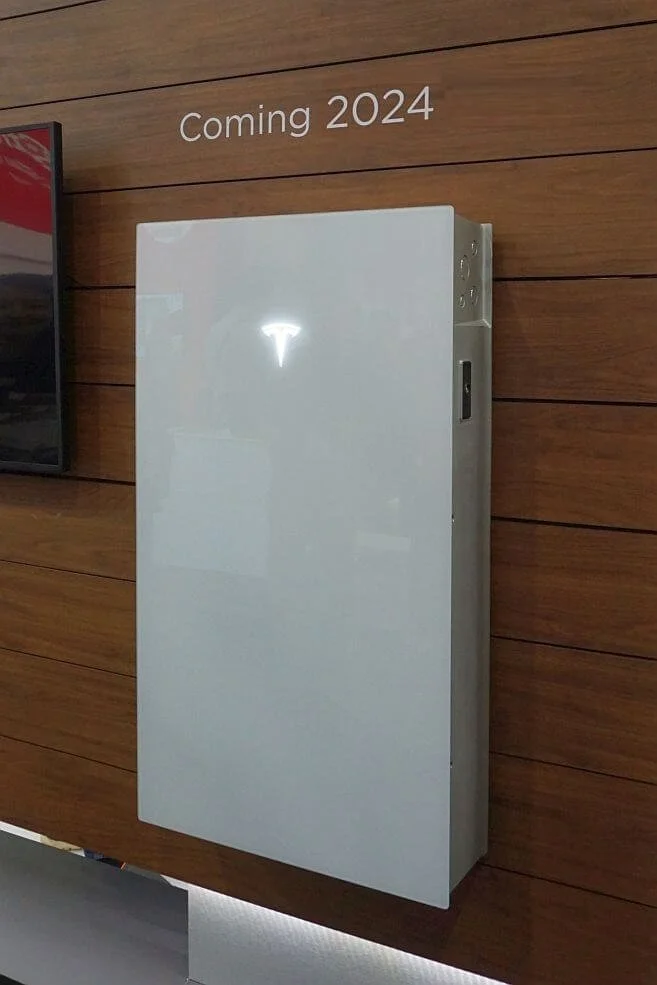
Tesla Powerwall 3
£8,50013.5
13.5
LFP
4000
Affiliate link — we may earn a small commission at no extra cost to you
For details on specific battery products, see our battery storage guide.
Share this article

OVO has carefully selected trusted teams across the UK to install solar panels and heat pumps. Enjoy the personal touch of a local expert with the peace of mind of a household name.
Affiliate link — we may earn a small commission at no extra cost to you
Stay informed
Get free solar updates direct to your inbox
Related reading
Solar Battery Storage: Complete UK Guide 2026
Everything you need to know about adding battery storage to a UK solar installation — types, sizing, costs, and which products are worth considering in 2026.

Solar Panel Payback Calculator UK
Calculate your solar panel payback period in the UK. Understand the real factors that determine how quickly solar pays for itself — with worked examples.

Solar ROI by System Size: 3kW vs 4kW vs 5kW vs 6kW
Compare the return on investment for 3kW, 4kW, 5kW, and 6kW solar panel systems in the UK. Which system size gives the best financial return for your home?


Switch to Octopus Energy
Get 50 credit when you switch. We get 50 too — win-win.
What does this mean for YOUR home?
Design your perfect solar setup in under 3 minutes. Free, no sign-up required.
Build Your Solar System