This page contains affiliate links. If you purchase through them we may earn a small commission at no extra cost to you. Learn more
Energy Independence: What Percentage Can Solar Achieve?
Defining energy independence
Energy independence (or self-sufficiency) means the percentage of your total electricity consumption that comes from your own generation rather than the grid. If you use 3,500 kWh/year and your solar system provides 2,500 kWh of that, your self-sufficiency rate is 71%.
This is different from self-consumption rate, which measures what percentage of your solar generation you use yourself (rather than exporting). You can have high self-consumption but low self-sufficiency if your system is small, or vice versa.
Both metrics matter, but most people asking about "energy independence" want to know: how much of my electricity bill can solar eliminate?
Self-sufficiency by system configuration
Solar panels only (no battery)
A typical 4kW system generates 3,500–4,000 kWh/year — roughly matching an average UK household's consumption. But timing is everything:
- You generate during the day, consume during the evening
- Summer generates far more than needed; winter far less
- Without storage, you export surplus and import when dark
Self-sufficiency: 25–40% depending on how much you're home during the day.
People who work from home or have high daytime loads (retired couples, families with young children) achieve the higher end. Those who commute and use most electricity in the evening achieve the lower end.
Solar + battery
A battery bridges the day-night gap. Store surplus during the day, use it in the evening.
| Battery size | Self-sufficiency (typical) |
|---|---|
| 3–5 kWh | 45–60% |
| 5–8 kWh | 55–70% |
| 8–13 kWh | 65–80% |
| 13–20 kWh | 70–85% |
The battery makes the biggest difference in summer when surplus is abundant. In winter, even a large battery can't overcome the fundamental generation shortage.
Solar + battery + smart tariff
Charging the battery overnight from cheap grid electricity (5.5–10p/kWh) effectively extends your stored energy. While this isn't true self-sufficiency (you're still importing from the grid), it's energy cost independence — your bills are minimal.
Effective cost independence: 80–90% (in financial terms, even if some kWh come from the grid at cheap rates)
Solar + battery + diverter + smart tariff + EV
The full stack:
- Solar powers daytime loads directly
- Battery covers evening consumption
- Diverter handles hot water from surplus
- Smart tariff minimises the cost of any grid imports
- EV charges from surplus solar and cheap overnight rates
Effective self-sufficiency: 80–95% in terms of imported energy at standard rates.
Monthly self-sufficiency patterns
Self-sufficiency varies dramatically by month:
| Month | Self-sufficiency (4kW + 10kWh battery) |
|---|---|
| January | 20–30% |
| February | 30–40% |
| March | 50–65% |
| April | 70–85% |
| May | 85–95% |
| June | 90–100% |
| July | 90–100% |
| August | 85–95% |
| September | 65–80% |
| October | 40–55% |
| November | 25–35% |
| December | 15–25% |
May through August, you're essentially running your home from solar. December through February, you're heavily dependent on the grid. The annual average is somewhere in between.
This is why true off-grid is so difficult in the UK — you need to handle the winter deficit somehow, and oversizing for winter makes the summer system massively redundant.
The cost of each percentage point
Energy independence has sharply diminishing returns:
| Independence level | What it takes | Approximate cost |
|---|---|---|
| 0–30% | Solar panels only | £5,000–£7,000 |
| 30–60% | Add a battery | +£3,000–£5,000 |
| 60–80% | Larger battery + smart tariff | +£1,000–£3,000 |
| 80–90% | Diverter + oversized array + automation | +£500–£1,500 |
| 90–95% | Significantly oversized system | +£3,000–£6,000 |
| 95–100% | Massive battery bank + backup generator | +£15,000–£30,000 |
The first 60% costs roughly £8,000–£12,000. The last 10% (from 90% to 100%) could cost £15,000–£30,000. The grid connection for that final 10% is worth its standing charge many times over.
The 80% rule
Aiming for roughly 80% self-sufficiency is the sweet spot for most UK households. It's achievable with a sensible system (4–6kW solar, 8–10kWh battery), costs £10,000–£15,000, and the remaining 20% grid import at ~24.5p/kWh costs only £175/year. Spending £15,000+ to eliminate that £200/year of grid import makes no financial sense.
What about gas consumption?
True energy independence includes heating, not just electricity. For UK homes on gas central heating:
- Electricity: 3,000–4,000 kWh/year
- Gas: 8,000–15,000 kWh/year
Solar PV addresses the electricity side. To tackle gas, you'd need a heat pump (converting solar electricity to heat at 3:1 efficiency) or a dramatic reduction in heating demand (deep retrofit insulation).
Full energy independence (electricity + heating + hot water + transport) from solar alone is essentially impossible for a typical UK home. But getting close — say, 70–80% of total energy from solar + heat pump + EV — is achievable and financially sensible.
Don't let perfect be the enemy of excellent
Some people delay solar installation because they can't achieve 100% independence. This is counterproductive. A system providing 70–80% independence saves you hundreds of pounds per year from day one. The remaining grid import is cheap, reliable, and nothing to be ashamed of. The grid exists precisely for this purpose — to provide backup when your own generation falls short.
These products help maximise your energy independence:
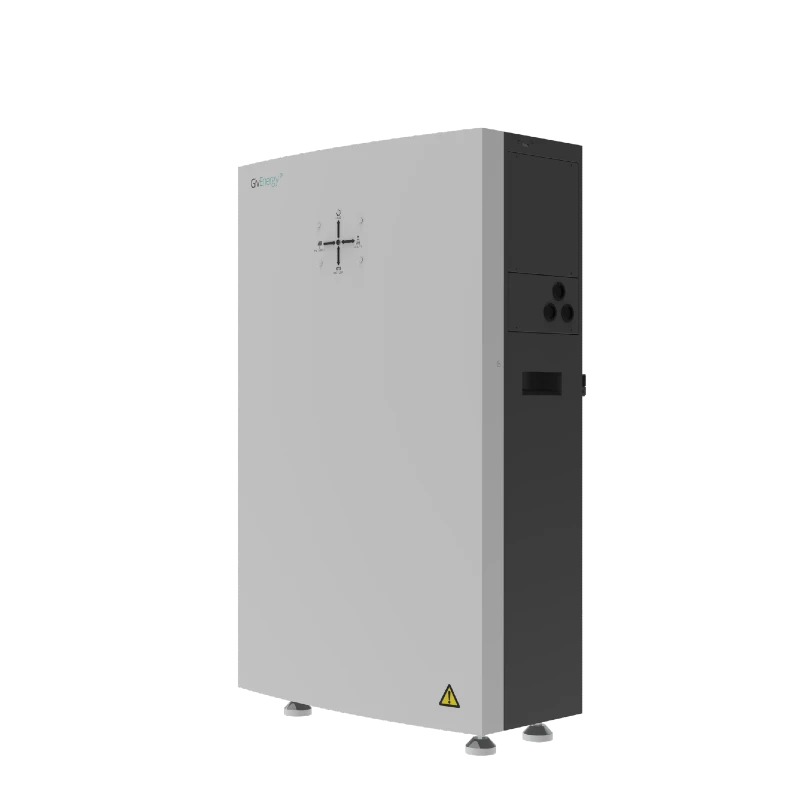
GivEnergy All-in-One 9.5kWh Battery
£5,5009.5
8.6
LFP
6000
Affiliate link — we may earn a small commission at no extra cost to you
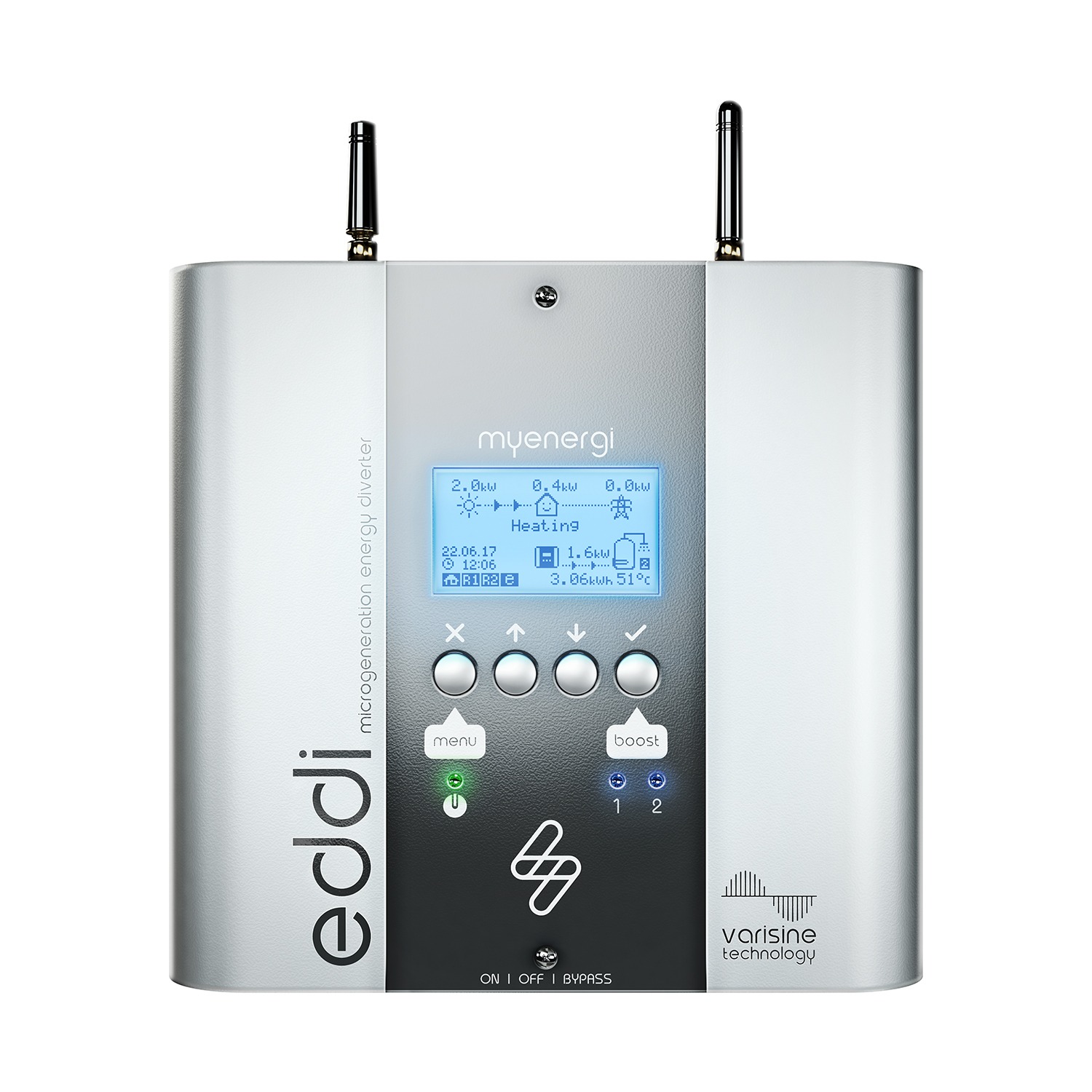
myenergi Eddi Solar Diverter
£1853000
power_divert,timed_boost
2
configurable
Affiliate link — we may earn a small commission at no extra cost to you
How to increase your independence
In order of cost-effectiveness:
- Install solar panels (if you haven't already) — biggest single impact
- Add a battery — shifts surplus from export to self-consumption
- Switch to a smart tariff — makes any remaining grid import cheaper
- Add a diverter — captures surplus that doesn't fit in the battery
- Optimise consumption timing — run dishwashers, washing machines, EV charging during solar hours
- Oversize your array — fill remaining roof space for marginal extra generation
- Increase battery capacity — especially useful with tariff arbitrage
- Consider a heat pump — if replacing your boiler, this tackles heating independence
Each step is progressively less impactful per pound spent, but each adds real value. Start at the top and work down based on your budget and priorities.
Energy independence meter
What percentage of your electricity comes from your own roof? Slide to explore.
Generated
3,600 kWh
Self-used
1,440 kWh
From grid
2,060 kWh
Grid cost
£505/yr
Share this article

OVO has carefully selected trusted teams across the UK to install solar panels and heat pumps. Enjoy the personal touch of a local expert with the peace of mind of a household name.
Affiliate link — we may earn a small commission at no extra cost to you
Stay informed
Get free solar updates direct to your inbox
Related reading
Solar Battery Storage: Complete UK Guide 2026
Everything you need to know about adding battery storage to a UK solar installation — types, sizing, costs, and which products are worth considering in 2026.

How Much Do Solar Panels Cost in the UK in 2026?
Realistic UK solar panel costs broken down by system size, installation, and what actually affects the price you'll be quoted.
Off-Grid Solar UK: Is It Actually Feasible?
Can you go completely off-grid with solar in the UK? Honest analysis of costs, battery requirements, winter challenges, and why hybrid is usually better.


Switch to Octopus Energy
Get 50 credit when you switch. We get 50 too — win-win.
What does this mean for YOUR home?
Design your perfect solar setup in under 3 minutes. Free, no sign-up required.
Build Your Solar System