This page contains affiliate links. If you purchase through them we may earn a small commission at no extra cost to you. Learn more
Off-Grid Solar UK: Is It Actually Feasible?
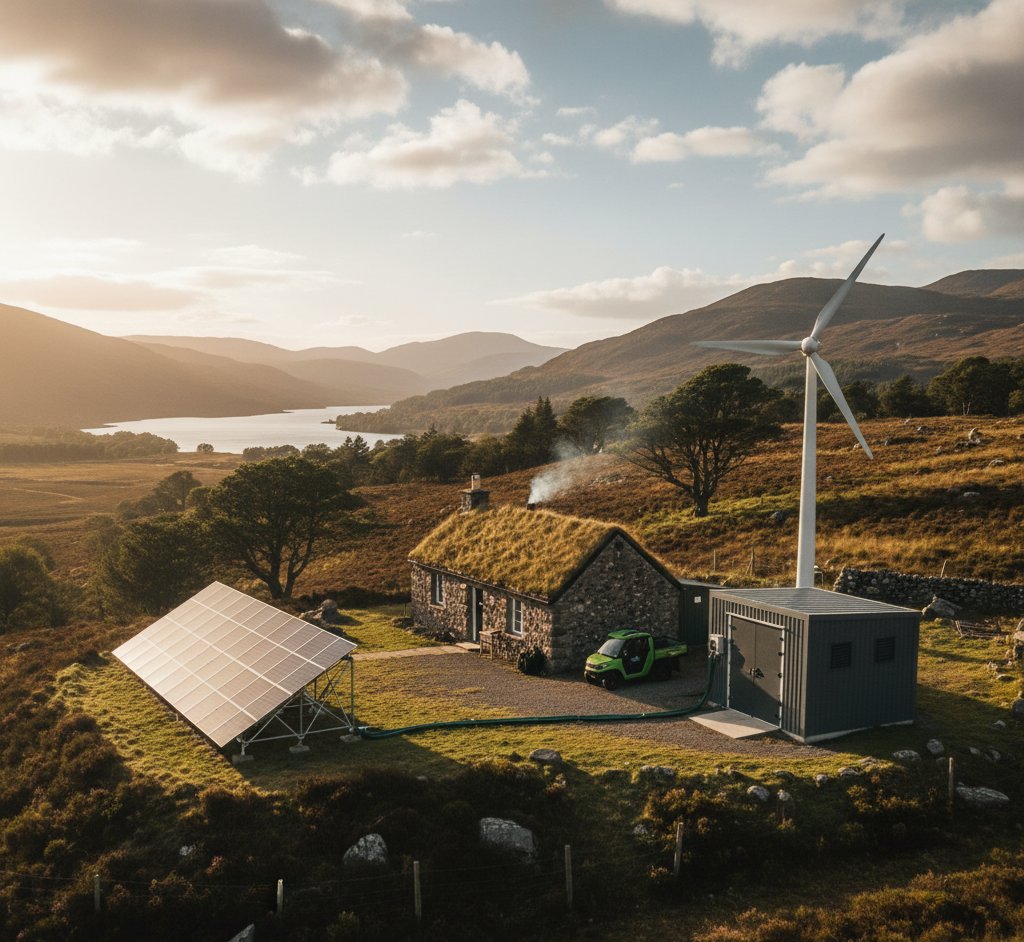
The appeal of off-grid
The idea of complete energy independence — no electricity bills, no reliance on energy companies, total self-sufficiency — is understandably attractive. With solar panels and batteries, it seems like it should be achievable.
In some parts of the world, it is. In Australia, parts of the US, and southern Europe, off-grid solar is practical and increasingly common. The UK is different, and the reasons are almost entirely about winter.
The winter problem
The UK's solar resource is dramatically seasonal:
| Month | Daily generation (4kW system, south-facing) |
|---|---|
| June | 18–22 kWh |
| July | 17–20 kWh |
| December | 2–4 kWh |
| January | 2–5 kWh |
A typical UK household uses 8–12 kWh of electricity per day. In June, a 4kW system generates twice what you need. In December, it generates one-third.
This seasonal mismatch is the fundamental barrier to off-grid solar in the UK. You either need:
- Enormous battery storage to carry energy from summer to winter (seasonal storage — currently impractical at residential scale)
- A vastly oversized solar array that generates enough even in December
- A backup generator for winter shortfalls
- Dramatically reduced winter consumption
Option 2 in detail: oversizing for winter
To generate 10 kWh/day in December, you'd need roughly 10–12kW of panels (25–30 panels). This is three times the size of a standard residential system and requires a very large, ideally multi-aspect roof.
Even then, there will be stretches of grey, short December days where even 12kW of panels produce only 3–4 kWh. A week of overcast weather could drain even a large battery.
The battery storage requirement
To bridge a 5-day cloudy spell in winter, with 10kWh daily consumption, you'd need 50kWh of battery storage — five to ten times what a typical grid-connected system uses. At current UK prices (£250–£400/kWh installed), that's £12,500–£20,000 in batteries alone.
And those batteries would cycle deeply during winter, potentially degrading faster than in a grid-connected setup where cycling is more moderate.
The maths doesn't work for most people
A grid-connected 4kW solar + 10kWh battery system costs £8,000–£14,000 and reduces your electricity bill by 60–80%. A full off-grid system achieving 100% self-sufficiency costs £30,000–£60,000+. The incremental cost for that last 20–30% of independence is staggering. For most UK households, the grid connection is an asset, not a liability.
Where off-grid actually works in the UK
Remote properties without grid connection
If your property has no existing grid connection, the cost of establishing one can be £10,000–£50,000+ depending on distance from the nearest transformer. In this case, off-grid solar + battery + generator may actually be cheaper than grid connection.
This applies to some:
- Remote rural cottages and farmhouses
- Canal boats and narrowboats
- Shepherd's huts and glamping pods
- Garden offices and workshops beyond domestic power reach
- Off-grid holiday homes
Low-consumption properties
A tiny home, cabin, or low-energy building with minimal electricity needs (LED lighting, phone charging, laptop, small fridge — perhaps 2–3 kWh/day) can operate off-grid with a modest system. The lower the consumption, the more feasible off-grid becomes.
Seasonal properties
A holiday home used mainly April to October avoids the worst of the winter deficit. A solar + battery system sized for summer use can work off-grid for seasonal properties.
The generator compromise
Many successful off-grid UK installations use solar as the primary source with a small diesel or propane generator as winter backup. The generator might run 50–100 hours per year (November to February) to bridge solar shortfalls. This hybrid approach is far more practical and affordable than sizing the solar/battery system for 100% coverage year-round. Annual generator fuel cost: £100–£300.
What a UK off-grid system looks like
For a typical 3-bed house (10kWh/day average consumption):
| Component | Specification | Cost |
|---|---|---|
| Solar panels | 10–12kW (25–30 panels) | £8,000–£12,000 |
| Off-grid inverter/charger | 5–8kW | £2,000–£4,000 |
| Battery bank | 40–60kWh | £12,000–£24,000 |
| Backup generator | 3–5kW diesel/LPG | £1,500–£3,000 |
| Balance of system | Wiring, breakers, monitoring | £2,000–£4,000 |
| Installation | Labour | £3,000–£6,000 |
| Total | £28,500–£53,000 |
Compare this to a grid-connected system:
| Component | Specification | Cost |
|---|---|---|
| Solar panels | 4kW (10 panels) | £3,000–£4,500 |
| Hybrid inverter | 3.68–5kW | £800–£1,200 |
| Battery | 10kWh | £3,000–£5,000 |
| Installation | Labour + sundries | £1,500–£3,000 |
| Total | £8,300–£13,700 |
The grid-connected system covers 70–85% of your electricity needs. The off-grid system covers 100% but costs 2–4 times more.
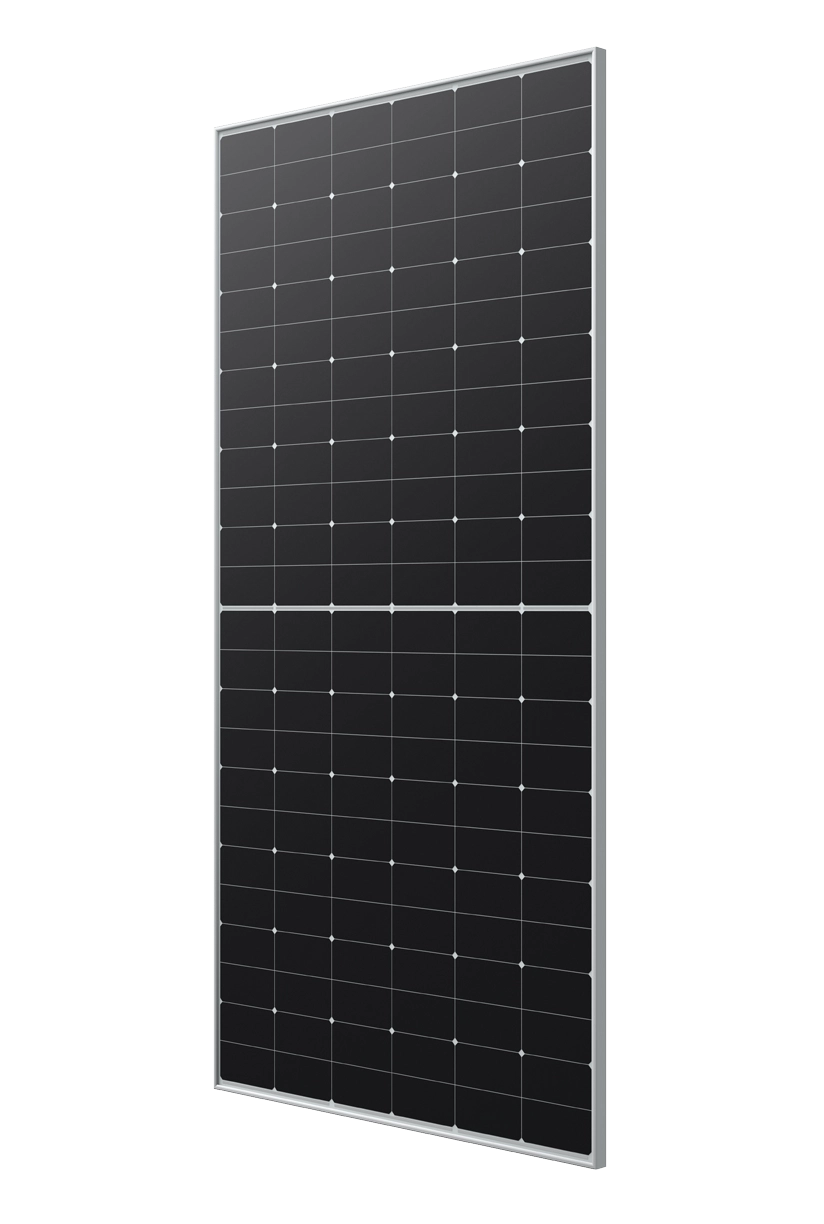
LONGi Hi-MO X6 450W
£85450
23
1722 x 1134 x 30
21.3
Affiliate link — we may earn a small commission at no extra cost to you
The hybrid alternative: maximum self-sufficiency on-grid
Instead of going off-grid, consider maximising self-consumption while staying grid-connected:
- Oversize your solar array (6–8kW instead of 4kW)
- Install a larger battery (10–15kWh)
- Add a solar diverter for hot water
- Use a smart tariff for cheap overnight grid top-ups
- Monitor and optimise your consumption patterns
This approach can achieve 80–90% energy independence at a fraction of the off-grid cost. The grid acts as your backup for the 10–20% of the year when solar alone isn't enough — and it's there for free (you're already connected).
You still pay a standing charge (~£150–£250/year) and occasional import charges, but your annual electricity cost might be £200–£400 total, versus the £30,000+ capital cost of going fully off-grid.
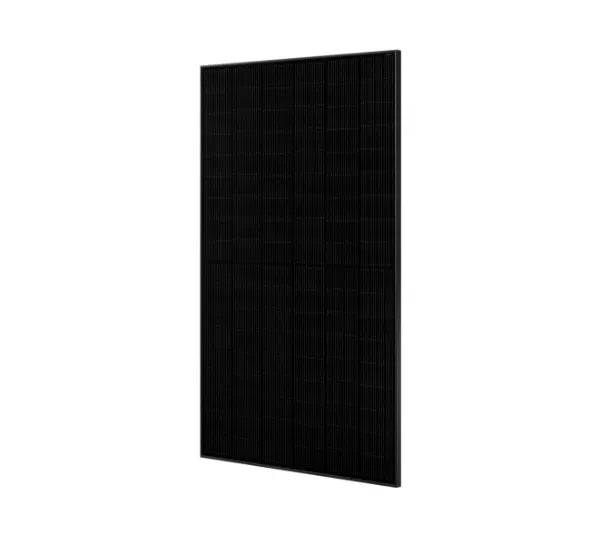
JA Solar JAM54D41 450W N-type TOPCon
£82450
22.8
1722 x 1134 x 30
21.5
Affiliate link — we may earn a small commission at no extra cost to you
Regulations for off-grid
If you do go off-grid:
- No G98/G99 application needed (you're not connected to the grid)
- No SEG income (nothing to export to)
- Building regulations still apply for electrical installations
- Your installer should still be qualified (Part P competent person)
- No MCS requirement, though quality still matters
The honest verdict
True off-grid solar in the UK is a lifestyle choice, not a financial decision. It costs more, provides less reliability, and requires ongoing management (generator maintenance, battery monitoring, consumption discipline).
For the vast majority of UK households, staying grid-connected with a well-optimised solar + battery system delivers better value, more reliability, and nearly as much independence. The grid is your safety net — use it.
Off-grid makes sense for remote properties without grid access, seasonal/holiday homes, or people with a strong philosophical commitment to self-sufficiency who accept the cost premium.
Share this article
Stay informed
Get free solar updates direct to your inbox
Related reading
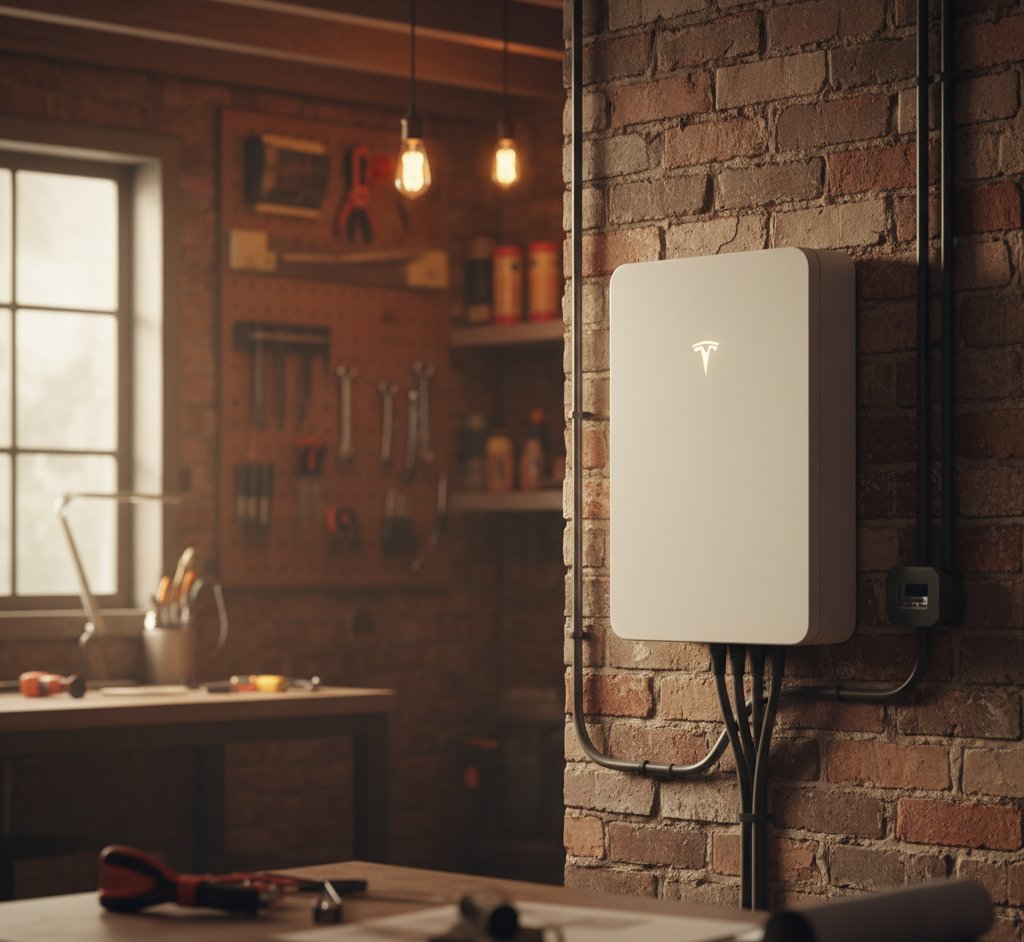
Solar Battery Storage: Complete UK Guide 2026
Everything you need to know about adding battery storage to a UK solar installation — types, sizing, costs, and which products are worth considering in 2026.
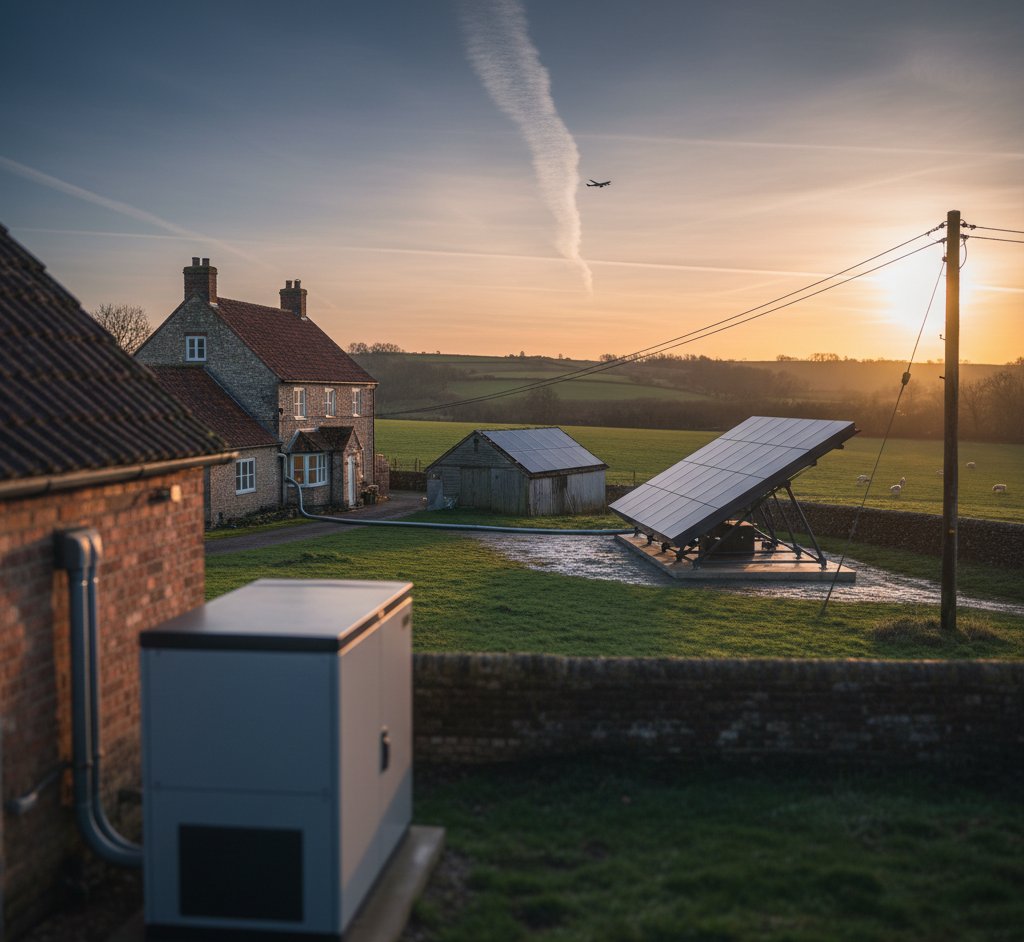
EPS and Backup Power: Will Solar Keep the Lights On?
Can your solar battery power your home during a grid outage? EPS mode explained, what it can and can't run, and how to set up backup power in the UK.
Energy Independence: What Percentage Can Solar Achieve?
How much energy independence can UK solar panels and batteries realistically achieve? Self-sufficiency percentages by system size, with and without batteries.


Switch to Octopus Energy
Get 50 credit when you switch. We get 50 too — win-win.
What does this mean for YOUR home?
Design your perfect solar setup in under 3 minutes. Free, no sign-up required.
Build Your Solar System