This page contains affiliate links. If you purchase through them we may earn a small commission at no extra cost to you. Learn more
Is My Roof Suitable for Solar Panels?
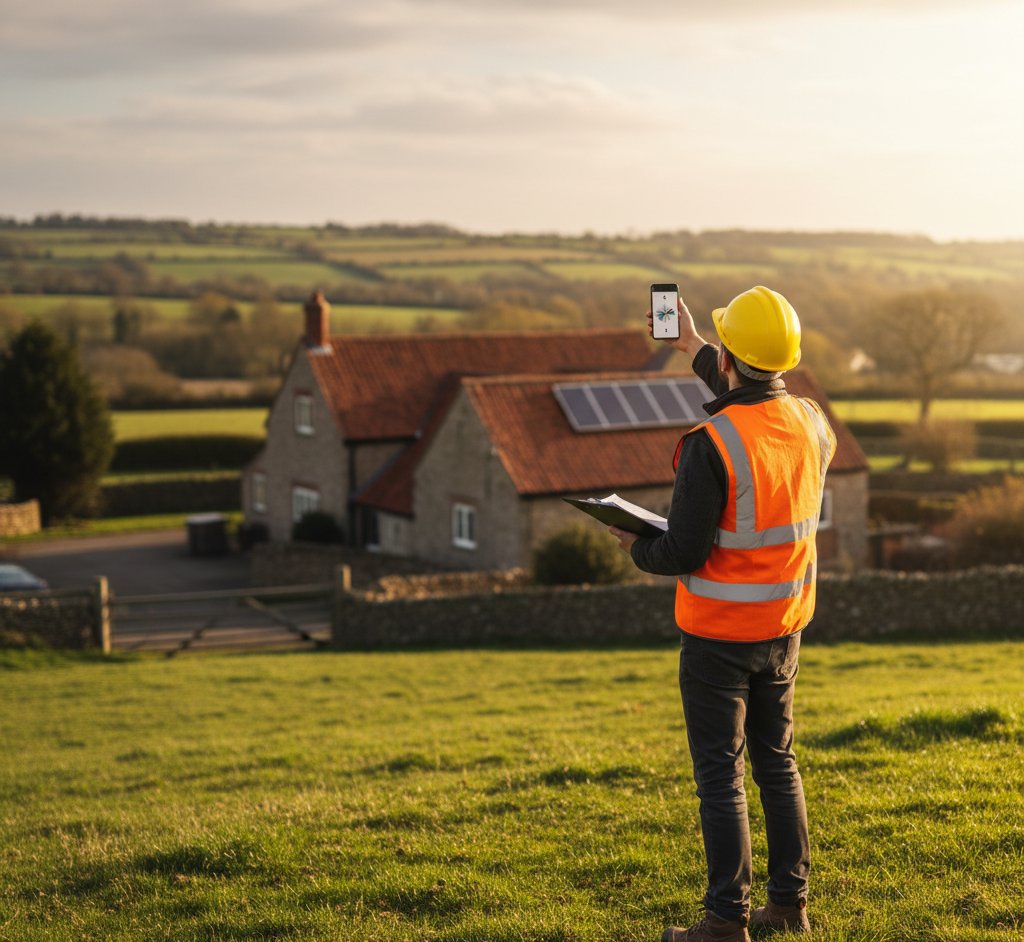
The good news is that most UK roofs can take solar panels. The less good news is that not all roofs are equally suited, and the difference in annual output between an ideal and a compromised installation can be significant. Here's how to assess your roof honestly before you start getting quotes.
Roof Direction (Orientation)
In the UK, solar panels generate the most electricity when facing due south. That said, south-east and south-west orientations are only marginally less productive — typically 5–10% less annual yield than a true south-facing roof. For most households, this difference is not significant enough to rule out installation.
Here's a rough guide to expected output relative to a south-facing roof:
| Orientation | Relative Output |
|---|---|
| South | 100% |
| South-East / South-West | 90–95% |
| East / West | 75–85% |
| North-East / North-West | 55–65% |
| North | 40–50% |
A north-facing installation is almost always a poor investment. The reduced output dramatically extends payback periods. Unless you have an east-west split array (see below), north-facing roofs are usually left empty.
Roof Angle (Pitch)
The optimal tilt angle for the UK is around 30–40 degrees. Fortunately, most standard UK pitched roofs fall naturally in this range, so you don't need to worry much about this. Installers can add tilt frames if needed, though this adds cost.
Flat roofs are discussed separately below.
Shading
This is the single biggest factor that separates a great solar installation from a mediocre one. Shading from trees, chimneys, neighbouring buildings, or even TV aerials causes disproportionate losses.
A traditional string inverter system loses significant output when even one panel is shaded, because panels in a string are affected by the weakest performer (like water through a kinked hose). On a heavily shaded roof, this can mean losing 30–40% of potential output.
There are solutions:
- Microinverters: Each panel has its own inverter. Shading one panel doesn't affect the others. Best for roofs with complex shading.
- DC optimisers: Fit to each panel and mitigate shading losses while still using a central string inverter. A middle-ground option.
- Panel placement: A good installer will model shading and position panels to minimise impact.
Before getting quotes, stand in your garden at different times of day and note what casts shadow onto your roof and when. Installers use shade analysis tools (like Solar Pathfinder or software modelling) — ask to see the shading analysis as part of your quote.
Roof Structure and Condition
Solar panels add weight to your roof — roughly 12–15 kg per panel plus mounting hardware. For a 10-panel system, you're adding around 130–150 kg distributed across the roof structure. Most standard UK timber-framed roofs handle this comfortably, but there are situations where a structural check is warranted:
- Older properties with potentially weakened rafters or purlins
- Flat roofs with waterproofing membranes (penetration and ballast loads need careful assessment)
- Roofs with signs of existing movement — sagging ridgelines, uneven tiles, etc.
- Non-standard construction — concrete tile roofs, asbestos cement roofs (installation on these requires specialist handling)
A reputable installer will assess roof condition during a site survey and flag any concerns. If they don't look in the loft, ask why.
Roof Covering Type
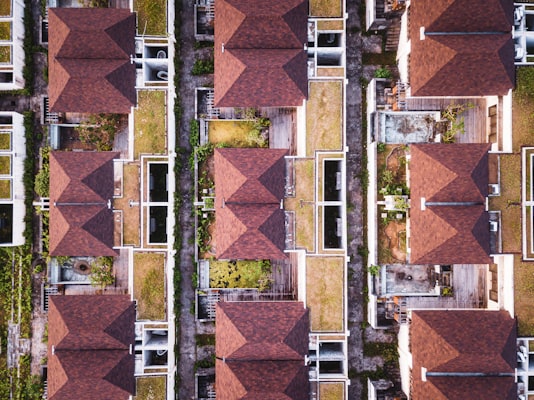
Most roof types are compatible with solar mounting systems:
- Concrete and clay interlocking tiles: Standard and straightforward
- Slate: Requires hook systems that go under individual slates. Perfectly achievable but slower to install
- Flat felt/EPDM/GRP roofs: Ballasted tray systems avoid penetrations; specialist waterproofing needed
- Metal standing seam roofs: Compatible with clip systems, no penetrations required
- Thatched roofs: Not suitable — fire risk and insurance issues
Roof Size
Rule of thumb: each 450W panel occupies about 2 square metres. A 4kW system needs roughly 18 square metres of usable roof area. Account for gaps around the edges, and that's a reasonable working estimate.
If your available roof space is limited, high-efficiency panels (22%+ efficiency) can squeeze more power into less area — worth considering if space is tight.
East-West Arrays Can Outperform a Single South-Facing Slope
If your house has a ridge running roughly north-south, giving you an east-facing and a west-facing slope, consider an east-west split array rather than putting all panels on one side. You'll generate power earlier in the morning and later in the afternoon, spreading output across more of the day. Total daily yield is slightly less than a south-facing roof, but the shape of the generation curve can better match household consumption — and you can fit more panels overall. Many installers don't suggest this proactively, so ask about it.
Flat Roofs
Flat roofs are suitable for solar — they're common on commercial buildings for exactly this reason. On a residential flat roof, panels are typically mounted on angled frames tilted to around 15–30 degrees facing south.
The frames are either ballasted (weighted down with blocks — no roof penetrations) or mechanically fixed. Ballasted systems are preferred where possible to protect the roof membrane. The additional weight of ballast needs checking against the roof's structural load capacity.
Cost is typically higher than a pitched roof installation due to the additional framing, but not dramatically so.
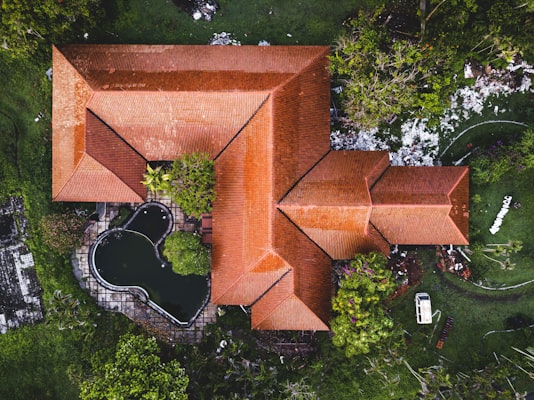
These efficient panels maximise output even on less-than-ideal roofs:
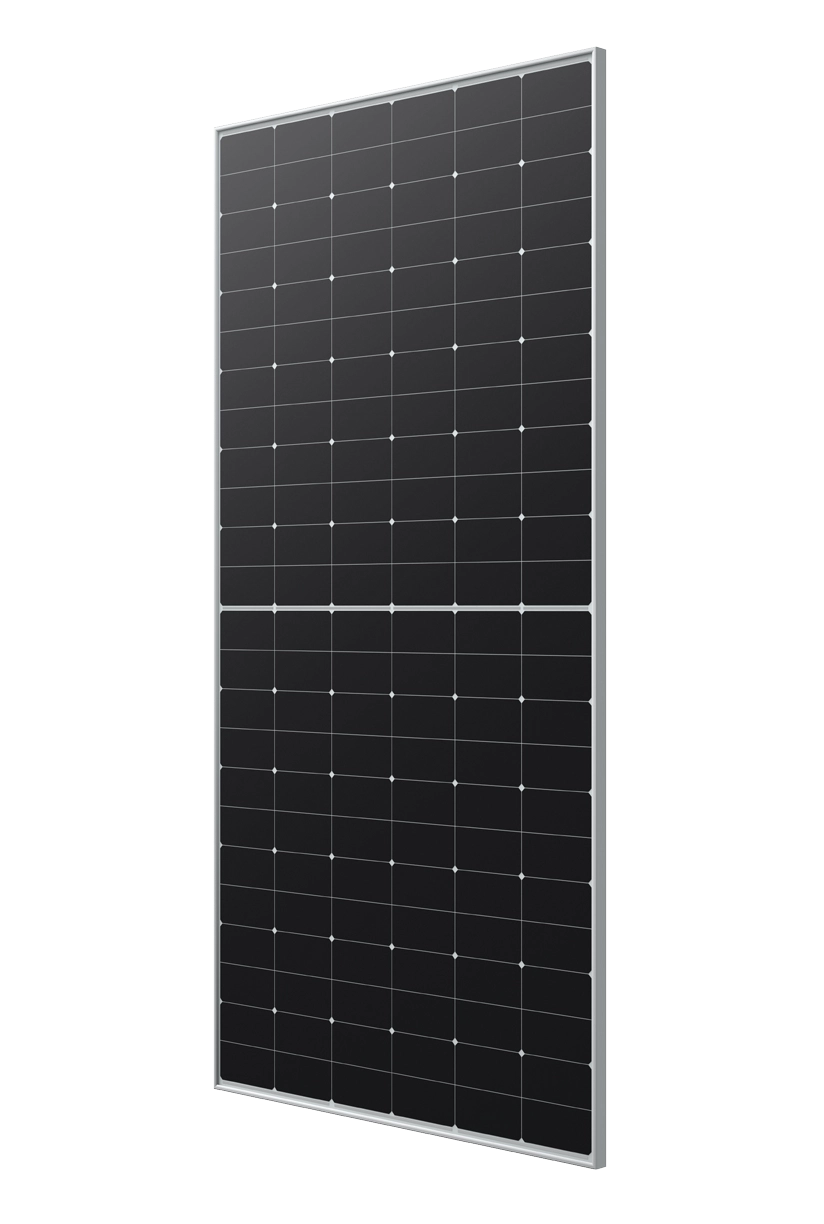
LONGi Hi-MO X6 450W
£85450
23
1722 x 1134 x 30
21.3
Affiliate link — we may earn a small commission at no extra cost to you
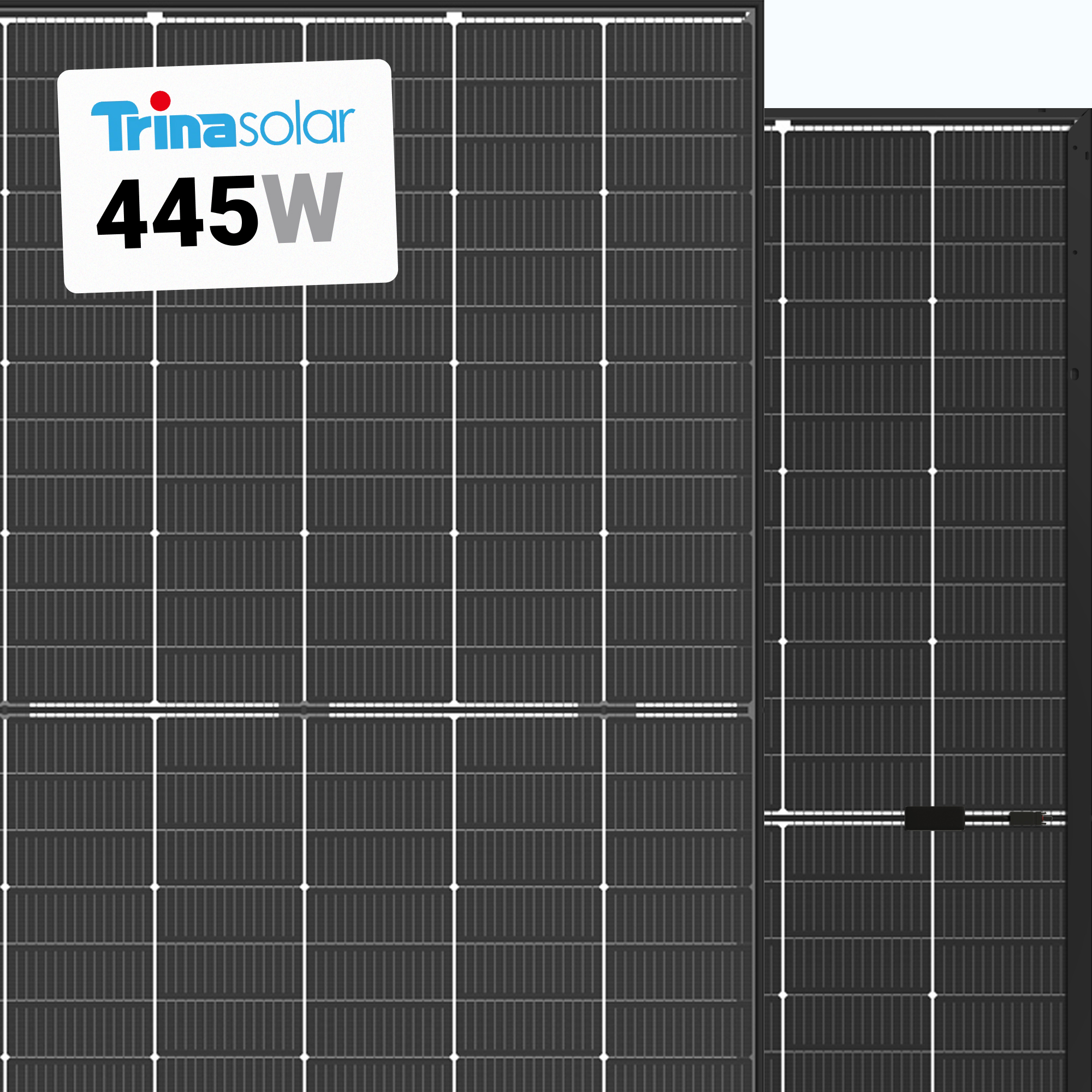
Trina Solar Vertex S+ 445W
£75445
22.5
1762 x 1134 x 30
21.8
Affiliate link — we may earn a small commission at no extra cost to you
What If My Roof Isn't Ideal?
If your roof genuinely isn't suitable — perhaps it's heavily shaded or structurally compromised — don't despair. Ground-mounted systems are an option if you have garden space. These are more expensive to install but can be oriented and tilted perfectly, often outperforming a compromised rooftop installation.
If you're still unsure, the best next step is to find a reputable local installer for a no-obligation site survey. Most will do this for free, and it will give you a definitive answer on viability and expected output.
Check what a system might cost for your home once you have a sense of your roof's suitability.
Share this article

OVO has carefully selected trusted teams across the UK to install solar panels and heat pumps. Enjoy the personal touch of a local expert with the peace of mind of a household name.
Affiliate link — we may earn a small commission at no extra cost to you
Stay informed
Get free solar updates direct to your inbox
Related reading
How Much Do Solar Panels Cost in the UK in 2026?
Realistic UK solar panel costs broken down by system size, installation, and what actually affects the price you'll be quoted.
How Do Solar Panels Work? A Simple Explanation
A plain-English explanation of the photovoltaic effect, how solar electricity gets from your roof into your home, and what happens at night or on cloudy days.
How to Find a Good Solar Panel Installer
What to look for in a solar installer, why MCS certification matters, and the red flags that should make you walk away.


Switch to Octopus Energy
Get 50 credit when you switch. We get 50 too — win-win.
What does this mean for YOUR home?
Design your perfect solar setup in under 3 minutes. Free, no sign-up required.
Build Your Solar System