This page contains affiliate links. If you purchase through them we may earn a small commission at no extra cost to you. Learn more
How Do Solar Panels Work? A Simple Explanation
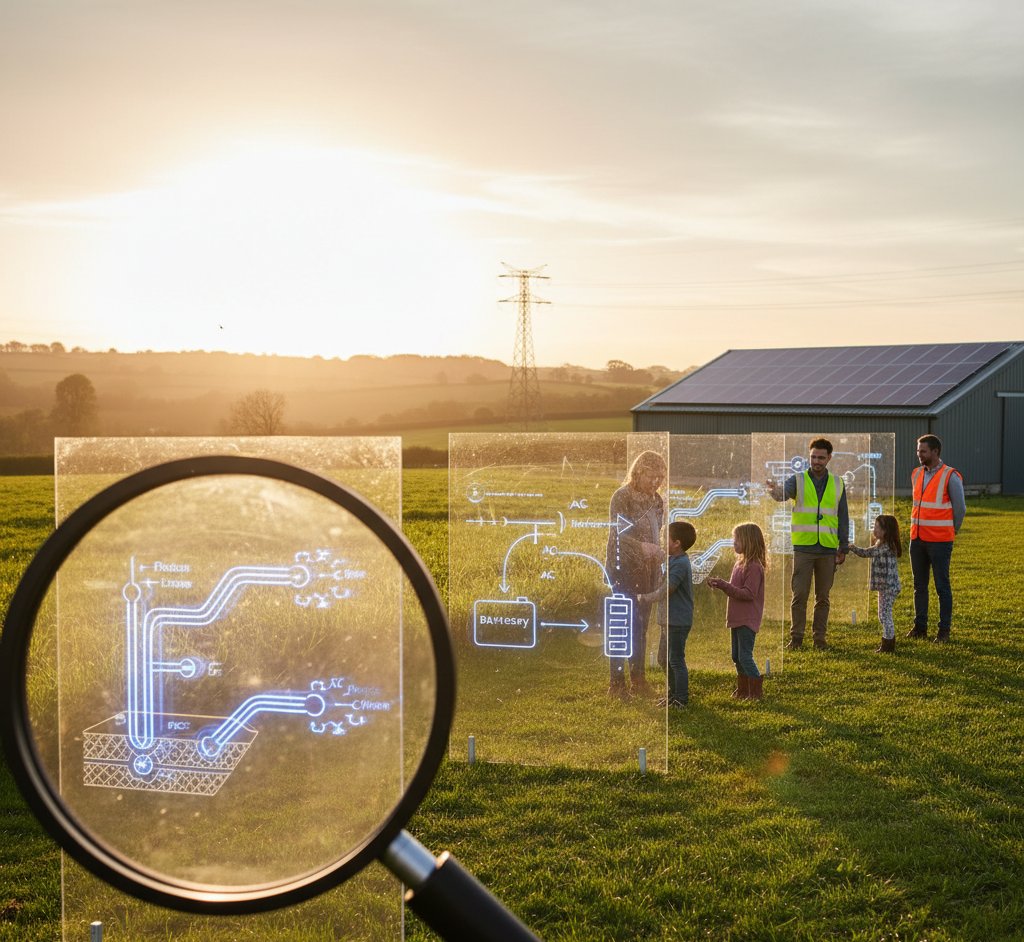
The photovoltaic effect — without the jargon
Every solar panel is made up of dozens of solar cells, and each cell is essentially a very thin silicon sandwich. Silicon is a semiconductor, which means it sits halfway between a conductor (like copper wire) and an insulator (like rubber).
Here's the key: silicon atoms have electrons that can be knocked loose when hit by photons — the particles that make up light. When sunlight strikes the cell, photons transfer their energy to electrons and set them moving. That movement of electrons is, at its core, an electric current.
The two layers of silicon in a solar cell are treated differently — one has extra electrons (n-type) and one has spaces where electrons could sit (p-type). This creates a built-in electric field at the junction between them. When photons dislodge electrons, that electric field pushes them in one direction, creating a one-way flow: direct current (DC).
Each individual solar cell produces a small voltage — around 0.5V. Cells are wired together into modules (what most people call "panels"), and modules are wired together in strings to reach useful voltages and wattages. A typical residential panel rated at 450W produces that output under standard test conditions: 1,000 W/m² of irradiance at 25°C.
Panels work best when they're cool
This surprises most people. Solar panels become slightly less efficient as they heat up. A hot July afternoon can actually produce less power per panel than a cool, bright March day. This is measured as the temperature coefficient — a good panel loses around 0.3–0.35% output per degree Celsius above 25°C.
DC to AC: why you need an inverter
Your solar panels produce DC electricity. But your kettle, your TV, and everything in your home runs on AC (alternating current) — the kind that comes from the grid at 230V, 50Hz in the UK.
That's where the inverter comes in. It's a box, typically mounted on the wall near your consumer unit (fuse box), that takes the DC from your panels and converts it to AC at exactly the right voltage and frequency to match the grid.
There are three main inverter types:
- String inverters — one central unit handles all your panels. Simple, proven, cost-effective. The most common choice for UK homes.
- Microinverters — a tiny inverter sits behind each individual panel. Useful if your roof has shading issues. More expensive.
- Hybrid inverters — can also charge and discharge a battery. The best choice if you're planning to add storage.
The inverter is the brain of your solar system. It also handles safety: if the grid goes down, a compliant inverter automatically disconnects your panels so that engineers working on the lines aren't exposed to electricity from your roof.
What happens to the electricity your panels generate?
Once the inverter has converted your solar electricity to AC, it flows into your home's wiring. From that point, three things can happen:
1. Self-consumption — if you're running appliances right now, the solar electricity goes straight to them. Your washing machine might be running entirely on free sunshine. Your meter doesn't spin; you're not paying for that power.
2. Grid export — if your panels are generating more than you're using at that moment (common on a sunny weekend when nobody's home), the excess flows out through your meter and into the grid. Under the Smart Export Guarantee (SEG), your energy supplier pays you for every unit you export — typically 12–15p per kWh depending on your tariff.
3. Battery storage — if you have a battery fitted, excess generation charges the battery first. You then draw on that stored electricity in the evening instead of importing from the grid.
Self-consumption is the most valuable thing you can do with your solar electricity. Avoiding a grid import at ~24p/kWh is worth more than receiving 12–15p/kWh for an export. Smart energy habits — running the dishwasher, washing machine, and EV charger during the day — can significantly improve your returns.
85%
of solar electricity can be self-consumed with good habits and a battery
Find the right system for your homeWhat happens at night?
Simply put: your panels produce nothing at night, and your home draws power from the grid as normal. There are no moving parts, no storage of heat, no trickle of electricity after dark. The sun goes down; the generation stops.
This is why battery storage has become so popular. A well-sized battery — typically 5–10kWh for a UK home — can store the afternoon's surplus and cover your evening usage, meaning you might reach morning with the battery still half-full, having barely touched the grid overnight.
Without a battery, most households with solar still pay for roughly half their electricity: the portion they use in the evenings and early mornings.
What about cloudy days?
This is the question that stops many people from going solar in the UK. The honest answer: panels still produce on cloudy days — just less.
Solar panels respond to light, not heat, and not direct sunshine specifically. On an overcast day in the UK, your panels might produce 10–25% of their peak rated output. That's not nothing. On a bright but hazy day, you might see 60–70%.
The UK averages around 1,000–1,200 peak sun hours per year depending on location (Cornwall and Kent get more; Scotland gets less). A 4kW system in the south of England typically generates 3,400–3,800 kWh per year — enough to cover the majority of an average household's electricity use.
The seasonal variation is significant. You'll generate roughly three times more in summer than in winter. Planning for this is important: don't size your system purely for summer excess if your goal is year-round bill reduction.
Rain is actually useful
A downpour rinses dust, pollen, and bird droppings off your panels for free. The UK's rainy climate means most panels stay cleaner for longer than those in sunnier, drier countries. You'll rarely need to clean them yourself.
The full picture: from photon to plug socket
To summarise the chain:
- Photons from the sun strike silicon solar cells
- Electrons are knocked loose, creating DC electricity
- Strings of panels combine this into a usable voltage
- The inverter converts DC to AC at 230V/50Hz
- Self-consumption uses solar power directly in your home
- Excess exports to the grid for SEG payments, or charges a battery
- At night or in winter, the grid or battery fills the gap
Understanding this flow helps you make smarter decisions about system sizing, battery storage, and how you use energy day-to-day. The more you can shift your consumption to daylight hours, the better your return on investment.
If you're ready to explore solar inverter options for your home:
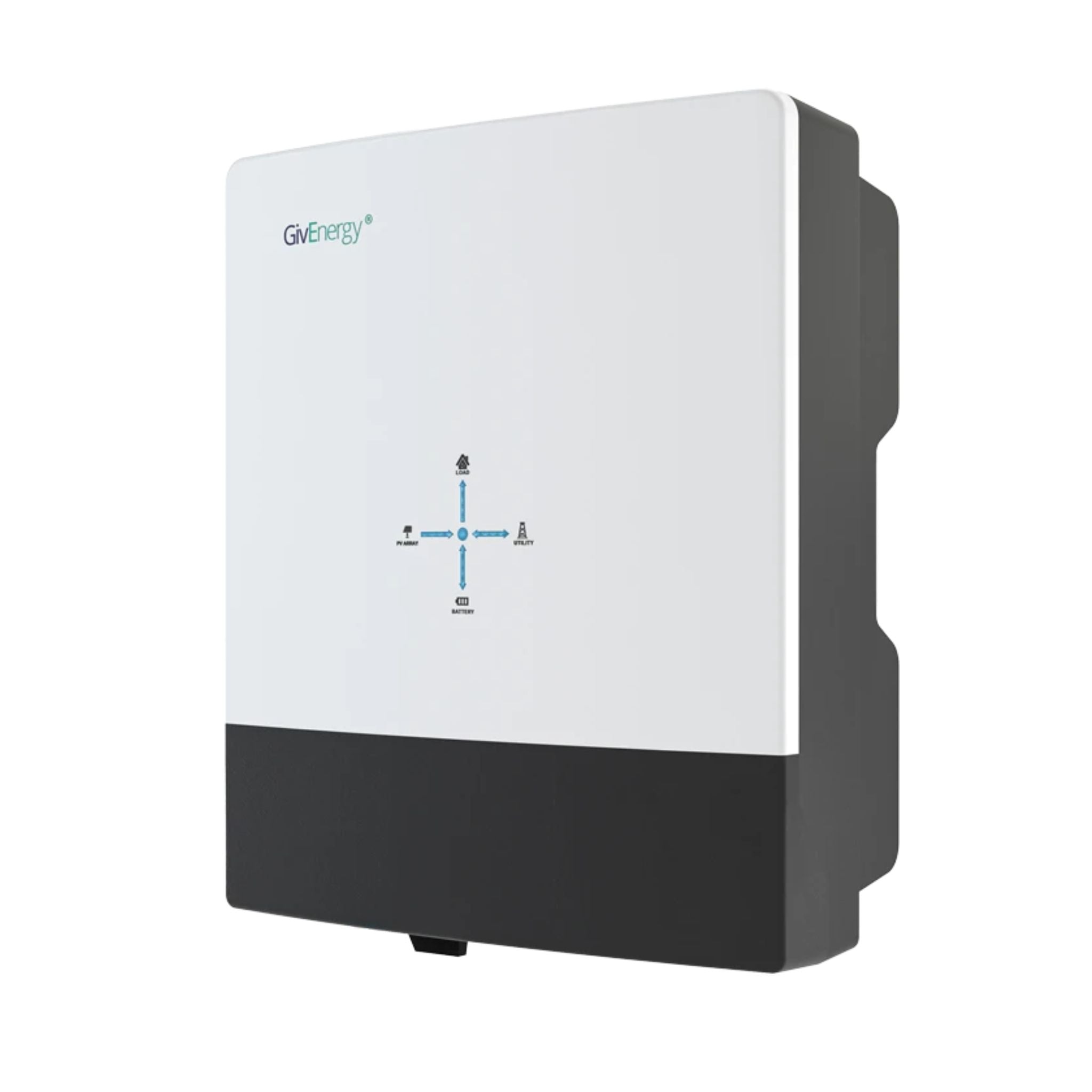
GivEnergy All-in-One 5kW Hybrid Inverter
£1,2005
7.5
2
48V
Affiliate link — we may earn a small commission at no extra cost to you
Next steps
If you're trying to understand what a solar system might generate for your specific home and roof, the next logical step is understanding how output varies by system size, orientation, and region. That's covered in detail in our generation guide.
For a deeper look at the inverter — including how sizing affects what loads you can run simultaneously — see our inverter explainer.
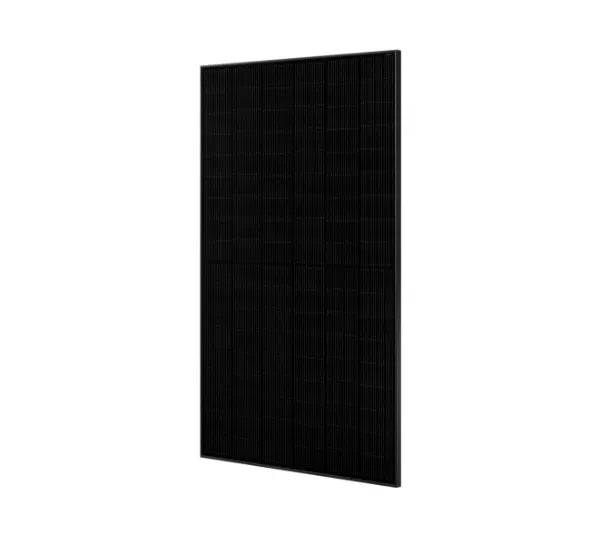
JA Solar JAM54D41 450W N-type TOPCon
£82450
22.8
1722 x 1134 x 30
21.5
Affiliate link — we may earn a small commission at no extra cost to you
Share this article

OVO has carefully selected trusted teams across the UK to install solar panels and heat pumps. Enjoy the personal touch of a local expert with the peace of mind of a household name.
Affiliate link — we may earn a small commission at no extra cost to you
Stay informed
Get free solar updates direct to your inbox
Related reading
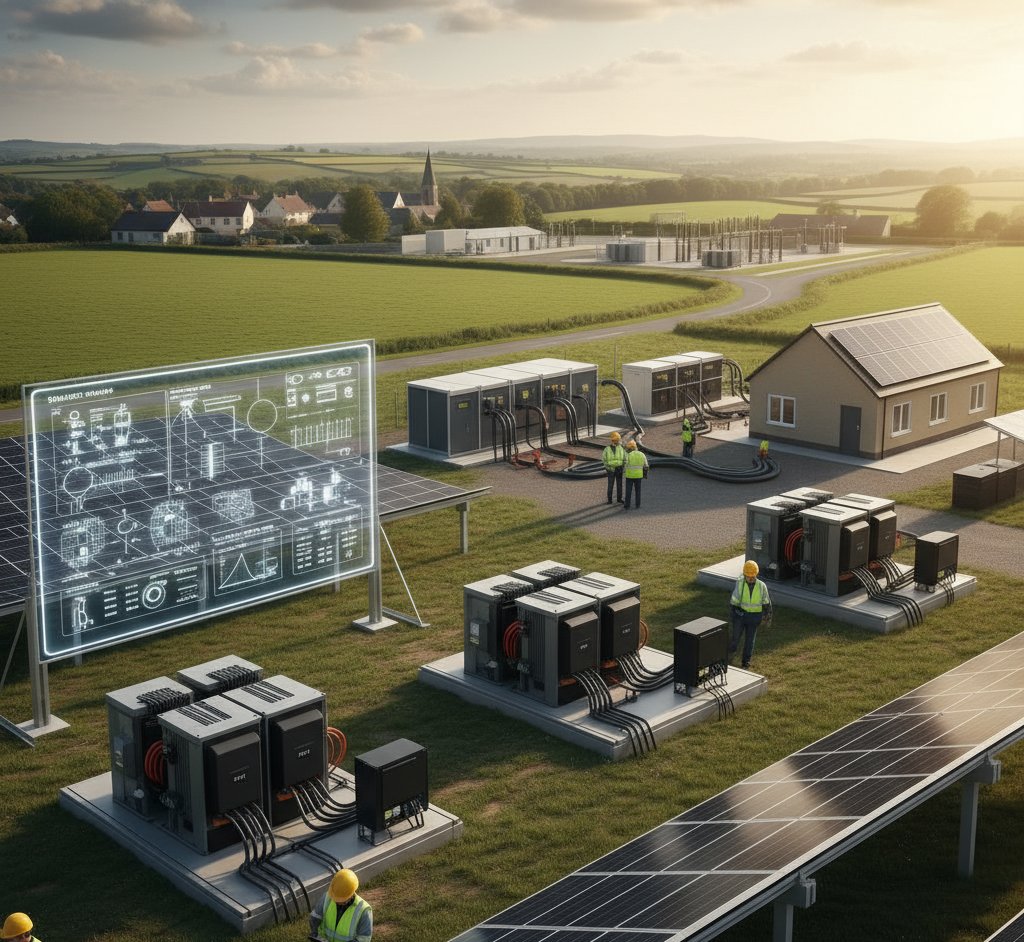
Solar Inverters Explained: Types, Sizing, and Real-World Limits
String, micro, and hybrid inverters explained clearly — plus the critical G98/G99 threshold at 3.68kW and what it means for what you can run simultaneously.
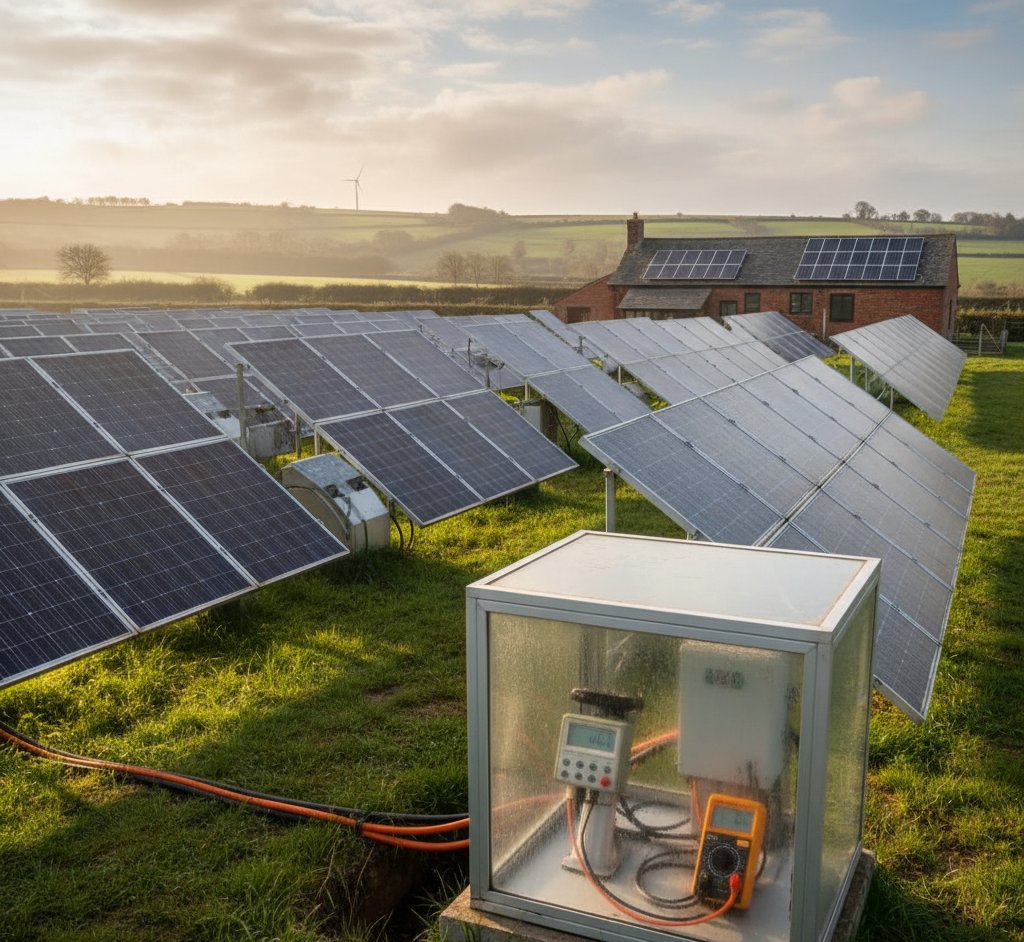
How Much Electricity Do Solar Panels Generate in the UK?
Real kWh figures for UK solar systems by size, region, and orientation — including seasonal variation, the effect of roof angle, and why real-world output differs from the spec sheet.
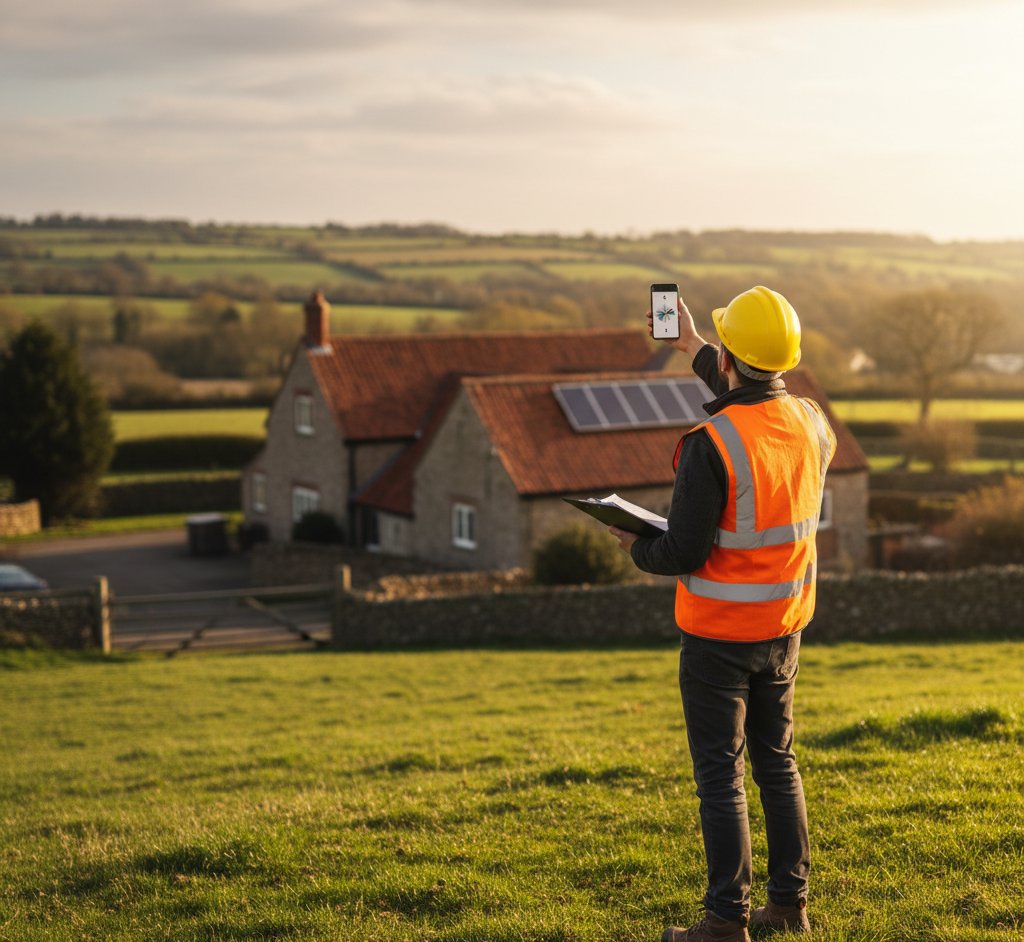
Is My Roof Suitable for Solar Panels?
Find out if your roof can take solar panels — covering direction, angle, shading, structural condition, and options for tricky roofs.


Switch to Octopus Energy
Get 50 credit when you switch. We get 50 too — win-win.
What does this mean for YOUR home?
Design your perfect solar setup in under 3 minutes. Free, no sign-up required.
Build Your Solar System