This page contains affiliate links. If you purchase through them we may earn a small commission at no extra cost to you. Learn more
Solar Panel Brand Tier List: Which Manufacturers Actually Matter in 2026
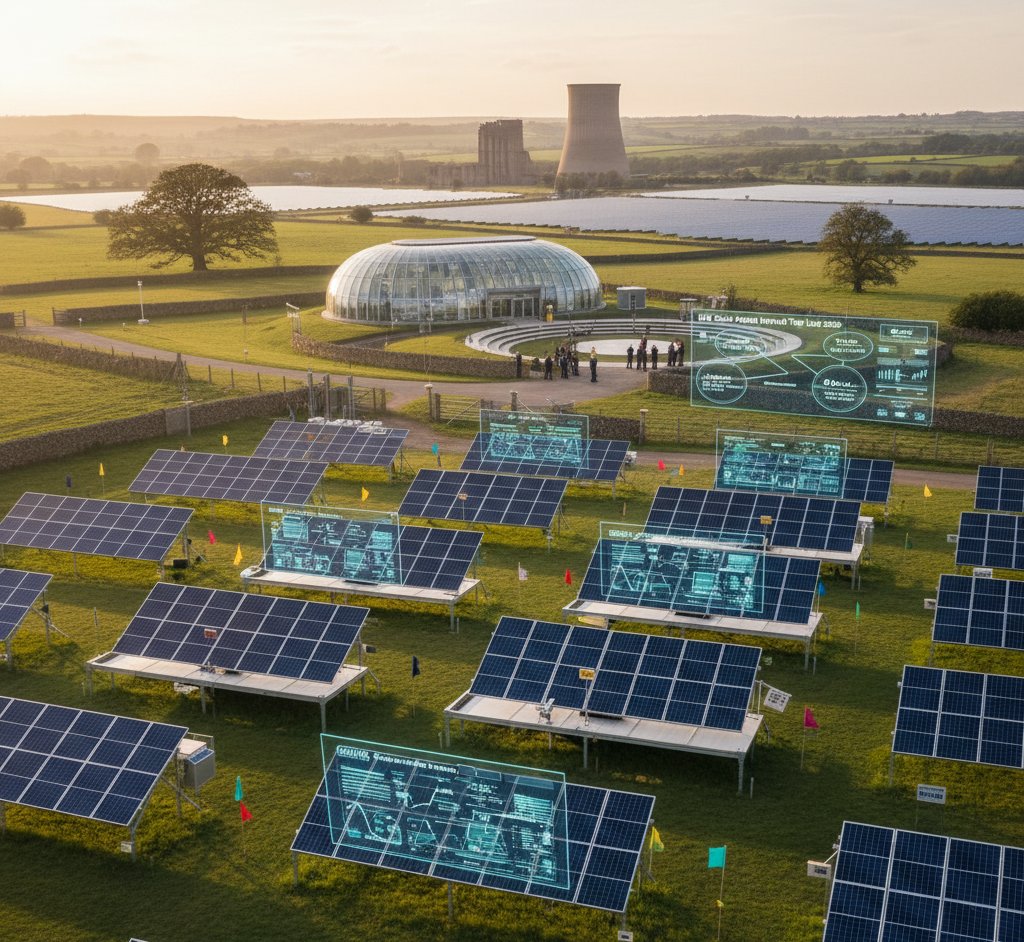
The solar panel market is flooded with brand names, and it can be hard to know which ones are worth your money. The industry uses a tier system to rank manufacturers, but most people misunderstand what it actually means. It is not a quality ranking. Understanding the difference between Tier 1, 2, and 3 panels can save you from a worthless warranty and a lot of regret.
What the Tier System Actually Means
Here is something that surprises most people: the tier system has nothing to do with panel performance or build quality. It comes from Bloomberg New Energy Finance (BNEF), and it is a bankability assessment used by banks and investors to decide which panels they are willing to finance large-scale solar projects with.
To qualify as Tier 1, a manufacturer must have supplied panels to at least six different large-scale projects (1.5MW or above) that were financed by six different non-recourse project finance banks in the previous two years. That is it. No lab testing of panels. No quality inspections. No efficiency benchmarks.
What this actually tells you is that major financial institutions trust the company enough to lend money against their products. That is a meaningful signal about the company's financial stability, manufacturing scale, and likelihood of still being around in 15 or 20 years when you might need to make a warranty claim.
Tier status changes over time
The BNEF tier list is updated quarterly. Manufacturers can move between tiers as their financing track record changes. A company that was Tier 1 last year might slip to Tier 2 if they lose banking relationships. Always check current status, not historical claims.
Tier 1: The Safe Bets
These are the manufacturers that major financial institutions back with real money. In the UK market, these are the brands you will encounter most often from MCS-certified installers.
The Big Five in UK Residential
LONGi -- The world's largest solar manufacturer by volume. Their Hi-MO 6 and Hi-MO X6 panels are widely available in the UK through City Plumbing and most major distributors. Efficiency up to 22.8%, with 15-year product warranties and 30-year performance warranties. If your installer suggests LONGi, say yes.
Trina Solar -- Huge presence in the UK installer market. Their Vertex S+ range uses N-type TOPCon cells and offers strong performance. Many UK installers have preferred supply agreements with Trina, which often means competitive pricing. Excellent quality control track record.
JA Solar -- Probably the most commonly installed panel in UK residential projects. Reliable, well-priced, and available everywhere. Their PERC panels are the workhorse of the industry, and their newer N-type range is catching up on efficiency.
Jinko Solar -- One of the world's largest manufacturers with a strong presence in the UK wholesale channel. Their Tiger Neo range competes directly with LONGi and Trina on specs. Solid choice.
Canadian Solar -- Despite the name, they manufacture primarily in China and Southeast Asia. Their HiKu7 range is competitive on specs and pricing. Well-established in the UK market with good distributor availability.
Premium Tier 1
REC -- Norwegian-headquartered manufacturer (production in Singapore). Their Alpha Pure range offers some of the best efficiency figures available and comes with a 25-year product warranty. Premium pricing but genuinely premium product.
SunPower/Maxeon -- The performance leaders with the highest efficiency residential panels on the market (up to 24.1%). Maxeon panels come with a 40-year warranty. The catch is price: you will pay significantly more per panel, and availability in the UK is more limited. Worth it if budget is no object and you want the absolute best.
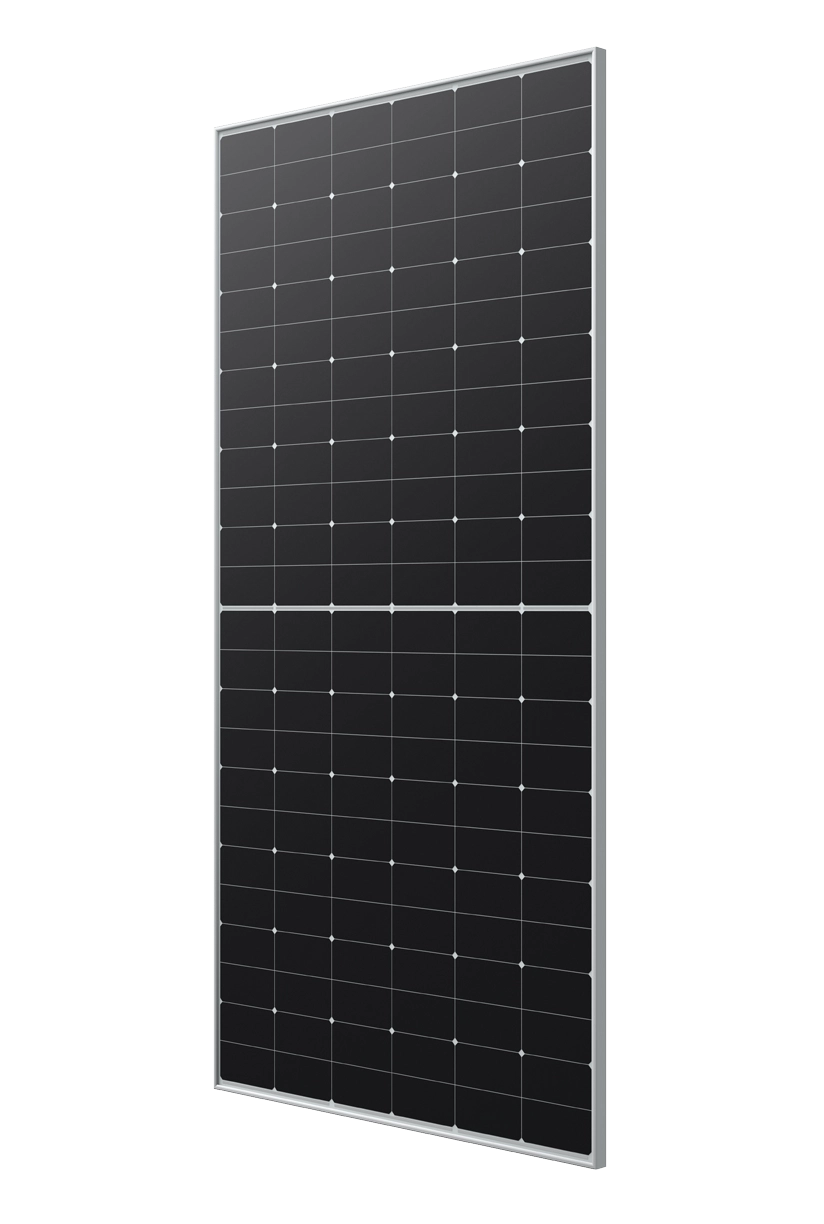
LONGi Hi-MO X6 450W
£85450
23
1722 x 1134 x 30
21.3
Affiliate link — we may earn a small commission at no extra cost to you
Tier 2: Good Panels, More Risk
Tier 2 manufacturers produce panels that work perfectly well. The cells are often made on the same production lines or with the same equipment as Tier 1 panels. The difference is that these companies have less financial backing, smaller scale, and fewer banking relationships. The panels themselves might be fine. The question is whether the company will be around in 2041 to honour your warranty.
DMEGC -- A solid Chinese manufacturer available through City Plumbing alongside LONGi. Their panels offer good specs at a lower price point. DMEGC has been around since 2006 and has reasonable financial stability, but they lack the global scale of the big Tier 1 names.
Eurener -- Spanish manufacturer with a decent European track record. Popular with some UK installers who want a European brand story. Panels perform well, and being European-headquartered gives some warranty confidence for UK buyers.
Hyundai -- Yes, the car company makes solar panels. Their panels are well-built and benefit from the backing of a large Korean conglomerate, which arguably makes them financially safer than many Tier 2 players. Availability in the UK is patchy, though.
Phono Solar -- Chinese manufacturer with reasonable quality and competitive pricing. Used by some UK installers looking to offer a budget option. The panels work, but the brand recognition and long-term warranty confidence are lower.
Tier 2 is not bad quality
Many Tier 2 panels use identical cell technology to Tier 1 products and perform comparably in testing. The tier classification reflects the company's financial position and banking relationships, not whether the panel will generate electricity reliably. The risk is about warranty enforcement, not daily performance.
Tier 3: Proceed With Caution
Tier 3 covers everything else: small manufacturers, white-label panels, brands that appear and disappear, and companies with no meaningful financing track record. Some of these panels work fine. Some do not. The problem is you have no reliable way to tell.
Common red flags for Tier 3 panels:
- Brand name you cannot find on BNEF or any independent testing database. If Google draws a blank beyond the manufacturer's own website, be cautious.
- White-label panels sold under an installer's own brand name. The installer bought generic panels from an anonymous factory and stuck their logo on them. When that installer closes down (and many do), the warranty goes with them.
- Unusually cheap pricing. If a panel is significantly cheaper than comparable wattage from known brands, ask why. Sometimes the answer is fine (overstock, older model). Sometimes the answer is cut corners.
- No MCS listing or certification. For UK installations claiming SEG payments, panels should be on the MCS product database.
White-label panel warranties are essentially worthless
If your installer offers panels under their own brand name (rather than a recognised manufacturer), your warranty depends entirely on that installer staying in business for 25 years. Given that the average UK solar installer has been trading for less than 10 years, this is a significant gamble. Always ask for the actual manufacturer name and model number.
Why Tier Matters: The Warranty Question
Here is the practical reason to care about tiers. Solar panels come with 25 to 30-year performance warranties. That is an extraordinarily long warranty period for any product. The warranty is only as good as the company behind it.
If a manufacturer goes bust, your warranty is worthless. There is no industry compensation scheme, no government backup, and no insurance product that covers it. The warranty obligation dies with the company.
Tier 1 manufacturers have the financial scale, global operations, and banking relationships that make them far more likely to survive for 25 years. LONGi employs over 60,000 people and has a market capitalisation in the tens of billions. They are not going anywhere. A small Tier 3 manufacturer with 200 employees and one factory faces existential risk from a single bad quarter.
Beyond Warranty: Resale Value
If you sell your house, a system with recognised Tier 1 panels is a selling point. Estate agents and surveyors understand brands like LONGi and Trina. A system with unknown-brand panels raises questions about quality and remaining warranty value. It is a small consideration, but it matters when every advantage helps in a competitive housing market.
What UK Installers Actually Use
Walk into any MCS-certified installer's warehouse and you will overwhelmingly see panels from three or four brands:
Most common in UK residential: JA Solar, Trina, LONGi. These three account for the vast majority of UK home installations. They are stocked by all major distributors, pricing is competitive, and installers know them inside out.
Available through major distributors: City Plumbing (one of the UK's largest solar distributors) carries LONGi and DMEGC. Sunstore stocks various Tier 1 brands. Midsummer Wholesale carries a broader range including some Tier 2 options.
Less common but available: Canadian Solar, Jinko, REC, and Maxeon panels can be sourced but may require your installer to order specifically rather than pull from regular stock.
Ask your installer what they stock
Most installers have preferred panel brands based on their distributor relationships. You will usually get a better price on whatever they buy in volume. If they stock JA Solar and you want LONGi, they can get it, but you will pay more because they are ordering outside their usual supply chain. For most people, any Tier 1 panel your installer regularly stocks is the right choice.
Price Comparison: Is Tier 1 Worth the Extra Cost?
Here is a rough breakdown of per-panel pricing in the UK market as of early 2026 for standard residential wattages (400-450W):
| Tier | Typical Price Per Panel | Example Brands | 10-Panel System Cost |
|---|---|---|---|
| Tier 1 | £60-90 | LONGi, Trina, JA Solar | £600-900 |
| Tier 1 Premium | £90-140 | REC, Maxeon | £900-1,400 |
| Tier 2 | £45-65 | DMEGC, Eurener, Phono Solar | £450-650 |
| Tier 3 | £30-55 (variable) | Various/unknown | £300-550 |
The price difference between Tier 1 and Tier 2 for a typical 10-panel system is roughly £150-250. Over a 25-year panel lifespan, that works out to £6-10 per year for significantly better warranty security and brand recognition. It is not a difficult decision.
The jump to Tier 1 Premium (REC, Maxeon) is steeper and harder to justify on pure economics. You are paying for the highest efficiency, longest warranties, and best degradation rates. If roof space is extremely limited or you simply want the best available, it makes sense. For most UK homes, standard Tier 1 is the sweet spot.
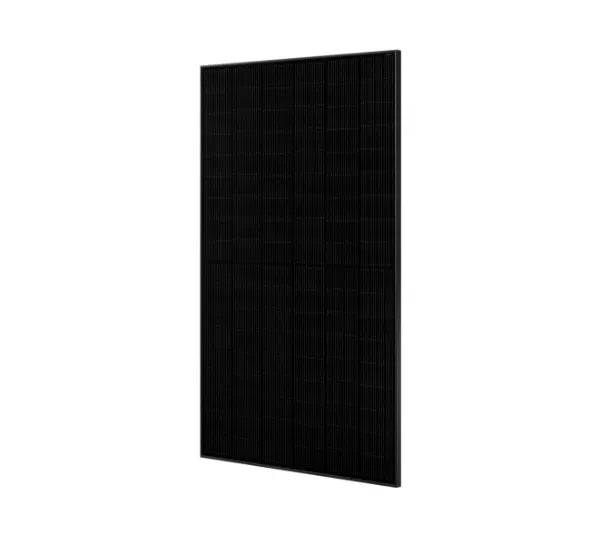
JA Solar JAM54D41 450W N-type TOPCon
£82450
22.8
1722 x 1134 x 30
21.5
Affiliate link — we may earn a small commission at no extra cost to you
Our Recommendation
Stick with Tier 1 panels. The extra £10-20 per panel compared to Tier 2 buys you warranty security that matters over a 25-year investment. LONGi, Trina, JA Solar, Jinko, and Canadian Solar all make excellent panels at competitive prices. Choose whichever your installer stocks and knows well.
If your installer quotes you a brand you have never heard of, ask them why. There might be a good reason (a reputable Tier 2 brand you simply have not encountered), or it might be a red flag. Either way, the question is worth asking.
Do not pay significantly over the odds for Tier 1 Premium unless you have a specific reason (very limited roof space, wanting maximum possible output). For most UK homes, a standard Tier 1 panel from a well-known manufacturer at £60-90 per panel is the right balance of performance, reliability, and value.
Avoid panels with no traceable manufacturer
If your quote lists panels by wattage only ("450W monocrystalline panel") without specifying the manufacturer and model number, ask for details before signing. Any reputable installer will be happy to tell you exactly which panels they plan to use. If they are evasive about the brand, consider getting quotes elsewhere.
Share this article

OVO has carefully selected trusted teams across the UK to install solar panels and heat pumps. Enjoy the personal touch of a local expert with the peace of mind of a household name.
Affiliate link — we may earn a small commission at no extra cost to you
Stay informed
Get free solar updates direct to your inbox
Related reading
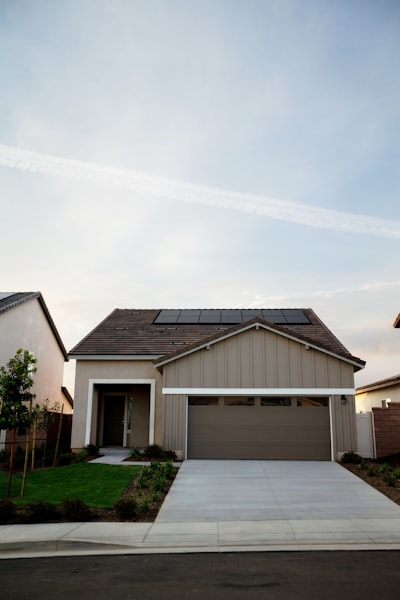
Best Solar Panels for UK Homes 2026
An honest look at the best solar panels available for UK homes in 2026 — covering JA Solar, Trina, Canadian Solar, and LONGi, with real specs and what to look for.
Solar Panel Wattage vs Physical Size: Does Higher Wattage Actually Matter?
How much real-world difference does 400W vs 450W vs 500W make? We break down cell technology, efficiency gains, and whether paying more per watt is worth it.

Solar Panel Cost Per Watt UK 2026: Where to Get the Best Deal
We checked prices at 5 UK suppliers to find the real cost per watt for solar panels in 2026. The results might surprise you.


Switch to Octopus Energy
Get 50 credit when you switch. We get 50 too — win-win.
What does this mean for YOUR home?
Design your perfect solar setup in under 3 minutes. Free, no sign-up required.
Build Your Solar System