This page contains affiliate links. If you purchase through them we may earn a small commission at no extra cost to you. Learn more
Solar Carports and Solar Pergolas: What You Need to Know
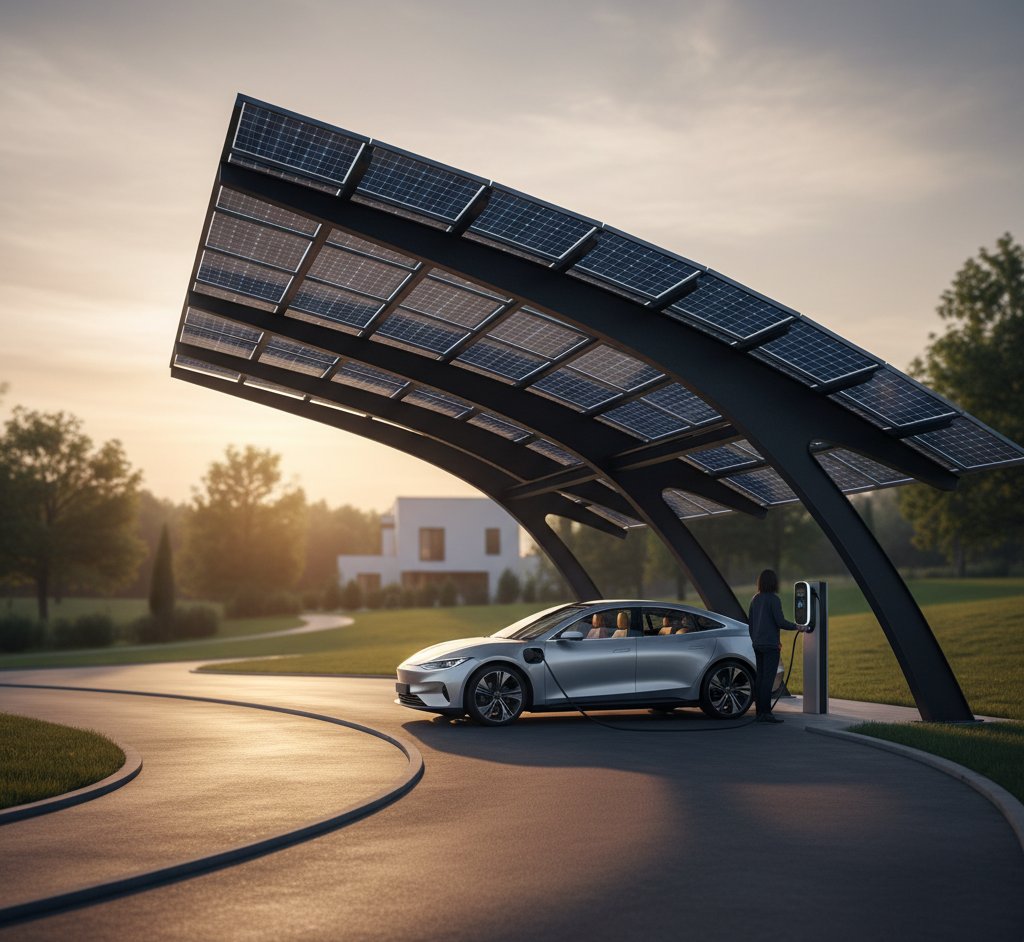
A solar carport or pergola does two things at once: it provides useful covered space and generates electricity from a surface that would otherwise be unused. The concept is straightforward. The practicalities — cost, planning, power output — are worth understanding before you commit.
What Are Solar Carports and Pergolas?
Solar carport: A freestanding canopy structure over a parking area, with solar panels forming the roof. The panels provide shade for vehicles while generating electricity fed into the home or used directly.
Solar pergola: An ornamental garden structure (usually over a patio or outdoor seating area) with solar panels integrated into the overhead framework. Designed to be aesthetically pleasing while providing some shade and generating power.
Both share the same core concept: solar panels elevated on a structure rather than mounted on a roof. Both require proper structural engineering to support wind and snow loads, and both generally need planning permission.
Output Potential
Solar carports and pergolas generate less electricity per panel than a well-oriented roof installation, for a few reasons:
Tilt angle: Roof solar is typically installed at the roof pitch (30–40°), which is close to optimal for the UK. Carport structures are often flatter (10–15°) for water drainage, reducing generation by 5–15%.
Orientation: A carport is positioned where your driveway is, not necessarily facing south. An east- or west-facing carport generates 20–30% less than a south-facing one.
Shading: Nearby buildings, trees, and the structure itself can cause shading on lower-tilt systems.
Realistic generation estimates for a residential double carport:
| Configuration | Panel Capacity | Annual Generation |
|---|---|---|
| South-facing, 15° tilt | 4 kWp | 3,400–3,800 kWh |
| Southeast-facing, 10° tilt | 4 kWp | 2,800–3,200 kWh |
| East/West split, pergola | 3 kWp | 2,000–2,600 kWh |
At 24p/kWh self-consumption (or 3.3–5.2p/kWh exported), the value of this generation is meaningful but the economics are tighter than roof solar due to higher structure costs.
Costs: What to Budget
Carport and pergola solar costs are significantly higher than equivalent roof-mounted solar because you're paying for the structure itself as well as the panels and installation.
Residential Solar Carport
| Component | Cost Range |
|---|---|
| Steel/aluminium frame structure (single car) | £3,000–5,000 |
| Steel/aluminium frame structure (double car) | £4,500–7,000 |
| Solar panels (8–12 panels, 3–4 kWp) | £2,000–4,000 |
| Inverter and electrical installation | £1,000–2,000 |
| Groundworks (concrete footings) | £500–1,500 |
| Total (single car) | £6,500–11,500 |
| Total (double car) | £8,000–15,000 |
For comparison, 4 kWp of roof-mounted solar typically costs £5,000–8,000 installed. The structure adds a significant premium.
Solar Pergola (Residential)
| Component | Cost Range |
|---|---|
| Pergola structure (4×3m, powder-coated steel) | £2,000–4,500 |
| Solar panels (4–8 panels, integrated) | £1,200–2,500 |
| Electrical installation | £800–1,500 |
| Groundworks | £300–800 |
| Total | £4,300–9,300 |
Pergolas vary enormously in quality and aesthetic. Budget products use thin aluminium profiles that look cheap. Premium products use powder-coated steel or hardwood with integrated panel framing that looks genuinely attractive.
Get a Structural Engineer Involved
Carport and pergola structures must withstand wind loading and snow. A 4 kWp carport adds roughly 400–600 kg of panels to the structure on top of the frame weight. Any solar carport should be designed or reviewed by a structural engineer. Cheap imported kits sold online may not meet UK snow and wind loading requirements.
Planning Permission
This is where solar carports differ significantly from roof-mounted solar.
Roof-mounted solar benefits from permitted development rights in most cases — no planning permission needed.
Solar carports are treated as extensions or outbuildings, not as solar panels on an existing structure. The planning rules that apply are:
- Outbuilding rules under Class E permitted development: The total area of all outbuildings (including the carport) must not exceed 50% of the curtilage of the house (excluding the original house footprint). Maximum height of 4m for a dual-pitched roof, 3m otherwise.
- In the front garden: Structures in front of the principal elevation generally cannot be built under permitted development — most driveways are in front gardens. Front garden carports almost always require a full planning application.
- Conservation areas and listed buildings: Stricter rules apply. Carports in conservation areas typically require planning permission even at the rear of the property.
In practice, most residential solar carports on front driveways require planning permission. Applications for domestic carports are usually approved (councils are generally supportive of renewable energy structures) but the process adds time and cost: typically £234 application fee plus 8–12 weeks determination time.
Permitted Development for Rear Carports
If your parking is at the rear of the property (accessed via a back lane, for example), a rear-garden carport may qualify as permitted development under Class E. Check with your local planning authority — rules vary slightly between councils. A pre-application enquiry (usually £50–£150) gives you a definitive answer without committing to a full application.
EV Charging Integration
EV integration is one of the most compelling arguments for a solar carport. If you have an electric vehicle (or plan to get one), a solar carport creates a direct power flow from sun to car:
During the day: Solar panels generate electricity → EV charger → car charges from solar.
Overnight or on cloudy days: Grid or battery supplementary charging.
This is more effective than roof solar charging an EV because:
- The car is parked directly under the panels — minimal transmission losses
- You can use a simple EV charger with solar diversion control (like a myenergi Zappi) to prioritise solar charging
- The structure keeps the car out of direct sun, which is better for EV battery longevity
An EV charging point integrated into a solar carport installation adds £800–1,500 to the project cost (untethered 7kW charger installed). The long-term saving at 5.5p/kWh (Octopus Go rate) vs 24p/kWh grid rate is substantial for regular EV drivers.
Commercial Solar Carports
For businesses, the economics of solar carports are often more compelling than for residential properties.
Why commercial carports work better:
- Higher energy prices: Businesses often pay 25–35p/kWh for electricity, improving the return on generation
- Scale: A commercial car park can hold 50–500+ kWp of panels
- Business rates and tax: Solar assets qualify for capital allowances, reducing the effective cost
- EV fleet charging: Businesses moving to electric fleets benefit enormously from on-site solar EV charging
- Staff and customer perception: Visible sustainability investment has marketing value
Commercial solar carport costs vary by scale but typically run £1,000–1,800 per kWp installed, including structure, panels, and electrical installation. At commercial electricity prices and scale, payback periods of 5–9 years are achievable.
Bifacial Panels for Carports
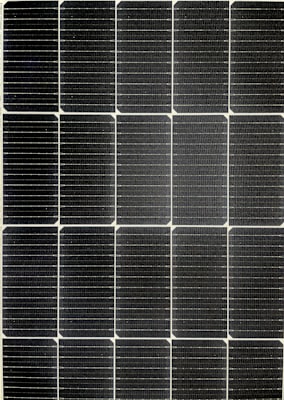
Bifacial solar panels (which generate from both front and rear surfaces) can be a good fit for carport installations. The rear side of a carport panel faces an open area that may reflect light from the ground surface. With light-coloured concrete or gravel beneath, bifacial panels can generate 5–15% more than monofacial equivalents at the same rated wattage.
This adds a small amount to panel cost (roughly £20–50 extra per panel for bifacial vs monofacial) but can meaningfully improve the economics of a carport installation.
Solar Pergola: Aesthetics vs Practicality
A solar pergola over a patio is primarily an aesthetic choice that also happens to generate electricity. The trade-offs are:
Benefits:
- Creates an attractive outdoor covered space
- Generates useful electricity (500–2,000 kWh/year depending on size and orientation)
- Often rear-garden, so planning permission may not be required
- Integrated panels look cleaner than retrofitted racks
Limitations:
- Output is lower than roof solar per £ spent — you're paying for aesthetics
- Partial shading from pergola beams and surroundings reduces efficiency
- Glass or polycarbonate infill panels between solar panels reduce shade coverage
A well-designed solar pergola (powder-coated steel frame, quality panels with gap-filling polycarbonate) costs £5,000–9,000 for a 4×3m structure and generates 800–1,500 kWh/year. At 24p/kWh, that's £190–£360/year — a 15–40 year payback.
The financial case is weak unless you were planning to build a pergola anyway. If a covered patio was already on your wish list and you can add solar for £1,500–2,500 extra, the incremental cost is much easier to justify.
Is a Solar Carport or Pergola Worth It?
A solar carport makes financial sense if:
- You have an EV and currently pay grid rates to charge it
- Your property's roof is north-facing, heavily shaded, or otherwise unsuitable for roof solar
- You need a carport anyway — the incremental cost for solar is modest
- You're a business with high daytime electricity consumption
A solar pergola makes sense if:
- You were planning covered outdoor space regardless
- Aesthetics are as important as economics
- You can position it well (south-facing, unshaded)
Neither makes sense if:
- Your roof is suitable for solar and you haven't installed roof panels yet — that's always better value per pound
- You're hoping for fast payback — these are long-payback investments driven more by practicality than pure financial return
Share this article

OVO has carefully selected trusted teams across the UK to install solar panels and heat pumps. Enjoy the personal touch of a local expert with the peace of mind of a household name.
Affiliate link — we may earn a small commission at no extra cost to you
Stay informed
Get free solar updates direct to your inbox
Related reading
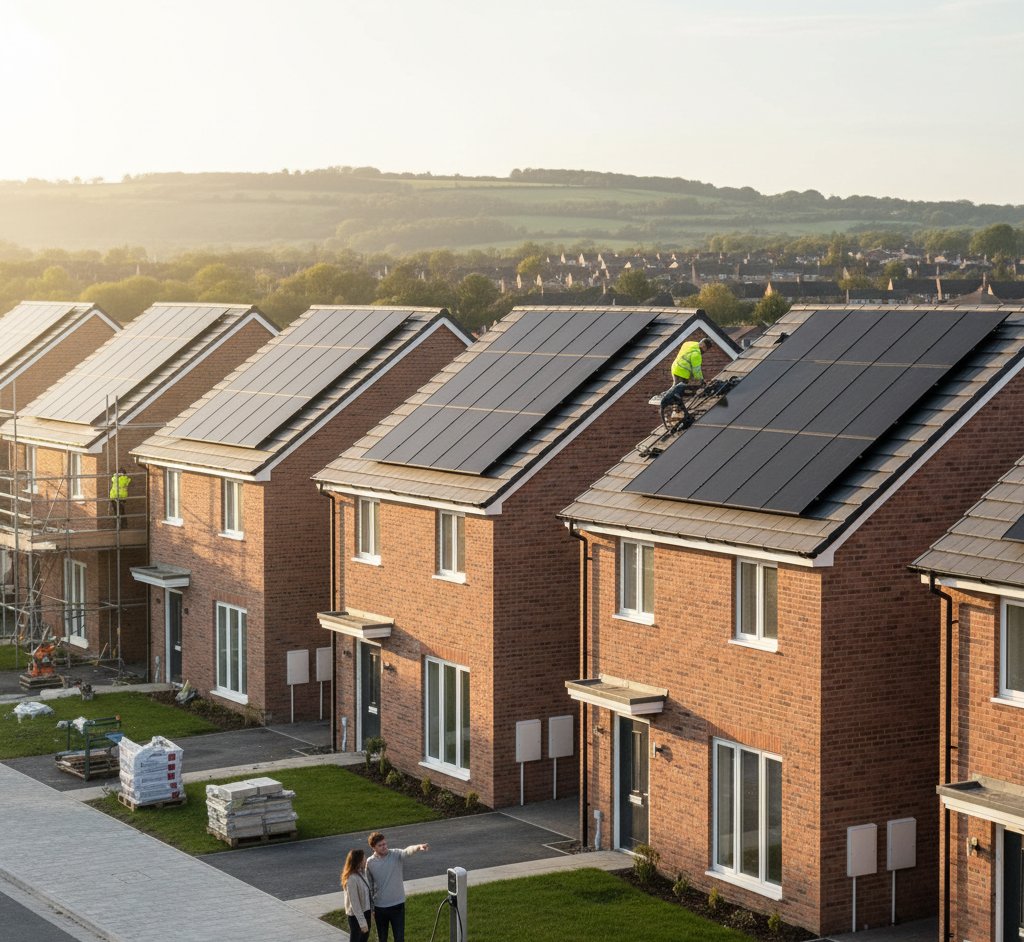
Solar Panels on New Build Homes: What Buyers Need to Know
Solar on new build homes in the UK — Part L building regulations, developer-installed systems, upgrading after moving in, and what to check before you buy.
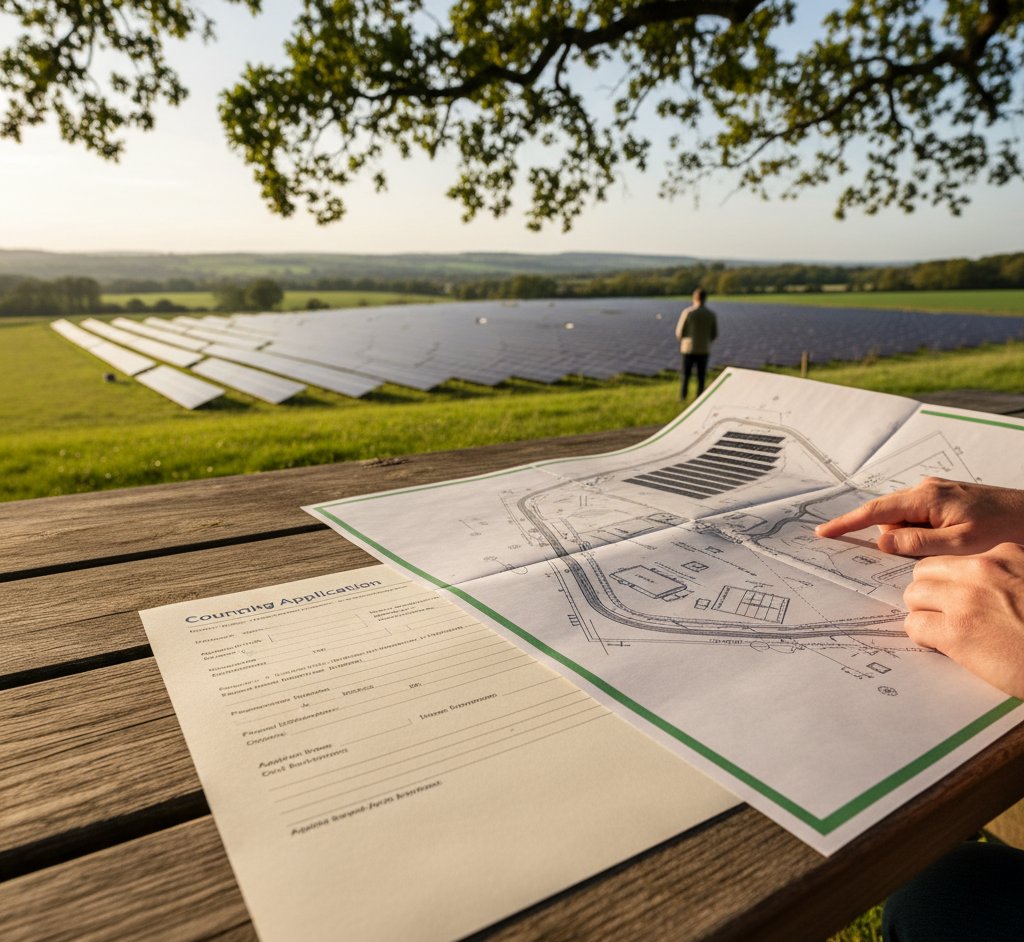
Solar Panel Planning Permission UK: What You Need to Know
Do you need planning permission for solar panels in the UK? Clear guide to permitted development rules, when you need to apply, and what happens in special areas.
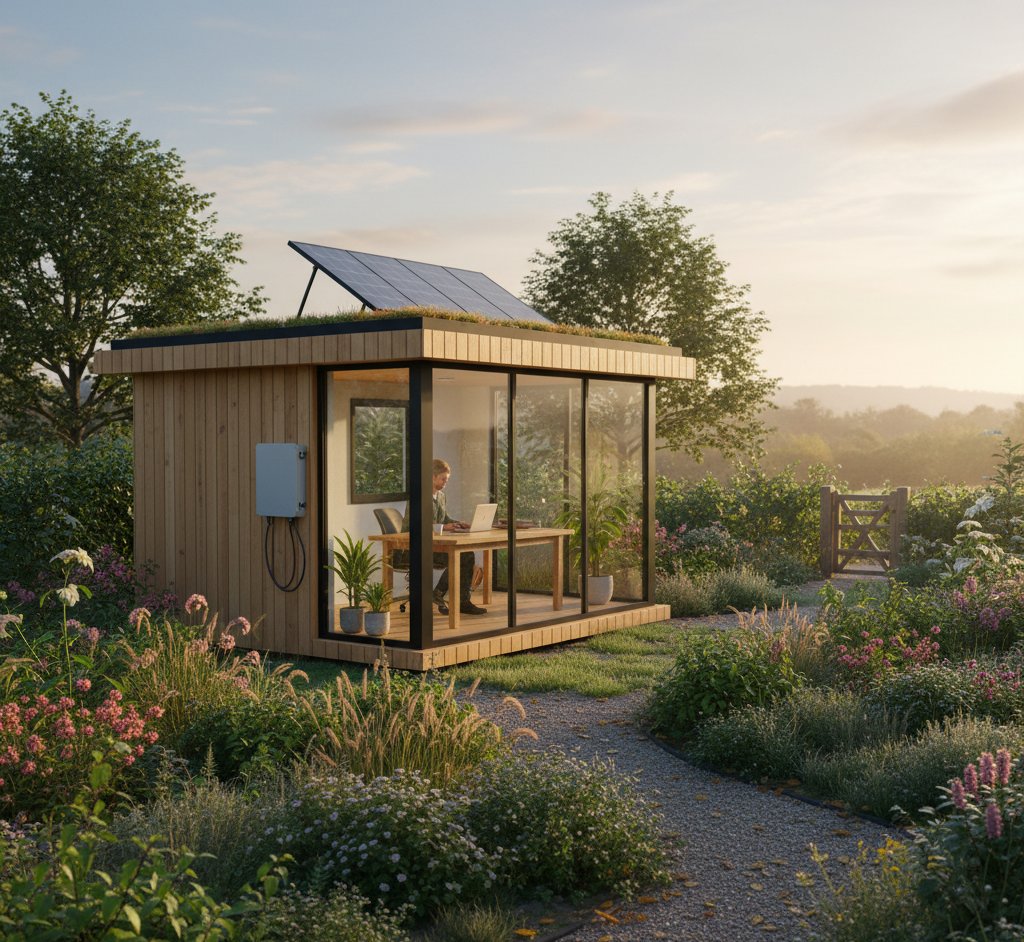
Solar for Sheds, Garden Offices and Summer Houses
How to power a shed, garden office, or summer house with solar. Off-grid sizing, common loads, plug-in kits vs proper installs, and planning permission guidance.


Switch to Octopus Energy
Get 50 credit when you switch. We get 50 too — win-win.
What does this mean for YOUR home?
Design your perfect solar setup in under 3 minutes. Free, no sign-up required.
Build Your Solar System