This page contains affiliate links. If you purchase through them we may earn a small commission at no extra cost to you. Learn more
Solar Panel Planning Permission UK: What You Need to Know
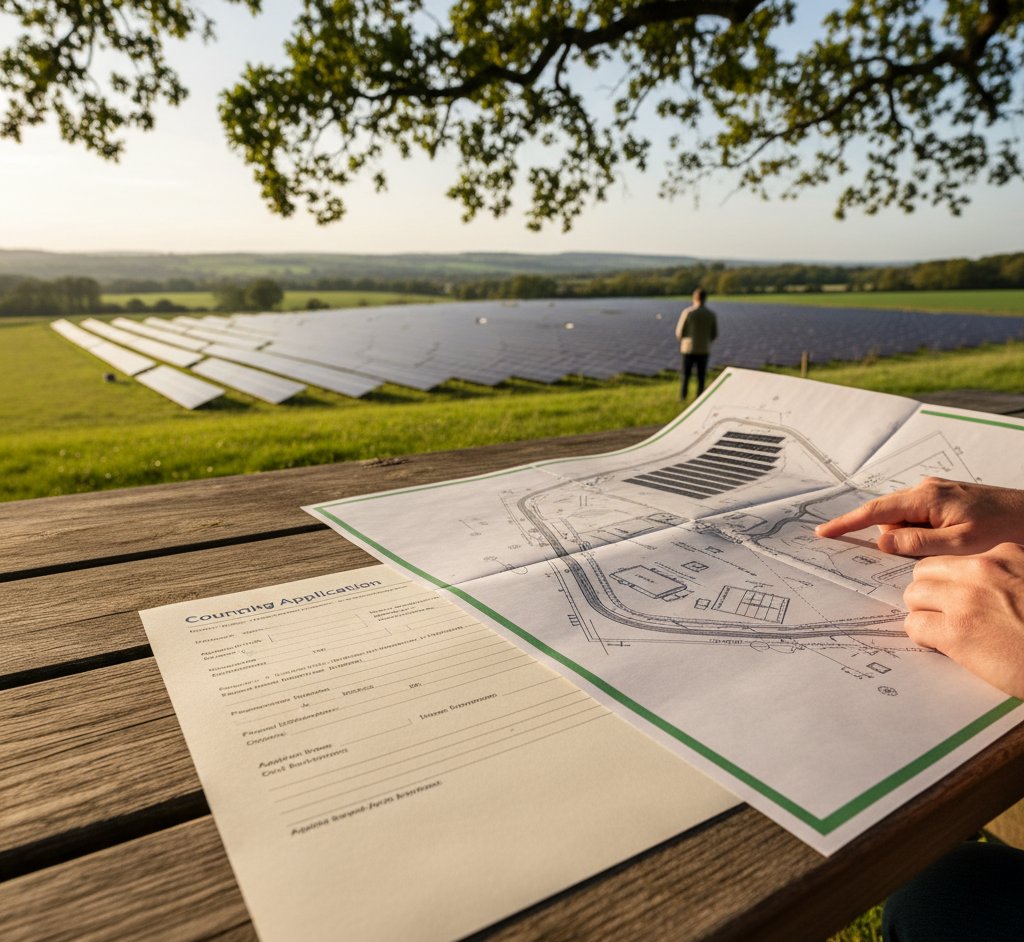
The vast majority of residential solar panel installations in the UK do not need planning permission thanks to permitted development rights. But there are important exceptions, and getting it wrong can result in enforcement action. Here's a clear guide to the rules.
The General Rule
In England, solar panels on a house are generally classified as permitted development, meaning you can install them without applying for planning permission. This has been the case since 2008, and the rules have been progressively relaxed.
Permitted development rights for solar panels are set out in the Town and Country Planning (General Permitted Development) (England) Order 2015, Schedule 2, Part 14 (previously Part 40).
Similar provisions exist in Scotland, Wales, and Northern Ireland with some variations.
Permitted Development Conditions
Your solar installation is covered by permitted development if it meets all of the following conditions:
Roof-Mounted Panels
- Panels do not protrude more than 200mm from the roof surface
- Panels do not extend above the highest part of the roof (excluding the chimney)
- Panels are not installed on a listed building or on a building within the curtilage of a listed building
- In a conservation area or World Heritage Site, panels are not on a wall or roof slope forming the principal or side elevation visible from a highway
- In a conservation area, panels are sited to minimise their visual impact as far as reasonably practicable
Standalone (Ground-Mounted) Panels
- Not more than 4 metres in height
- Not within 5 metres of any boundary
- The total area of all standalone solar equipment does not exceed 9m²
- Not within the curtilage of a listed building
- In a conservation area or World Heritage Site, not between the principal elevation and a highway
The 200mm Rule
The 200mm protrusion limit refers to the total distance the panel and mounting system stick out from the roof plane. Most standard mounting kits keep panels within 100–150mm, well within the limit. Flat roof tilt frames that angle panels may come close to or exceed 200mm at the high end — check with your installer.
When You DO Need Planning Permission
Listed Buildings
Solar panels on a listed building always require listed building consent, regardless of size or position. This applies to both roof-mounted and wall-mounted panels, and to buildings within the curtilage (grounds) of the listed building.
See our detailed guide: Solar Panels on Listed Buildings
Conservation Areas — Visible Front Elevation
In a conservation area, you cannot install solar panels on the principal elevation or any side elevation visible from a highway without planning permission. However, panels on a rear roof slope (not visible from the road) are usually permitted development.
See: Solar Panels in Conservation Areas
Ground-Mount Systems Over 9m²
Any standalone solar array in your garden exceeding 9m² requires planning permission. A 4kW ground-mounted system typically requires 25–30m², so most ground arrays need permission.
Flats and Maisonettes
Permitted development rights for solar panels apply to houses, not flats. If you live in a flat, you generally need planning permission (or freeholder consent) for rooftop solar.
Article 4 Directions
Some areas are covered by Article 4 directions, which remove specific permitted development rights. If your local council has issued an Article 4 direction covering solar panels (uncommon but possible), you'd need planning permission.
How to Check Your Rights
Certificate of Lawful Development
If you want official confirmation that your installation is permitted development, you can apply for a Certificate of Lawful Development (Proposed) from your council. This costs £103 in England (2026) and gives you a legally binding certificate confirming your right to install.
This is worth considering if:
- Your property is near a conservation area boundary
- You're unsure whether your roof elevation counts as the "principal elevation"
- You want documentary proof for potential future buyers
Pre-Application Advice

Most councils offer pre-application planning advice, where you can describe your proposal and get informal guidance before committing. This typically costs £50–200 and is less formal than a certificate of lawful development.
Don't Assume — Check
If you're in any doubt about whether your installation needs planning permission, check with your local planning authority before installing. Removing panels after installation because of a planning breach is significantly more expensive and disruptive than checking first. Your installer should also advise on this.
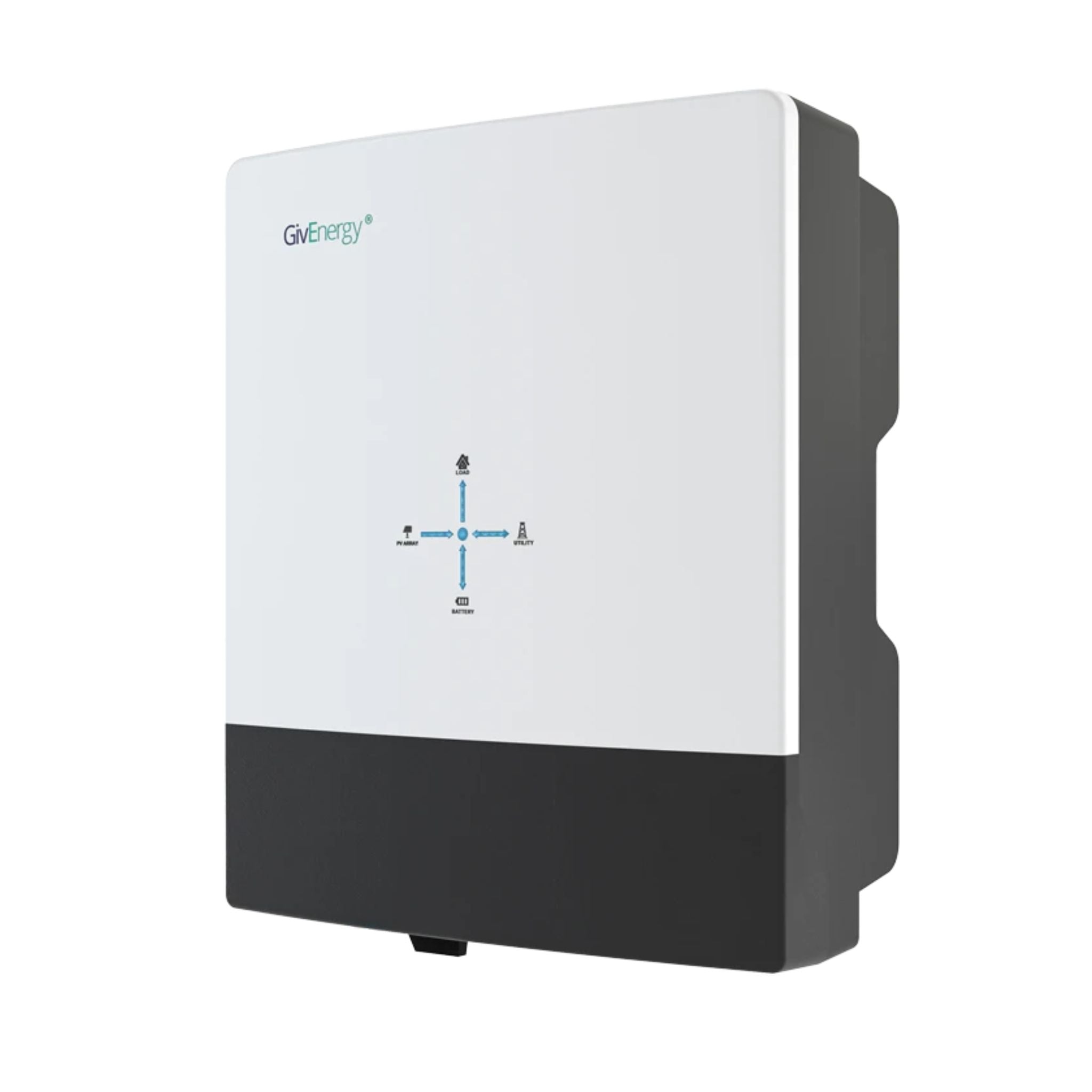
GivEnergy All-in-One 5kW Hybrid Inverter
£1,2005
7.5
2
48V
Affiliate link — we may earn a small commission at no extra cost to you
Scotland, Wales, and Northern Ireland
Scotland
Permitted development rules in Scotland are broadly similar to England. Solar panels on houses are generally permitted under the Town and Country Planning (General Permitted Development) (Scotland) Order 1992 (as amended). The main differences relate to conservation areas and national scenic areas.
Wales
Wales follows similar principles to England with some differences in the specific regulations. The Town and Country Planning (General Permitted Development) (Amendment) (Wales) Order covers solar panels.
Northern Ireland
Northern Ireland has its own permitted development rules under the Planning (General Permitted Development) Order (Northern Ireland) 2015. Solar panels on houses are generally permitted, subject to conditions similar to England.
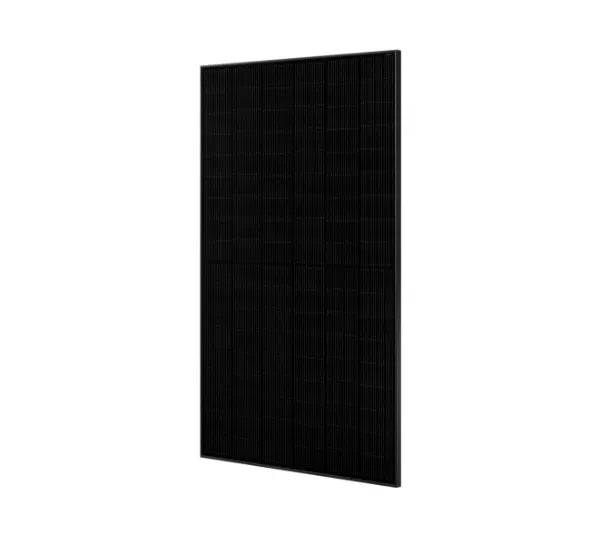
JA Solar JAM54D41 450W N-type TOPCon
£82450
22.8
1722 x 1134 x 30
21.5
Affiliate link — we may earn a small commission at no extra cost to you
What Happens if You Install Without Permission?
If planning permission was required and you didn't obtain it:
- Your council may take no action — If the panels cause no harm and nobody complains, many councils won't pursue enforcement
- You may be asked to apply retrospectively — A retrospective planning application can be submitted (same process and cost as a normal application)
- An enforcement notice may be issued — This would require you to remove the panels within a specified period
- Buyer's solicitor may flag it — When selling your property, the lack of planning permission (where required) can cause complications in conveyancing
The most likely outcome is a retrospective application, but it's far easier to do things correctly from the start.
Your Installer's Role
A reputable solar installer will:
- Assess whether your installation needs planning permission as part of their survey
- Advise you on conservation area or listed building constraints
- Help you apply for planning permission if needed (some include this in their service)
- Ensure the installation meets all physical requirements for permitted development
If an installer tells you planning permission "definitely isn't needed" without checking your specific situation, that's a red flag.
Share this article

OVO has carefully selected trusted teams across the UK to install solar panels and heat pumps. Enjoy the personal touch of a local expert with the peace of mind of a household name.
Affiliate link — we may earn a small commission at no extra cost to you
Stay informed
Get free solar updates direct to your inbox
Related reading
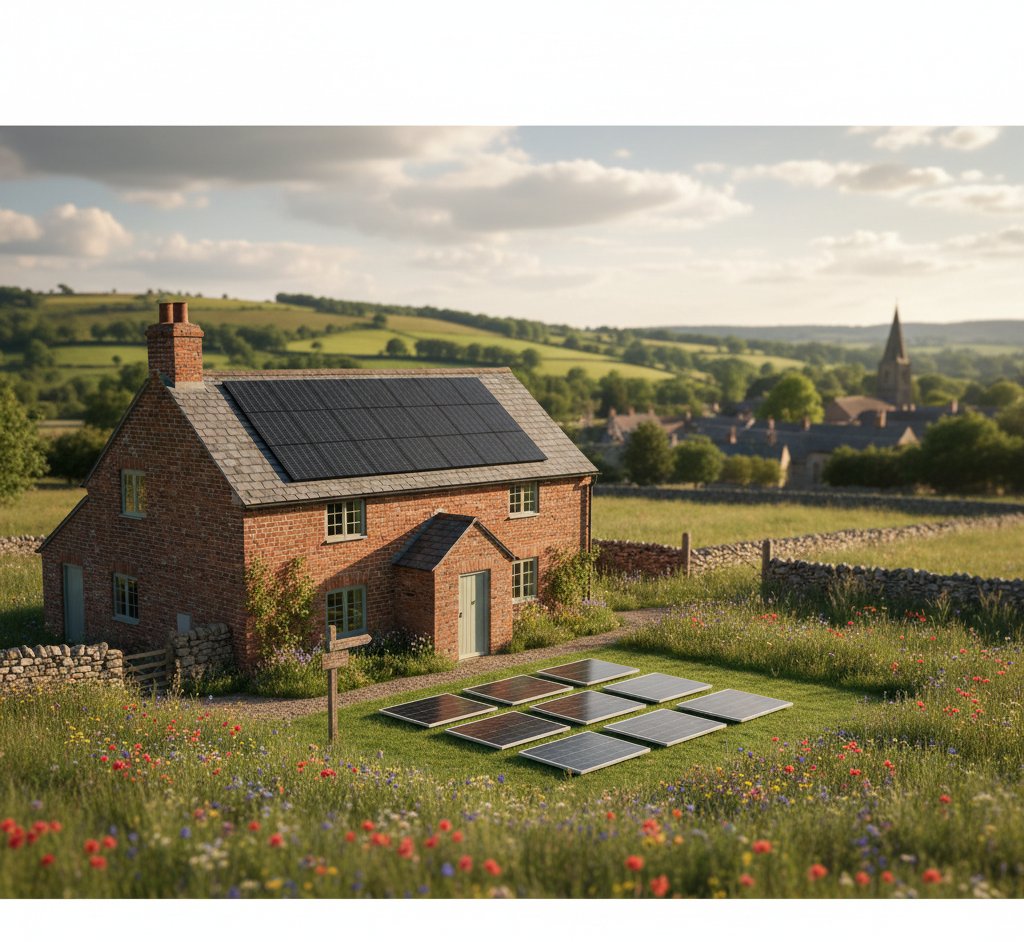
Permitted Development: The 9m² Rule for Solar
Understanding permitted development rights for solar panels in the UK — including the 9m² limit for ground-mounted systems and what you can install without planning.
Solar Panels on Listed Buildings: Getting Permission
Installing solar panels on a listed building in the UK requires listed building consent. How to apply, what gets approved, and strategies that work.
Solar Panels in Conservation Areas
Can you install solar panels in a conservation area? The rules for permitted development, what needs planning permission, and how to get approval.


Switch to Octopus Energy
Get 50 credit when you switch. We get 50 too — win-win.
What does this mean for YOUR home?
Design your perfect solar setup in under 3 minutes. Free, no sign-up required.
Build Your Solar System