This page contains affiliate links. If you purchase through them we may earn a small commission at no extra cost to you. Learn more
Solar Panel Insurance Claims: What's Covered, What Isn't, and How to Claim
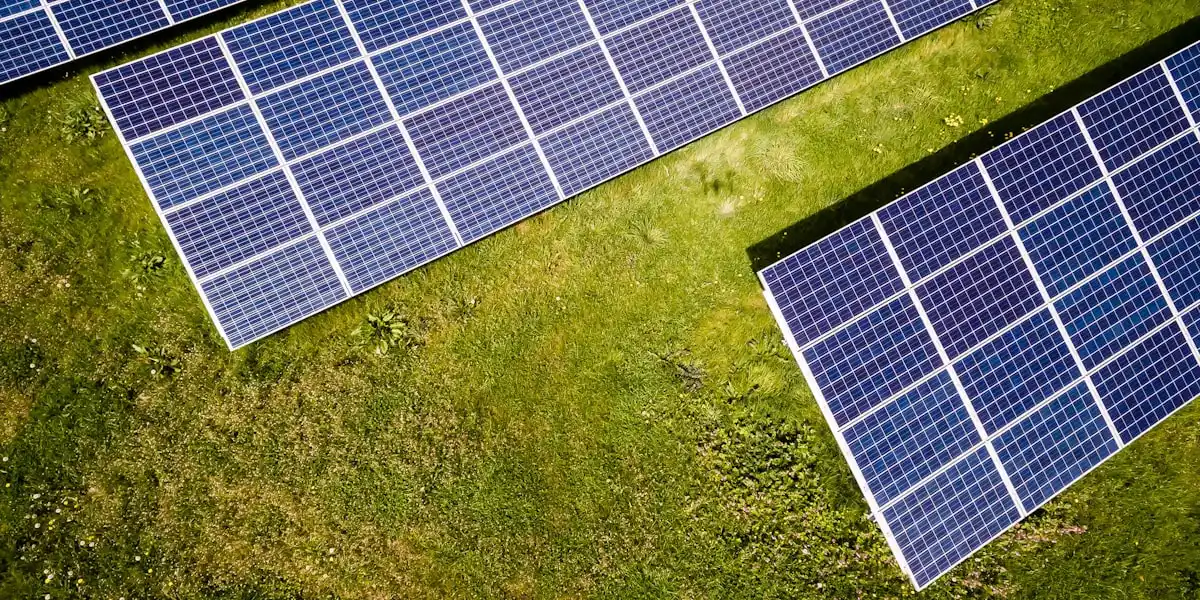
Are solar panels covered by home insurance?
In most cases, yes — but only if you tell your insurer about them.
Solar panels are fixtures attached to your building, which means they fall under your buildings insurance rather than contents insurance. Most standard buildings policies cover solar panels as part of the structure, the same way they would cover your roof tiles or guttering.
The problem is that many homeowners install solar and forget to update their policy. If damage occurs and your insurer discovers you never declared the system, they can reduce your payout or reject the claim entirely.
Notify your insurer — do it before or immediately after installation
As soon as you sign a contract for solar panels, contact your insurer. Tell them the estimated installed value of the system (typically £5,000–£15,000 for a standard 4–6 kW setup) and ask them to confirm in writing that your buildings policy covers the panels. Some insurers update your sum insured automatically; others require a manual amendment. Do not assume you are covered.
What home insurance typically covers
These events are usually covered under a standard buildings policy that includes your solar panels:
- Storm damage — the most common claim. Strong winds can displace panels, damage mounting rails, or allow water ingress underneath. UK storms have become more frequent and severe.
- Lightning strike — a direct strike or nearby electrical surge can destroy your inverter, fry wiring, or damage the panels themselves.
- Fire — electrical fires from faulty wiring or connections. The panels, mounting system, and associated cabling can be included in a fire claim.
- Theft — uncommon but it does happen. Panels have resale value, and ground-mounted or easily accessible systems are most at risk.
- Vandalism — deliberate damage to panels, wiring, or inverter.
- Falling objects — a tree branch through your roof that also damages the panels, or a nearby tree falling onto a ground-mounted array.
- Flood damage — relevant mainly to inverters and batteries housed at ground level or in garages. Roof-mounted panels themselves are rarely flood-affected.
Check your sum insured reflects the system value
A 4 kW solar system typically costs £5,000–£7,000 installed. A 6 kW system with battery storage can be £12,000–£18,000 or more. If your buildings sum insured has not been updated since installation, you may be underinsured. Ask your insurer whether they index-link your sum insured or whether you need to declare the additional value manually.
What is NOT covered
There are several situations where insurance will not pay out, and confusing these with insurable events leads to frustration:
- Wear and tear — panels lose around 0.3–0.5% output per year naturally. This is expected and is not a claimable event. It is also not a warranty claim unless degradation exceeds the warranted rate.
- Manufacturing defects — a panel that develops hot spots, delamination, or junction box failure due to a production fault is a warranty claim against the manufacturer, not an insurance matter. See our guide to solar warranty claims.
- Gradual deterioration — cracking that develops slowly over years, corrosion from salt air, slow encapsulant yellowing. Insurers look for a specific event as the cause of damage.
- DIY installation damage — if panels were self-installed without proper certification, your insurer may argue the damage stems from improper installation and decline to pay.
- Building regulations non-compliance — systems installed without notifying your District Network Operator (DNO) where required, or without the necessary electrical certifications, can create grounds for claim rejection.
- Consequential losses — your insurer pays to repair or replace what is physically damaged. They do not compensate you for electricity you failed to generate while the system was offline.
How to make a claim — step by step
1. Document the damage immediately
Before anything else, record evidence:
- Take clear photographs and video of visible damage — panels, mounting, wiring, inverter.
- Screenshot your monitoring app showing the drop in generation, any error codes, or system offline status. Note the date and time.
- If it was storm damage, note the storm date and look up Met Office records for that day — this corroborates your claim.
2. Contact your insurer within 48 hours
Most policies have a notification window. Call your insurer's claims line and report the damage promptly. They will give you a claim reference number and explain their process.
Do not begin repairs before your insurer has assessed or authorised them, unless leaving the damage in place would cause immediate further harm (for example, a broken roof section allowing water ingress — in that case, make safe and document everything you do).
3. Get a written assessment from an MCS-certified installer
Your insurer will want an independent assessment of the damage and its cause. An MCS-certified solar installer can provide:
- A written report on what is damaged and why
- Confirmation that the cause is event-related (not pre-existing wear)
- A repair or replacement quote
You may be asked to get more than one quote. Keep copies of everything.
4. Submit your claim with all evidence
Send your insurer:
- Photographs and monitoring data
- The installer's written damage assessment
- Repair or replacement quotes
- Your original MCS certificate and installer documentation (if requested)
- Proof of purchase or installation invoice
Keep a digital copy of your MCS certificate
Your MCS certificate is issued at completion of installation and confirms your system was installed by a certified professional to the required standard. Store a copy in cloud storage — email, Google Drive, or similar. Losing this document makes insurance claims and warranty claims significantly harder to progress.
Common claim scenarios
Storm damage
The most frequent reason solar owners make a claim. Panels displaced by high winds, water ingress under lifted panels, damaged mounting rails, or microinverter/optimiser damage from debris. Photograph the damage, get a storm date from the Met Office, and contact your insurer straight away.
Lightning strike
A direct strike or nearby surge can destroy your inverter in seconds. The inverter is the most exposed electronic component in the system. Lightning damage is usually straightforward to claim — the cause is clear and sudden. Note that standard surge protection does not guarantee full protection against a nearby strike.
Theft
More common than most people expect, particularly for ground-mounted arrays or panels on outbuildings with easy access. Police report required. Note your panel serial numbers if you recorded them at installation — this helps both the claim and any recovery.
Fire
An electrical fault in wiring or connectors can cause a fire. The panels, cabling, inverter, and associated roof structure may all be involved. Fire claims often involve loss adjusters given the structural element. An electrical inspection report from a qualified electrician helps establish cause.
Flood or water damage to inverter
Wall-mounted inverters in garages, utility rooms, or at ground level are vulnerable to flooding. This is worth considering when choosing where your inverter is sited, particularly in flood-risk areas. If flood damage occurs, do not power on the system until a qualified electrician has confirmed it is safe.
Common insurer pushback — and how to respond
Insurers sometimes dispute solar claims. Here are the common objections and what you can do:
"The panels weren't installed to the required standard." Ask them to specify exactly what standard was not met, and provide evidence. If your system has an MCS certificate and was signed off with an Electrical Installation Certificate (EIC), challenge this in writing. The burden of proof should be on them to show the installation was defective.
"You didn't declare the panels." Check your original policy schedule and any renewal documents. If there was a general-purpose declaration along the lines of "all fixtures and fittings forming part of the building structure," this may well include solar panels. Seek written clarification. If you genuinely did not declare them, accept this and negotiate — they may still pay a proportion rather than the full amount.
"This is wear and tear, not event damage." If the damage follows a specific event — a named storm, a lightning strike, a fire — document the timeline clearly. Event-related damage is not wear and tear. If your monitoring data shows generation dropped from normal to zero overnight during a storm, that is event evidence.
"We need more than one quote." Standard practice. Get two or three quotes from MCS-certified installers and submit them all.
What about the inverter specifically?
The inverter is the component most likely to fail during its lifetime and the component most likely to be damaged by covered events such as lightning or power surge.
If your inverter fails due to a covered event (lightning, surge, fire), this is an insurance claim. Document the event and get a replacement quote from a certified installer.
If your inverter fails due to age or internal wear — typically after 10–15 years — this is not an insurance claim. You are either within your manufacturer warranty period (in which case, follow the warranty claims process) or you need to fund replacement yourself. Inverter replacement typically costs £800–£1,500 installed.
Installer negligence — a different path
If your damage was caused by poor installation rather than an external event — for example, a roof leak caused by inadequate flashing around mounting points, or an electrical fault from substandard wiring — this is not primarily a home insurance claim. It is a claim against the installer's professional indemnity or public liability insurance.
Steps to follow:
- Get a written report from an independent MCS installer confirming the damage is installation-related.
- Contact your original installer in writing, setting out the issue and asking them to engage their insurer.
- If they are unresponsive or have gone out of business, your Insurance-Backed Guarantee (IBG) — which all MCS-certified installers are required to provide — covers workmanship defects even if the company has closed. See our guide on what to do if your installer went bust.
- If the installer disputes the finding, raise a complaint through RECC (Renewable Energy Consumer Code), the consumer protection body covering MCS installers.
Dispute resolution — if your claim is rejected
If you believe your insurer has wrongly rejected or underpaid a claim, you have a clear path:
Step 1: Formal complaint to the insurer
Write a formal complaint letter. State clearly:
- Why you believe the claim should be paid
- What evidence supports your position
- What outcome you are seeking
Your insurer must respond within 8 weeks under FCA rules.
Step 2: Financial Ombudsman Service (FOS)
If the insurer's final response is unsatisfactory — or if they haven't responded within 8 weeks — you can escalate to the Financial Ombudsman Service (FOS) at no cost to you. The FOS is an independent body that investigates disputes between consumers and financial firms, including insurers.
- FOS decisions are binding on the insurer (though not on you — you can still pursue legal action if preferred)
- The process typically takes several months
- The FOS handles thousands of insurance complaints each year and is experienced with property damage disputes
Act within the time limit
You must refer a complaint to the FOS within six months of receiving the insurer's final response letter. If you miss this window, the FOS may not be able to help. Don't delay — if you are unhappy with a final response, contact the FOS promptly.
Step 3: Legal action
For disputed claims involving significant amounts, legal action via the small claims court (up to £10,000) or county court is a further option. Citizens Advice can help you understand whether this route is appropriate for your situation.
Practical steps to take now
Even if your system is working perfectly, it's worth taking these steps today:
- Check your policy documents — do they mention solar panels or fixtures forming part of the building structure?
- Call your insurer and ask them to confirm in writing that your panels are covered.
- Update your sum insured if the panels add significant value — solar adds roughly £5,000–£15,000 depending on system size.
- Locate your MCS certificate and make a digital copy. File it alongside your installer paperwork and warranty documents.
- Record your panel serial numbers — these are on a label on the back of each panel. Your installer may have recorded them at commissioning.
- Enable monitoring alerts so you know immediately if generation drops, rather than discovering a problem weeks later.
The more prepared you are before a problem occurs, the smoother any future claim will be.
Share this article

Smart home energy monitoring and automation — track your solar generation and control your home with Wi-Fi devices
Affiliate link — we may earn a small commission at no extra cost to you
Stay informed
Get free solar updates direct to your inbox
Related reading

Solar Panel Insurance: What You Need to Know
Is your solar system covered by home insurance? What to check, what to tell your insurer, and when you might need specialist solar panel insurance.
Roof Leaking After Solar Panel Installation: What to Do
Roof leak after solar panels were installed? How to identify the cause, who is responsible, and how to get it fixed under warranty or through MCS complaints.
My Solar Installer Has Gone Bust: What to Do Next
Solar installer gone bust? Your rights, insurance-backed guarantees, warranty claims, and how to find a new installer to take over.


Switch to Octopus Energy
Get 50 credit when you switch. We get 50 too — win-win.
What does this mean for YOUR home?
Design your perfect solar setup in under 3 minutes. Free, no sign-up required.
Build Your Solar System