This page contains affiliate links. If you purchase through them we may earn a small commission at no extra cost to you. Learn more
Solar Panel Warranty Claims: How the Process Works
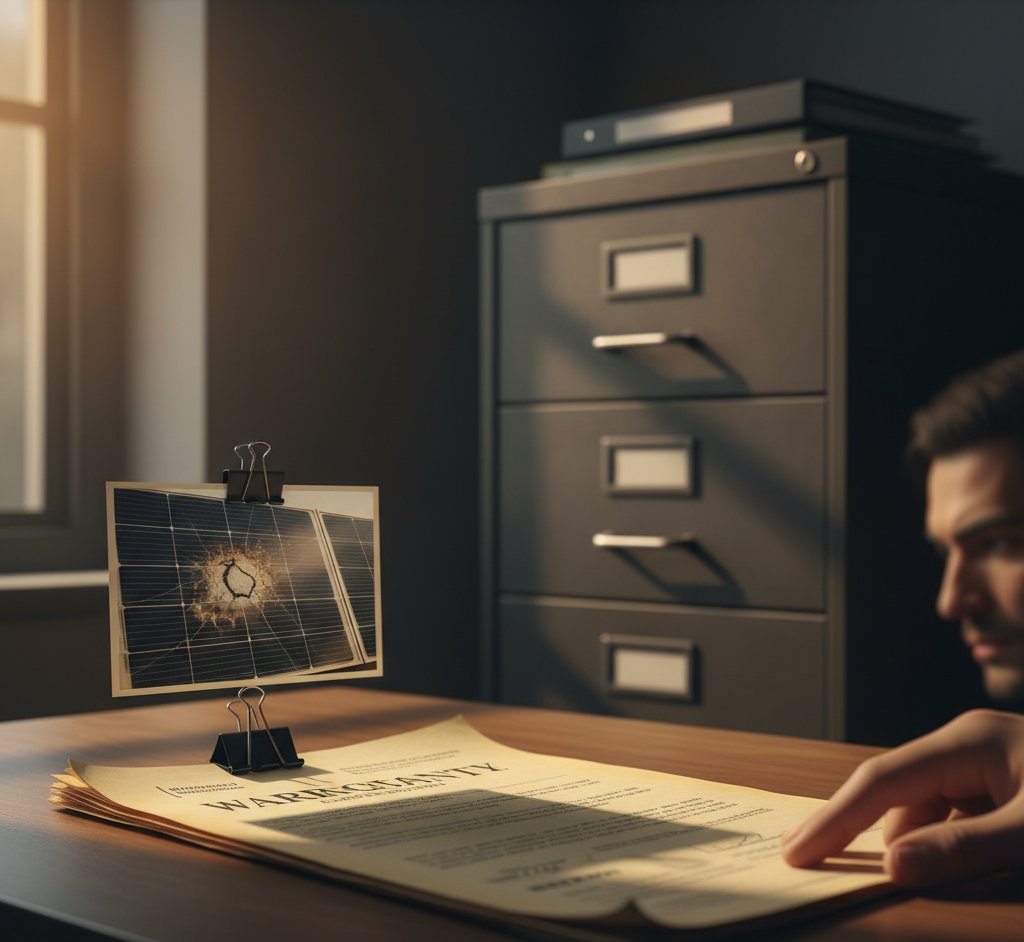
Understanding solar warranties
Solar equipment comes with two types of warranty:
Product warranty (manufacturing defects)
Covers hardware faults — the panel stops working, the inverter fails, a battery cell goes bad. This is your standard warranty against defective products.
Typical durations:
- Solar panels: 12–25 years (trend is towards 25)
- Inverters: 5–12 years (GivEnergy offers 12; most others offer 10)
- Batteries: 10–15 years
- Optimisers/microinverters: 15–25 years
Performance warranty (panels only)
Solar panel manufacturers guarantee a minimum power output over time. A typical performance warranty guarantees:
- At least 97.5% of rated output in year 1
- Degradation no more than 0.4–0.55% per year thereafter
- At least 84–87% of rated output at year 25 or 30
If your panel's output drops below the warranted level (and it's not due to shading, dirt, or damage), you have a performance warranty claim.
When you might need to claim
Panel product warranty
- Panel physically cracked (not from external impact)
- Junction box failure (water ingress, burnt connectors)
- Delamination (layers separating, visible bubbles or discolouration)
- Hot spots (localised overheating visible on thermal camera)
- Complete panel failure (no output despite correct wiring)
Panel performance warranty
- Measured output significantly below the warranted degradation curve
- One panel producing notably less than identical panels in the same string (possible defect)
Inverter warranty
- Complete failure (no operation, error codes, won't turn on)
- Reduced output capacity
- Persistent error codes not resolved by firmware updates
- Fan failure or overheating shutdowns
- Display or communication module failure
Battery warranty
- Capacity fallen below warranted minimum (e.g., below 60% of original at year 10)
- Battery not holding charge
- BMS (battery management system) failure
- Cell failure causing the whole pack to go offline
Monitor your system regularly
The sooner you detect an issue, the easier the warranty claim. Check your monitoring app weekly for unexpected drops in generation. A panel producing 20% less than its neighbours likely has a fault. An inverter repeatedly tripping has a problem. Early detection means a simpler claim and less lost generation.
The claims process
Step 1: Document the issue
Before contacting anyone:
- Screenshot your monitoring data showing the problem (reduced output, error codes, system offline)
- Take photos of any visible damage or error messages on the unit
- Note the dates when the issue started
- Record model numbers and serial numbers of the affected equipment
Step 2: Contact your installer
Your installer is your first point of contact, not the manufacturer. A good installer will:
- Diagnose the issue (it might be a wiring problem, not a product fault)
- Determine whether it's a warranty claim or a maintenance issue
- Contact the manufacturer on your behalf
- Handle the replacement or repair
- Arrange any scaffolding or access needed
Most MCS-registered installers include a workmanship warranty (typically 2–5 years) covering the installation itself — separate from the manufacturer's product warranty.
Step 3: If your installer can't help
If your installer has closed down, isn't responsive, or their workmanship warranty has expired:
- Contact the manufacturer directly. All major panel and inverter brands have UK support channels. You'll need your proof of purchase, installation date, and serial numbers.
- The manufacturer will assess the claim — often remotely first (via monitoring data), then on-site if needed.
- Under the warranty, the manufacturer provides a replacement product. However, they typically don't cover labour costs for removal and reinstallation. This is a significant gap — getting a faulty panel replaced might cost £200–£400 in scaffolding and labour, even though the replacement panel is free.
Step 4: If the manufacturer is difficult
If a manufacturer rejects your claim or is unresponsive:
- Check your consumer rights. Under the Consumer Rights Act 2015, goods must be of satisfactory quality and fit for purpose. This applies regardless of manufacturer warranty.
- Your contract is with the installer (or retailer), not the manufacturer. If the goods were faulty at delivery, the installer is legally responsible.
- Contact Citizens Advice or Trading Standards if you can't resolve the dispute.
- MCS registered installers are bound by the MCS consumer code, which includes a dispute resolution process.
Keep your paperwork
Store your MCS certificate, installer contract, warranty cards, and proof of purchase permanently. Digital copies in cloud storage are ideal. Without these documents, warranty claims become significantly harder. Some manufacturers' warranties require registration within a specific time period — check and register promptly after installation.
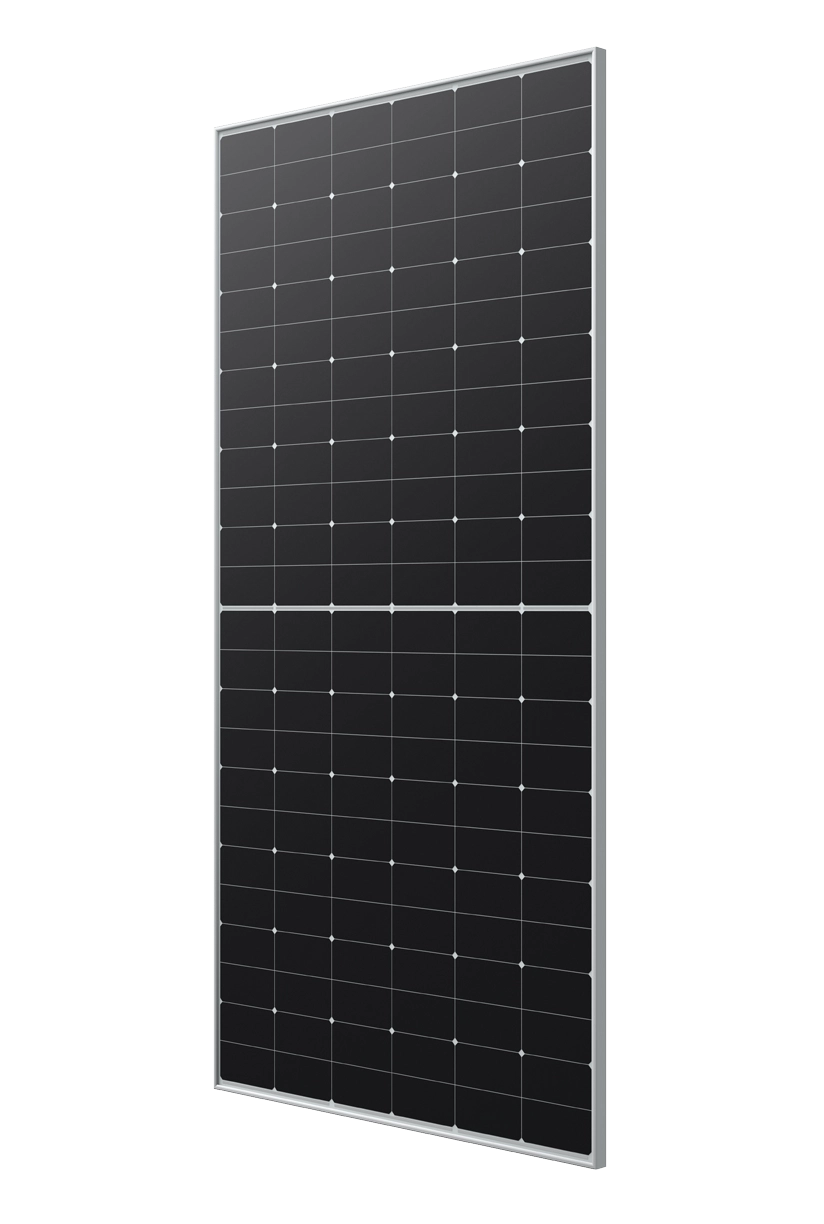
LONGi Hi-MO X6 450W
£85450
23
1722 x 1134 x 30
21.3
Affiliate link — we may earn a small commission at no extra cost to you
Common reasons claims are rejected
External damage
Warranties don't cover damage from external causes — fallen branches, hailstones, accidental impact during other works, or animal damage. This is what your home insurance should cover (make sure your policy includes solar panels).
Improper installation
If the manufacturer determines that the fault was caused by incorrect installation (wrong wiring, inadequate ventilation, improper mounting), they may reject the warranty claim. This is why using an MCS-certified installer matters — their workmanship warranty should cover installation errors, and MCS membership provides a dispute resolution path.
Unauthorised modifications
If you or a third party has modified the system — changed the wiring, replaced components, or added equipment without following the manufacturer's guidelines — the warranty may be voided.
Normal wear and tear
Slight output degradation within the warranted range isn't a warranty claim. Panels naturally lose 0.3–0.5% per year. This is expected and warrantied — it's only a claim if degradation exceeds the warranted rate.
Environmental factors
Corrosion from coastal salt air, UV degradation beyond normal parameters, or damage from extreme weather events may or may not be covered depending on the specific warranty terms.
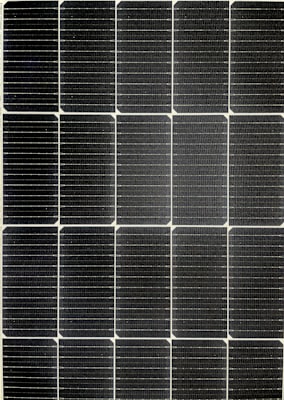
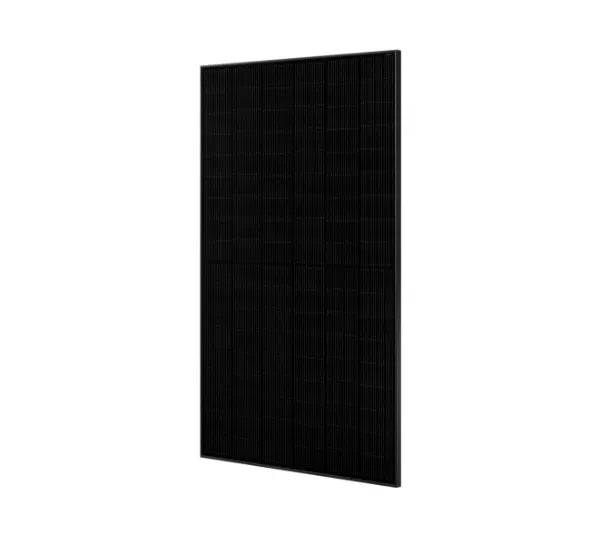
JA Solar JAM54D41 450W N-type TOPCon
£82450
22.8
1722 x 1134 x 30
21.5
Affiliate link — we may earn a small commission at no extra cost to you
The installer insolvency problem
The UK solar industry has seen installer businesses close down, leaving customers without their first point of contact for warranty support. If this happens to you:
- Your manufacturer warranties remain valid — they're between you and the manufacturer, not the installer
- The MCS Installation Database holds your system's registration, which can help verify your installation for warranty purposes
- RECC (Renewable Energy Consumer Code) provides a dispute resolution service and insurance-backed guarantees for member installers
- Find a new local installer to handle the physical work — they can often manage the warranty claim process with the manufacturer on your behalf (for a fee)
Practical tips
- Register your warranties within the required timeframe after installation
- Keep your monitoring system online — the data history helps substantiate claims
- Get an annual inspection from a qualified electrician (keeps you aware of issues and demonstrates diligent maintenance)
- Don't attempt DIY repairs on faulty panels or inverters — this voids the warranty and is potentially dangerous
- Insure your system through your home contents or buildings insurance (notify your insurer that you have solar panels)
Share this article

OVO has carefully selected trusted teams across the UK to install solar panels and heat pumps. Enjoy the personal touch of a local expert with the peace of mind of a household name.
Affiliate link — we may earn a small commission at no extra cost to you
Stay informed
Get free solar updates direct to your inbox
Related reading
Solar Panel Maintenance: What's Actually Needed?
The honest guide to solar panel maintenance in the UK — spoiler: it's less than you think. What you actually need to do, and what you can safely skip.
How Long Do Solar Panels Last? The Honest Answer
Solar panels are rated for 25–30 years, but what does that actually mean? Degradation rates, warranty types, what happens after 25 years, and why inverters are the weak link.

How to Find a Good Solar Panel Installer
What to look for in a solar installer, why MCS certification matters, and the red flags that should make you walk away.


Switch to Octopus Energy
Get 50 credit when you switch. We get 50 too — win-win.
What does this mean for YOUR home?
Design your perfect solar setup in under 3 minutes. Free, no sign-up required.
Build Your Solar System