This page contains affiliate links. If you purchase through them we may earn a small commission at no extra cost to you. Learn more
Solar Panel Insurance: What You Need to Know

Solar panels are a significant investment, and you need to know they're properly insured. The good news is that most home insurance policies cover solar panels — but only if you've told your insurer about them. Here's what you need to know.
Are Solar Panels Covered by Home Insurance?
In most cases, yes. Standard UK home buildings insurance covers fixtures and fittings that are permanently attached to the property. Solar panels bolted to your roof qualify.
However — and this is critical — you must inform your insurer when you install solar panels. This is a material change to your property that affects the risk profile (panels on a roof change the fire risk, create theft targets, and alter the rebuild cost).
Always Tell Your Insurer
Failing to declare solar panels is a material non-disclosure. If you make a claim — for anything, not just solar-related damage — and your insurer discovers undeclared panels, they could refuse the entire claim or void your policy retrospectively. The cost of informing your insurer (usually no premium increase, or a small one) is negligible compared to the risk of an invalidated policy.
What Should Be Covered?
Your insurance should cover the following solar-related items:
Solar Panels
The panels themselves, typically on the roof but potentially ground-mounted. Cover should include damage from storms, fire, impact, vandalism, and theft.
Inverter
The inverter (string inverter, hybrid inverter, or microinverters) is an essential part of the system. It's usually installed inside your property or garage.
Battery Storage
If you have a home battery (GivEnergy, Tesla Powerwall, etc.), this should be included. Batteries represent a significant additional value — £2,000–£6,000+ — and have specific risk characteristics (lithium-ion fire risk, though very low).
Mounting Hardware and Wiring
The rails, brackets, isolators, and cabling that connect everything. These are part of the fixed installation.
Generation Meter
If you have a separate generation meter, include it.
What Your Insurer Needs to Know
When you contact your insurer, be prepared to provide:
- System size (kWp) — e.g., "4kW solar PV system"
- Number and location of panels — e.g., "10 panels on the south-facing roof"
- Battery details if applicable — type, capacity, location
- Total replacement cost — what it would cost to replace the entire system
- MCS certification — some insurers ask for this
- Whether the system is owned, leased, or under a PPA — this affects whose responsibility it is
Adjusting Your Sum Insured
This is the point most people miss. Your buildings insurance has a "sum insured" or "rebuild cost" — the amount it would cost to rebuild your entire home from scratch. When you add solar panels, this figure needs to increase.
A typical 4kW solar system adds £6,000–£8,000 to the rebuild cost. With a battery, add another £3,000–£6,000. If your sum insured doesn't reflect this, you could be underinsured.
Underinsurance matters because many policies apply "average" — if you're insured for 80% of the true rebuild cost, they'll only pay 80% of any claim, even a small one.
Ask for a Rebuild Cost Update
When you inform your insurer about solar panels, specifically ask them to increase the sum insured to reflect the additional rebuild cost. Most will do this for free or with a minimal premium adjustment. Some insurers use the BCIS rebuild cost calculator which already has a solar panel add-on.
Will My Premium Increase?
In most cases, the premium increase is minimal or zero. Solar panels are a low-risk addition to a property:
- Storm/wind damage: Panels are tested to withstand extreme weather and are securely mounted
- Fire risk: Very low with properly installed systems (MCS-certified)
- Theft: Panels on a roof are not an attractive theft target (heavy, visible, traceable)
Some insurers view solar positively because homeowners who invest in their property tend to be lower-risk customers overall.
If your insurer wants to increase your premium significantly (more than £20–£30/year), shop around. The market is competitive and most mainstream insurers handle solar without difficulty.
Specialist Solar Insurance
In certain situations, you might need or want specialist cover:
Ground-Mounted Systems
Panels on the ground (garden arrays) may not be covered under standard buildings insurance, which typically covers the structure and items attached to it. Check specifically, and consider a separate policy if needed.
Commercial or Large Residential Systems

Systems over 10kW, or on commercial properties, may need specialist cover. Standard home policies have limits that larger systems can exceed.
Loss of Income Cover
If your system is damaged and you lose SEG income and electricity savings during repair, standard policies don't cover this lost income. Specialist solar insurance can include loss of generation cover.
Accidental Damage
Standard buildings insurance covers defined perils (fire, storm, theft, etc.) but not accidental damage unless you've added this option. If a football breaks a panel, you'd need accidental damage cover.
What About Warranties?
Solar panel and inverter warranties cover manufacturing defects and performance guarantees — they're not insurance. There's no overlap:
| Issue | Covered By |
|---|---|
| Panel stops producing due to manufacturing defect | Manufacturer warranty |
| Inverter fails | Manufacturer warranty |
| Panel damaged by storm | Buildings insurance |
| Panel stolen | Buildings insurance |
| Performance degradation below guaranteed level | Performance warranty |
| Fire damage to panels and roof | Buildings insurance |
Having both proper insurance and valid warranties gives you comprehensive protection.
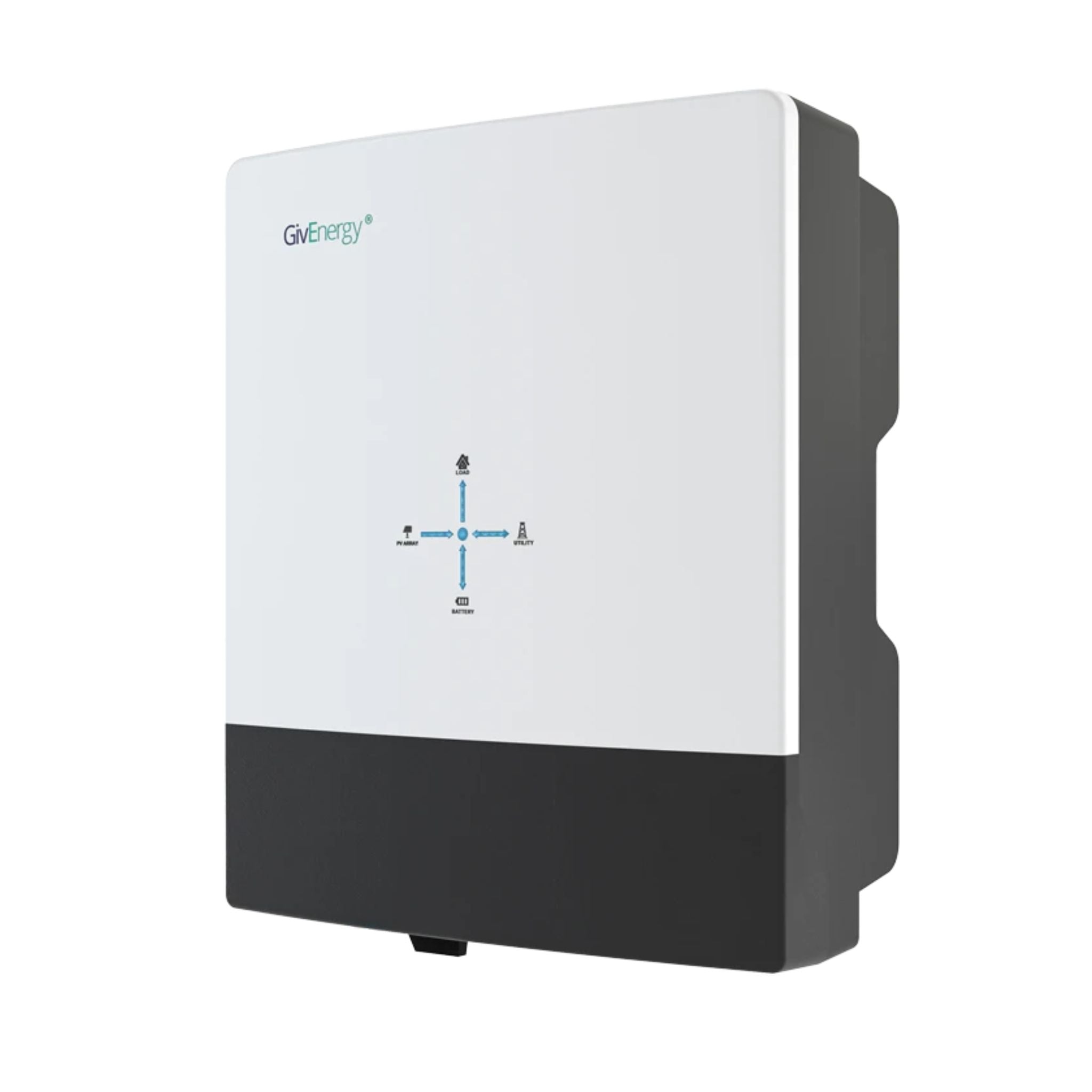
GivEnergy All-in-One 5kW Hybrid Inverter
£1,2005
7.5
2
48V
Affiliate link — we may earn a small commission at no extra cost to you
Battery-Specific Insurance Considerations
Home batteries (particularly lithium-ion) have specific insurance considerations:
- Fire risk: While extremely low with properly installed systems, lithium-ion battery fires do occur. Ensure your insurer knows about the battery and its chemistry.
- Location: Insurers prefer batteries installed in garages or utility rooms rather than living spaces. Installation location can affect cover.
- MCS/approved installer: Having the battery installed by a certified installer is usually required for cover.
- Manufacturer recalls: If a battery is recalled, your insurer may require you to comply immediately.
Most major UK home insurers are now comfortable with domestic battery storage, but it's worth confirming explicitly.
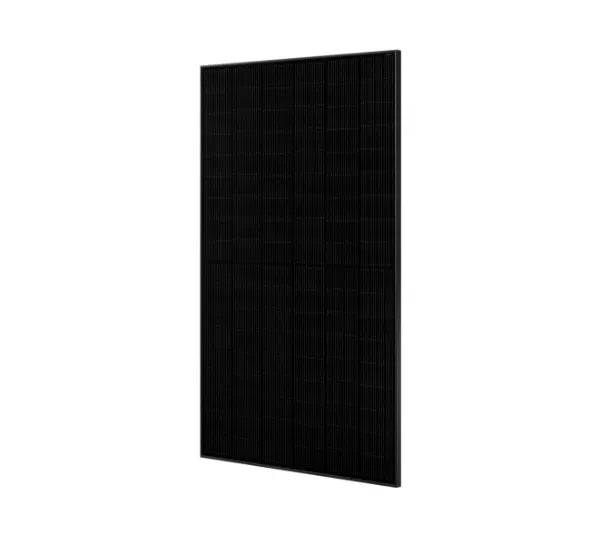
JA Solar JAM54D41 450W N-type TOPCon
£82450
22.8
1722 x 1134 x 30
21.5
Affiliate link — we may earn a small commission at no extra cost to you
Checklist When Installing Solar
- Before installation: Inform your insurer of your plans — some want advance notice
- After installation: Confirm the system details with your insurer
- Update sum insured: Increase rebuild cost to include the system
- Keep documentation: MCS certificate, invoices, warranty documents
- Review annually: At each renewal, confirm solar panels are still listed and the sum insured is adequate
- Battery addition: If you add a battery later, inform your insurer again
Making a Claim
If your solar system is damaged:
- Document the damage — photographs and a description
- Contact your insurer promptly — most policies require notification within a set period
- Get a repair quote — from an MCS-certified installer
- Don't authorise repairs without insurer approval — unless emergency work is needed to prevent further damage
- Check your excess — your policy excess applies per claim
Solar panel claims are typically straightforward because the damage is visible and the repair cost is easily quantifiable.
The bottom line: solar panels and home insurance work well together, provided you do the one essential thing — tell your insurer. The conversation takes 10 minutes and could save you thousands.
Share this article

OVO has carefully selected trusted teams across the UK to install solar panels and heat pumps. Enjoy the personal touch of a local expert with the peace of mind of a household name.
Affiliate link — we may earn a small commission at no extra cost to you
Stay informed
Get free solar updates direct to your inbox
Related reading
Solar Panel Maintenance: What's Actually Needed?
The honest guide to solar panel maintenance in the UK — spoiler: it's less than you think. What you actually need to do, and what you can safely skip.

How Much Do Solar Panels Cost in the UK in 2026?
Realistic UK solar panel costs broken down by system size, installation, and what actually affects the price you'll be quoted.
How Long Do Solar Panels Last? The Honest Answer
Solar panels are rated for 25–30 years, but what does that actually mean? Degradation rates, warranty types, what happens after 25 years, and why inverters are the weak link.


Switch to Octopus Energy
Get 50 credit when you switch. We get 50 too — win-win.
What does this mean for YOUR home?
Design your perfect solar setup in under 3 minutes. Free, no sign-up required.
Build Your Solar System