This page contains affiliate links. If you purchase through them we may earn a small commission at no extra cost to you. Learn more
Are Solar Panels Worth It in the UK? The Honest Answer

The short answer
Yes — for most UK homeowners, solar panels are worth it. A typical 4 kWp (kilowatt-peak — the headline power rating of your system) installation pays for itself in 6–9 years. The panels then carry on generating for another 15–20 years after that. That's a long stretch of significantly reduced electricity bills.
But "worth it" depends on your roof, your usage, and your situation. This article gives you the honest picture, including when solar genuinely does not make sense.
What does it cost?
Prices vary by system size, installer, and region. Rather than quote figures that go out of date, the solar panel costs guide has current typical prices broken down by system size. As a rough guide, a 4 kWp system costs in the region of £5,000–£7,000 installed, based on current market data.
One thing is fixed: residential solar installations in the UK currently attract 0% VAT. That saves several hundred pounds compared to the standard 20% rate, and it applies to panels, inverters, and batteries installed at the same time.
What do you actually save?
The saving comes in two ways:
1. Self-consumption — electricity your panels generate that you use yourself. Every unit (kWh — kilowatt-hour, the standard measure of electricity) you generate and use at home means one unit you don't buy from your supplier. At current standard tariff rates, that's a real saving each time your panels cover your kettle, washing machine, or TV.
2. Export payments — surplus electricity you don't use gets sent back to the grid. Under the Smart Export Guarantee (SEG) — a government-backed scheme that requires suppliers to pay you for exported electricity — you earn a rate per unit exported. Export rates vary by supplier and tariff; see the SEG guide for current figures.
Self-consumption is where the bulk of the value sits. The more you can use during the day, the better the return. A battery (a home storage unit that holds your surplus solar for evening use) dramatically increases how much of your own generation you actually consume.
The payback maths
The concept is simple:
Total system cost ÷ annual saving = years to payback
A system that costs £6,500 and saves you £800 per year pays back in just over 8 years. After that, the electricity is effectively free for the remaining life of the panels — typically another 17–22 years.
Annual savings depend on your electricity usage, how much of your solar you self-consume, and what rate you pay for grid electricity. The solar payback calculator lets you plug in your own numbers.
When solar is NOT worth it
Solar makes sense for most homes — but not all. Be honest with yourself about these:
Heavy shading
If your roof is significantly shaded by trees, chimneys, or neighbouring buildings for most of the day, your generation will be substantially reduced. A professional installer should carry out a shading analysis before you commit. If more than 20–30% of your roof area is in shade during peak hours, solar will underperform.
A very small or awkward roof
A tiny roof area — say under 15 square metres of usable south-facing space — limits how many panels you can fit. Fewer panels means lower generation and a longer payback. This is worth checking before getting quotes, especially for terraced houses with only a narrow rear slope.
Planning to sell within 2–3 years
Solar does add value to a property — a 2023 Rightmove study found an average uplift of around 1.8%, and the EPC improvement of 1–2 bands is increasingly meaningful to buyers and mortgage lenders. But you won't have recouped the upfront cost in under three years of bill savings alone. If you're planning to move soon, the financial case is weaker (though a selling point for buyers). Get a fresh EPC after installation to formally record the improvement — it costs £60–£120 and is valid for 10 years. You can check your current EPC rating and order a new assessment online. (Affiliate link — we may earn a small commission at no extra cost to you.)
Listed buildings or strict conservation areas
Many listed buildings require listed building consent for solar panels, and conservation area restrictions can block installations altogether. Always check with your local planning authority before spending money on surveys. There are sometimes sympathetic options — for example, panels hidden behind a parapet — but it's worth confirming before you start.
Renting
As a tenant, you can't install panels without the landlord's agreement, and you'd be improving an asset you don't own. Some landlords are open to it, but it requires a specific arrangement about cost and ownership.
0% VAT: take advantage while it lasts
Residential solar in the UK currently benefits from 0% VAT, saving you 20% compared to standard rate. This policy has been extended, but it could change in future budgets. If you're seriously considering solar, factor this in — the saving on a £6,500 system is over £1,000.
Who benefits most?
Solar works best for:
- High daytime electricity users — people who work from home, households with children, or homes with electric heating or a heat pump. The more you use during the day, the more of your own generation you consume.
- South, southeast, or southwest-facing roofs — optimal orientation, though east/west-split roofs perform within 15–20% of a south-facing equivalent.
- Homeowners planning to stay put — the longer you're in the property, the more years of free electricity you enjoy after payback.
- Households with or planning an EV — charging your car on your own solar generation is one of the most effective ways to use surplus generation. Pairing solar with an EV charger and a smart tariff can dramatically reduce motoring costs.
The honest bottom line
Solar panels are not a get-rich-quick scheme. They're a long-term infrastructure investment — more like replacing a boiler than buying shares. The payback period is real and takes the best part of a decade. But after that, you have 15–20 years of reduced bills, and you're protected from future electricity price rises on the portion you self-generate.
If your roof is suitable, you own your home, and you're not planning to move within 3–4 years, solar is almost certainly worth exploring. Get two or three quotes, ask each installer to model your specific usage, and look at the numbers.
For a fuller picture of the trade-offs, see the pros and cons guide.
Share this article

Energy-saving LED lighting — make the most of your solar electricity with efficient bulbs and fixtures
Affiliate link — we may earn a small commission at no extra cost to you
Stay informed
Get free solar updates direct to your inbox
Related reading
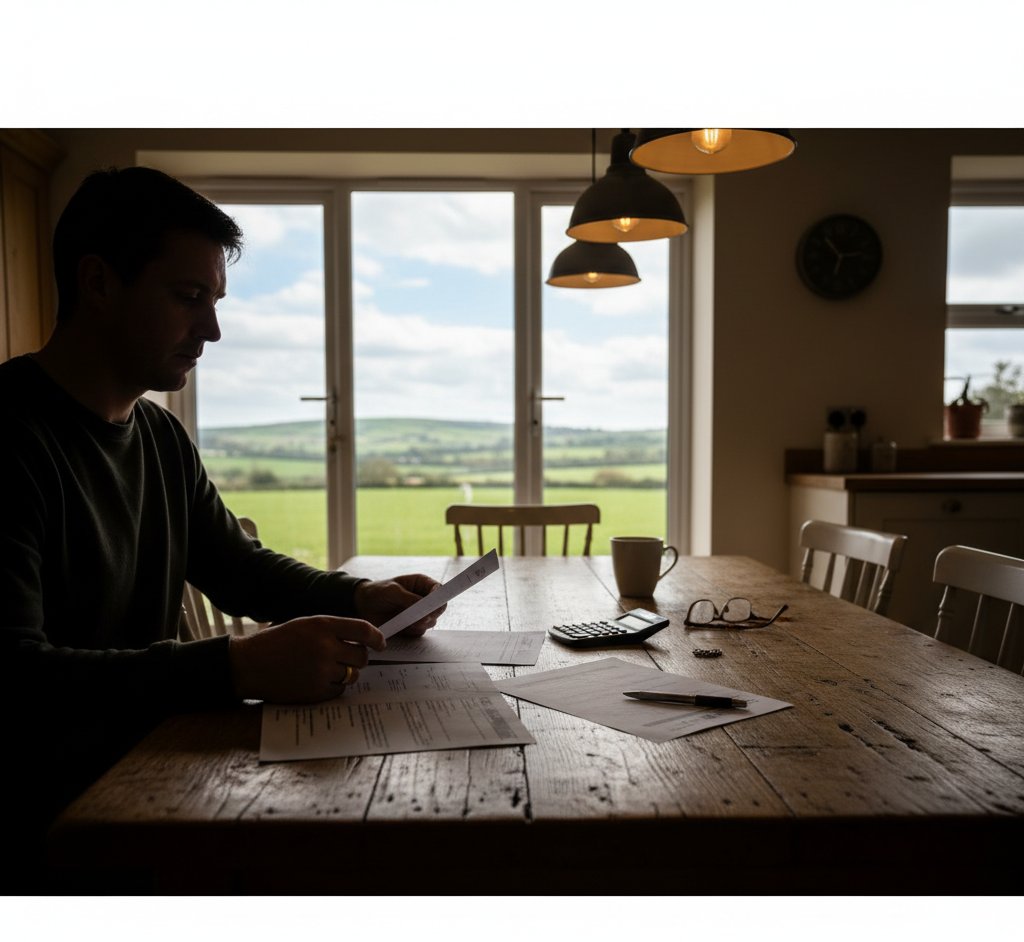
How Much Do Solar Panels Cost in the UK in 2026?
UK solar panel costs 2026: realistic prices by system size, what is included, and what to push back on in your quote.
Solar Panel Payback Calculator UK
Calculate your solar panel payback period in the UK. Understand the real factors that determine how quickly solar pays for itself — with worked examples.

Solar Panels Pros and Cons: The Honest UK Guide
Solar panel pros and cons for UK homes. Genuine advantages, real disadvantages, and what the salespeople won't tell you.


Switch to Octopus Energy
Get 50 credit when you switch. We get 50 too — win-win.
What does this mean for YOUR home?
Design your perfect solar setup in under 3 minutes. Free, no sign-up required.
Build Your Solar System