This page contains affiliate links. If you purchase through them we may earn a small commission at no extra cost to you. Learn more
Solar Panel Payback Calculator UK

The payback period is the single most important number in any solar decision. It tells you how many years until the system has paid for itself through savings and income — and everything after that is essentially free electricity.
The Basic Payback Formula
At its simplest:
Payback period = Total system cost ÷ Annual financial benefit
The annual financial benefit has two parts:
- Savings on electricity you don't buy — every kWh you generate and use yourself saves you whatever your import tariff is (typically ~24.5p/kWh in April 2026)
- Export income — every kWh you generate but don't use gets exported to the grid and earns you a Smart Export Guarantee (SEG) payment (3.3–15p/kWh depending on tariff in April 2026, with best fixed rates around 15p)
The difference between those two rates is why self-consumption matters so much. Using a generated kWh yourself is worth roughly twice as much as exporting it.
Worked Example: A Typical 4kW System
Let's walk through a realistic scenario for a south-facing 4kW system in the Midlands:
System cost: £7,200 (installed, including VAT at 0%)
Annual generation: ~3,600 kWh
Self-consumption rate: 45% (no battery)
Self-consumed electricity: 1,620 kWh × 24.5p = £397 saved
Exported electricity: 1,980 kWh × 12p (Octopus SEG) = £238 earned
Total annual benefit: £635
Payback period: £7,200 ÷ £635 = 11.3 years
Now let's see what happens with different assumptions.
The Factors That Move the Needle
Self-Consumption Rate
This is the single biggest lever. If you're at home during the day — working from home, retired, running appliances during peak generation — you'll use more of what you generate.
| Self-Consumption Rate | Annual Benefit (4kW) | Payback |
|---|---|---|
| 30% | £499 | 14.4 years |
| 45% | £635 | 11.3 years |
| 60% | £770 | 9.4 years |
| 75% (with battery) | £905 | 8.0 years |
The jump from 30% to 60% self-consumption knocks nearly five years off your payback.
Electricity Price
Your payback calculation is heavily sensitive to the electricity price you're avoiding. UK electricity prices have been volatile:
- 2021: ~21p/kWh
- 2022–2023: 28–34p/kWh (energy crisis)
- 2024–2025: 24–28p/kWh
- 2026: ~24.5p/kWh on standard variable tariff (price cap)
If prices rise, your payback improves. If they fall, it worsens. A conservative approach is to calculate at today's prices and treat future increases as a bonus.
Roof Orientation and Tilt
A south-facing roof at 30–35° tilt is optimal and generates the most per kWp installed. East/west splits lose around 15–20% of annual generation, which directly extends payback.
If your roof faces east-west, you might need a slightly larger system to achieve the same financial outcome — but the cost per panel is the same, so payback per pound spent is worse.
Regional Variation
Solar generation varies across the UK by roughly 20% from south to north:
- South Coast: ~1,050 kWh/kWp/year
- Midlands: ~900 kWh/kWp/year
- Central Scotland: ~800 kWh/kWp/year
- Northern Scotland: ~750 kWh/kWp/year
This means a system in Inverness takes roughly 25% longer to pay back than the same system in Brighton, all else being equal.
What About Batteries?

Adding a battery typically costs £2,500–£5,000 for a usable 5–10 kWh capacity. A battery lets you store daytime generation for evening use, pushing self-consumption from a typical 35–50% up to 70–85%.
But the maths isn't straightforward. You're spending more upfront to capture savings that are individually small (the difference between export rate and import rate, per kWh shifted).
Battery Payback Rule of Thumb
A battery saves you the "spread" between import and export price for each kWh it shifts. At 24.5p import and 12p export, that's 12.5p per kWh shifted. A 5 kWh battery cycling once daily saves roughly £228/year. At a cost of £3,000, the battery alone has an 13–14 year payback — which is close to its warranty life. Batteries make financial sense when the spread is wider (e.g., on time-of-use tariffs) or when you value resilience.
For a detailed breakdown, see our battery payback analysis.

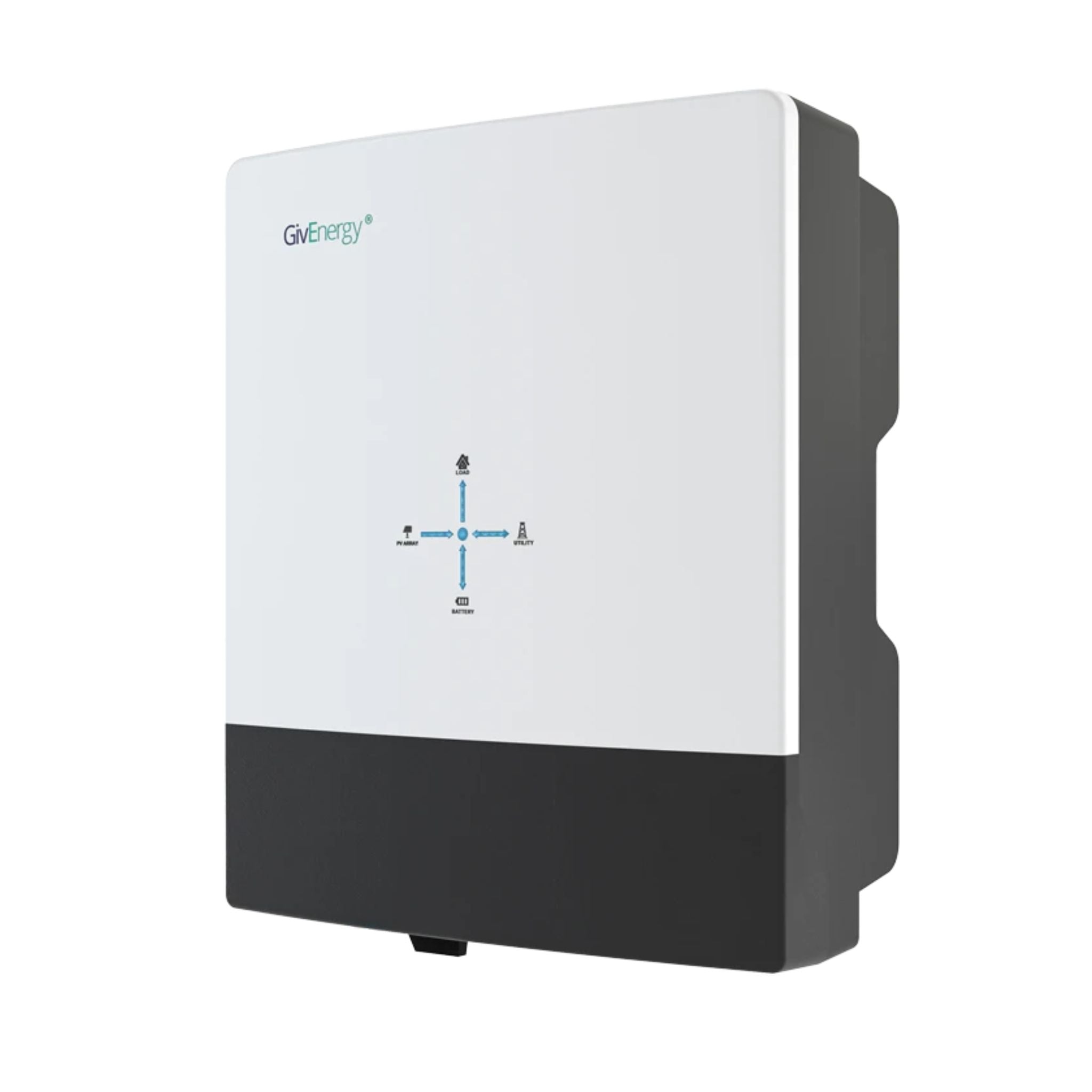
GivEnergy All-in-One 5kW Hybrid Inverter
£1,2005
7.5
2
48V
Affiliate link — we may earn a small commission at no extra cost to you
Factors People Forget
Degradation
Solar panels degrade at roughly 0.4–0.5% per year. Over 25 years, a panel will produce about 87–90% of its original output. This slightly extends your payback versus a straight-line calculation, but the effect is small — maybe adding 3–6 months to the payback period.
Inverter Replacement
String inverters typically last 10–15 years and cost £800–£1,200 to replace. If your payback period is 9 years, you'll need to factor in an inverter swap before the 25-year panel life is up. Microinverters generally last longer (20–25 years) but cost more upfront.
Maintenance Costs
Solar panels require very little maintenance. Occasional cleaning in areas with heavy soiling (near trees, busy roads) and an annual visual check are about it. Budget £50–£100 per year if you want to be cautious, though many homeowners spend nothing.
Electricity Price Inflation
Historically, UK electricity prices have risen faster than general inflation. If electricity prices rise at 3–5% per year above inflation, your payback improves significantly because each kWh you generate avoids a higher cost. Many solar calculators build in a price escalator — be aware of how aggressive the assumption is.
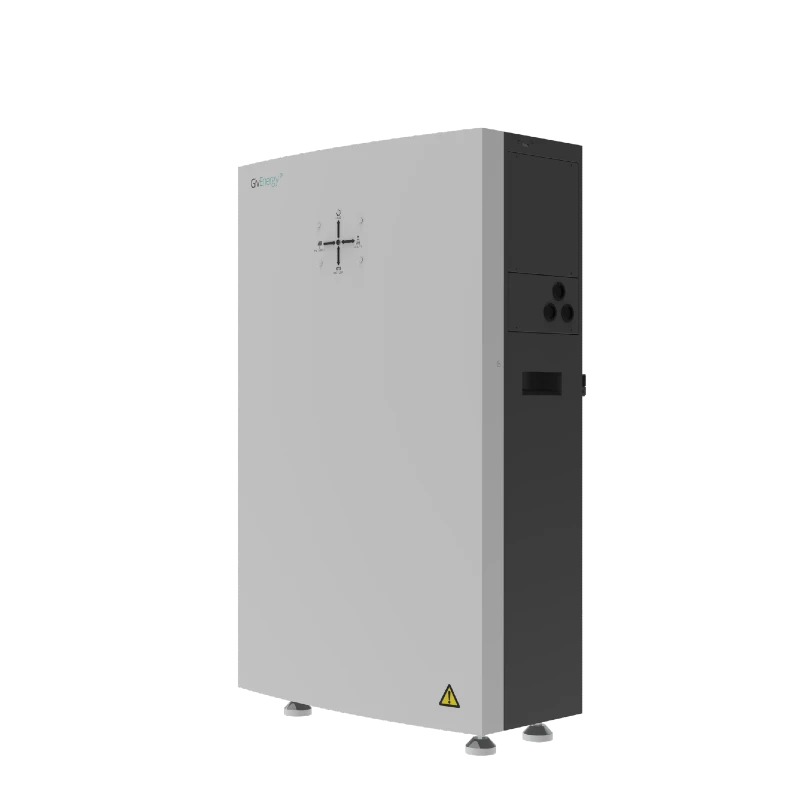
GivEnergy All-in-One 9.5kWh Battery
£5,5009.5
8.6
LFP
6000
Affiliate link — we may earn a small commission at no extra cost to you
A Realistic Range
For a well-specified system installed at a fair price in 2026:
| Scenario | System | Payback |
|---|---|---|
| Best case (south-facing, high usage, south England) | 4kW, no battery | 6–7 years |
| Typical case (reasonable orientation, average usage) | 4kW, no battery | 8–10 years |
| Conservative case (east-west, lower usage, Scotland) | 4kW, no battery | 11–14 years |
| With battery (typical) | 4kW + 5kWh battery | 9–12 years |
After payback, a solar system generating £600–£1,000 per year in value will continue doing so for another 15+ years. The total lifetime financial benefit is typically £10,000–£20,000 beyond the payback point.
What Payback Period Is "Good Enough"?
There's no universal answer, but useful benchmarks:
- Under 7 years: Excellent. You're getting a very strong return.
- 7–10 years: Good. This is where most well-installed UK systems land.
- 10–13 years: Acceptable if you plan to stay in the home long-term.
- Over 13 years: Worth questioning whether the installation price is fair or whether the system is well-suited to your home.
Remember that payback isn't the only metric. Solar also increases property value, improves your EPC rating, and provides a hedge against future electricity price rises.
The first step to understanding your personal payback is knowing how much electricity your system could generate based on your specific roof.
Bill breakdown
See exactly where your electricity bill goes with solar. Adjust the sliders to match your situation.
3,500 kWh
4 kW (9 x 450W)
None
Share this article

OVO has carefully selected trusted teams across the UK to install solar panels and heat pumps. Enjoy the personal touch of a local expert with the peace of mind of a household name.
Affiliate link — we may earn a small commission at no extra cost to you
Stay informed
Get free solar updates direct to your inbox
Related reading

How Much Do Solar Panels Cost in the UK in 2026?
Realistic UK solar panel costs broken down by system size, installation, and what actually affects the price you'll be quoted.

Solar ROI by System Size: 3kW vs 4kW vs 5kW vs 6kW
Compare the return on investment for 3kW, 4kW, 5kW, and 6kW solar panel systems in the UK. Which system size gives the best financial return for your home?
How Much Electricity Do Solar Panels Generate in the UK?
Real kWh figures for UK solar systems by size, region, and orientation — including seasonal variation, the effect of roof angle, and why real-world output differs from the spec sheet.


Switch to Octopus Energy
Get 50 credit when you switch. We get 50 too — win-win.
What does this mean for YOUR home?
Design your perfect solar setup in under 3 minutes. Free, no sign-up required.
Build Your Solar System