This page contains affiliate links. If you purchase through them we may earn a small commission at no extra cost to you. Learn more
Bifacial Solar Panels: Double-Sided Generation

How bifacial panels work
A conventional (monofacial) solar panel has solar cells on the front and an opaque backsheet on the rear. A bifacial panel has solar cells (or at least a transparent or reflective rear surface) on both sides, allowing it to capture light from both directions.
The front generates electricity from direct and diffuse sunlight, just like any panel. The rear generates from albedo — light reflected off the ground, roof, or surrounding surfaces that reaches the back of the panel.
The key to bifacial performance is what's behind and beneath the panel. A white roof or light-coloured surface reflects much more light to the rear cells than dark roof tiles or tarmac.
Where bifacial gains come from
The additional generation from the rear side depends on several factors:
Surface reflectivity (albedo)
| Surface | Albedo (reflectivity) | Estimated bifacial gain |
|---|---|---|
| Fresh snow | 80–90% | 20–30% |
| White membrane roof | 60–80% | 15–25% |
| Light gravel | 40–60% | 10–20% |
| Light concrete | 30–50% | 8–15% |
| Green grass | 15–25% | 5–10% |
| Dark roof tiles | 5–15% | 2–5% |
| Black tarmac | 5–10% | 1–3% |
Mounting height
The higher the panel is above the reflecting surface, the more reflected light can reach the rear. Panels flush-mounted on a roof with minimal gap receive almost no rear illumination. Panels elevated 0.5–1m on a ground mount receive significantly more.
Tilt angle and row spacing
Bifacial panels perform better at steeper tilt angles and with wider row spacing (in ground-mount arrays), which allows more light to reach the rear surface.
Bifacial on a UK pitched roof
Here's the honest assessment: most UK pitched-roof installations won't see meaningful bifacial benefit.
The reasons:
- Minimal gap — panels are typically mounted 10–15cm above roof tiles on standard rail mounting. This tiny gap allows very little reflected light to reach the rear.
- Dark surfaces — most UK roofs are slate or dark tile, with low albedo. There's simply not much light to reflect.
- Shading from the roof — the roof surface beneath the panel is in the panel's own shadow for most of the day, further reducing rear illumination.
Realistic bifacial gain on a typical UK pitched roof: 2–5%, possibly less. At a panel premium of 10–20%, the maths doesn't work.
Marketing hype vs reality
Some panel manufacturers heavily promote bifacial technology, quoting gains of "up to 30%". These figures come from ideal conditions — elevated mounting over white surfaces in sunny climates. On a UK roof with dark tiles, expect a fraction of these claims. Don't pay a premium based on best-case marketing numbers.
Where bifacial panels do make sense
Ground-mounted systems
This is where bifacial panels genuinely earn their keep. A ground-mounted array elevated 0.5–1m above grass or light-coloured surface can achieve 8–15% bifacial gain. If the ground is covered with white gravel or a reflective membrane, gains of 15–25% are realistic.
For UK farms, commercial sites, or large gardens with ground-mounted solar, bifacial panels are worth the modest premium.
Flat commercial roofs
Large flat roofs with white waterproof membranes are excellent for bifacial panels mounted on tilted frames. The white surface reflects light to the rear, and the mounting framework provides the necessary elevation. Commercial installations on warehouse and industrial roofs increasingly use bifacial panels for this reason.
Canopies and carports
Solar canopies over car parks or driveways are elevated well above the ground surface. Light concrete or tarmac beneath provides albedo, and the elevation allows ample rear illumination. Bifacial panels make excellent carport coverings.
Vertical installations (east-west facing)
An emerging niche: bifacial panels mounted vertically on fences, walls, or purpose-built frames, oriented east-west. The front captures morning sun, the rear captures afternoon sun (or vice versa). This produces a generation profile that better matches morning and evening demand, and can achieve surprisingly good annual yields.
Bifacial + tracker = maximum gain
The highest bifacial gains come from single-axis tracker systems in ground-mounted arrays. The tracker follows the sun, and the rear side picks up ground-reflected and diffuse light throughout the day. This is a commercial/utility-scale solution, not residential, but it demonstrates the technology's potential.
Bifacial panel options in 2026
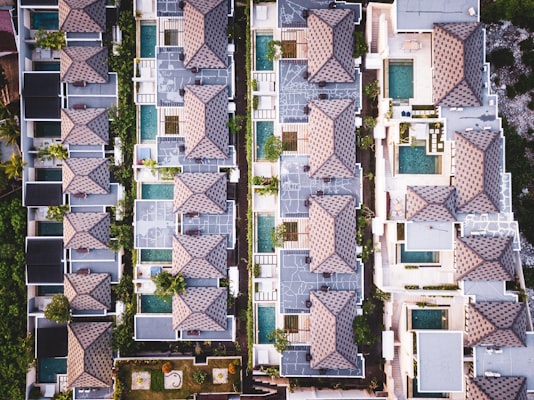
Most tier-1 panel manufacturers now offer bifacial variants of their flagship models. The bifacial version typically uses a transparent glass or clear backsheet instead of an opaque white one.
Common bifacial panels available in the UK:
- Trina Solar — Vertex S+ bifacial variants
- Canadian Solar — HiKu and BiHiKu range
- LONGi — Hi-MO series with bifacial options
- JA Solar — DeepBlue bifacial variants
The price premium for bifacial is typically 5–15% over the equivalent monofacial panel. In a competitive market, some bifacial panels are priced at parity with monofacial.
The cost-benefit calculation
For a pitched UK roof installation:
- Panel premium: ~£20–£40 per panel extra for bifacial
- System cost increase: £160–£500 for a 10-panel system
- Extra generation: 2–5% = roughly 80–200 kWh/year more from a 4kW system
- Extra income/savings: £20–£60/year
- Payback of premium: 3–15 years
It's not terrible, but it's not compelling either. The same money invested in one or two extra monofacial panels would produce more additional electricity.
For a ground-mounted installation:
- Extra generation: 10–20% = 400–800 kWh/year more
- Extra income/savings: £100–£240/year
- Payback of premium: 1–3 years
Now the maths works.
Should you choose bifacial?
Yes, if:
- You're installing a ground-mounted system
- Your flat roof has a light-coloured surface
- You're building a solar carport or canopy
- Bifacial panels are available at the same price as monofacial (increasingly common)
Probably not, if:
- You have a standard UK pitched roof with dark tiles
- Panels will be flush-mounted with minimal gap
- You're paying a significant premium for bifacial
If your installer offers bifacial panels at no extra cost (or a trivial premium), take them — even a 2–3% gain is free energy. But don't pay a meaningful premium for bifacial on a dark pitched roof. The physics simply don't support the investment.
For standard UK rooftop installations where bifacial gains are minimal, these monofacial panels offer the best value:
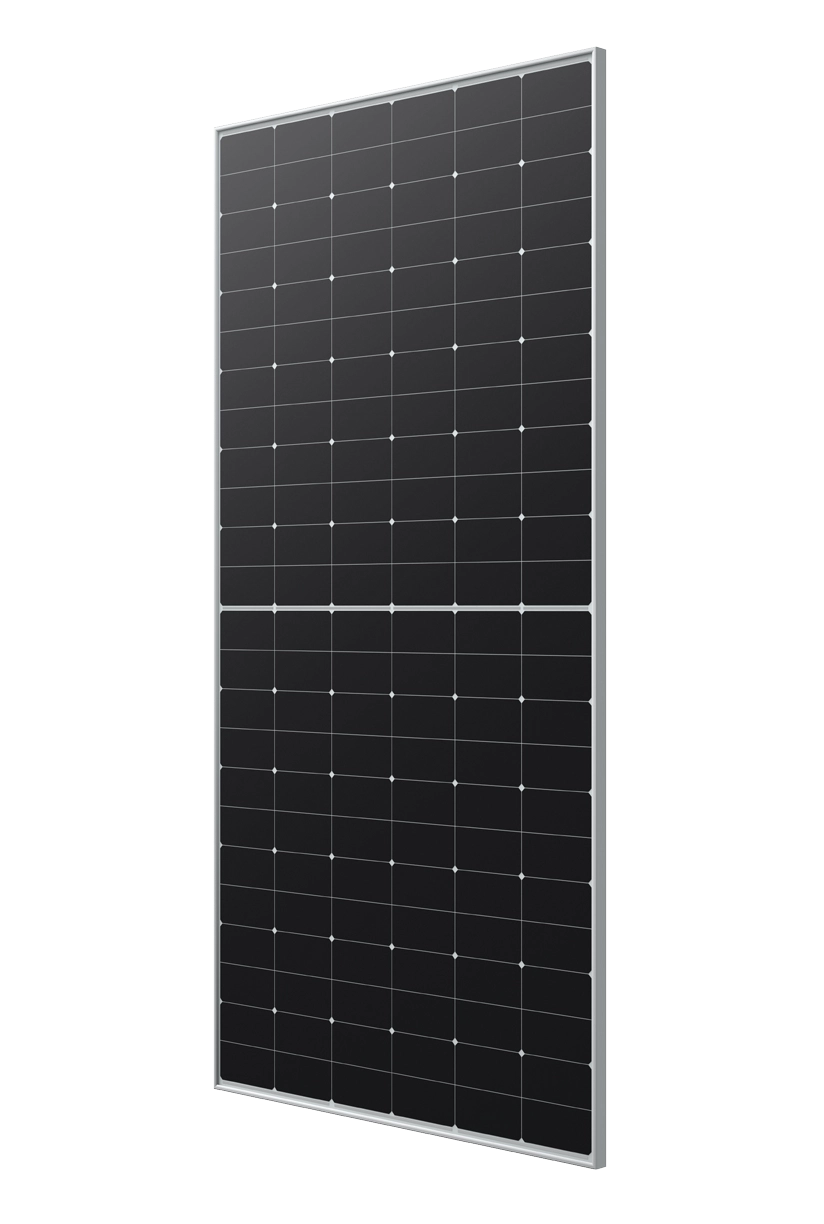
LONGi Hi-MO X6 450W
£85450
23
1722 x 1134 x 30
21.3
Affiliate link — we may earn a small commission at no extra cost to you
A solid Tier 1 alternative at a competitive price point:
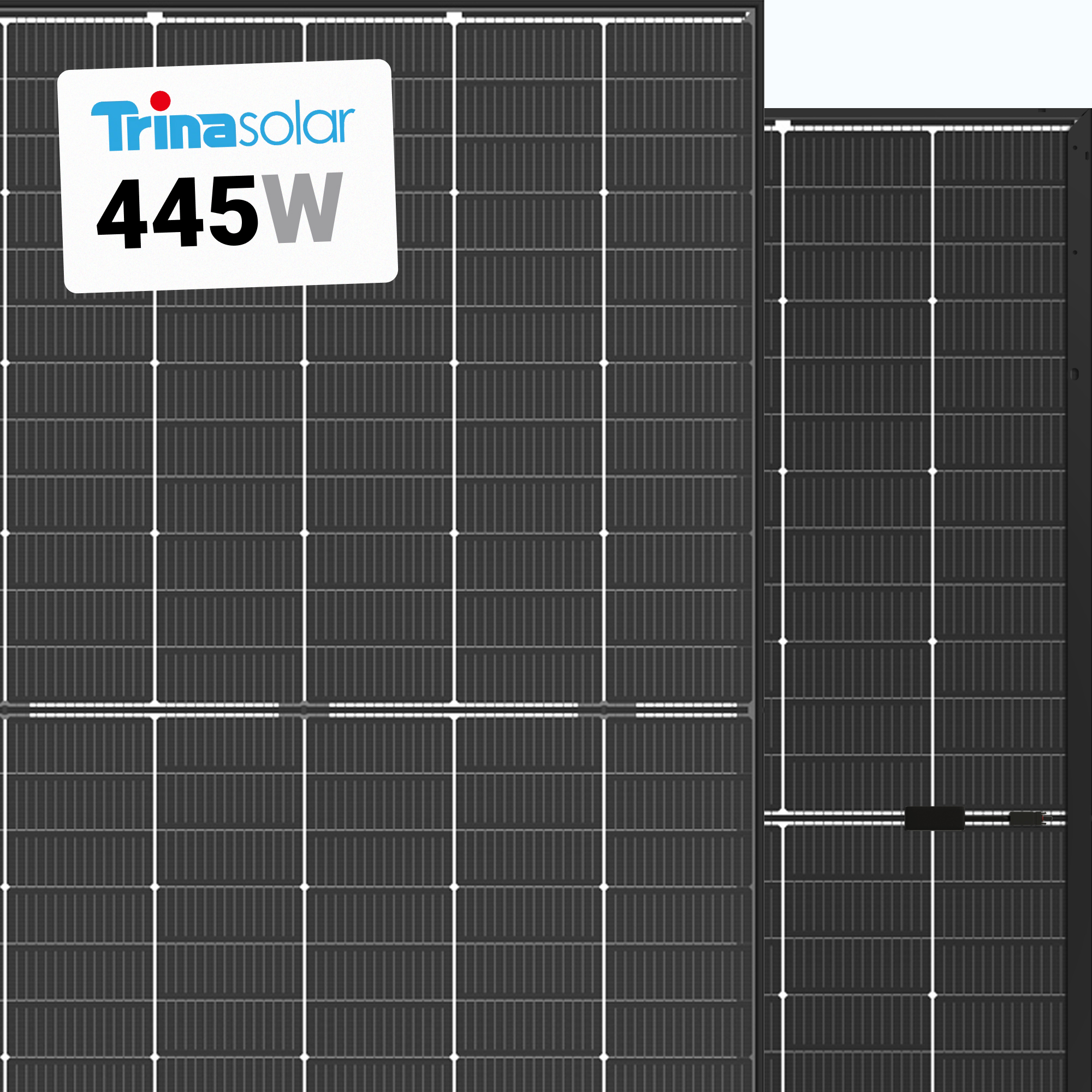
Trina Solar Vertex S+ 445W
£75445
22.5
1762 x 1134 x 30
21.8
Affiliate link — we may earn a small commission at no extra cost to you
Share this article

Leading UK provider of electric car charging cables and EV accessories. Cables for all UK and EU models, with fast delivery and expert support.
Affiliate link — we may earn a small commission at no extra cost to you
Stay informed
Get free solar updates direct to your inbox
Related reading
Solar Panel Efficiency: What It Means and Why It's Not Everything
Panel efficiency explained plainly — what the percentage actually means, why the gap between 20% and 22% barely matters for most UK homes, and what you should actually be comparing.
Best Solar Panels for UK Homes 2026
An honest look at the best solar panels available for UK homes in 2026 — covering JA Solar, Trina, Canadian Solar, and LONGi, with real specs and what to look for.
How Do Solar Panels Work? A Simple Explanation
A plain-English explanation of the photovoltaic effect, how solar electricity gets from your roof into your home, and what happens at night or on cloudy days.


Switch to Octopus Energy
Get 50 credit when you switch. We get 50 too — win-win.
What does this mean for YOUR home?
Design your perfect solar setup in under 3 minutes. Free, no sign-up required.
Build Your Solar System