This page contains affiliate links. If you purchase through them we may earn a small commission at no extra cost to you. Learn more
Bird Proofing Solar Panels: Preventing Pigeon Problems
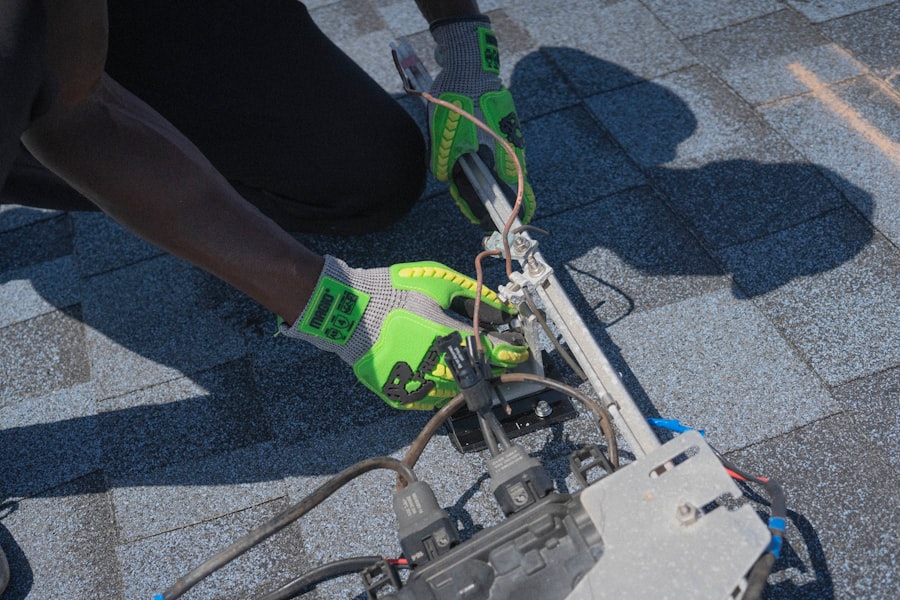
Pigeons love solar panels. The gap between panels and your roof creates a warm, sheltered space that's perfect for nesting. Left unchecked, bird infestations can cause real problems — from reduced panel performance to roof damage and noise. Bird proofing is a simple, affordable preventive measure.
Why Pigeons Target Solar Panels
The gap between your solar panels and the roof surface (typically 80–150mm) creates an almost ideal nesting environment:
- Sheltered from rain and wind — The panels act as a roof within a roof
- Warm — Panels absorb heat, creating a warmer microclimate underneath
- Predator-free — Cats and birds of prey can't easily access the space
- Elevated — Pigeons prefer high nesting spots
Once a pair of pigeons establishes a nest, they're persistent. Pigeons can breed year-round in the UK, producing multiple clutches per year. Within a season, a single pair can lead to a significant population under your panels.
What Problems Do Birds Cause?
Performance Reduction
Bird droppings on panel surfaces block sunlight and reduce generation. Pigeon droppings are particularly problematic because they're large, sticky, and acidite. A heavy coating of droppings on one panel in a string can reduce output from the entire string.
Roof Damage
Nesting material, droppings, and feathers accumulate under panels over time. This can:
- Block rainwater drainage channels on the roof
- Trap moisture against tiles, encouraging moss and deterioration
- Cause debris to pile up in gutters
- In extreme cases, damage or displace roof tiles
Noise
Pigeons coo. Loudly. At 5am. If they're nesting directly under panels above a bedroom, the noise can be genuinely disruptive.
Health
Pigeon droppings carry pathogens including Psittacosis and Histoplasmosis. While the risk to homeowners is low under normal circumstances, accumulated droppings create a hygiene concern, especially if you need to access the roof.
Wiring Damage
Pigeons and other birds occasionally peck at the cables running beneath panels. Damaged DC cabling is a fire risk and an expensive repair.
Don't Disturb Active Nests
Under the Wildlife and Countryside Act 1981, it's an offence to intentionally destroy or disturb the nest of any wild bird while it's being built or in use. If pigeons have already nested under your panels, you must wait until the nest is no longer in use before removing it and installing bird proofing. This typically means waiting until fledglings have left.
Bird Proofing Options
Mesh / Critter Guard (Recommended)
Galvanised steel or stainless steel mesh clips to the edges of your solar panels, sealing the gap between the panel frame and the roof surface. This is the most popular and effective solution.
How it works: Mesh panels (typically 150mm high) are attached using specialist clips that grip the panel frame edge — no drilling through the roof or panel. The mesh runs around the entire perimeter of the panel array, preventing birds from entering.
Cost: £300–600 for a standard 10-panel system, fitted. If installed at the same time as the panels, the cost is usually at the lower end because scaffolding is already in place.
Pros:
- Highly effective — birds physically cannot enter
- Does not affect panel performance or ventilation
- Easy to install, non-destructive
- Lasts the lifetime of the panels
- Can be installed retrospectively
Cons:
- Adds to the visual bulk of the panel array slightly
- Needs scaffolding if installed retrospectively (£300–500 additional)
Plastic Spikes
Spike strips placed along the panel edges and on the roof surface near panels. Spikes deter birds from landing but don't physically prevent access underneath.
Cost: £100–250 for a 10-panel system. Effectiveness: Moderate — determined pigeons will work around spikes.
Bird Netting
Fine netting stretched over or around the panel area. Less robust than mesh and can sag or tear over time.
Cost: £150–300. Effectiveness: Moderate — can degrade in UV light and weather.
Install Bird Proofing with Your Panels
The ideal time to install bird proofing is the same day as your solar panel installation, while scaffolding is up. Ask your installer if they offer bird proofing as part of the package. Adding it later means paying for scaffolding again, which often costs more than the bird proofing itself.
Retrofit Bird Proofing
If your panels are already installed and birds have moved in:
- Wait for any active nests to be vacated (legal requirement)
- Book a specialist — Many solar maintenance companies and pest control firms offer bird proofing
- Clean first — Before fitting mesh, the area under panels should be cleaned of droppings, nesting material, and debris. This is unpleasant work and best left to professionals with appropriate PPE
- Fit mesh — The mesh is then installed around the panel perimeter
- Expect costs of £500–900 — Higher than new-install bird proofing due to scaffolding and cleaning
Do You Definitely Need Bird Proofing?
Not every installation attracts birds. Whether you need bird proofing depends on:
- Your area — Urban areas with large pigeon populations (particularly near fast food outlets, stations, or town centres) are high risk
- Existing bird activity — If pigeons already roost on your roof, they'll almost certainly investigate your panels
- Roof type — Low-pitch roofs with larger gaps under panels are more attractive to birds
- Neighbouring properties — If neighbours have unprotected solar panels with pigeon problems, yours will attract them too
If you're in a pigeon-heavy area, bird proofing at installation is strongly recommended. The cost is modest compared to the potential problems and the expense of retrofitting later.
Other Animals
While pigeons are the main culprit, other visitors include:
- Squirrels — Can gnaw through wiring. Mesh stops them.
- Starlings — Nest in similar locations. Mesh effective.
- Jackdaws — Build large nests that can block ventilation. Mesh effective.
Bird proofing mesh protects against all of these.
When choosing panels that minimise the gap for bird nesting, low-profile options with good frame design help. Here's what we'd recommend:
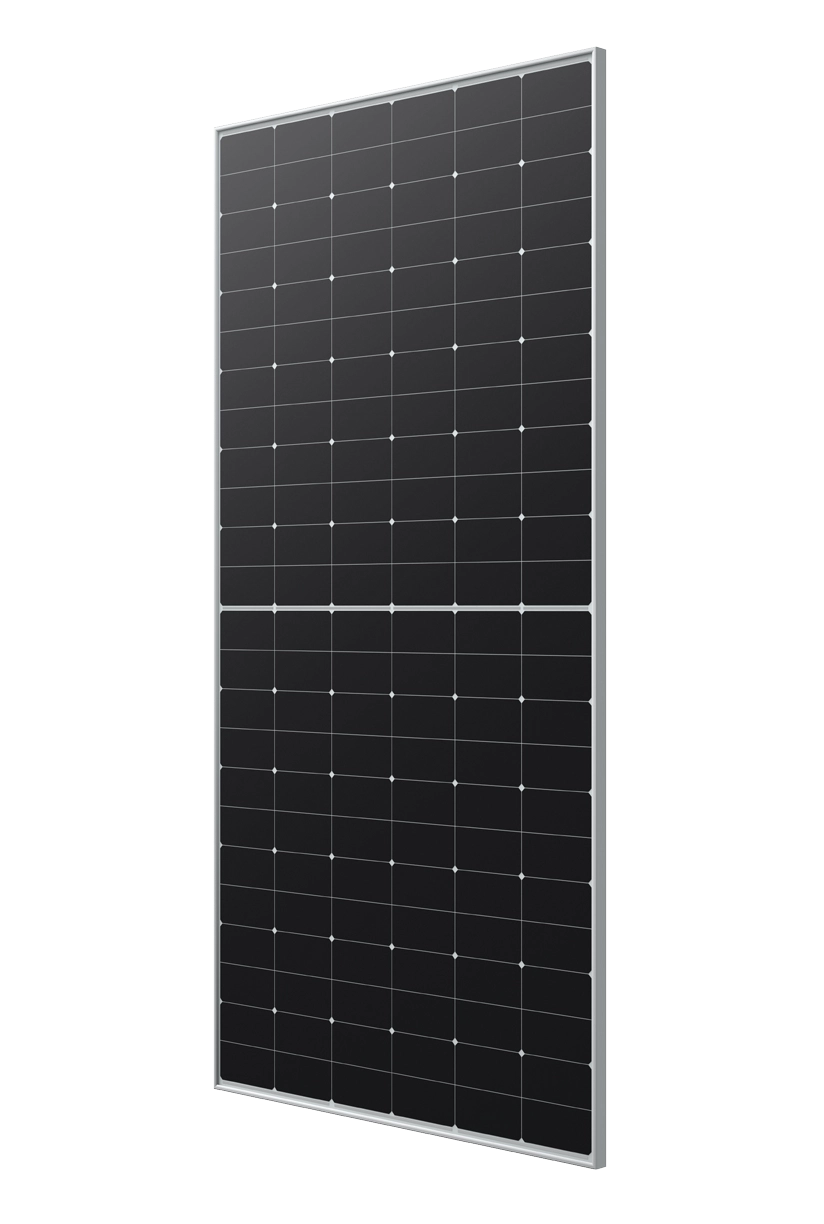
LONGi Hi-MO X6 450W
£85450
23
1722 x 1134 x 30
21.3
Affiliate link — we may earn a small commission at no extra cost to you
Another excellent choice with a clean frame design:
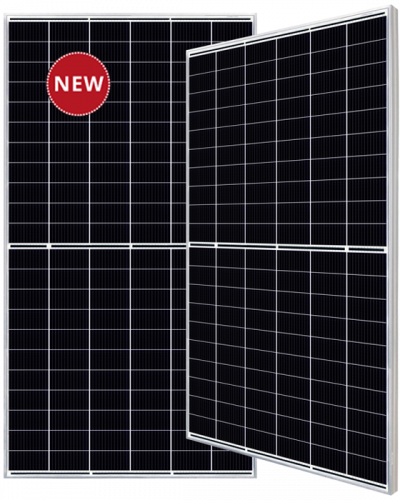
Canadian Solar HiKu7 455W
£80455
22.9
1762 x 1134 x 30
22
Affiliate link — we may earn a small commission at no extra cost to you
Share this article

OVO has carefully selected trusted teams across the UK to install solar panels and heat pumps. Enjoy the personal touch of a local expert with the peace of mind of a household name.
Affiliate link — we may earn a small commission at no extra cost to you
Stay informed
Get free solar updates direct to your inbox
Related reading
Solar Panel Maintenance: What's Actually Needed?
The honest guide to solar panel maintenance in the UK — spoiler: it's less than you think. What you actually need to do, and what you can safely skip.
How Long Do Solar Panels Last? The Honest Answer
Solar panels are rated for 25–30 years, but what does that actually mean? Degradation rates, warranty types, what happens after 25 years, and why inverters are the weak link.
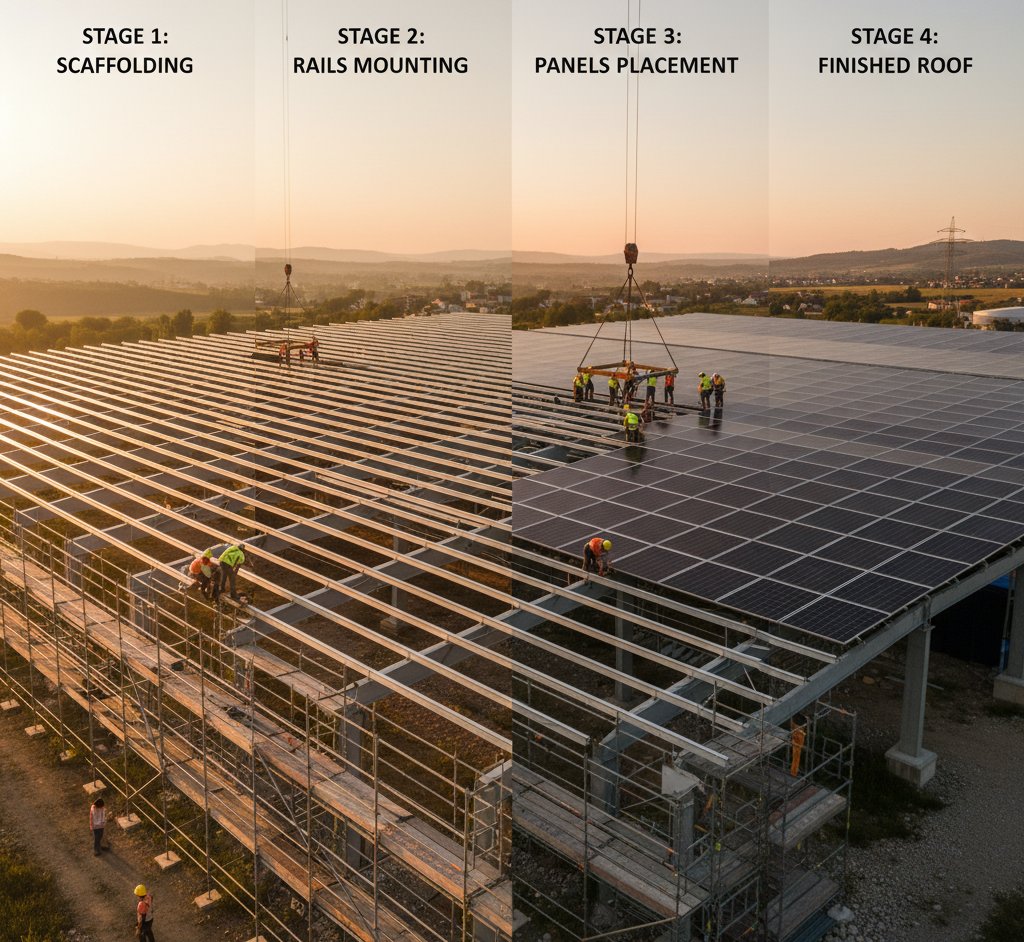
The Solar Panel Installation Process: Step by Step
What happens during a solar panel installation from first quote to switch-on. A step-by-step guide to the UK solar installation process for homeowners.


Switch to Octopus Energy
Get 50 credit when you switch. We get 50 too — win-win.
What does this mean for YOUR home?
Design your perfect solar setup in under 3 minutes. Free, no sign-up required.
Build Your Solar System