This page contains affiliate links. If you purchase through them we may earn a small commission at no extra cost to you. Learn more
Solar Panel Maintenance: What's Actually Needed?
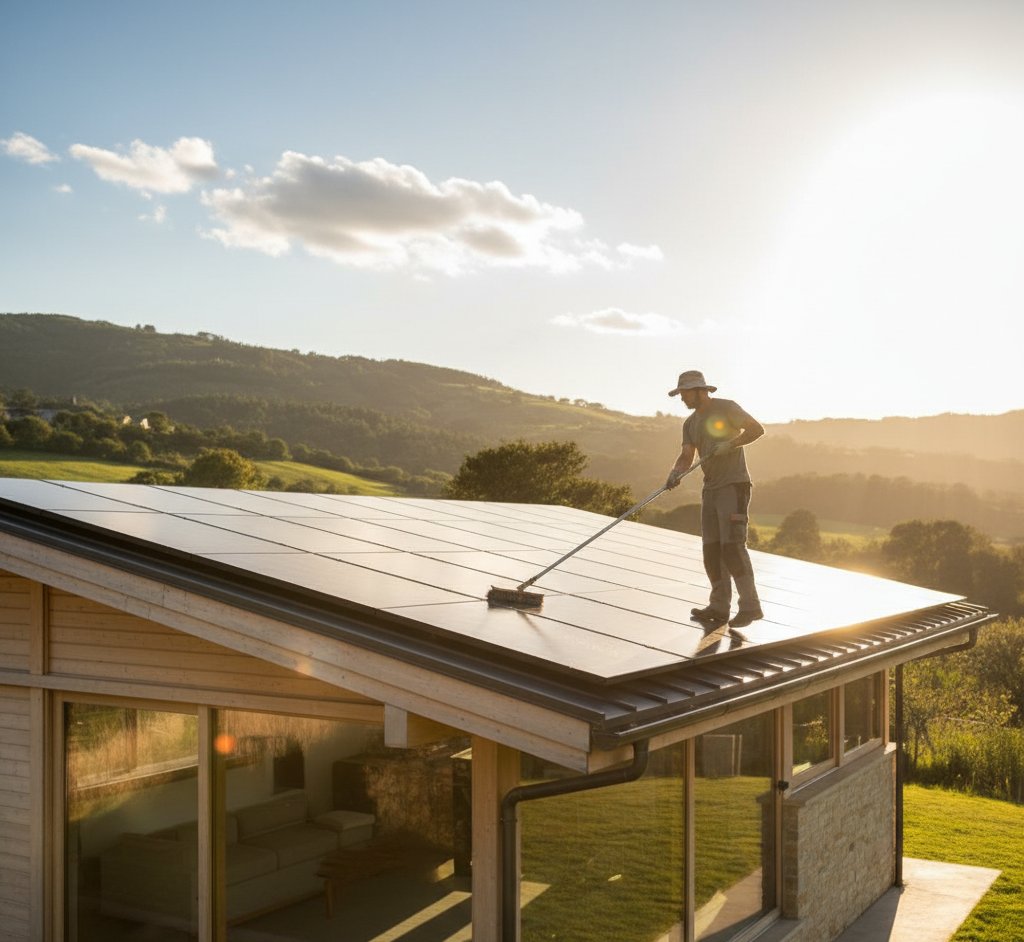
The honest answer: not much
If you're researching solar panels and worrying about maintenance costs eating into your savings — relax. Solar panels are one of the lowest-maintenance home improvements you can make. There are no moving parts, no fluids, no filters, and no annual service requirements in the way a boiler has.
The core sell is simple: you install them, and they quietly generate electricity for 25–30 years. The occasional inspection and an inverter replacement somewhere in the middle is the realistic picture.
That said, "not much" doesn't mean "nothing." Here's what actually matters.
Cleaning: rain does most of the work
In the UK, rainfall is frequent enough that it handles the vast majority of panel cleaning. Dust, pollen, and light soiling are washed away with each decent downpour. UK panels rarely accumulate the dust build-up seen in drier climates like Spain or Australia where manual cleaning is more important.
When does manual cleaning make sense?
- Heavy bird fouling — dried bird droppings are opaque and block light. A concentrated patch can reduce output from that section of the panel noticeably
- Extended dry spells in summer — a long hot July with no rain might leave a fine layer of dust. A single clean can restore output
- Proximity to agricultural land or construction sites — dustier environments warrant occasional attention
How to clean solar panels safely:
Use a soft-bristled brush or a squeegee with a long handle, and clean water (demineralised water is ideal as it leaves no mineral deposits). Do this from the ground where possible using an extension pole, or safely from a fixed platform — not a ladder leaned against the panel frame. Never use abrasive pads, harsh chemicals, or a pressure washer, which can damage the anti-reflective coating.
The best time to clean is early morning when panels are cool and dew has softened any deposits. Cleaning hot panels with cold water can cause micro-cracks over time.
Save money by not over-maintaining
Professional solar panel cleaning services typically charge £50–£150 per visit. In the UK climate, annual professional cleaning is almost never justified — you'll spend more on cleaning than you recover in extra generation. Save the money. Clean them yourself if needed, or simply let the rain do its job.
Annual checks: what to actually inspect
Once a year — perhaps in spring, before the high-generation summer season — spend 15–20 minutes on these checks:
From the ground (no ladder needed)
- Look for obvious physical damage: cracked panels, panels that appear discoloured or stained
- Check the frame and mounting hardware hasn't shifted
- Look for nesting material under or around the panels (see bird proofing below)
- Verify no trees or new structures have grown to create new shading
At the inverter
- Check the inverter display shows normal operation (no fault codes)
- Review the generation logs — most modern inverters have an app. Compare this month to the same month last year. A 10–15% drop without explanation warrants investigation
- Listen for any unusual sounds from the inverter (a quiet hum is normal; buzzing or clicking is not)
At the consumer unit
- Confirm the solar generation circuit breaker hasn't tripped
- If you have a battery, check its state of health indicator in the app
If everything looks normal, you're done. This doesn't need to be a lengthy process.
What to do if output drops
A sudden drop in generation is worth investigating promptly. Common causes:
- Inverter fault — check for error codes on the display or app. Many faults are transient and clear themselves
- Shading — has something changed? A neighbour's extension, a newly grown tree?
- Soiling — is there visible fouling on panels?
- String fault — if one string of panels has a wiring fault, output halves. Visible in the inverter data if you have two MPPT channels
- Failed panel — relatively rare, but panels can fail. Most installers can identify this with a handheld IV tracer
Most reputable installers offer a callout service. If your system is within the warranty period, contact the installer first. If the inverter is at fault, the manufacturer's support line is often the fastest route.
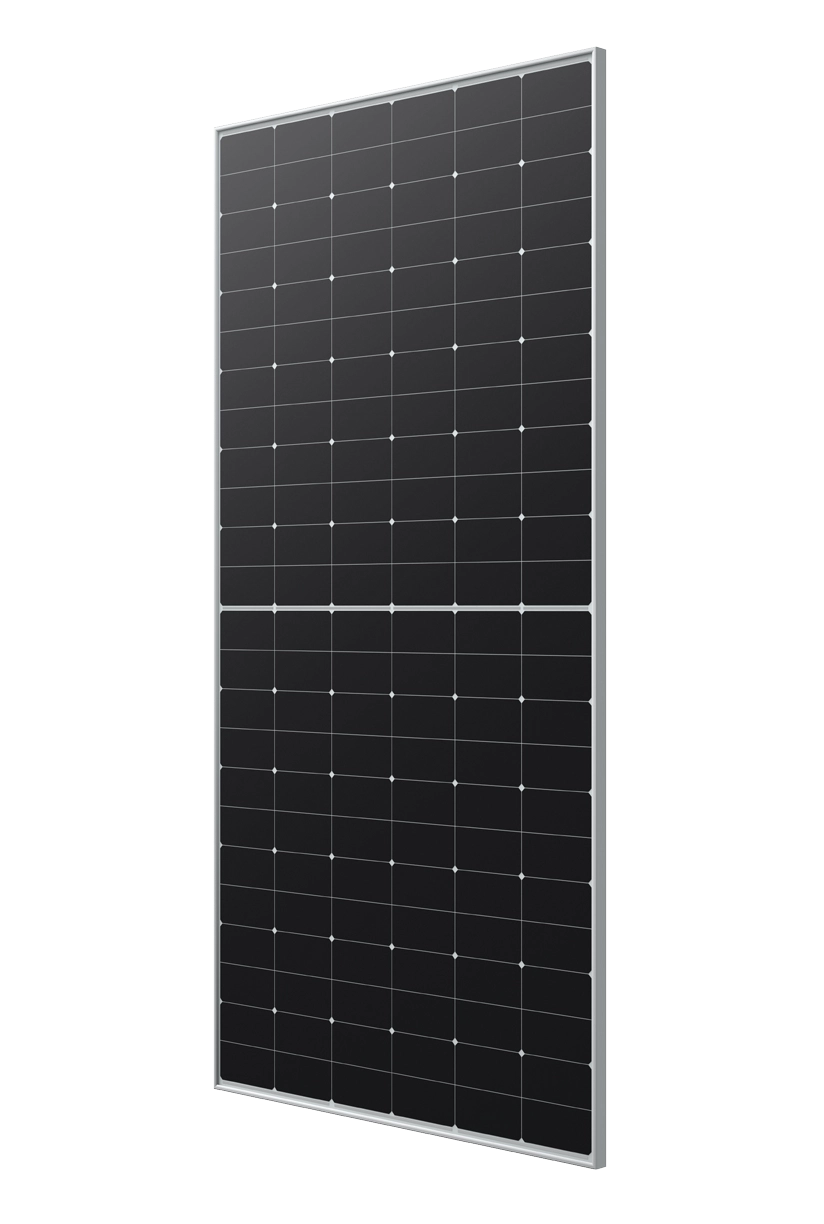
LONGi Hi-MO X6 450W
£85450
23
1722 x 1134 x 30
21.3
Affiliate link — we may earn a small commission at no extra cost to you
Inverter lifespan and replacement
This is the one maintenance cost that catches people off guard. Solar panels routinely last 25–30 years. The inverter — the electronic box doing the conversion — typically lasts 10–15 years.
At some point, probably in the second decade of ownership, you'll need a new inverter. Current replacement costs run to:
- Hardware: £800–£1,500 for a quality string or hybrid inverter
- Installation: £200–£400 for a like-for-like replacement by an electrician
When the inverter does need replacing, it's also an opportunity to upgrade — hybrid inverters that support battery storage are now standard, and adding battery capability at inverter replacement time is a logical step.
Some inverter manufacturers offer extended warranties (10 years for £100–£300 extra at point of purchase). If you're buying a new system, the extended warranty on the inverter is usually worth it.
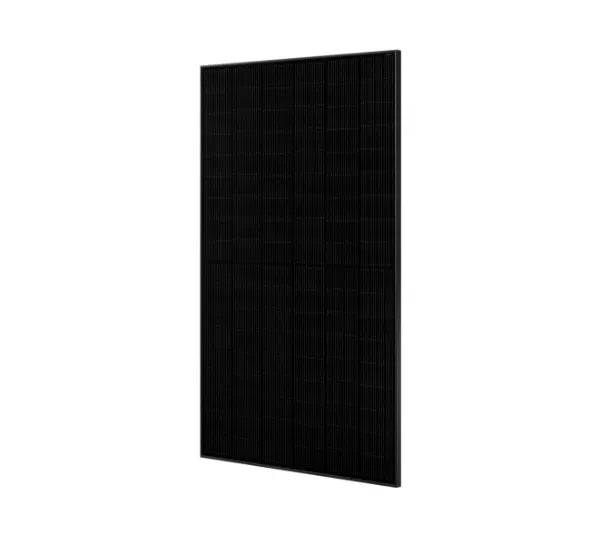
JA Solar JAM54D41 450W N-type TOPCon
£82450
22.8
1722 x 1134 x 30
21.5
Affiliate link — we may earn a small commission at no extra cost to you
Bird proofing
Birds — pigeons specifically — love the space under solar panels. It's warm, dry, and elevated. Once a colony establishes, they're difficult to remove, they cause mess, and their droppings can accumulate on the panels and frames, leading to corrosion over time.
Prevention is far cheaper than cure. Bird proofing typically involves fitting a metal mesh skirt around the perimeter of the panel array, flush to the roof. Cost: £200–£500 depending on array size, usually done at installation time or shortly after.
If you live in an area with visible pigeon activity on rooftops, include bird proofing in your initial installation quote. Retrofitting it later is possible but costs more in labour.
Don't leave bird proofing too long
Once pigeons establish a nesting site under your panels, removal requires the birds to be gone (you cannot disturb active nests with eggs or chicks during the nesting season) and then a full clean of accumulated mess, which can be significant. The mess is unpleasant and can harbour bacteria. Act before they move in.
The full maintenance summary
Over a 25-year system life, a realistic maintenance schedule looks like this:
| Activity | Frequency | Approximate cost |
|---|---|---|
| Visual check + inverter log review | Annual | Free (DIY) |
| Panel cleaning | As needed (rarely) | Free (DIY) or £50–150 |
| Bird proofing | Once at install | £200–£500 |
| Inverter replacement | Once, at ~12 years | £1,000–£2,000 |
| Panel replacements | Rare; as needed | £100–£200 per panel |
Compare that to the average 25-year generation value of a 4kW system (roughly £35,000–£50,000 in avoided bills at current rates) and the maintenance picture is very favourable indeed.
Solar panels are genuinely set-and-forget technology. The hardest part of ownership is resisting the urge to tinker with something that's already working well.
Share this article

OVO has carefully selected trusted teams across the UK to install solar panels and heat pumps. Enjoy the personal touch of a local expert with the peace of mind of a household name.
Affiliate link — we may earn a small commission at no extra cost to you
Stay informed
Get free solar updates direct to your inbox
Related reading
How Long Do Solar Panels Last? The Honest Answer
Solar panels are rated for 25–30 years, but what does that actually mean? Degradation rates, warranty types, what happens after 25 years, and why inverters are the weak link.
How Do Solar Panels Work? A Simple Explanation
A plain-English explanation of the photovoltaic effect, how solar electricity gets from your roof into your home, and what happens at night or on cloudy days.
How Much Do Solar Panels Cost in the UK in 2026?
Realistic UK solar panel costs broken down by system size, installation, and what actually affects the price you'll be quoted.


Switch to Octopus Energy
Get 50 credit when you switch. We get 50 too — win-win.
What does this mean for YOUR home?
Design your perfect solar setup in under 3 minutes. Free, no sign-up required.
Build Your Solar System