This page contains affiliate links. If you purchase through them we may earn a small commission at no extra cost to you. Learn more
How Long Do Solar Panels Last? The Honest Answer
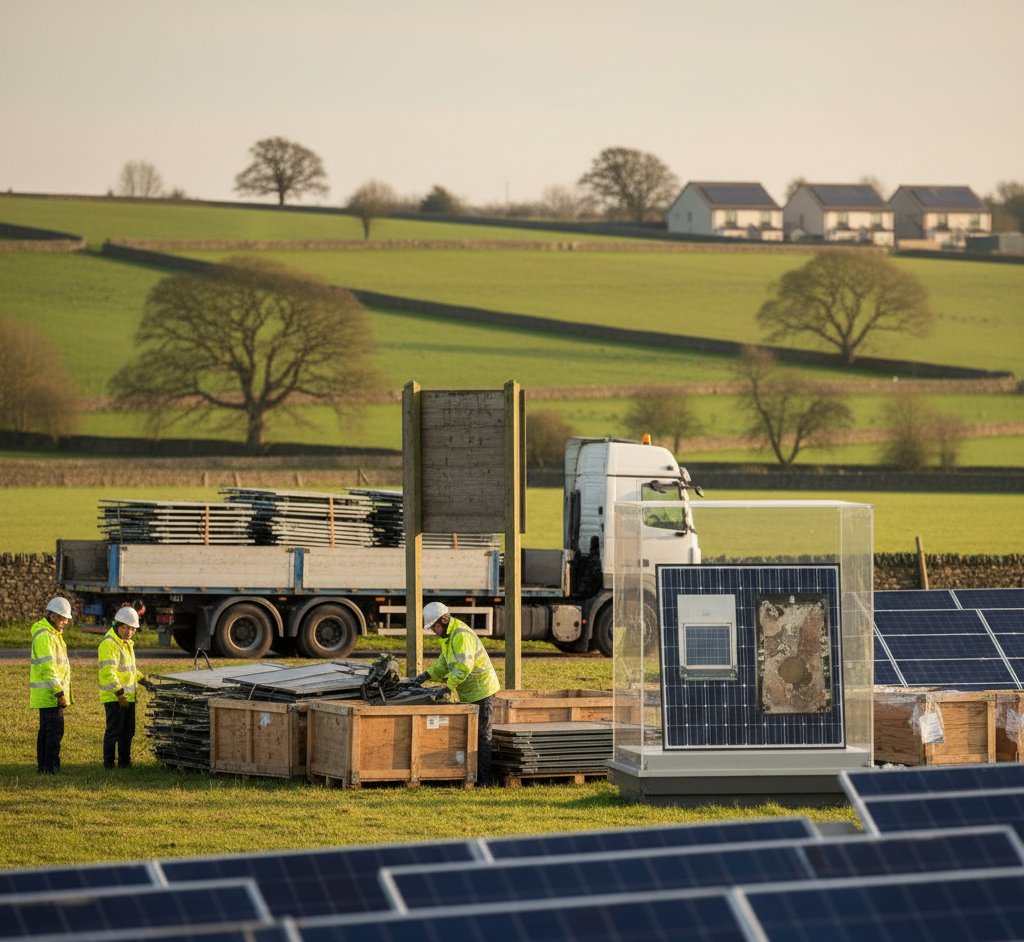
The 25-year figure: what it actually means
When solar installers talk about panels lasting "25 years," they're typically referring to the performance warranty period — the duration over which the manufacturer guarantees a minimum output level. It doesn't mean your panels stop working at year 26.
In practice, high-quality solar panels installed today will very likely still be generating useful electricity in 30, 35, or even 40 years. The degradation is gradual and predictable. There's no cliff edge.
The best evidence for this is the panels installed in the 1980s and 1990s that are still operating in academic and commercial test installations across the world. They're producing less than when new — sometimes significantly less — but they're still producing. The technology is proven over decades of real-world deployment.
Degradation: what it is and how fast it happens
Every solar panel loses a small amount of output each year. This is called degradation, and it's a known, quantified characteristic, not a surprise.
What causes degradation?
- Light-induced degradation (LID): The most significant factor in the first year. Silicon cells stabilise after initial light exposure, causing a 1–3% drop in output in year one. Modern panels (particularly N-type TOPCon and HJT cells) have significantly lower LID rates.
- Potential-induced degradation (PID): Caused by voltage gradients between the cell and frame over time. Better quality manufacturing and appropriate inverter settings minimise this.
- UV exposure and thermal cycling: The constant expansion and contraction from heating and cooling gradually affects cell interconnects and encapsulant materials.
- Physical degradation: Micro-cracks can develop over years of thermal cycling, particularly in panels subjected to mechanical stress (heavy snow loads, poor mounting).
Typical degradation rates:
| Panel quality | Year 1 degradation | Annual degradation thereafter |
|---|---|---|
| Budget / older technology | 2–3% | 0.7–1.0% per year |
| Standard quality (PERC) | 1–2% | 0.5–0.7% per year |
| Premium (N-type TOPCon / HJT) | 0.5–1% | 0.3–0.5% per year |
Using a mid-range figure of 0.6% annual degradation after year one:
- Year 1: 400W → ~396W (after LID)
- Year 10: ~375W
- Year 20: ~352W
- Year 25: ~338W
That's 84.5% of original output after 25 years. For a 4kW system, it means generating roughly 3,040W at peak instead of 3,600W — a meaningful reduction but still a functional, valuable system.
The two types of warranty — and why they're different
This is where many people get confused. Solar panel warranties come in two distinct forms:
Product warranty (manufacturing defects)
This covers physical failure of the panel — frame defects, junction box failure, cell delamination, glass breakage under normal conditions. Standard product warranties are 12–15 years for mainstream panels.
A product warranty claim means the panel has physically failed, not merely degraded to a lower output. The manufacturer replaces the panel (or refunds the cost). This is the warranty that protects against manufacturing defects.
Performance warranty (output guarantee)
This covers degradation — it guarantees that the panel will still produce a minimum percentage of its original rated output after a specified period. Most quality panels now offer:
- Year 1: No more than 2% degradation (some premium panels: 1%)
- Years 2–25 (or 30): No more than 0.5–0.7% degradation per year
- End of warranty period: Panel will still produce at least 80–85% of original rated output
If your panel degrades faster than this — if it's producing 70% of rated output at year 20 instead of the warranted 82% — you can make a warranty claim for the shortfall.
Performance warranty claims are harder than they sound
To make a performance warranty claim, you need to prove your panel is underperforming — which requires professional measurement with a calibrated IV curve tracer, proper irradiance data for the measurement conditions, and a baseline for what your specific panel should produce under those conditions. If the manufacturer is overseas or has changed ownership, enforcement can be difficult. This isn't a reason to avoid quality panels; it is a reason to buy from manufacturers with established UK service networks.
What happens after 25 years?
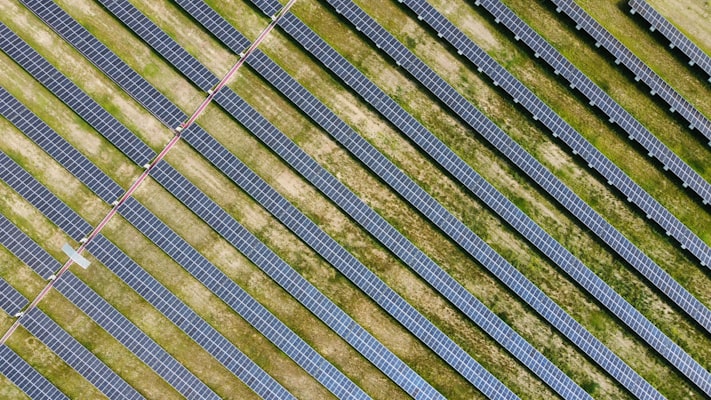
Your panels don't receive a letter saying "your time is up" at year 25. The performance warranty expires, meaning the manufacturer's output guarantee is no longer in force. The panels continue to operate.
At that point, you have a few options:
-
Keep using them — if they're still producing meaningfully (most will be at 80–85%+ of original output), there's no reason to replace them. The system has long since paid for itself.
-
Upgrade the panels — panel technology will have advanced significantly. Higher efficiency panels may produce meaningfully more from the same roof space. Replacement costs will also likely have fallen. If your roof needs attention or you want to increase capacity, a panel replacement at year 25+ might make sense.
-
Recycle or sell — a market for used solar panels exists. Even at 80% performance, a 400W panel producing 320W is still useful for off-grid, shed, or secondary applications. Recycling infrastructure for solar panels is developing; most panel manufacturers have take-back programmes.
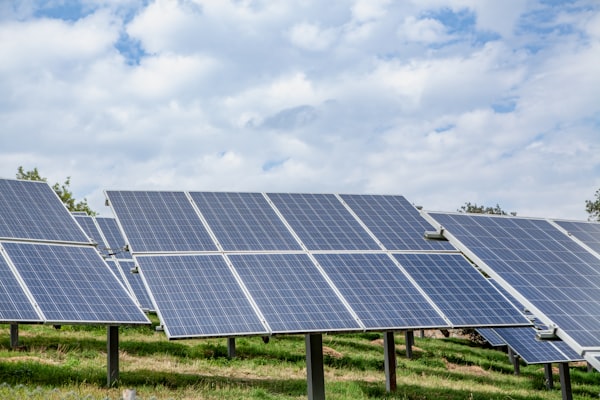
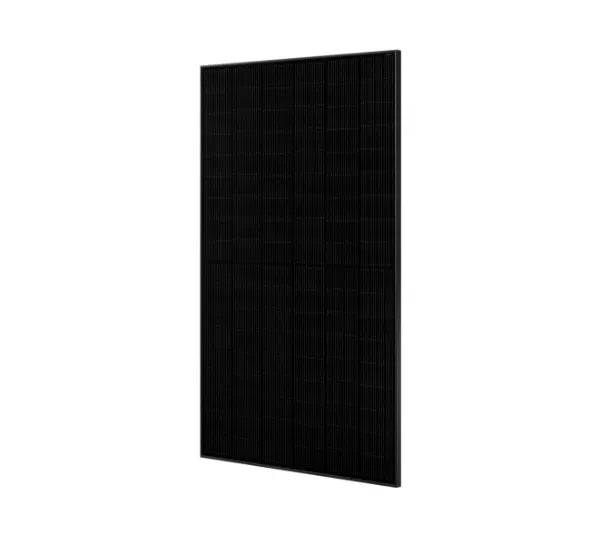
JA Solar JAM54D41 450W N-type TOPCon
£82450
22.8
1722 x 1134 x 30
21.5
Affiliate link — we may earn a small commission at no extra cost to you
Inverter lifespan: the part that needs replacing sooner
The inverter is the component that determines your real-world maintenance schedule. While panels tick along for 25+ years, inverters typically need replacement after 10–15 years.
This is a known and expected cost. Modern hybrid inverters (which also manage batteries) are complex electronic devices subject to heat cycling, capacitor degradation, and software obsolescence. Even well-maintained units in moderate climates rarely exceed 15 years before needing replacement.
Current inverter replacement cost: £1,000–£2,000 for hardware and installation of a like-for-like replacement.
When planning the lifetime finances of your solar system, include one inverter replacement at approximately year 12. For a 25-year analysis:
- Panels: No replacement needed (assuming no physical damage)
- Inverter: One replacement, ~year 10–15: £1,000–£2,000
- Battery (if fitted): Check warranty and cycle rating. Most LFP batteries are rated 4,000–6,000 cycles, which at one cycle per day is 11–16 years. Budget for one replacement if you're doing a 25-year analysis.
What this means for payback calculations
A realistic 25-year financial model for a £7,500 solar + battery system in England (including one inverter replacement):
- Year 0: -£7,500 (system cost)
- Years 1–25: +£800–£1,200/year in avoided bills and SEG payments (real-terms, inflation-adjusted)
- Year 12: -£1,500 (inverter replacement)
- 25-year net: +£11,000–£17,500
Degradation slightly reduces generation in later years, but electricity prices also tend to rise, broadly offsetting it. The investment case is sound for most UK homeowners.
The key insight on lifespan: buy from manufacturers with track records, prioritise performance warranty terms over product warranty length, and budget for one inverter replacement. Everything else is relatively predictable.
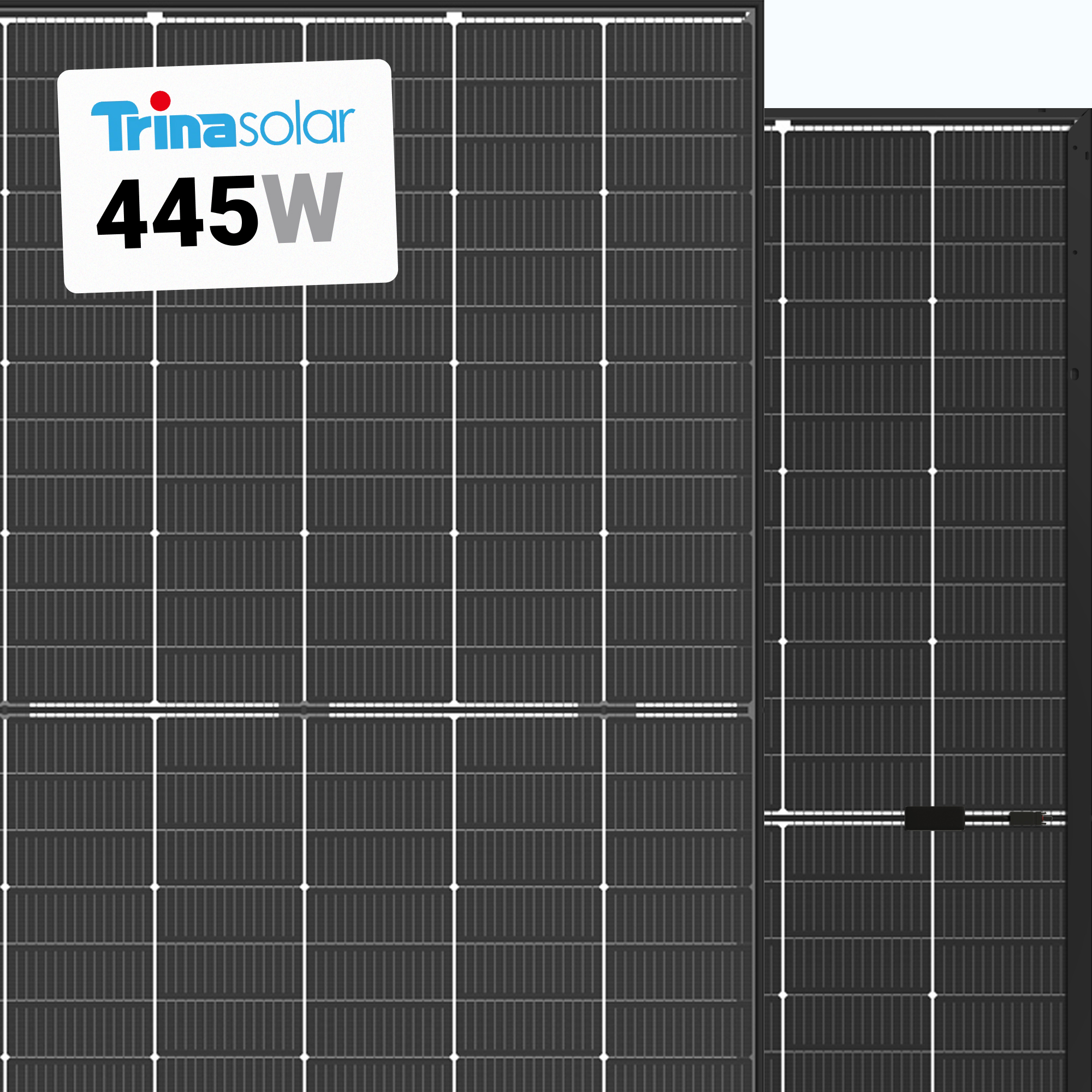
Trina Solar Vertex S+ 445W
£75445
22.5
1762 x 1134 x 30
21.8
Affiliate link — we may earn a small commission at no extra cost to you
Panel degradation over time
Solar panels lose output gradually each year. The shaded band shows the typical range for your panel type. Drag the slider to explore best and worst cases.
10 panels
4.5 kW system
2% first-year loss
After year 1
3,969
98% (2% LID loss)
Year 25
3,519
87% of original
Year 50
3,105
77% of original
50yr total
180k
kWh generated
Mono-PERC panels lose ~2% in year one from Light-Induced Degradation (LID), then degrade linearly. The 25-year warranty guarantees at least 80% output. Field data beyond 30 years is limited — projections past that point are modelled, not measured.
Share this article

OVO has carefully selected trusted teams across the UK to install solar panels and heat pumps. Enjoy the personal touch of a local expert with the peace of mind of a household name.
Affiliate link — we may earn a small commission at no extra cost to you
Stay informed
Get free solar updates direct to your inbox
Related reading
Solar Panel Maintenance: What's Actually Needed?
The honest guide to solar panel maintenance in the UK — spoiler: it's less than you think. What you actually need to do, and what you can safely skip.
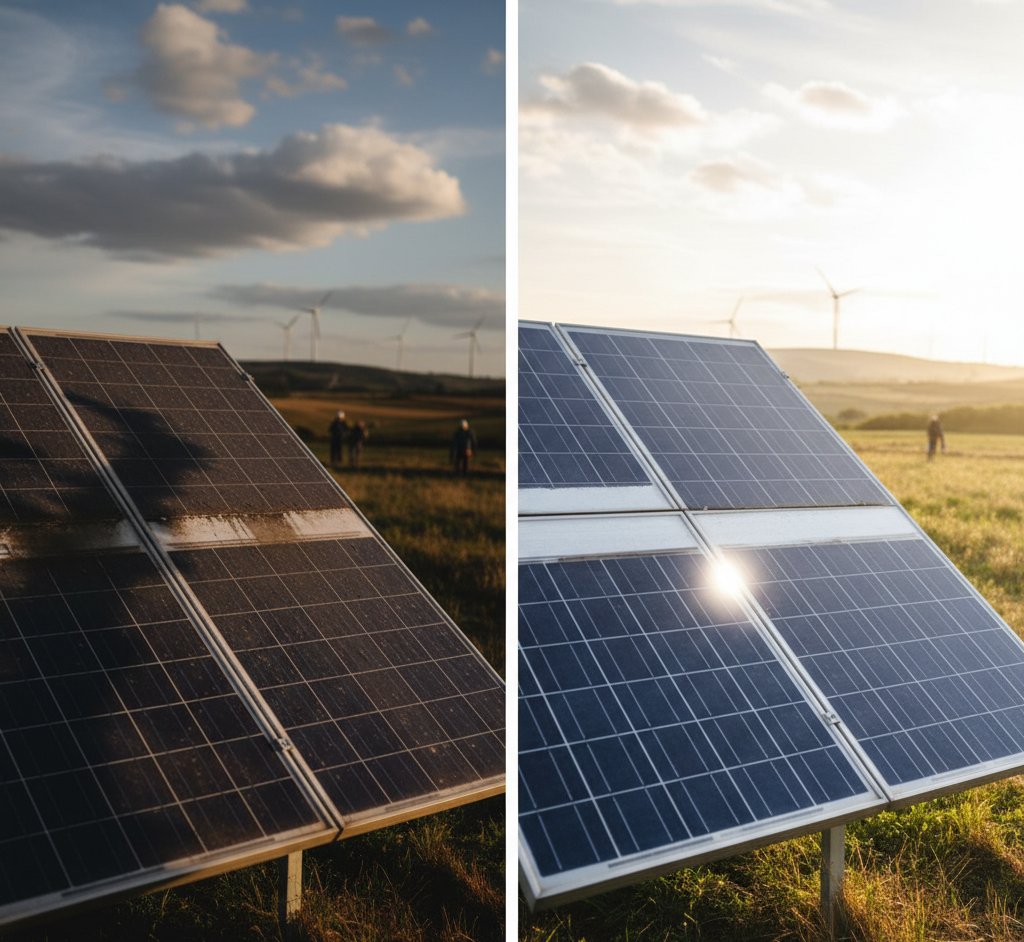
Solar Panel Efficiency: What It Means and Why It's Not Everything
Panel efficiency explained plainly — what the percentage actually means, why the gap between 20% and 22% barely matters for most UK homes, and what you should actually be comparing.

How Much Do Solar Panels Cost in the UK in 2026?
Realistic UK solar panel costs broken down by system size, installation, and what actually affects the price you'll be quoted.


Switch to Octopus Energy
Get 50 credit when you switch. We get 50 too — win-win.
What does this mean for YOUR home?
Design your perfect solar setup in under 3 minutes. Free, no sign-up required.
Build Your Solar System