This page contains affiliate links. If you purchase through them we may earn a small commission at no extra cost to you. Learn more
Solar Panels in Conservation Areas
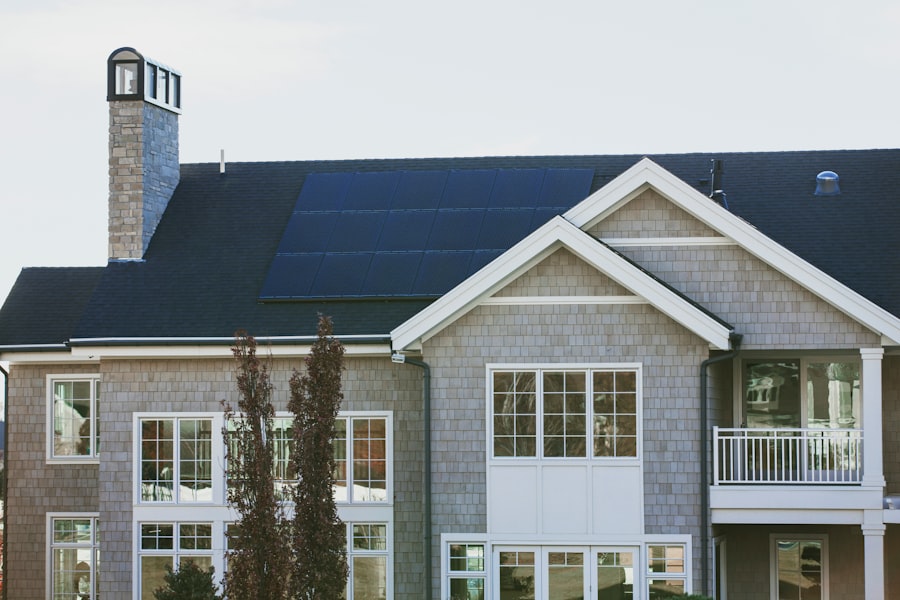
Living in a conservation area doesn't prevent you from installing solar panels, but the rules are tighter than in a standard residential area. Many conservation area residents install solar without problems — you just need to follow the right approach.
The Rules
Conservation areas have modified permitted development rights. For solar panels on a house in a conservation area in England:
Permitted without planning permission:
- Panels on a rear roof slope that is not visible from a highway
- Panels positioned to minimise visual impact as far as reasonably practicable
- Panels meeting all the standard PD conditions (200mm protrusion, below ridge height, etc.)
Requires planning permission:
- Panels on the principal elevation (usually the front of the building)
- Panels on a side elevation that is visible from a highway
- Ground-mounted panels between the principal elevation and a highway
The key question is whether the panels are visible from a public road or path. If they're tucked away on a rear slope that nobody can see from a public area, permitted development applies as normal.
Understanding "Principal Elevation" and "Highway"
These two terms cause most of the confusion:
Principal Elevation
This is generally the front of your house — the elevation that faces the street and gives the building its main visual character. For corner properties, you may have two principal elevations. If your house faces a different direction to what you'd expect (for example, the "front" door is on the side), the principal elevation is the one with the most visual prominence from the public realm.
Highway
In planning terms, "highway" includes:
- Public roads
- Public footpaths and bridleways
- Shared access lanes and drives with public rights of way
It does not include:
- Private driveways
- Rear alleys with no public right of way
- Footpaths on private land
If your side elevation is only visible from a private driveway or a rear lane without public access, it may not trigger the restriction.
Check Visibility Yourself
Walk around the public roads and paths near your property and look at your roof from every angle. If you can see the roof slope you're planning to use, a planning officer can too. Photographs from these public viewpoints will help you assess whether your proposed installation needs planning permission.
What If You Need Planning Permission?
If your best roof slope for solar is visible from a highway, you'll need to submit a planning application. This isn't necessarily a problem — many such applications are approved.
How to Apply
- Submit a householder planning application (£206 in England)
- Include photographs showing the visual impact from public viewpoints
- Provide panel specifications — emphasise dark colours and low-profile design
- Write a supporting statement explaining the energy and environmental benefits
- Show how you've minimised visual impact through panel choice and positioning
What Helps Your Application
- Black panels with black frames on dark roof tiles
- Panels that align with the roof geometry (covering full slopes rather than scattered patches)
- A heritage impact assessment showing the panels in context
- Evidence of minimal harm to the conservation area's character
- Precedent — if neighbouring properties already have solar panels, this helps
What Hinders Your Application
- Bright silver-framed panels on a traditional slate roof
- Panels that extend above the ridge line
- Highly prominent locations on main street frontages
- Grade I or II* listed buildings within the conservation area
Conservation Area vs Listed Building
Being in a conservation area is different from your building being listed. If your property is listed AND in a conservation area, you need to follow the listed building rules (which are stricter). If your property is in a conservation area but not listed, the conservation area rules above apply. Check your property's listing status on historicengland.org.uk.
Practical Strategies
Best Case: Rear Roof
If your south-facing (or near-south) roof slope faces the rear garden and isn't visible from any highway, you're in the clear. Install under permitted development with standard panels. This is the most common situation.
Second Best: Low-Profile Side Slope
If your best roof slope is on a side elevation that's partially visible, using the lowest-profile dark panels possible and positioning them to minimise visibility can keep you within PD rules. The test is whether the panels are on a side elevation visible from a highway — partial visibility from an angle may be acceptable.
Planning Application Route
If a full planning application is needed, it typically adds 8–12 weeks and £206 in fees. Approval rates for solar in conservation areas are generally high when applicants demonstrate sensitivity to the setting.
Alternative Approaches
If roof-mounted panels on visible elevations are refused:
- Ground-mounted panels in the rear garden (may need planning for over 9m², but less heritage impact)
- Solar tiles — integrated tiles like Marley SolarTile blend with traditional roofing
- Panels on outbuildings — garages or sheds may be less sensitive locations
Scotland, Wales, and Northern Ireland
Conservation area rules for solar vary slightly between nations:
Scotland: Similar principles apply — panels on front elevations in conservation areas require planning permission. Check with your local authority.
Wales: Conservation area PD restrictions broadly mirror England's. The 200mm protrusion rule and visibility conditions apply.
Northern Ireland: Separate PD rules apply — check the NI Planning Portal for specific conservation area conditions.
The Bigger Picture
Around 10,000 conservation areas exist across England alone. Many contain excellent housing stock for solar — Victorian and Edwardian terraces with large south-facing rear roof slopes, for instance. The conservation area designation is not a barrier in most cases; it simply requires a bit more thought about panel placement and appearance.
For conservation areas, all-black panels blend best with traditional roofing. Here's what we'd recommend:
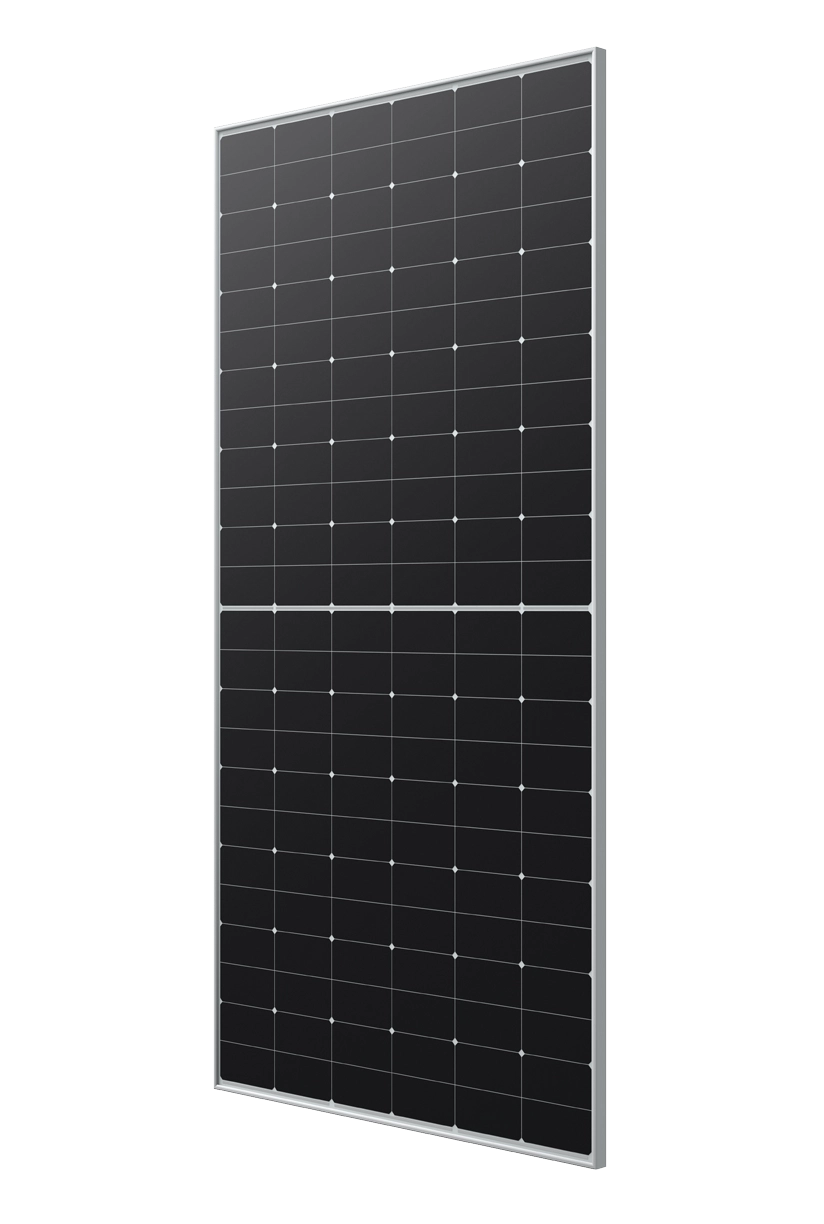
LONGi Hi-MO X6 450W
£85450
23
1722 x 1134 x 30
21.3
Affiliate link — we may earn a small commission at no extra cost to you
Another excellent choice with a low-profile black-on-black design:
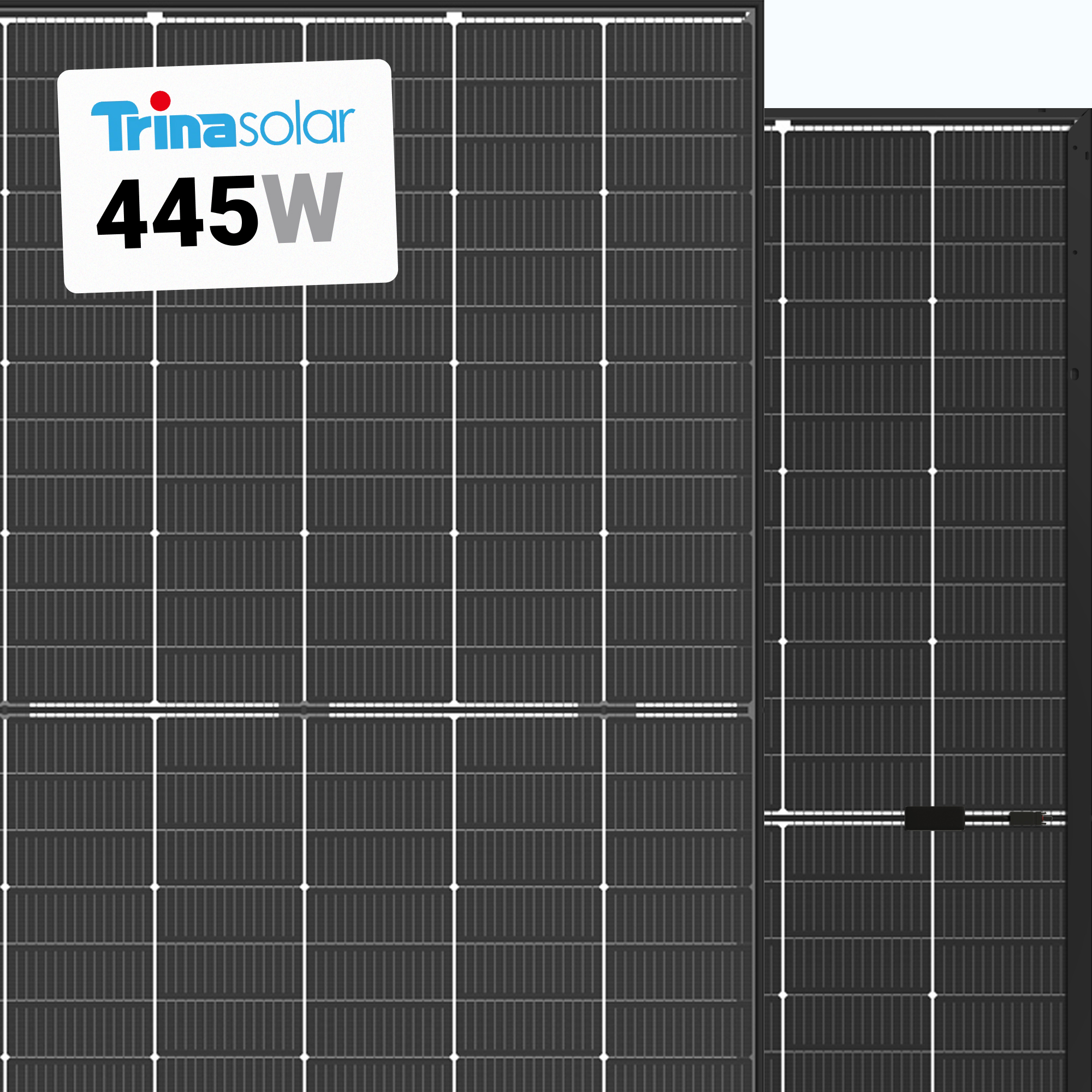
Trina Solar Vertex S+ 445W
£75445
22.5
1762 x 1134 x 30
21.8
Affiliate link — we may earn a small commission at no extra cost to you
Share this article

OVO has carefully selected trusted teams across the UK to install solar panels and heat pumps. Enjoy the personal touch of a local expert with the peace of mind of a household name.
Affiliate link — we may earn a small commission at no extra cost to you
Stay informed
Get free solar updates direct to your inbox
Related reading
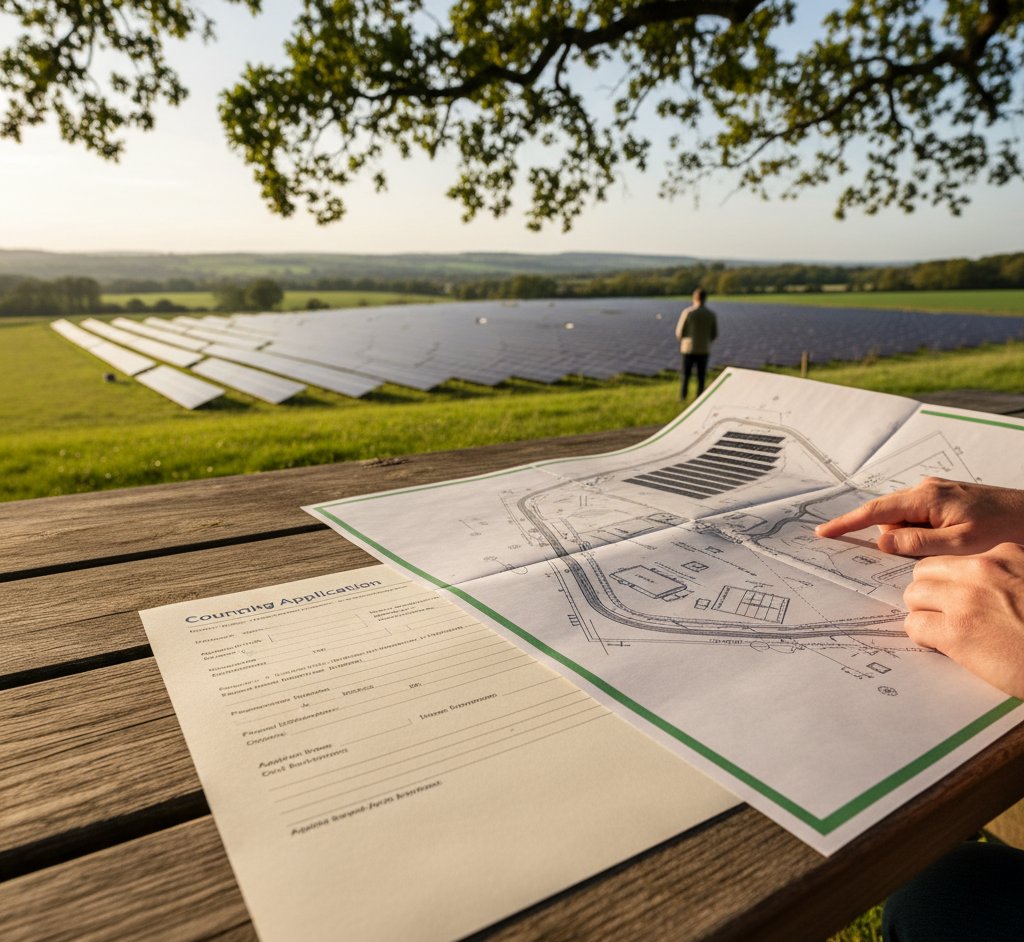
Solar Panel Planning Permission UK: What You Need to Know
Do you need planning permission for solar panels in the UK? Clear guide to permitted development rules, when you need to apply, and what happens in special areas.
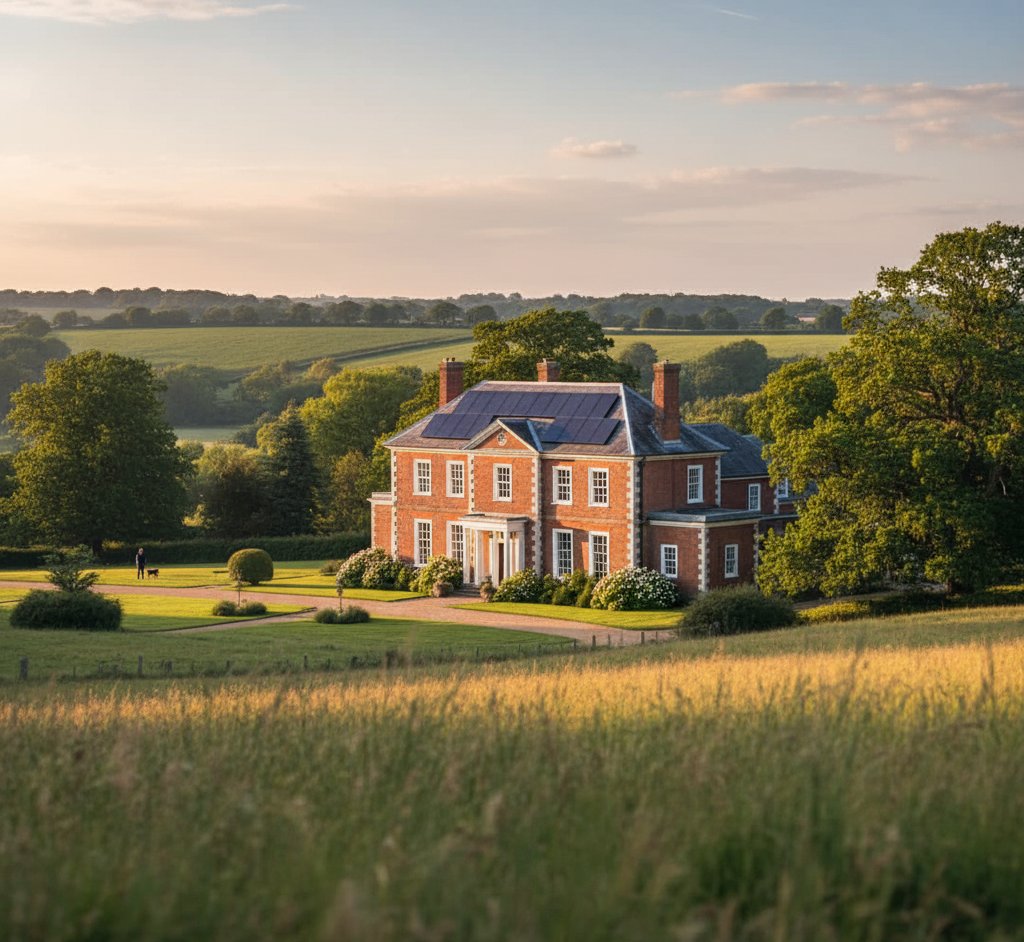
Solar Panels on Listed Buildings: Getting Permission
Installing solar panels on a listed building in the UK requires listed building consent. How to apply, what gets approved, and strategies that work.
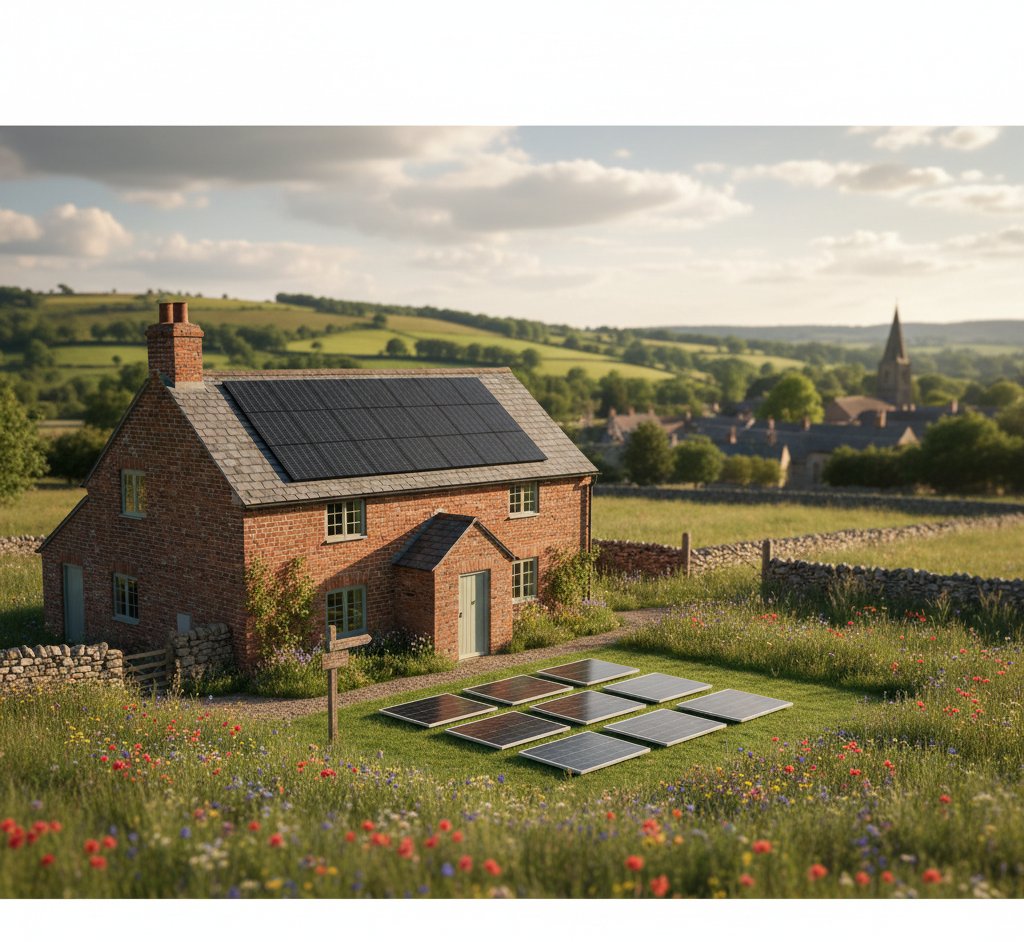
Permitted Development: The 9m² Rule for Solar
Understanding permitted development rights for solar panels in the UK — including the 9m² limit for ground-mounted systems and what you can install without planning.


Switch to Octopus Energy
Get 50 credit when you switch. We get 50 too — win-win.
What does this mean for YOUR home?
Design your perfect solar setup in under 3 minutes. Free, no sign-up required.
Build Your Solar System