This page contains affiliate links. If you purchase through them we may earn a small commission at no extra cost to you. Learn more
Solar Panels on Listed Buildings: Getting Permission
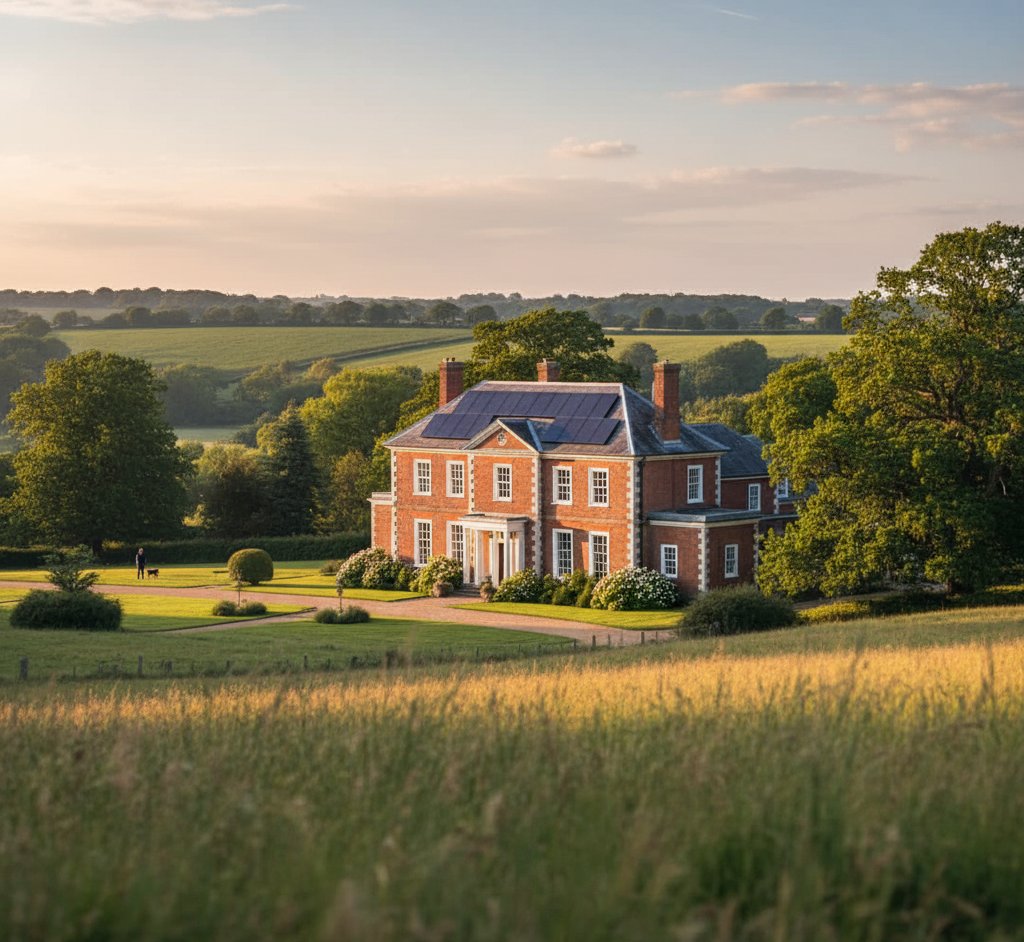
Owning a listed building doesn't mean solar panels are impossible — but it does mean extra hoops to jump through. You'll need listed building consent, and the design and placement of panels must respect the building's heritage character. Here's how to navigate the process.
The Legal Position
All listed buildings (Grade I, Grade II*, and Grade II in England; Category A, B, and C in Scotland) are protected by law. Any alteration that affects the building's character or appearance requires listed building consent from your local planning authority. This is separate from and in addition to planning permission.
Solar panels on a listed building are considered an alteration to its appearance. Therefore:
- Permitted development rights do not apply to listed buildings for solar panels
- You need listed building consent for panels on the building itself
- You may also need planning permission alongside the listed building consent
- This applies to panels on the listed building and on any building within its curtilage (grounds)
What Gets Approved?
Success depends on several factors:
Location on the Building
- Rear roof slope (hidden from public view): Best chance of approval
- Side roof slope (partially visible): Moderate chance, especially if screened by landscaping
- Front roof slope (principal elevation): Very unlikely to be approved
- Outbuildings within the curtilage: Often more acceptable than the main building
Panel Design
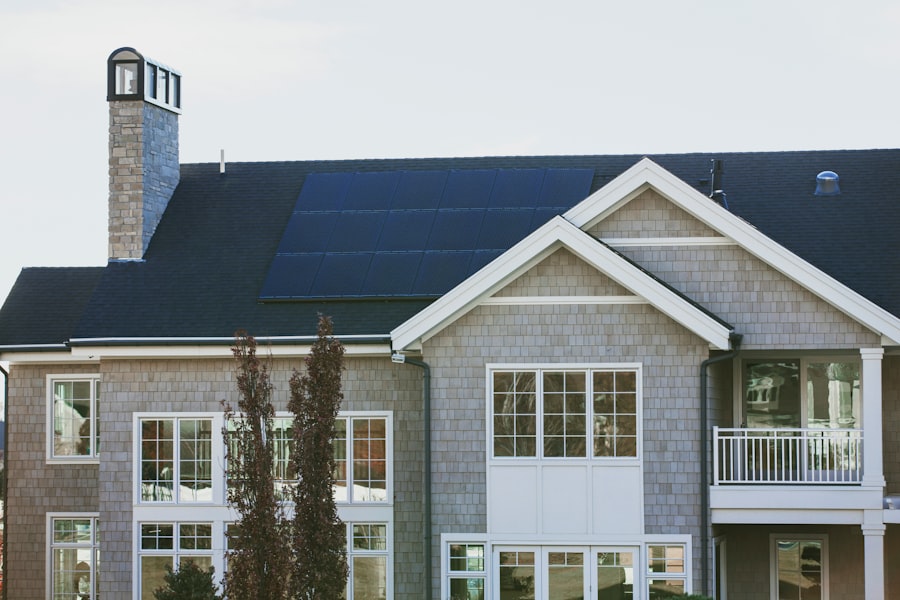
- Black panels with black frames: More sympathetic to traditional roofing materials
- Slate-effect or heritage-style panels: Purpose-made panels that mimic slate or tile are increasingly available and improve approval chances
- Standard blue/silver panels with aluminium frames: Least sympathetic and most likely to be refused
Fixing Method
- Non-penetrative systems (ballasted on flat roofs): Preferred as they don't alter the building fabric
- Minimal penetration methods: Hooks that clip between tiles/slates without drilling
- Bolt-through fixings: Least preferred as they permanently alter the roof structure
Reversibility
Conservation officers strongly favour installations that can be completely removed without leaving evidence. If the panels can be taken down and the roof looks exactly as it did before, consent is much more likely.
Talk to Your Conservation Officer Early
Before spending money on formal applications, contact your council's conservation officer for an informal pre-application discussion. They can tell you what's likely to be acceptable for your specific building, potentially saving months of back-and-forth. Most are pragmatic and willing to find workable solutions.
How to Apply
Pre-Application
- Contact your council's planning/conservation team
- Explain your proposal and ask for informal advice
- They may visit the property to assess the specific context
Formal Application
- Submit a listed building consent application (free in England)
- Submit a planning application if also required (£206 for householder applications)
- Include:
- Heritage impact assessment explaining how the proposal affects the building's character
- Detailed technical drawings showing panel positions, fixing methods, and cable routes
- Photographs of existing views from public areas
- Product specifications for the panels and mounting system
- A statement explaining reversibility and minimal impact
Decision Timeline
Listed building consent applications typically take 8 weeks for straightforward cases or 13 weeks if consultation with Historic England/Cadw/Historic Environment Scotland is required.

Strategies That Work
1. Hidden Rear Installation
The most successful approach is panels on a rear roof slope that cannot be seen from any public viewpoint. If your building has a rear-facing south or southwest roof, this is the obvious strategy.
2. Ground-Mount in the Garden
If roof panels are problematic, a ground-mounted system in the garden may be more acceptable. Ground-mounted panels in the curtilage of a listed building still need listed building consent, but they're often viewed more favourably because they don't alter the building itself. Position them behind walls, hedges, or outbuildings where they're not visible.
3. Outbuilding Installation
If you have a non-listed outbuilding (garage, barn, shed) that's outside the curtilage of the listed building, panels on that structure may fall under normal permitted development rules. Check carefully — "curtilage" can extend further than you think.
4. Integrated Solar Tiles
Products like the Tesla Solar Roof or Marley SolarTile integrate photovoltaic cells into what looks like a normal roof tile or slate. These are more expensive than standard panels but are far more likely to receive listed building consent because they're visually unobtrusive.
5. Solar Thermal (Not PV)
Solar thermal panels for hot water are smaller and can sometimes be accepted where PV panels wouldn't. A single solar thermal panel on a hidden roof slope might be approved where a full PV array wouldn't.
Don't Install First and Ask Later
Installing solar panels on a listed building without consent is a criminal offence under Section 9 of the Planning (Listed Buildings and Conservation Areas) Act 1990. Penalties can include fines and an order to remove the panels and restore the building. This is much more serious than a normal planning breach.
Grade I and Grade II* Buildings
Higher-grade listed buildings face stricter scrutiny. Grade I and Grade II* applications must be referred to Historic England (or equivalent national body), who provide formal advice to the council. Approval is still possible but less likely, and the case for heritage-sympathetic design must be compelling.
Case Studies
While every listed building is unique, these approaches have succeeded:
- Georgian townhouse (Bath): Black panels on concealed rear roof slope — approved
- Converted barn (Cotswolds): Ground-mounted array behind stone wall in garden — approved
- Victorian villa (Edinburgh): Solar tiles on side elevation — approved after negotiation
- Medieval farmhouse (Devon): Panels on modern agricultural barn within curtilage — approved
These all-black panels are the most sympathetic choice for heritage properties:
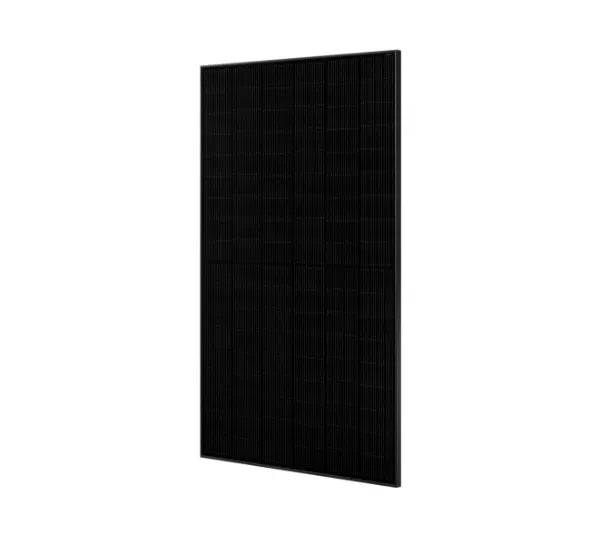
JA Solar JAM54D41 450W N-type TOPCon
£82450
22.8
1722 x 1134 x 30
21.5
Affiliate link — we may earn a small commission at no extra cost to you
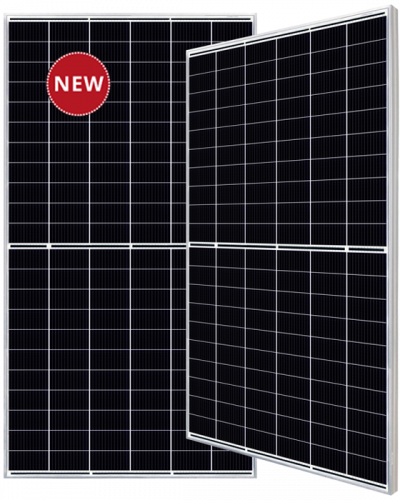
Canadian Solar HiKu7 455W
£80455
22.9
1762 x 1134 x 30
22
Affiliate link — we may earn a small commission at no extra cost to you
Financial Implications
Listed building solar typically costs more than standard installations due to:
- Heritage-grade mounting systems: +£500–1,500
- Solar tiles (if used): 2–3x the cost of standard panels
- Application and professional fees: £500–1,500 for heritage assessments
- Potential for non-standard panel sizes or layouts: variable
However, 0% VAT still applies, and the electricity savings over 25+ years typically outweigh the additional upfront costs.
Share this article

OVO has carefully selected trusted teams across the UK to install solar panels and heat pumps. Enjoy the personal touch of a local expert with the peace of mind of a household name.
Affiliate link — we may earn a small commission at no extra cost to you
Stay informed
Get free solar updates direct to your inbox
Related reading
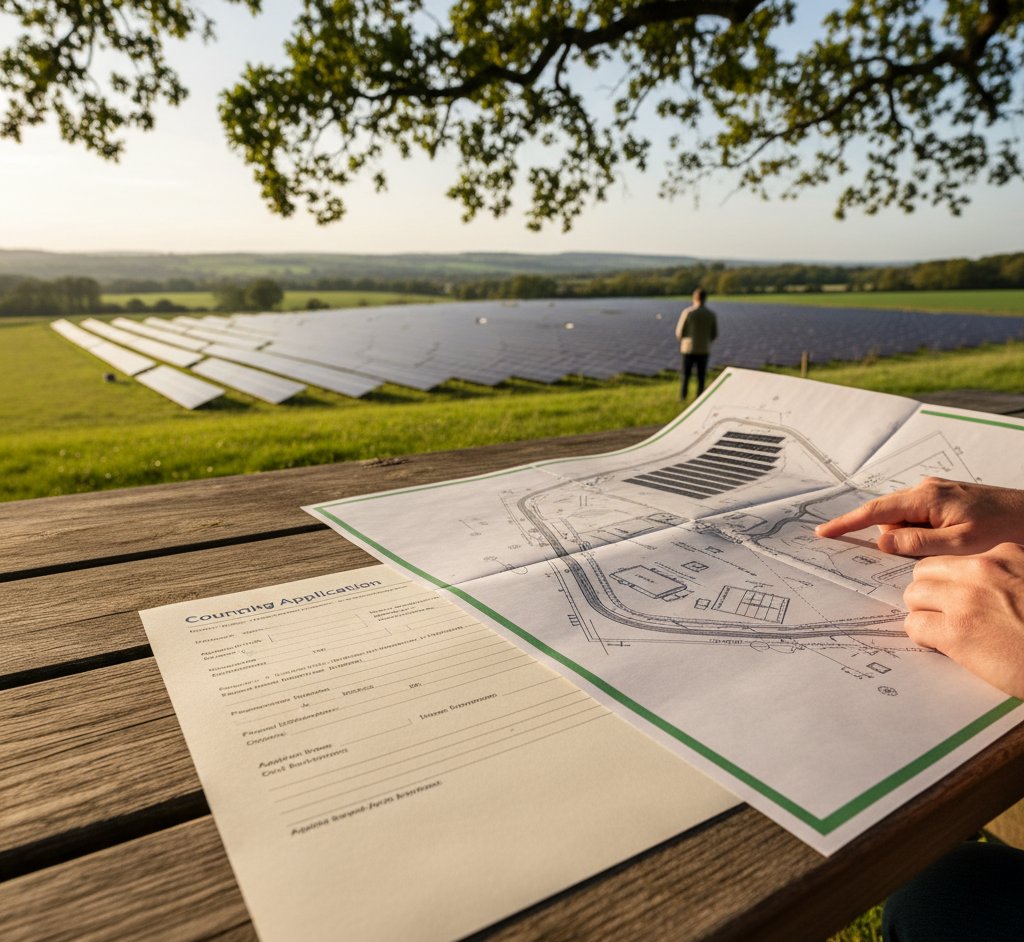
Solar Panel Planning Permission UK: What You Need to Know
Do you need planning permission for solar panels in the UK? Clear guide to permitted development rules, when you need to apply, and what happens in special areas.
Solar Panels in Conservation Areas
Can you install solar panels in a conservation area? The rules for permitted development, what needs planning permission, and how to get approval.

Is My Roof Suitable for Solar Panels?
Find out if your roof can take solar panels — covering direction, angle, shading, structural condition, and options for tricky roofs.


Switch to Octopus Energy
Get 50 credit when you switch. We get 50 too — win-win.
What does this mean for YOUR home?
Design your perfect solar setup in under 3 minutes. Free, no sign-up required.
Build Your Solar System