This page contains affiliate links. If you purchase through them we may earn a small commission at no extra cost to you. Learn more
Permitted Development: The 9m² Rule for Solar
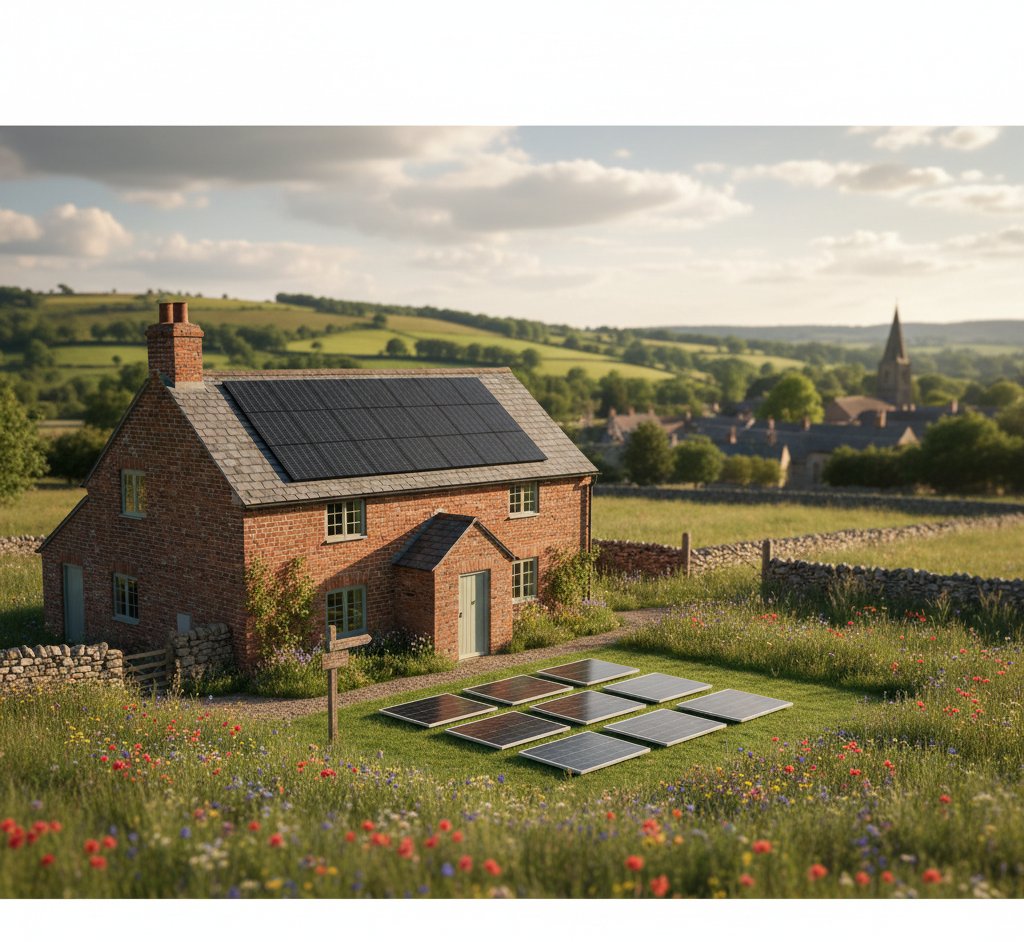
Permitted development rights allow most homeowners to install solar panels without applying for planning permission. But there are specific limits you need to understand — particularly the 9m² rule for standalone systems. Here's a practical breakdown of what you can and can't do.
What Is Permitted Development?
Permitted development (PD) is a general planning permission granted by Parliament through legislation, rather than by your local council through an application. It allows certain types of building work and changes to be carried out without a specific planning application.
For solar panels, PD rights mean most homeowners can install panels on their roof and get on with generating electricity without any paperwork or delays.
Roof-Mounted: Almost Always Fine
For panels mounted on the roof of a house, permitted development allows installation provided:
- Panels don't protrude more than 200mm from the roof surface
- Panels don't go above the highest point of the roof (excluding chimney)
- The building is not listed and not within the curtilage of a listed building
- In conservation areas, panels aren't on a wall or roof visible from a highway
In practice, the vast majority of standard roof solar installations fall comfortably within these limits. Standard mounting systems sit 80–150mm off the roof, well under the 200mm limit.
The 9m² Rule for Ground-Mounted Systems
This is where things get tighter. Under permitted development, standalone (ground-mounted) solar equipment on your property must not exceed 9m² in total area.
What Does 9m² Mean in Practice?
A standard solar panel is approximately 1.7m² (roughly 1.7m x 1m). So 9m² allows approximately 5 panels on the ground under permitted development.
A 5-panel setup at 450W each gives you a 2.25kW system — enough to generate around 1,800–2,250kWh per year. That's useful but modest compared to a typical roof system.
Key Points About the 9m² Limit
- It's the total area of all standalone solar equipment on your property — not per array
- If you already have one ground-mounted panel (1.7m²), you can add up to approximately 4.3m² more
- The 9m² includes the panel area, not the frame or gaps between panels
- This limit applies in addition to other conditions (height, boundary distance, etc.)
Other Ground-Mount PD Conditions
Even within 9m², your ground-mounted array must also:
- Not exceed 4 metres in height
- Not be within 5 metres of any boundary
- Not be in front of the principal elevation facing a highway (in conservation areas)
Measuring the 9m²
The 9m² refers to the area of the solar equipment itself, not the total footprint of the installation (which includes gaps between panels and the frame footprint). If in doubt, measure the actual panel surface area. Five standard panels (5 x 1.7m² = 8.5m²) would be under the limit.
What If You Need More Than 9m²?
If you want a larger ground-mounted system (which most people do for meaningful generation), you'll need to apply for full planning permission.
This involves:
- Application fee: £206 (England, 2026 — for "householder" applications)
- Processing time: Typically 8 weeks (statutory target)
- Drawings: Site plan, elevation drawings, and a design and access statement
- Neighbour consultation: Your council will notify neighbouring properties
Planning applications for residential ground-mounted solar are generally well-received by councils, especially if the panels aren't prominently visible from public areas. Approval rates are high, but it's not guaranteed — every application is judged on its merits.
Tips for a Successful Application

- Position the array to minimise visibility from roads and neighbouring properties
- Use dark-framed panels on dark mounting for a less obtrusive appearance
- Include a statement about renewable energy and carbon reduction in your application
- Show how the array position minimises impact on the landscape
Don't Assume 9m² Is Enough
A 9m² ground array (approximately 2kW) generates around 1,600kWh per year. The average UK home uses 3,500kWh. If you're installing ground-mount as your sole solar system, you'll likely want more than 9m². Factor in the planning permission process and costs from the start.
Permitted Development: Flat Roofs
Solar panels on a flat roof follow the roof-mounted rules, not the ground-mounted rules. This means:
- No 9m² limit
- Panels must not protrude more than 1 metre above the highest part of the roof (note: this is different from the 200mm rule for pitched roofs)
- Other standard conditions apply (not listed building, conservation area rules, etc.)
The 1-metre rule for flat roofs is generous enough for most tilt-frame installations, where panels typically sit 40–80cm above the roof surface at their highest point.

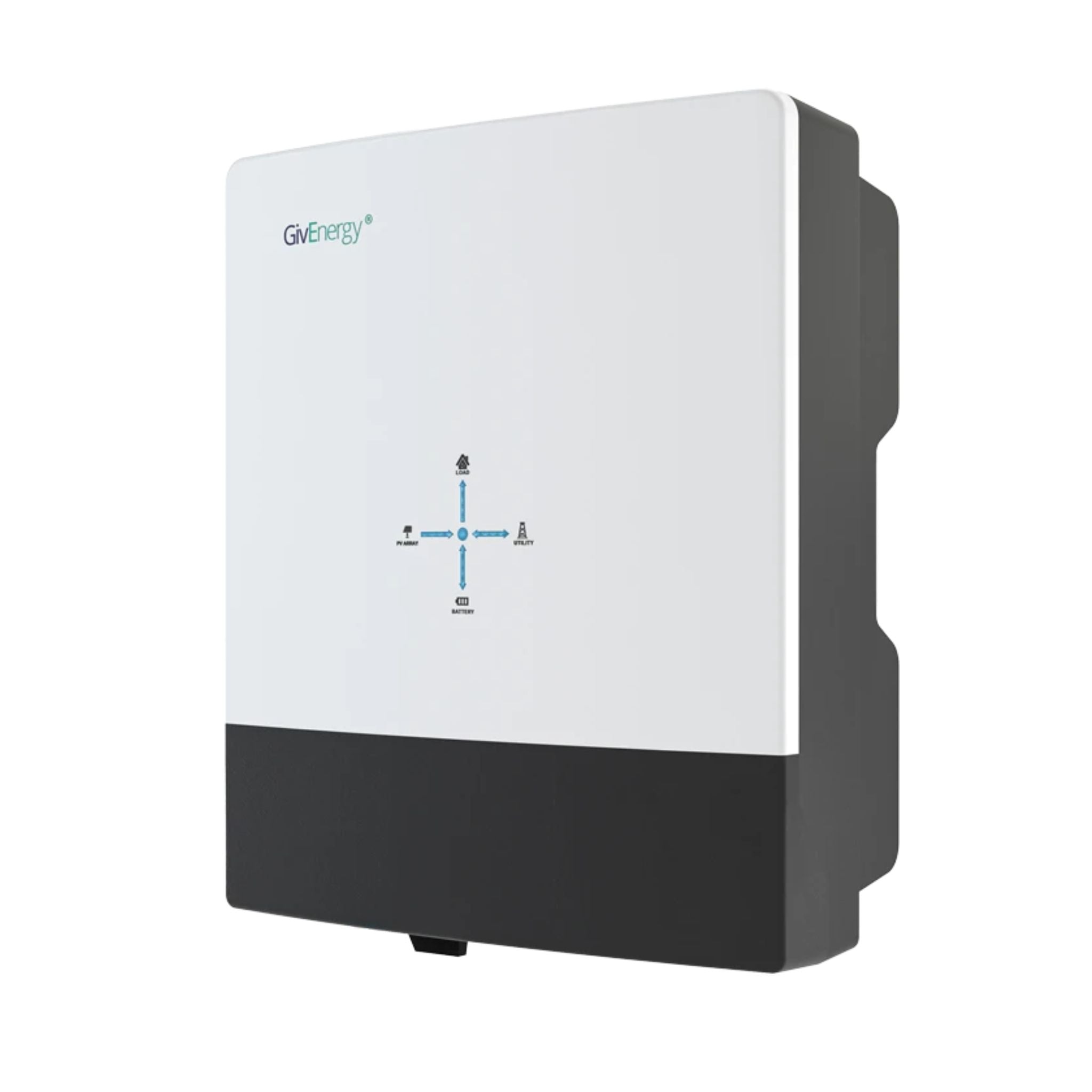
GivEnergy All-in-One 5kW Hybrid Inverter
£1,2005
7.5
2
48V
Affiliate link — we may earn a small commission at no extra cost to you
Permitted Development for Flats
If you live in a flat rather than a house, permitted development rights for solar panels are more restricted. You generally need planning permission for solar installations on flats, plus:
- Freeholder or management company consent
- Agreement from other leaseholders (depending on your lease terms)
This is a significant barrier for flat-dwellers interested in solar. Fence-mounted or balcony systems may be an alternative if you have private outdoor space.
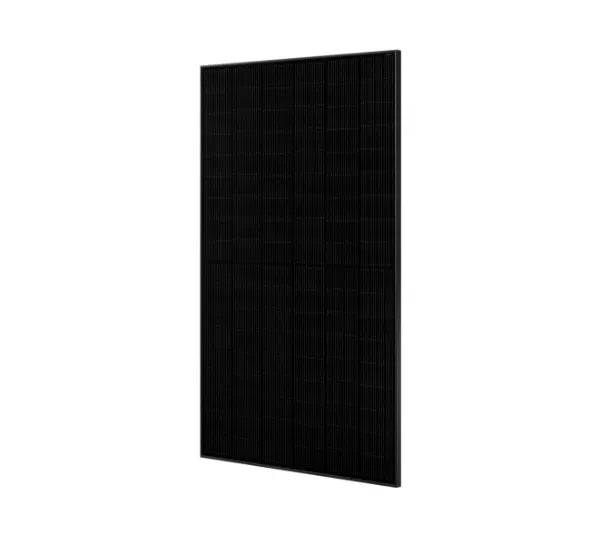
JA Solar JAM54D41 450W N-type TOPCon
£82450
22.8
1722 x 1134 x 30
21.5
Affiliate link — we may earn a small commission at no extra cost to you
Scotland, Wales, and Northern Ireland
Permitted development rules vary by nation:
Scotland: The total area limit for standalone solar in Scotland is also 9m². Height and boundary conditions are similar but not identical to England. Check with your local planning authority.
Wales: Wales broadly follows England's PD rules for solar, with some differences in specific measurements and conservation area provisions.
Northern Ireland: PD rights exist for solar but with different conditions. Ground-mounted limits may differ — check the NI Planning Portal.
Practical Advice
- Roof mount first — If your roof is suitable, roof-mounted panels avoid the 9m² issue entirely
- Check before you build — Even for PD-compliant installations, a quick call to your council's planning team costs nothing and gives peace of mind
- Consider a Certificate of Lawful Development — For £103, you get official confirmation that your installation is permitted. Useful for resale
- Keep records — Photographs, measurements, and installer documentation proving PD compliance can prevent future disputes
Share this article

OVO has carefully selected trusted teams across the UK to install solar panels and heat pumps. Enjoy the personal touch of a local expert with the peace of mind of a household name.
Affiliate link — we may earn a small commission at no extra cost to you
Stay informed
Get free solar updates direct to your inbox
Related reading
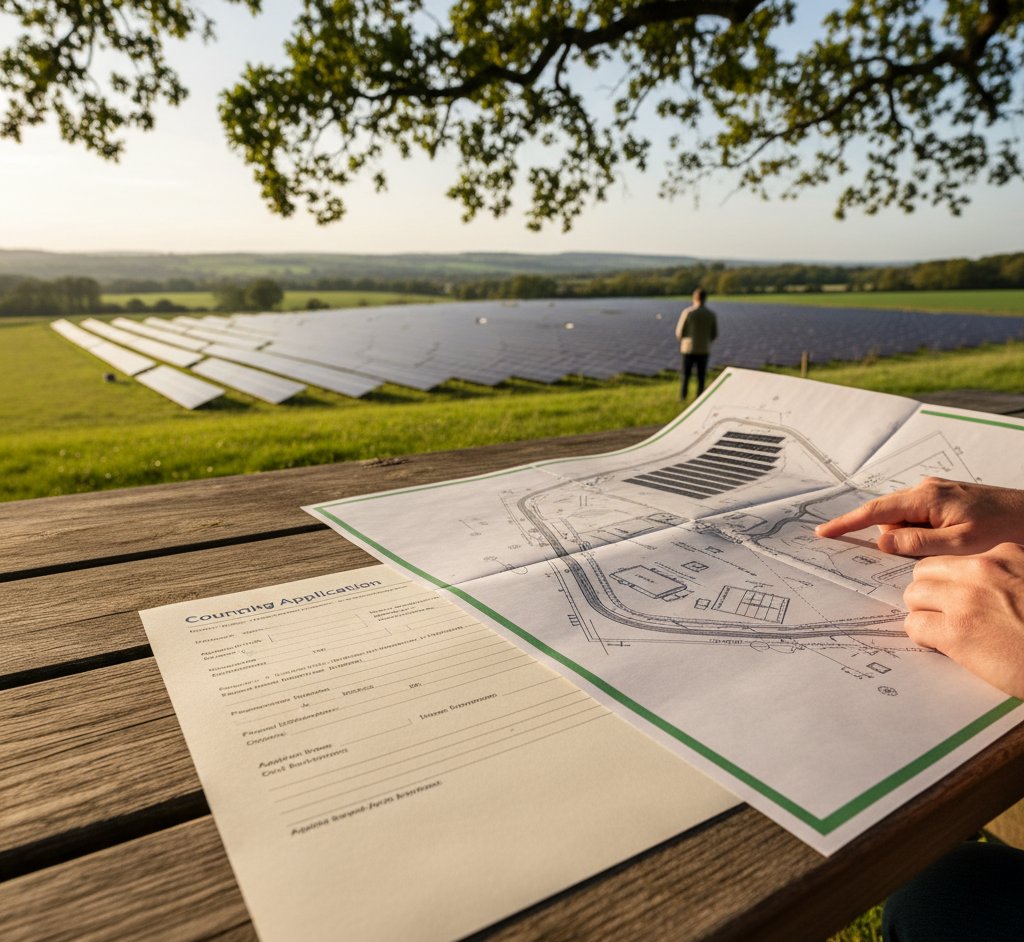
Solar Panel Planning Permission UK: What You Need to Know
Do you need planning permission for solar panels in the UK? Clear guide to permitted development rules, when you need to apply, and what happens in special areas.
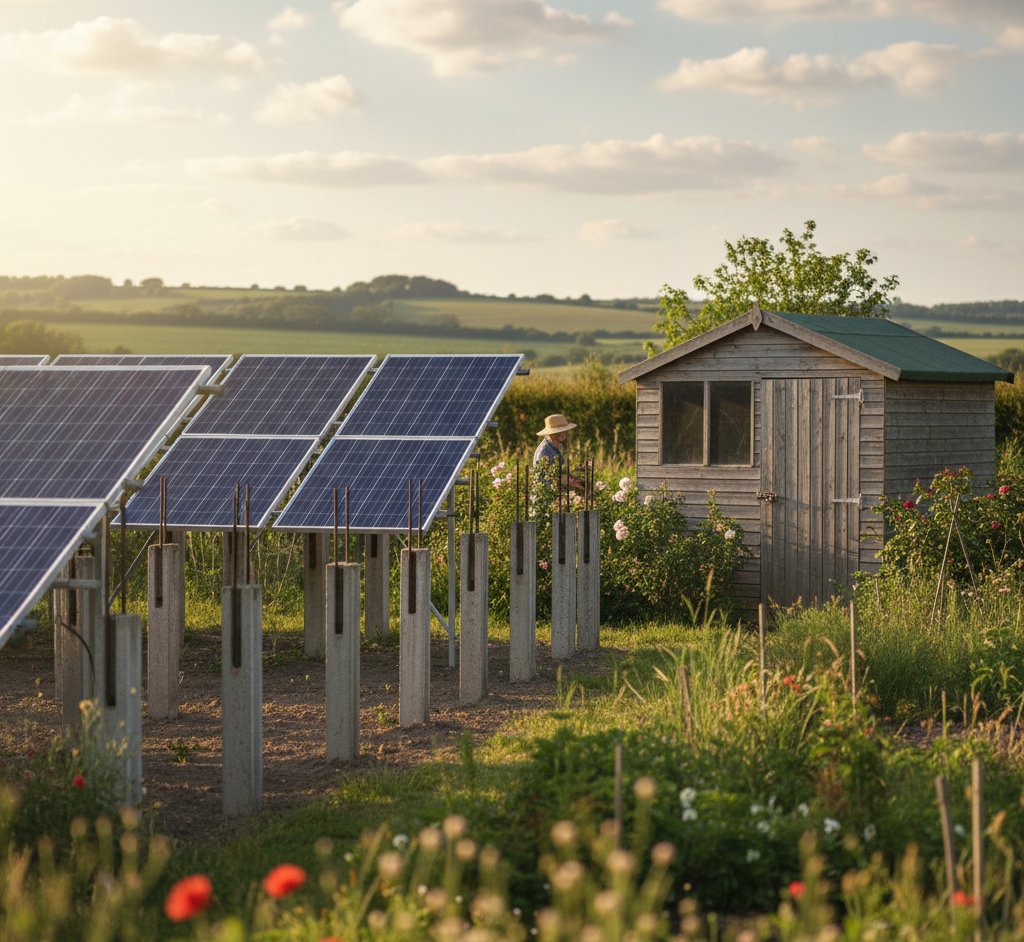
Ground-Mounted Solar Panels UK: When and Why
Ground-mounted solar panels explained for UK homeowners. When ground mount makes sense, costs, planning permission rules, and practical considerations.
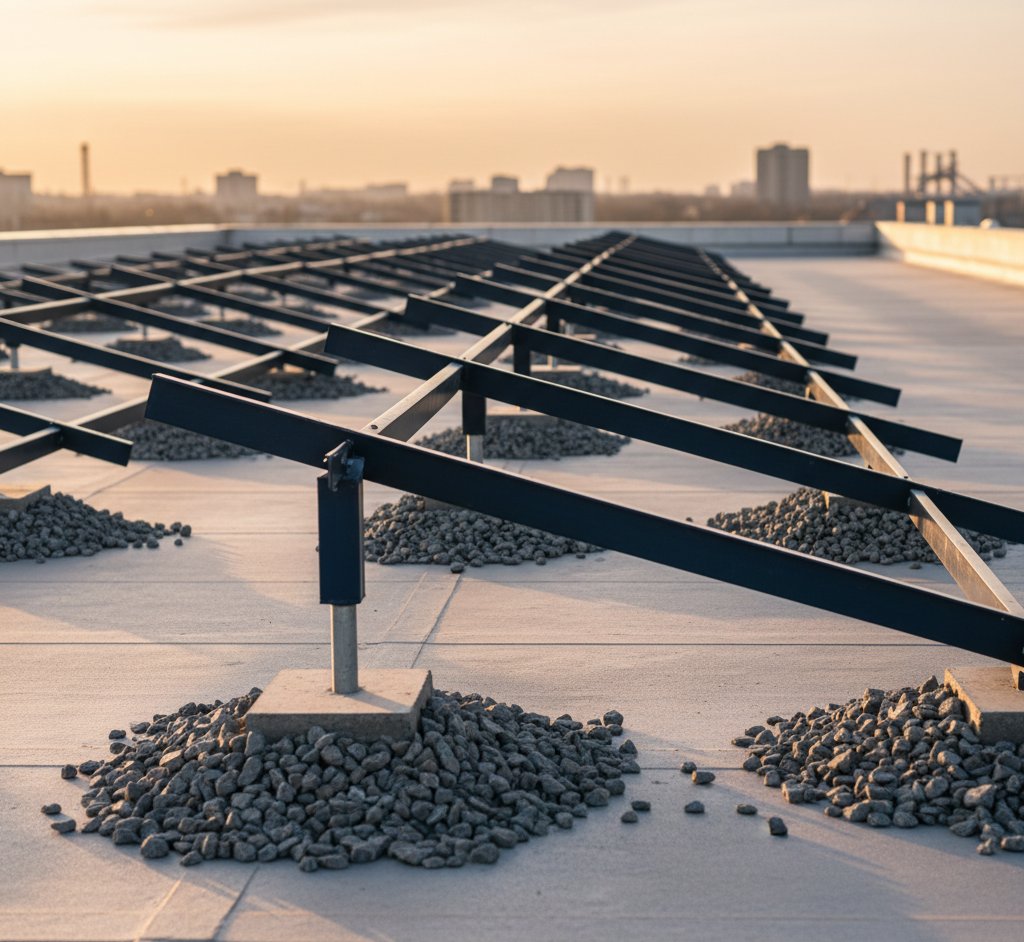
Solar Panels on a Flat Roof: Mounting, Costs and Planning
Flat roof solar in the UK — ballasted vs frame-mounted systems, optimal tilt angle, planning permission, costs vs pitched roof, and pros and cons.


Switch to Octopus Energy
Get 50 credit when you switch. We get 50 too — win-win.
What does this mean for YOUR home?
Design your perfect solar setup in under 3 minutes. Free, no sign-up required.
Build Your Solar System