This page contains affiliate links. If you purchase through them we may earn a small commission at no extra cost to you. Learn more
Electric Heating with Solar: Panel Heaters and Storage

The appeal
With electricity generated for free from your roof, why not use it to heat your home? It sounds logical — but the seasonal mismatch between solar generation and heating demand makes direct electric heating from solar alone impractical for most UK homes.
Types of electric heating
Direct panel heaters
Wall-mounted electric radiators that convert electricity to heat at a 1:1 ratio. Every kWh of electricity produces 1kWh of heat.
Pros: Simple, cheap to install, instant heat, no plumbing Cons: Expensive to run at grid rates (~24p/kWh), no thermal storage
Storage heaters
Contain ceramic bricks that heat up during cheap-rate electricity periods and release heat gradually during the day.
Pros: Use cheap overnight electricity, release heat when needed Cons: Imprecise control, heat when you don't need it (warm afternoons), cold by evening, bulky
Solar integration: Modern smart storage heaters can be charged with solar surplus during the day (if you have a diverter or smart controller). This replaces the traditional overnight charging with midday solar charging — potentially useful in spring/autumn when you have surplus solar and still need some heating.
Infrared heating panels
Thin, wall or ceiling-mounted panels that emit infrared radiation, which heats objects and people directly rather than the air.
Pros: Very responsive, comfortable radiant heat, can be powered zone by zone, lower running costs than convective heaters Cons: Higher purchase cost per panel (£200–£500 each), need line-of-sight to occupants for best effect, still 1:1 electricity to heat conversion
Infrared panels are the most promising direct electric heating option for solar homes because they're responsive (you can turn them on/off quickly to match solar availability) and efficient in terms of comfort per kWh.
Heat pumps
A heat pump doesn't convert electricity to heat directly — it moves heat from outside to inside, using electricity to drive the process. For every 1kWh of electricity, a heat pump delivers 2.5–4kWh of heat (the coefficient of performance, or COP).
Pros: 3–4x more efficient than direct electric, works with wet central heating (radiators/UFH), eligible for BUS grant (£7,500), best-in-class for electrified heating Cons: High upfront cost (£8,000–£15,000 after grant), requires good insulation, may need larger radiators, noise from outdoor unit
If you're serious about heating your home with solar electricity, a heat pump is the only technology that makes the maths work in winter.
Heat pump + solar is the ideal long-term combination
A heat pump consuming 3,000–4,000 kWh/year of electricity, combined with a 6–8kW solar system and battery, can provide the majority of a well-insulated UK home's heating from solar. In summer, surplus solar charges the battery and heats water. In winter, the battery stores cheap overnight electricity to run the heat pump during the day. It's the closest thing to practical solar heating in the UK climate.

The seasonal mismatch problem
Let's quantify why direct electric heating from solar alone doesn't work:
| Month | Solar surplus (4kW system) | Heating demand (avg home) |
|---|---|---|
| January | 0–2 kWh/day | 30–40 kWh/day |
| April | 4–8 kWh/day | 10–20 kWh/day |
| July | 10–15 kWh/day | 0 kWh/day |
| October | 2–5 kWh/day | 15–25 kWh/day |
In January, your solar surplus covers about 5% of your heating need. In July, you have loads of solar but need no heating. The overlap (spring and autumn) is the only period where solar can meaningfully contribute to heating.
A solar diverter sending surplus to electric heaters might provide 200–500 kWh of heating per year — useful but nowhere near enough to replace a gas boiler or heat pump.
What actually works in the UK
Gas boiler + solar PV (current standard)
For most UK homes in 2026, the practical approach is:
- Gas boiler provides heating and hot water
- Solar panels provide electricity
- A solar diverter offsets some gas hot water use
- The electrical savings pay for themselves regardless of heating
Heat pump + solar PV (best long-term option)
For new builds, renovations, or boiler replacement:
- Air source heat pump provides heating and hot water
- Solar panels provide electricity
- Battery stores surplus for heat pump operation
- Smart tariff charges the battery cheaply for winter heat pump use
This combination can reduce total energy costs (heating + electricity) by 50–70% compared to a gas boiler on a flat electricity tariff.
Electric heating + solar PV + battery (niche viable)
For well-insulated homes without gas connections:
- Infrared panels or modern storage heaters provide heating
- Solar panels and battery reduce grid electricity consumption
- Smart tariff charges the battery overnight at ~5.5p/kWh (Octopus Go) for winter heating
- Annual heating costs: £800–£1,500 (vs £500–£800 with a heat pump)
This works but is more expensive than a heat pump in the long run. It's mainly relevant for properties where a heat pump isn't feasible (no space for outdoor unit, listed buildings, etc.).
Don't remove a gas boiler just because you have solar
Solar panels are an electricity technology, not a heating technology. Unless you're installing a heat pump, keep your gas boiler for heating. The economics of direct electric heating at grid rates are poor even with solar — your panels generate most electricity in summer when you don't need heating.
If you're looking to maximise solar self-consumption for heating, these products help:
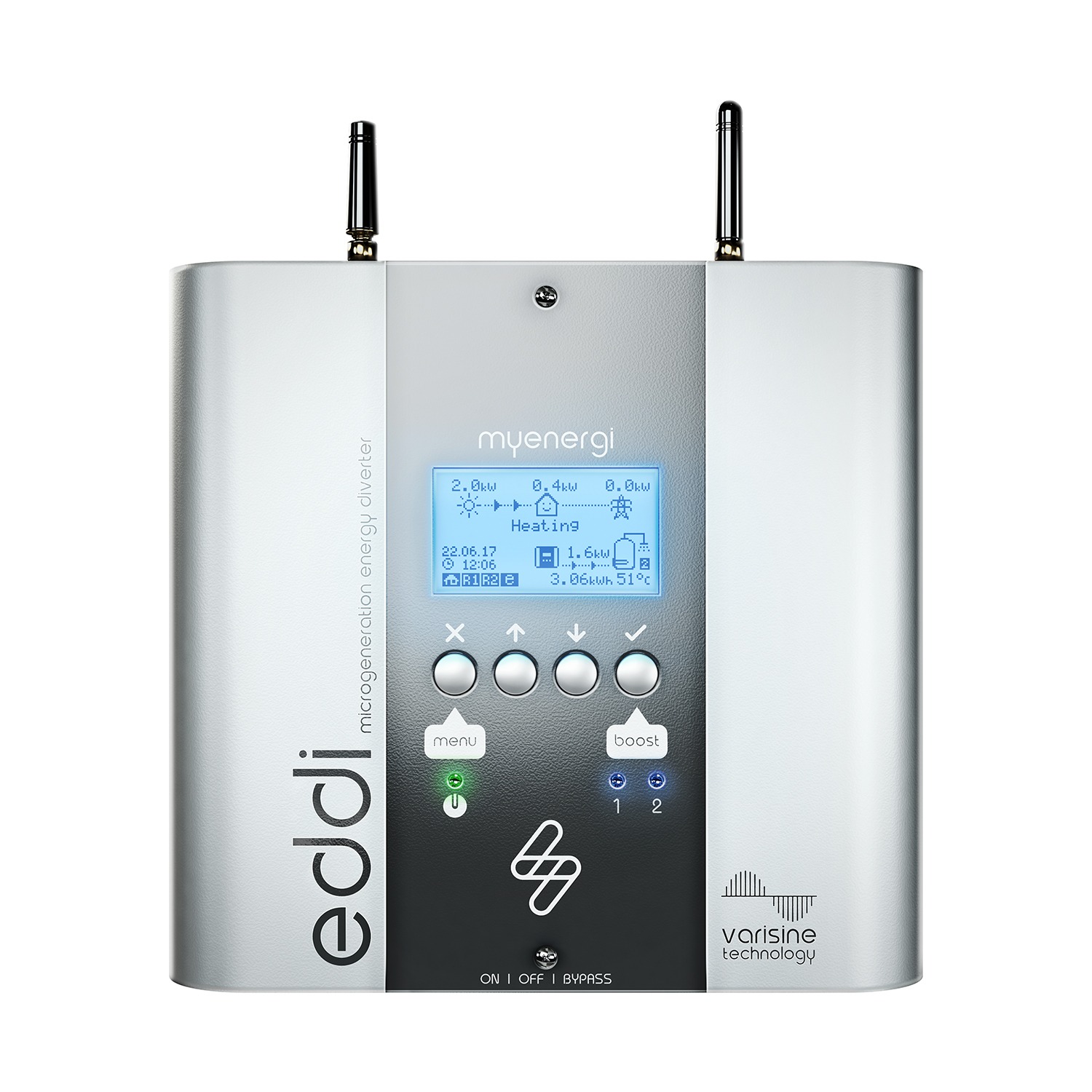
myenergi Eddi Solar Diverter
£1853000
power_divert,timed_boost
2
configurable
Affiliate link — we may earn a small commission at no extra cost to you
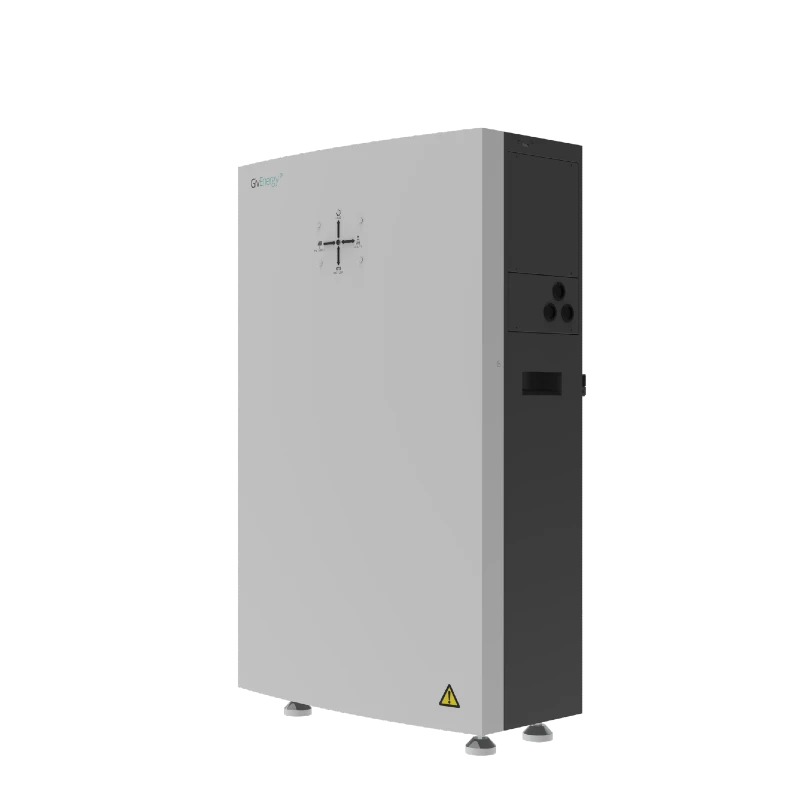
GivEnergy All-in-One 9.5kWh Battery
£5,5009.5
8.6
LFP
6000
Affiliate link — we may earn a small commission at no extra cost to you
The bottom line
Solar electricity can contribute to home heating, but it cannot replace a proper heating system in the UK climate. The seasonal mismatch is fundamental and no amount of panels or batteries can fully overcome it at reasonable cost.
The best strategy: use solar for electricity, a heat pump for heating (if feasible), and a battery to bridge the two. If a heat pump isn't an option, keep your gas boiler and use solar to reduce your electricity bills — that's where the clear financial returns are.
Share this article
Stay informed
Get free solar updates direct to your inbox
Related reading
Solar Immersion Heating: Using Surplus Power for Hot Water
How solar immersion diverters send surplus electricity to your hot water tank, cutting gas bills. UK costs, setup requirements, and realistic savings.
Solar Battery Storage: Complete UK Guide 2026
Everything you need to know about adding battery storage to a UK solar installation — types, sizing, costs, and which products are worth considering in 2026.
Diverter Priority Chains: Optimising Surplus Solar
How to set up a priority chain for surplus solar energy — battery, hot water, EV charging, and more. Maximise self-consumption with smart load ordering.


Switch to Octopus Energy
Get 50 credit when you switch. We get 50 too — win-win.
What does this mean for YOUR home?
Design your perfect solar setup in under 3 minutes. Free, no sign-up required.
Build Your Solar System