This page contains affiliate links. If you purchase through them we may earn a small commission at no extra cost to you. Learn more
Repurposing EV Batteries for Home Storage

Why repurpose EV batteries?
Electric vehicle batteries are typically replaced or the car retired when capacity drops to 70–80% of original. A Nissan Leaf battery that started at 40kWh might be "retired" at 30kWh — still a huge amount of storage that's perfectly usable for a home where energy density and weight don't matter.
The appeal:
- Low cost — retired EV batteries sell for £50–£150/kWh, compared to £250–£400/kWh for new home storage batteries
- Large capacity — a single EV battery pack provides 20–60kWh of storage, more than most homes need
- Sustainability — extending battery life reduces waste and the environmental impact of battery manufacturing
- The DIY challenge — for technically inclined people, it's a genuinely interesting project
Sourcing second-life EV batteries
Common sources in the UK
Nissan Leaf modules — the most popular choice for DIY projects. The Leaf battery consists of stackable modules (typically 7.6V each), making it relatively easy to configure into different voltage packs. Modules are widely available from:
- EV breakers and recyclers (search for EV battery recyclers near your area)
- eBay and other marketplaces (buyer beware — test before buying)
- Specialist suppliers like Fogstar, who sell tested EV cells and modules
Tesla Model S/3 modules — higher energy density but more complex to disassemble and configure. Less commonly available as individual modules.
BMW i3 modules — good energy density, available from specialist breakers.
Chinese EV modules (BYD, CATL cells) — increasingly available as Chinese EVs enter the UK used market.
What to look for
- State of Health (SOH): Aim for 70%+ SOH. Below 60% and the cells may degrade rapidly.
- Cell balance: All cells in a module should be within 50mV of each other. Large imbalances suggest damaged cells.
- Physical condition: No swelling, leaking, corrosion, or impact damage.
- Documentation: Any available history (which vehicle, mileage, age) helps assess remaining life.
High voltage safety is critical
EV battery packs operate at 300–800V DC. Even individual modules at 48V can deliver lethal currents. If you don't have specific training in high-voltage battery handling, do not attempt to disassemble an EV battery pack. Wear appropriate PPE (insulated gloves rated to the voltage, safety glasses, non-conductive tools), work in a dry environment, and have a fire extinguisher (Class D or CO2) nearby. Deaths have occurred from improper handling of EV batteries.
The technical challenge
Battery Management System (BMS)
Every battery needs a BMS to:
- Monitor individual cell voltages
- Balance cells during charging
- Protect against over-charge, over-discharge, over-temperature, and over-current
- Communicate with the inverter
EV batteries have their own BMS, but it's designed for the car's electrical system, not a home inverter. You typically need to either:
- Replace the BMS with an aftermarket unit compatible with your chosen inverter (e.g., JBD, Daly, or specialist solar BMS boards)
- Use a protocol converter to translate between the EV BMS and your inverter's communication protocol
This is the most technically challenging part of the project. See our BMS-to-inverter communication guide for details on protocols and GitHub resources.
Inverter compatibility
Not all inverters work with DIY battery packs. You need an inverter that:
- Accepts the voltage range of your battery configuration
- Supports the BMS communication protocol (CAN bus, RS485)
- Can be configured for custom battery parameters
Compatible inverters for DIY batteries:
- SunSynk (supports multiple battery protocols)
- Victron (extremely flexible, popular for off-grid and DIY)
- Sofar (configurable for custom batteries)
- Some Solis models (with appropriate settings)
GivEnergy and Fox ESS require their own branded batteries and won't work with DIY packs.
Configuration
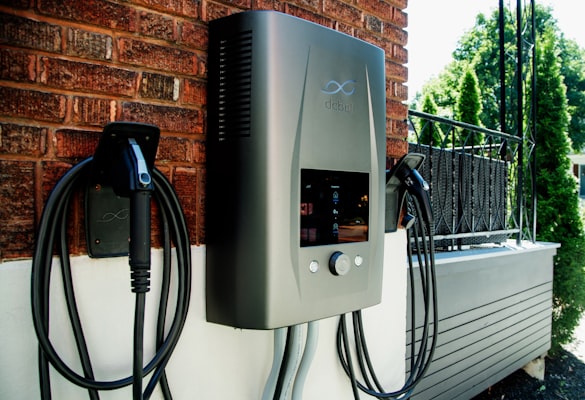
A typical DIY EV battery home storage build:
- Source tested EV modules (e.g., 14 x Nissan Leaf modules = ~48V nominal, ~5kWh per module pair)
- Build a battery enclosure (ventilated, fire-rated housing)
- Install aftermarket BMS (sized for your pack configuration)
- Wire modules in series/parallel for desired voltage and capacity
- Connect to compatible hybrid inverter via BMS communication cable
- Commission and test — charge/discharge cycles to verify BMS protection and inverter communication
Start with a kit or pre-built option
Companies like Fogstar and Seplos sell pre-assembled battery packs using EV cells with integrated BMS boards, designed for home solar use. These cost more than raw salvage modules but dramatically reduce the technical challenge. For most DIY enthusiasts, a semi-assembled kit is the sweet spot between cost savings and manageable complexity.
Cost comparison
| Option | Cost per kWh (installed) | Warranty | Effort |
|---|---|---|---|
| New GivEnergy battery | £300–£400 | 12 years | Professional install |
| New Pylontech battery | £250–£350 | 10 years | Professional install |
| Fogstar kit (EV cells) | £150–£250 | 5 years | DIY assembly |
| Raw EV modules + DIY BMS | £80–£150 | None | Significant DIY |
The savings are real — a 10kWh pack from raw EV modules might cost £800–£1,500 in parts vs £3,000–£5,000 for a new commercial battery. But the time investment (easily 20–40 hours for a first build), risk, and lack of warranty must be factored in.
Risks and considerations
No manufacturer warranty
A DIY battery has no warranty. If cells fail, that's your cost. If the BMS malfunctions and damages the inverter, your inverter warranty may be void.
Insurance
Home insurers may not cover a DIY battery installation. Inform your insurer — some will accept it (possibly with a premium), others won't. A fire involving an uninsured DIY battery could have serious financial consequences.
Safety certification
A DIY battery won't have CE/UKCA marking or any safety certification. While this isn't illegal for personal use, it affects insurance and potentially the resale value of your home.
Degradation uncertainty
Without a manufacturer's degradation curve, you're guessing at the remaining life of second-hand EV cells. Some will last 5+ more years; others might degrade rapidly.
If you prefer a pre-assembled alternative to raw EV battery repurposing:
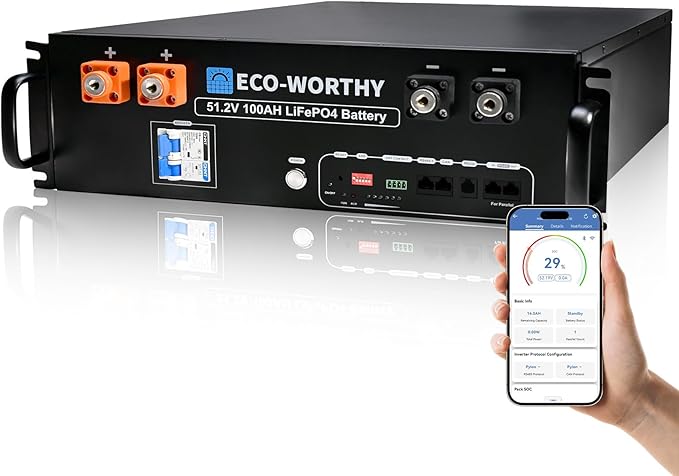
ECO-WORTHY 5.12kWh LiFePO4 Battery Module
£7005.12
4.9
LFP
4000
Affiliate link — we may earn a small commission at no extra cost to you
Is it worth it?
For technically skilled enthusiasts: Yes, potentially. The cost savings are significant, the project is intellectually rewarding, and the growing community of UK DIY battery builders (particularly on forums and YouTube) provides excellent peer support.
For most homeowners: No. The complexity, risk, and lack of warranty make commercial batteries the safer choice. The price gap is closing as new battery prices fall, reducing the financial incentive for DIY.
The sweet spot is probably a semi-assembled kit (Fogstar, Seplos) with pre-tested cells and an integrated BMS, installed with a compatible inverter by someone comfortable with electrical work. This captures most of the cost saving with significantly less risk.
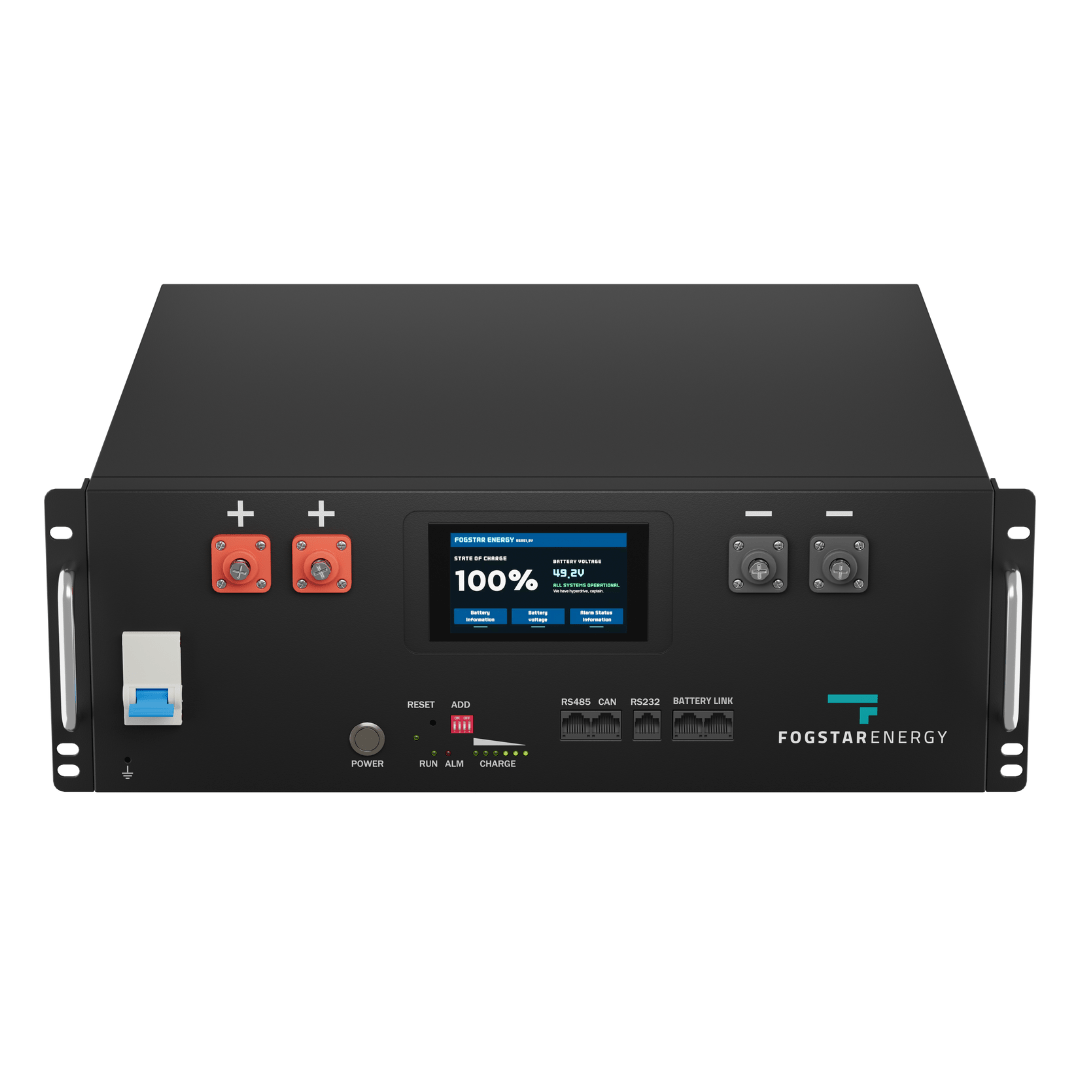
Fogstar Drift 5.12kWh LiFePO4 Battery
£1,5005.12
5
LFP
6000
Affiliate link — we may earn a small commission at no extra cost to you
Share this article
Stay informed
Get free solar updates direct to your inbox
Related reading
Solar Battery Storage: Complete UK Guide 2026
Everything you need to know about adding battery storage to a UK solar installation — types, sizing, costs, and which products are worth considering in 2026.
Battery Capacity Testing: Equipment and Methods
How to test the actual capacity of solar battery cells and modules. Equipment needed, testing methods, and how to assess second-life EV battery health.
BMS-to-Inverter Communication: GitHub Repos and Protocols
Technical guide to BMS-to-inverter communication protocols for DIY solar batteries. CAN bus, RS485, and open-source GitHub projects for UK DIY builds.


Switch to Octopus Energy
Get 50 credit when you switch. We get 50 too — win-win.
What does this mean for YOUR home?
Design your perfect solar setup in under 3 minutes. Free, no sign-up required.
Build Your Solar System