This page contains affiliate links. If you purchase through them we may earn a small commission at no extra cost to you. Learn more
Great British Insulation Scheme (GBIS) and Solar
The Great British Insulation Scheme — GBIS for short — was a government-backed programme designed to improve home insulation across England, Scotland, and Wales. It closed on 31 March 2026. This article explains what GBIS was, who it helped, and — crucially — where to go now that it has ended.
GBIS Is Now Closed
GBIS ended on 31 March 2026 and was not extended. It stopped accepting new applications in October 2025. If you are looking for insulation or energy upgrade funding, apply for the Warm Homes: Local Grant instead at gov.uk/apply-warm-homes-local-grant or call 0800 098 7950. Unlike GBIS, the Warm Homes: Local Grant also covers solar panels.
What Was GBIS?
GBIS launched in 2023 as a complement to the ECO4 scheme. Where ECO4 focused on raising a home's overall EPC rating through multiple measures, GBIS was more narrowly focused on one big win: reducing heat loss through better insulation.
Energy suppliers with over 250,000 domestic customers were obligated to deliver insulation improvements under GBIS. The scheme had a target of helping 300,000 homes by March 2026. Unlike ECO4 — which was extended to December 2026 — GBIS was not extended and closed on its original date.
How Solar Fitted Into GBIS
GBIS was not a solar-first scheme. The primary eligible measures were:
- Loft insulation
- Cavity wall insulation
- Solid wall insulation (internal or external)
- Underfloor insulation
- Flat roof insulation
- Room-in-roof insulation
Solar PV could be funded under GBIS, but only as a secondary measure installed alongside a primary insulation measure. Standalone solar was not available through GBIS.
In practice, the likelihood of getting solar through GBIS depended on the installer and supplier. Some bundled solar as a secondary measure; others focused solely on insulation because it was more straightforward for meeting their scheme obligations.
Who Qualified?
GBIS had two eligibility routes:
General Group
- Home with an EPC rating of D, E, F, or G
- Properties in council tax bands A–D were prioritised (in England and Wales)
- No benefits required
- Owner-occupiers, private tenants, and social tenants were all eligible
Low-Income Group
- Receiving means-tested benefits (Universal Credit, Pension Credit, etc.)
- Home with an EPC of D, E, F, or G
- Higher funding caps applied, making additional measures like solar more likely
Need Insulation Funding Now? Try the Warm Homes: Local Grant
GBIS is closed, but the Warm Homes: Local Grant covers insulation for households earning under £36,000 with an EPC of D–G. It also includes solar panels, heat pumps, and smart controls — broader coverage than GBIS ever offered. Apply at gov.uk/apply-warm-homes-local-grant.
What Replaced GBIS?
GBIS is not being replaced on a like-for-like basis. The government has confirmed there will be no GBIS successor scheme. Instead, insulation funding for eligible households moves to the Warm Homes: Local Grant, which is already live.
The Warm Homes: Local Grant is meaningfully different from GBIS:
- It is direct government grant funding, not a supplier obligation
- It covers a wider range of measures — including solar panels, not just insulation
- Your council manages the process, not your energy supplier
- Income threshold: under £36,000. EPC requirement: D–G
If you were planning to apply for GBIS, apply for the Warm Homes: Local Grant instead. Call 0800 098 7950 or visit gov.uk/apply-warm-homes-local-grant.
How to Apply (Warm Homes: Local Grant)
Since GBIS is closed, here is the current process for insulation and solar funding:
- Check your EPC at find-energy-certificate.service.gov.uk
- Confirm your income — the threshold is under £36,000 household income
- Apply online at gov.uk/apply-warm-homes-local-grant or call 0800 098 7950
- Your council arranges the assessment and installation — you do not need to find a contractor yourself
GBIS vs ECO4 vs Warm Homes: Local Grant
Now that GBIS has closed, it is useful to understand how it compared to the schemes that remain active:
| Feature | ECO4 (open until Dec 2026) | GBIS (closed) | Warm Homes: Local Grant (live now) |
|---|---|---|---|
| Solar as primary measure | Yes | No | Yes |
| Insulation | Yes | Yes | Yes |
| Requires benefits | Yes (or LA Flex) | Not for general group | No — income threshold instead |
| Income threshold | None (benefits-based) | None for general group | Under £36,000 |
| EPC requirement | D–G | D–G | D–G |
| Whole-house approach | Yes | No | Yes |
| Who manages delivery | Energy supplier | Energy supplier | Local council |
If you previously qualified for GBIS's general group (no benefits, but low EPC), the Warm Homes: Local Grant is the most likely successor — provided your household income is under £36,000. ECO4 remains open until December 2026 for benefits-eligible households.
What to Expect from a Warm Homes: Local Grant Installation
The Warm Homes: Local Grant follows similar quality standards to what GBIS required:
- Your council identifies and approves your application
- A TrustMark-registered installer carries out the work
- There is no cost to you for eligible measures
- Work follows PAS 2030/2035 retrofit standards
- Appropriate guarantees apply (25-year insurance-backed for cavity wall insulation; MCS certification for solar)
For insulation alone, work typically takes 1–3 days. If solar is included, add another 1–2 days for the PV installation.
Insulation Quality Matters
If you're getting cavity wall insulation through any funded scheme, make sure the installer carries out a proper pre-installation survey. Poorly installed cavity wall insulation can cause damp problems. Ask the installer to confirm they've checked for existing damp, cracks in external render, and adequate ventilation. A good installer will do this automatically — a bad one won't.
GBIS Timeline
GBIS ran from 2023 to 31 March 2026. It stopped accepting new applications in October 2025 and closed on its original end date without extension. Unlike ECO4, which was extended to December 2026, GBIS was wound down as planned. The Warm Homes Plan — specifically the Warm Homes: Local Grant — now covers the households GBIS served.
The synergy between good insulation and solar remains as strong as ever, even though GBIS itself has ended. If you are planning a private solar installation and want to improve your home's insulation at the same time, these are popular panel options:
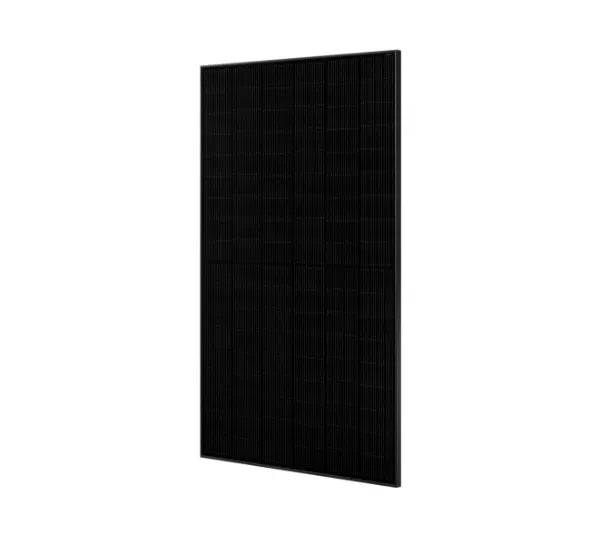
JA Solar JAM54D41 450W N-type TOPCon
£82450
22.8
1722 x 1134 x 30
21.5
Affiliate link — we may earn a small commission at no extra cost to you
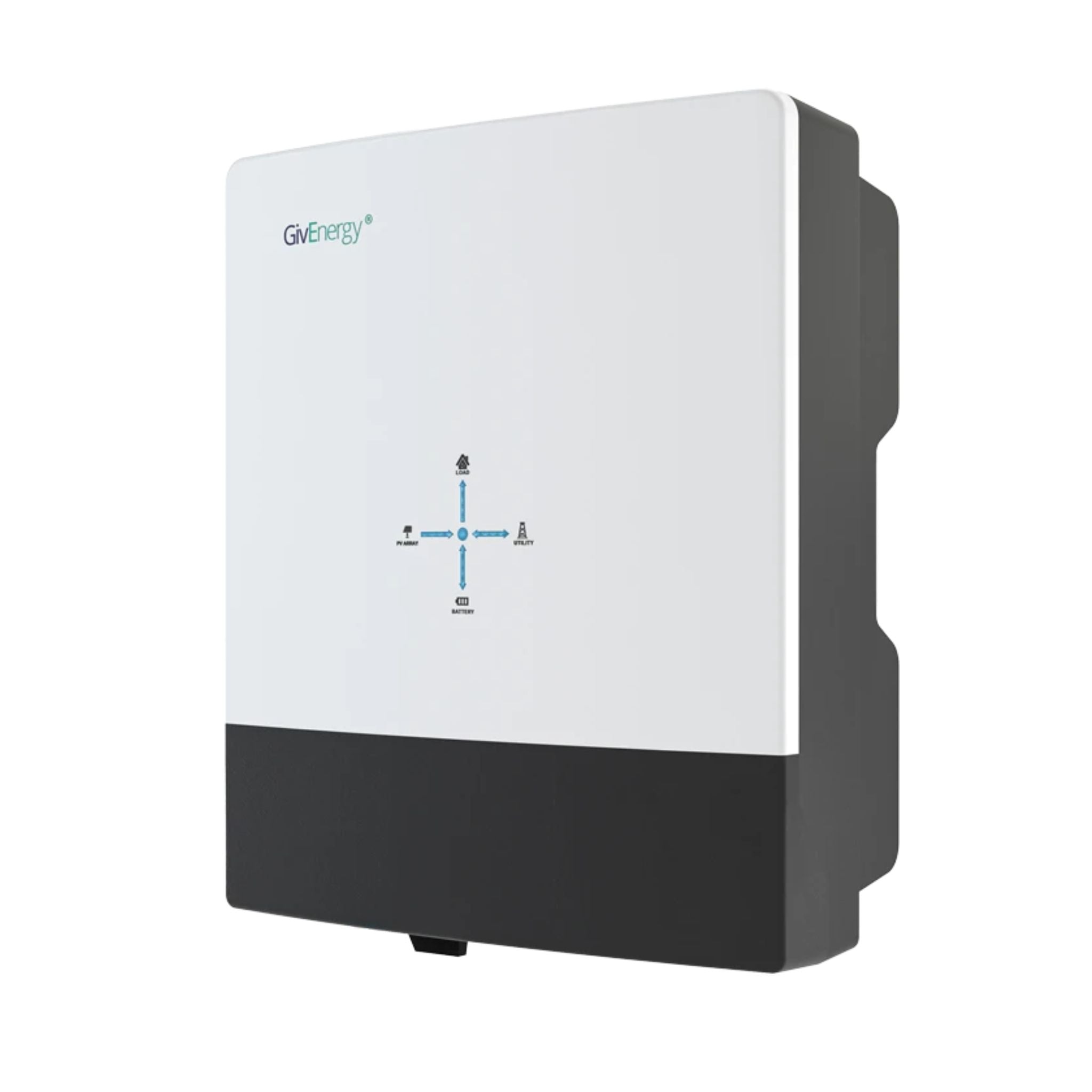
GivEnergy All-in-One 5kW Hybrid Inverter
£1,2005
7.5
2
48V
Affiliate link — we may earn a small commission at no extra cost to you
Is GBIS-Style Support Still Available?
GBIS itself is gone, but the support it provided has a successor. The Warm Homes: Local Grant is the current route to funded insulation — and it goes further than GBIS ever did, including solar panels in the same package.
If you need insulation and potentially solar:
- Household income under £36,000 and EPC D–G: Apply for the Warm Homes: Local Grant at gov.uk/apply-warm-homes-local-grant
- On qualifying benefits: Apply for ECO4 — still open until December 2026
- Neither of the above: Explore solar panel finance options and note that 0% VAT applies to all residential solar installations regardless of income
The combination of good insulation and solar remains one of the most effective whole-house efficiency upgrades available. Getting insulation right first means your solar generation goes further — less heat loss means less heating demand, and your solar electricity covers a larger proportion of what remains.
Share this article

The UK's fastest boiler installation service — from quote to fitted in as little as 24 hours. Award-winning, Trustpilot rated, with no pushy salesmen.
Affiliate link — we may earn a small commission at no extra cost to you
Stay informed
Get free solar updates direct to your inbox
Related reading

Solar Panel Grants and Funding UK 2026
A plain-English guide to every solar grant, scheme, and funding route available in the UK in 2026 — including ECO4, GBIS, HUG2, BUS, and devolved schemes.

ECO4 Scheme: Free Solar Panels Through Your Energy Supplier
How the ECO4 scheme funds free solar panels for eligible UK households. Covers who qualifies, how to apply, and what to watch out for.

How Much Do Solar Panels Cost in the UK in 2026?
Realistic UK solar panel costs broken down by system size, installation, and what actually affects the price you'll be quoted.

Switch to Octopus Energy
Get 50 credit when you switch. We get 50 too — win-win.
What does this mean for YOUR home?
Design your perfect solar setup in under 3 minutes. Free, no sign-up required.
Build Your Solar System