This page contains affiliate links. If you purchase through them we may earn a small commission at no extra cost to you. Learn more
ECO4 Scheme: Free Solar Panels Through Your Energy Supplier

The Energy Company Obligation (ECO4) is the main government-backed route to free solar panels in the UK. Large energy suppliers are legally required to fund energy efficiency improvements in lower-income and vulnerable households — and solar PV is an eligible measure. Here's how it actually works in practice.
ECO4 Extended to December 2026
ECO4 has been extended from its original March 2026 end date to 31 December 2026. The extension gives energy suppliers more time to meet their existing obligations — the targets themselves have not been increased. No new Innovation Measure applications are being accepted after March 2026, but the core scheme remains open. There will be no ECO5: the supplier obligation model is ending entirely, with the Warm Homes Plan taking over as the government-funded successor.
What Is ECO4?
ECO4 is the fourth iteration of the Energy Company Obligation, a scheme that has existed since 2013. The government sets energy efficiency targets that large energy suppliers (those with over 150,000 domestic customers) must meet. To hit those targets, suppliers fund improvements in homes that need them most.
Under ECO4, the focus shifted to a "whole house" approach. Rather than just fitting one measure (like loft insulation), the scheme aims to raise a home's EPC by at least two bands. Solar panels fit into this strategy because they improve a home's energy performance significantly, especially when combined with insulation.
Who Qualifies for ECO4 Solar?
Eligibility is based on two factors: your income/benefits situation and your property's energy performance.
Benefits criteria — you must receive one of:
- Universal Credit
- Pension Credit (Guarantee Credit)
- Child Tax Credit (with income below the threshold)
- Working Tax Credit
- Income Support
- Income-based Jobseeker's Allowance (JSA)
- Income-related Employment and Support Allowance (ESA)
- Housing Benefit
Property criteria:
- Your home must have an EPC rating of D, E, F, or G (some exceptions apply under local authority flex rules)
- The property must be your primary residence
- It can be owner-occupied, privately rented, or social housing
Local Authority Flex (LA Flex)
This is a crucial detail many people miss. Under LA Flex, your local council can refer households to ECO4 even if they don't receive the listed benefits. Councils can identify households living in fuel poverty or on low incomes using their own criteria. If you're on a low income but don't claim benefits, contact your council to ask about LA Flex referrals.
Check Your EPC First
You can look up your home's current EPC for free at find-energy-certificate.service.gov.uk. If your property is rated C or above, you're unlikely to qualify for ECO4 solar unless your council's LA Flex criteria apply.
What Does ECO4 Actually Cover?
If approved, ECO4 can fund:
- Solar PV panels (typically a 3–4kW system)
- Associated inverter and mounting hardware
- All installation labour and scaffolding
- Connection to your consumer unit
The cost to you should be zero. You do not need to make any upfront payment. The energy supplier funds the entire installation through their approved contractor network.
However, ECO4 uses a "worst first" approach. If your home also needs insulation or draught-proofing, those measures may be prioritised first because they tend to have a larger impact on the EPC rating. Solar may be installed as part of a package alongside insulation, or it may come as a subsequent measure.
How to Apply
There's no single application portal for ECO4. Instead, there are several routes:
- Contact your energy supplier directly — Ask about ECO4 eligibility. Most large suppliers have dedicated ECO4 teams.
- Use the Simple Energy Advice service — The government's own portal at simpleenergyadvice.org.uk can check eligibility and refer you.
- Contact your local council — For LA Flex referrals if you don't receive qualifying benefits.
- Through an approved installer — Some MCS-certified solar installers are also ECO4-approved and can process applications.
The process typically takes 4–12 weeks from initial enquiry to installation, though this varies by region and demand.
Beware of ECO4 Scams
Legitimate ECO4 installers do not cold-call, door-knock without invitation, or pressure you to sign immediately. If someone contacts you offering free solar under ECO4, ask for their company name and MCS certification number, then verify independently at mcscertified.com. Never sign a contract on the spot. The scheme is real, but fraudsters exploit the "free solar" messaging to push poor-quality installations or outright scams.
ECO4 Timeline and What Happens Next
ECO4 has been extended to 31 December 2026, giving suppliers more time to meet their existing obligations. The extension does not increase targets or open new Innovation Measure applications — it simply extends the window for delivering work already in the pipeline.
If you think you qualify, apply promptly because:
- Processing takes 4–12 weeks and the December 2026 deadline will approach quickly
- There will be no ECO5 — the supplier obligation model is ending for good
- Demand is likely to spike as the extension period draws to a close
What Comes After ECO4?
There will be no ECO5. The government has confirmed that the supplier obligation model ends with ECO4. The function ECO4 performs — funding energy improvements for low-income households — transfers to the Warm Homes Plan, specifically the Warm Homes: Local Grant.
The Warm Homes: Local Grant is already live. It provides fully funded upgrades (including solar panels, heat pumps, insulation, and smart controls) for households earning under £36,000 with an EPC rating of D–G. Your council arranges everything. You can apply at gov.uk/apply-warm-homes-local-grant or call the helpline on 0800 098 7950.
The shift matters: ECO4 is supplier-funded, while the Warm Homes Plan is direct government grant funding. The eligibility and application routes are different, and it is worth familiarising yourself with the new scheme now so you're ready when ECO4 closes.

OVO Solar & Heating
Trusted UK installerOVO has carefully selected trusted teams across the UK to install solar panels and heat pumps. Enjoy the personal touch of a local expert with the peace of mind of a household name.
Get a free quote from OVOAffiliate link — we may earn a small commission at no extra cost to you
Quality and Aftercare
ECO4 installations must be carried out by TrustMark-registered businesses using MCS-certified installers. This means you're entitled to:
- A 25-year product warranty on panels (standard from most manufacturers)
- A minimum 2-year workmanship warranty (often longer)
- MCS certification for your system, which enables Smart Export Guarantee eligibility
- PAS 2035 compliant retrofit assessment
If anything goes wrong with an ECO4-funded installation, your first point of contact is the installer. If they're unresponsive, escalate through TrustMark's dispute resolution process or contact your energy supplier.
Is ECO4 Solar Worth It?
If you qualify, this is essentially free electricity generation for 25+ years. A typical 3.5kW system installed under ECO4 can generate around 3,000kWh per year, saving roughly £500–700 annually on electricity bills depending on your usage patterns.
You'll also be eligible for the Smart Export Guarantee, earning additional income from surplus electricity exported to the grid.
The main downsides are limited system size (ECO4 tends to fund smaller systems than you might choose privately) and no choice of equipment brand. But free is free, and the panels installed under ECO4 are required to meet MCS standards regardless.
If you're exploring what a privately purchased system looks like, here are some popular panel options:
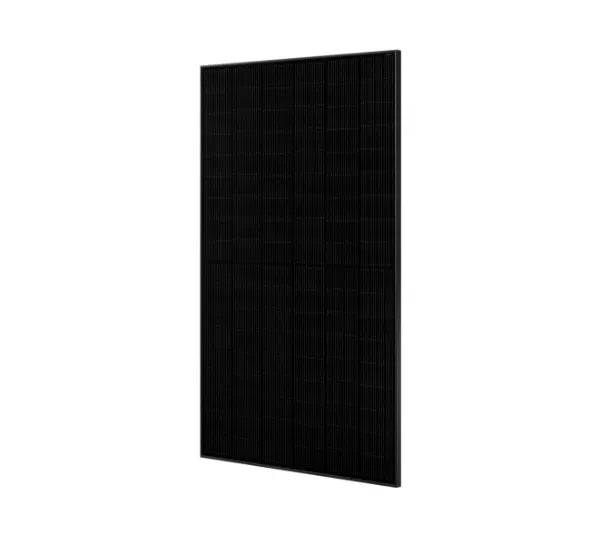
JA Solar JAM54D41 450W N-type TOPCon
£82450
22.8
1722 x 1134 x 30
21.5
Affiliate link — we may earn a small commission at no extra cost to you
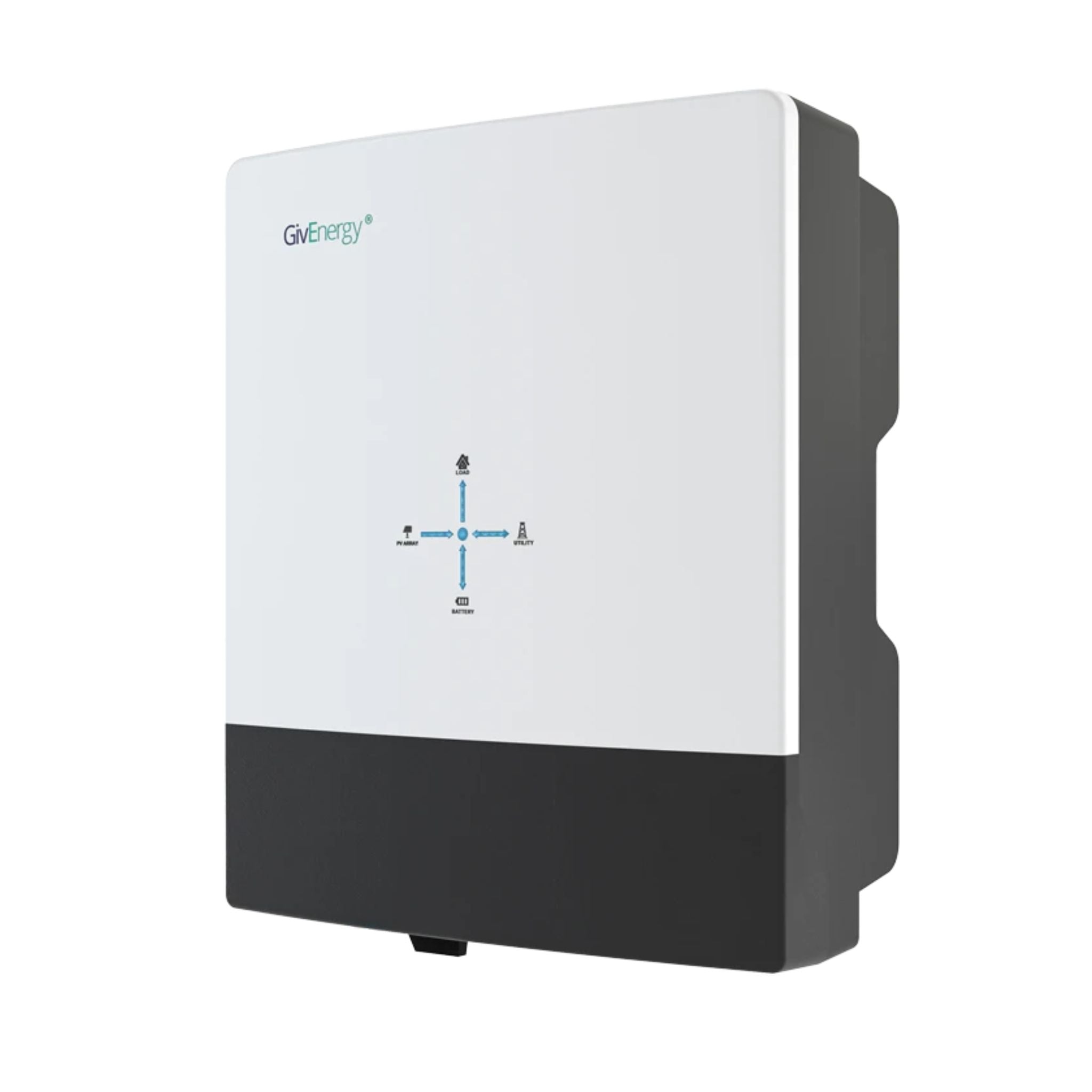
GivEnergy All-in-One 5kW Hybrid Inverter
£1,2005
7.5
2
48V
Affiliate link — we may earn a small commission at no extra cost to you
ECO4 vs Paying Privately
If you don't qualify for ECO4, the alternative is purchasing a system at full market price. A comparable 3.5kW system typically costs £5,000–7,000 including VAT zero-rating. The payback period is usually 7–10 years. For those who qualify for ECO4, the payback is instant — day one savings with no investment.
Share this article

The UK's fastest boiler installation service — from quote to fitted in as little as 24 hours. Award-winning, Trustpilot rated, with no pushy salesmen.
Affiliate link — we may earn a small commission at no extra cost to you
Stay informed
Get free solar updates direct to your inbox
Related reading
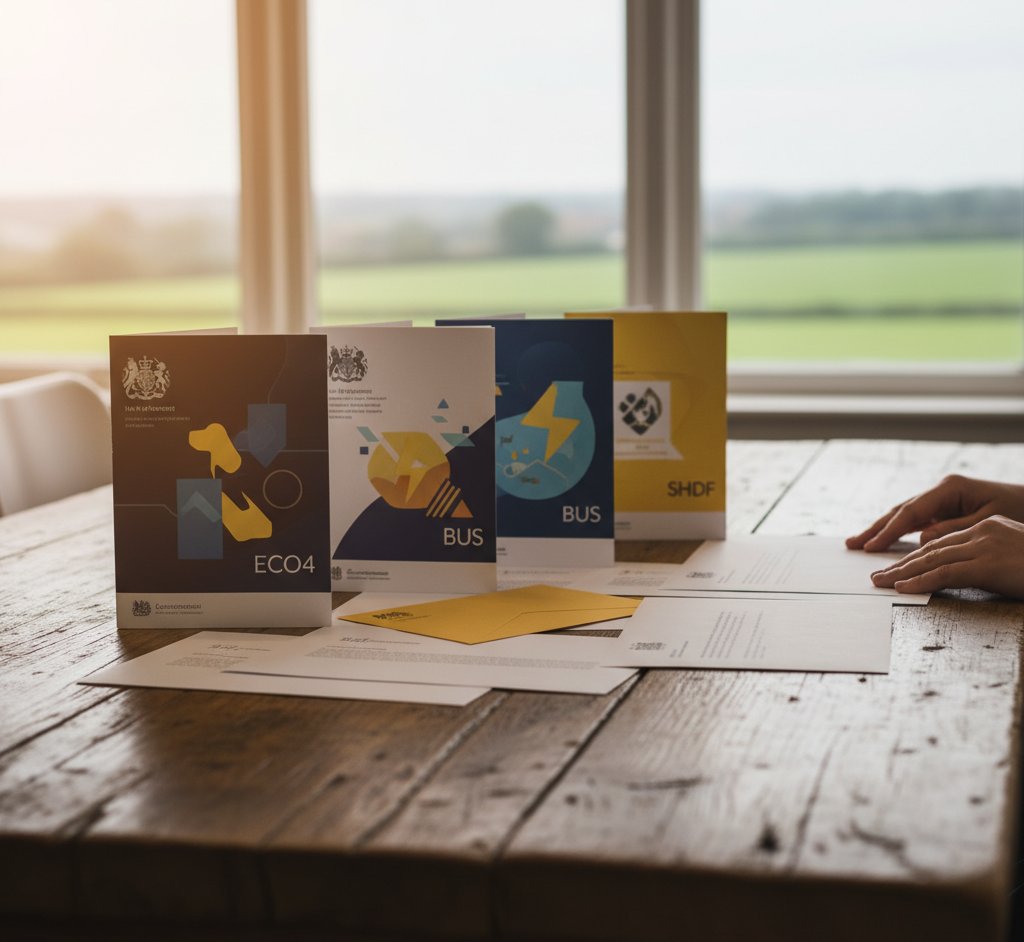
Solar Panel Grants and Funding UK 2026
A plain-English guide to every solar grant, scheme, and funding route available in the UK in 2026 — including ECO4, GBIS, HUG2, BUS, and devolved schemes.

How Much Do Solar Panels Cost in the UK in 2026?
Realistic UK solar panel costs broken down by system size, installation, and what actually affects the price you'll be quoted.

Warm Homes Plan: What's Replacing ECO4?
The Warm Homes Plan is the government's next-generation energy efficiency strategy. What it means for solar panels, who it targets, and the latest updates.


Switch to Octopus Energy
Get 50 credit when you switch. We get 50 too — win-win.
What does this mean for YOUR home?
Design your perfect solar setup in under 3 minutes. Free, no sign-up required.
Build Your Solar System