This page contains affiliate links. If you purchase through them we may earn a small commission at no extra cost to you. Learn more
Warm Homes Plan: What's Replacing ECO4?

The Warm Homes Plan was officially published on 21 January 2026. It is the government's £15 billion flagship programme to upgrade 5 million homes by 2030 and lift 1 million families out of fuel poverty. This is no longer speculative — three concrete pillars are confirmed and the first is already accepting applications.
What Is the Warm Homes Plan?
The Warm Homes Plan was officially published on 21 January 2026. It is a £15 billion programme with three confirmed delivery pillars, a 2030 deadline, and a clear mission: upgrade 5 million homes and lift 1 million families out of fuel poverty.
The headline targets:
- Upgrade 5 million homes by 2030
- Move 1 million families out of fuel poverty
- Reduce average household energy bills significantly
- Accelerate the transition away from fossil fuel heating
This is no longer a plan in development. The first pillar is already live and accepting applications.
The Three Pillars
Pillar 1: Warm Homes: Local Grant — Already Live
The Warm Homes: Local Grant is fully operational. It provides completely funded energy upgrades for households that meet the income threshold, with your council managing the entire process.
Who qualifies:
- Household income under £36,000
- EPC rating of D, E, F, or G
- England only
What it covers:
- Solar PV panels
- Heat pumps
- Insulation (loft, cavity wall, solid wall)
- Smart heating controls
- Other energy efficiency measures
How it works: Your local council identifies eligible households and arranges the work through approved contractors. There is no cost to you. Apply at gov.uk/apply-warm-homes-local-grant or call the helpline on 0800 098 7950.
This is the direct successor to ECO4's function for low-income households. Where ECO4 was supplier-funded, the Warm Homes: Local Grant is direct government grant funding delivered through councils.
Pillar 2: Consumer Loan Scheme — Launching April 2027
The Consumer Loan Scheme extends support to all homeowners, not just those on low incomes. It is government-backed, with a £1.7 billion budget.
Key details:
- 0–3% interest rate (government-backed)
- Available to all homeowners regardless of income
- Covers solar panels, battery storage, heat pumps
- Launching April 2027
This addresses the long-criticised cliff-edge in the current system, where middle-income households earning just above means-test thresholds receive no support at all. From April 2027, any homeowner who wants to install solar but cannot afford the upfront cost will have access to genuinely affordable government-backed finance.
Pillar 3: Future Homes Standard — From March 2027
The Future Homes Standard was published in March 2026 and comes into force in March 2027. Its impact on solar adoption will be significant.
What it requires:
- Solar panels are mandatory on all new-build homes
- At least 40% of ground floor area must be covered by PV
- Gas boilers are banned in all new-build properties
This means that from March 2027, every new home built in England will arrive with solar already installed as standard. The housebuilding industry is already adapting.

What's Happening to Current Schemes?
Several parallel schemes have changed status alongside the Warm Homes Plan launch:
| Scheme | Status | Notes |
|---|---|---|
| ECO4 | Extended to 31 December 2026 | No new Innovation Measure applications after March 2026 |
| GBIS | Closed 31 March 2026 | Not extended — Warm Homes: Local Grant covers insulation |
| HUG2 | Council-dependent — check locally | Warm Homes: Local Grant is the primary successor |
| BUS | Active until 2028 | Continues alongside the Warm Homes Plan |
The most important change: there will be no ECO5. The supplier obligation model that powered ECO4 and GBIS is ending. All future support flows through direct government grants and loans. This is a structural shift in how energy efficiency policy is delivered.
GBIS Has Closed
The Great British Insulation Scheme ended on 31 March 2026 and was not extended. If you were hoping to use GBIS for insulation funding, apply for the Warm Homes: Local Grant instead at gov.uk/apply-warm-homes-local-grant.
How Does Solar Fit In?
Solar PV sits at the centre of all three pillars of the Warm Homes Plan. The Warm Homes: Local Grant funds solar for low-income households now. The Consumer Loan Scheme will make solar accessible to all homeowners from 2027. And the Future Homes Standard makes solar unavoidable in new builds from the same date.
The fabric-first approach that characterised ECO4 remains — insulation and efficiency first, then renewables — but solar's role has been elevated from a secondary measure to a core component of the plan:
- Insulation and draught-proofing first
- Low-carbon heating (heat pumps) where gas boilers are being replaced
- Solar PV and battery storage to reduce electricity costs
- Smart controls and monitoring

What Should You Do Now?
If You Earn Under £36,000 and Have an EPC of D–G
Apply for the Warm Homes: Local Grant immediately. It is live now, fully funded, and your council handles everything. Call 0800 098 7950 or visit gov.uk/apply-warm-homes-local-grant.
If ECO4 Is Still an Option for You
ECO4 runs until December 2026. Apply as soon as possible — processing takes weeks, and demand will increase as the deadline approaches.
If You Don't Qualify for Means-Tested Support
The Consumer Loan Scheme at 0–3% interest launches April 2027. In the meantime, 0% VAT on solar applies to all residential installations, making private purchase more affordable than it has ever been. A typical 4kW system costs £5,500–7,500 installed and pays for itself in 7–10 years.
If You're a Landlord
The tightening of minimum EPC standards for rental properties is continuing. The Warm Homes: Local Grant covers private tenants in eligible homes, with the landlord's cooperation. It is worth engaging with your council proactively.
Official Sources Only
All applications and up-to-date eligibility information are at gov.uk. Your local council's website is the next best source. Be cautious of third-party aggregator sites claiming to fast-track applications — the official helpline (0800 098 7950) is free and direct.
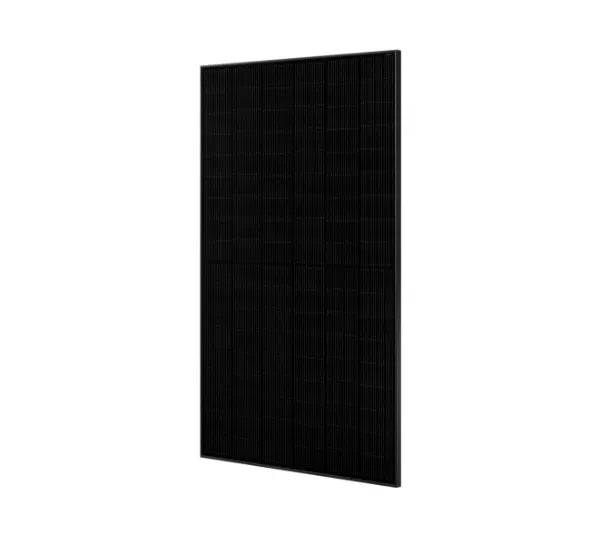
JA Solar JAM54D41 450W N-type TOPCon
£82450
22.8
1722 x 1134 x 30
21.5
Affiliate link — we may earn a small commission at no extra cost to you
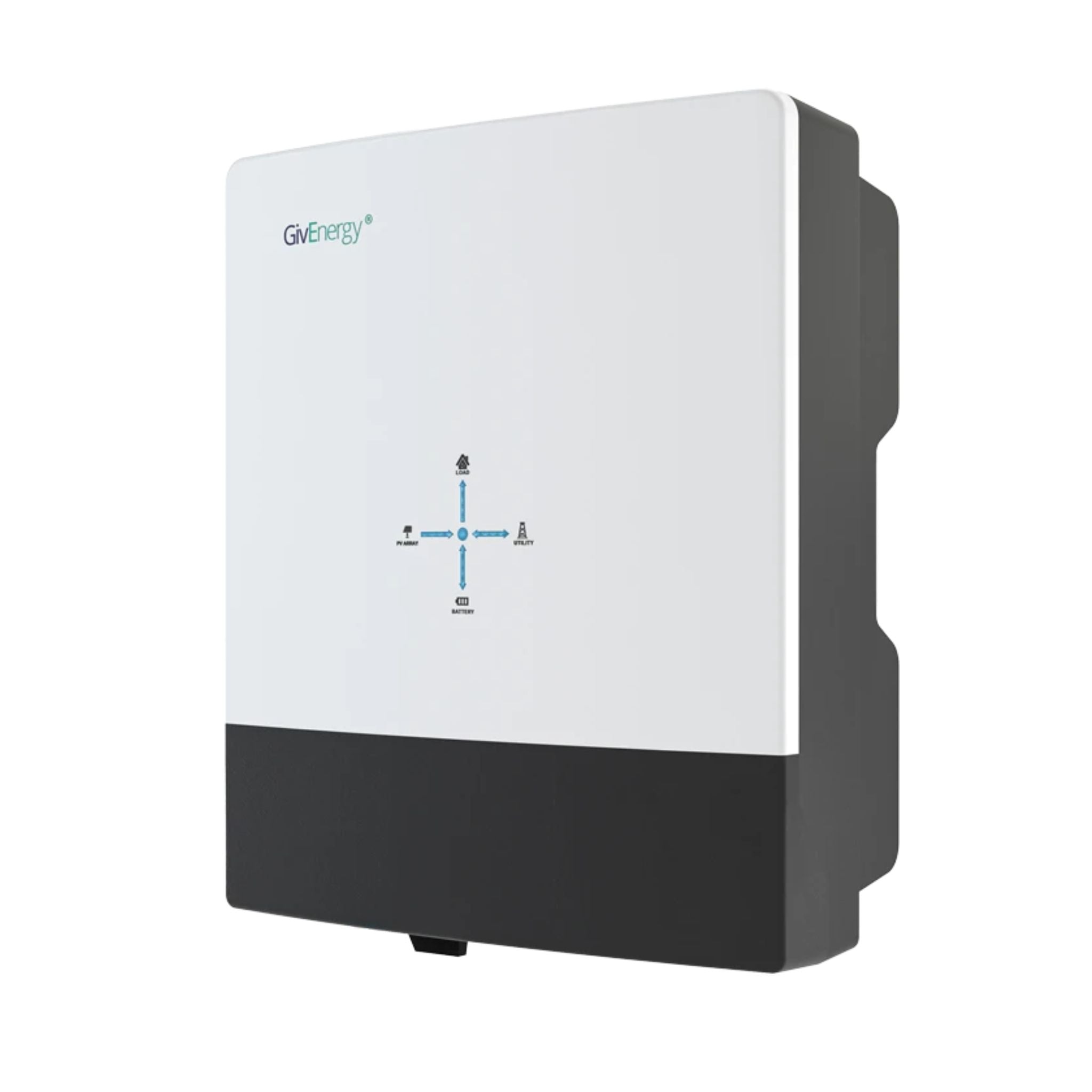
GivEnergy All-in-One 5kW Hybrid Inverter
£1,2005
7.5
2
48V
Affiliate link — we may earn a small commission at no extra cost to you

OVO Solar & Heating
Trusted UK installerOVO has carefully selected trusted teams across the UK to install solar panels and heat pumps. Enjoy the personal touch of a local expert with the peace of mind of a household name.
Get a free quote from OVOAffiliate link — we may earn a small commission at no extra cost to you
The Bigger Picture
The Warm Homes Plan represents a genuine structural shift in UK energy efficiency policy. The move from supplier obligations (ECO4, GBIS) to direct government grants and loans (Warm Homes: Local Grant, Consumer Loan Scheme) addresses many of the weaknesses of the old model: patchy geographic delivery, supplier-driven priorities, and the exclusion of middle-income households.
For solar specifically, the direction is unambiguous. Mandatory solar on all new builds from 2027, government-backed loans for all homeowners, and free installations for low-income households already happening now — this is the most comprehensive solar support framework the UK has ever had.
Grant and scheme eligibility
Check which UK solar grants and schemes you may be eligible for. This is a quick guide — always check the official scheme for full criteria.
0% VAT on solar
All residential solar installations are zero-rated for VAT until March 2027. Saves ~20% on the install cost. Applied automatically by your installer.
Smart Export Guarantee (SEG)
Not a grant but guaranteed income — energy suppliers must pay you for electricity you export to the grid. Requires MCS-certified installation.
Share this article

The UK's fastest boiler installation service — from quote to fitted in as little as 24 hours. Award-winning, Trustpilot rated, with no pushy salesmen.
Affiliate link — we may earn a small commission at no extra cost to you
Stay informed
Get free solar updates direct to your inbox
Related reading

ECO4 Scheme: Free Solar Panels Through Your Energy Supplier
How the ECO4 scheme funds free solar panels for eligible UK households. Covers who qualifies, how to apply, and what to watch out for.

Solar Panel Grants and Funding UK 2026
A plain-English guide to every solar grant, scheme, and funding route available in the UK in 2026 — including ECO4, GBIS, HUG2, BUS, and devolved schemes.

Home Upgrade Grant (HUG2): Off-Gas-Grid Solar Funding
The Home Upgrade Grant funds solar panels for off-gas-grid homes in England. Who qualifies for HUG2, how much funding is available, and how to apply.


Switch to Octopus Energy
Get 50 credit when you switch. We get 50 too — win-win.
What does this mean for YOUR home?
Design your perfect solar setup in under 3 minutes. Free, no sign-up required.
Build Your Solar System