This page contains affiliate links. If you purchase through them we may earn a small commission at no extra cost to you. Learn more
MEES Regulations: Why Landlords Should Consider Solar

If you're a UK landlord, Minimum Energy Efficiency Standards (MEES) directly affect your ability to let your property. Solar panels are one of the most effective ways to improve your EPC rating and stay compliant — and potentially get ahead of upcoming tightening.
What Are MEES Regulations?
The Minimum Energy Efficiency Standards were introduced in England and Wales under the Energy Efficiency (Private Rented Property) Regulations 2015. They set a minimum EPC rating for rented properties:
- Since April 2018: All new tenancies must have a minimum EPC of E
- Since April 2020: All existing tenancies must have a minimum EPC of E
- Proposed (date TBC): Minimum EPC of C for new tenancies, with all tenancies following
The band C requirement has been announced, delayed, and re-announced multiple times. As of early 2026, the government's direction of travel is clear — band C is coming — but the exact timeline remains subject to political decisions.
Don't Wait for the Deadline
The history of MEES is one of delayed deadlines giving landlords false comfort. When the band C requirement is finally confirmed, there will be a rush of landlords trying to improve their properties simultaneously, driving up installer costs and creating long waiting times. Acting early means better prices, more installer availability, and potentially qualifying for green mortgage products sooner.
Penalties for Non-Compliance
The penalties are significant:
| Breach | Maximum Penalty |
|---|---|
| Letting a property below minimum EPC for less than 3 months | £2,000 |
| Letting a property below minimum EPC for 3+ months | £4,000 |
| Providing false or misleading information on the PRS exemptions register | £1,000 |
| Failure to comply with a compliance notice | £2,000 |
| Maximum total penalty per property | £30,000 |
Local authority trading standards enforce MEES. Enforcement has been inconsistent, but it's increasing as councils become more aware of their powers and as the political emphasis on housing energy efficiency grows.
How Solar Helps Landlords Meet MEES
Solar panels are particularly effective for MEES compliance because they improve the EPC regardless of the property's heating system. Even if the property has a gas boiler (which limits SAP score improvement from other measures), solar adds genuine points.
Scenario: D-Rated Property Needs to Reach C
A typical D-rated rental property (SAP score 58) needs to reach SAP 69 for band C — an improvement of 11 points.
A 3–4 kW solar system typically adds 8–15 SAP points. Combined with even basic insulation improvements (topping up loft insulation, draught-proofing), this is often enough to cross the C threshold.
Scenario: E-Rated Property Needs to Reach C
A property at SAP 45 (mid E) needs 24 points to reach C. Solar alone won't do it. You'll likely need:
- Loft insulation top-up: +10–15 points
- Solar PV (3–4 kW): +10–15 points
- Possibly cavity wall insulation or secondary glazing for the remainder
The Financial Case for Landlords
Beyond compliance, solar makes financial sense for landlords:
Tenant Attractiveness
Properties with solar panels (and the resulting lower electricity bills) are increasingly attractive to tenants. Lower running costs mean tenants can afford higher rents, or properties let faster, reducing void periods.
Green Buy-to-Let Mortgages
Several lenders offer preferential rates for buy-to-let mortgages on energy-efficient properties. On a £200,000 BTL mortgage, a 0.2% rate reduction saves around £400/year — a meaningful amount on a rental property's cash flow.
Property Value Protection
As MEES tightens, properties that already comply will be more valuable than those requiring investment. Getting ahead of the curve protects your asset value.
Tax Treatment
The cost of installing solar panels on a rental property is a capital expense, not a deductible revenue expense. However, the ongoing benefits (higher rental income, lower voids, green mortgage savings) flow through your revenue account.
Capital Allowances for Furnished Holiday Lets
If your property qualifies as a Furnished Holiday Let (FHL), you may be able to claim capital allowances on the solar installation. Tax treatment varies — speak to an accountant who understands property tax.
The Cost Cap Exemption
Under current MEES rules, landlords don't have to spend more than £3,500 (including VAT) to improve a property's EPC. If you can demonstrate that no measures costing £3,500 or less would achieve the minimum rating, you can register an exemption.
However:
- The £3,500 cap is per property and is cumulative — if you spent £2,000 on insulation, you still have £1,500 of "obligation" remaining
- The cap is widely expected to increase significantly when band C requirements are introduced — possibly to £10,000 or even removed entirely
- Registering an exemption doesn't exempt you forever — it lasts 5 years and must be renewed
Relying on exemptions is a short-term strategy. The direction of travel is clear: rental properties will need to be energy efficient.
Solar Installation Considerations for Rental Properties
Who Pays?
As landlord, you pay for the installation. The tenant benefits from lower electricity bills (and possibly SEG income, depending on the arrangement). You benefit from compliance, property value, and mortgage benefits.
SEG Income
Who receives SEG export payments depends on the electricity account. Typically:
- If the tenant has the electricity account (usual), they apply for SEG
- Some landlords negotiate this as part of the tenancy, though this adds complexity
- In HMOs where the landlord pays the electricity bill, the landlord receives SEG income directly
Tenant Communication
You'll need your tenant's cooperation for the installation (access, scaffolding, etc.). Give proper notice and explain the benefits to them — lower electricity bills are a strong incentive for cooperation.
Installation Timing
The best time to install is during a void period between tenancies. If that's not possible, installations typically take 1–2 days and cause minimal disruption.
Grants and Funding for Landlords
Some funding is available specifically for landlords improving energy efficiency:
- ECO4: Landlords can access ECO funding for properties let to eligible tenants (those on certain benefits)
- Local authority grants: Some councils offer landlord-specific improvement grants
- Green Deal (residual): Though largely defunct, some Green Deal finance may still be available
Check our grants guide for current availability.
These cost-effective systems are popular with landlords upgrading rental properties:
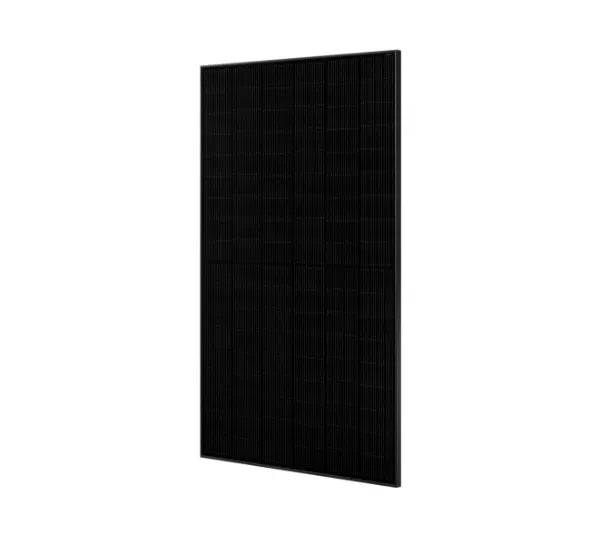
JA Solar JAM54D41 450W N-type TOPCon
£82450
22.8
1722 x 1134 x 30
21.5
Affiliate link — we may earn a small commission at no extra cost to you
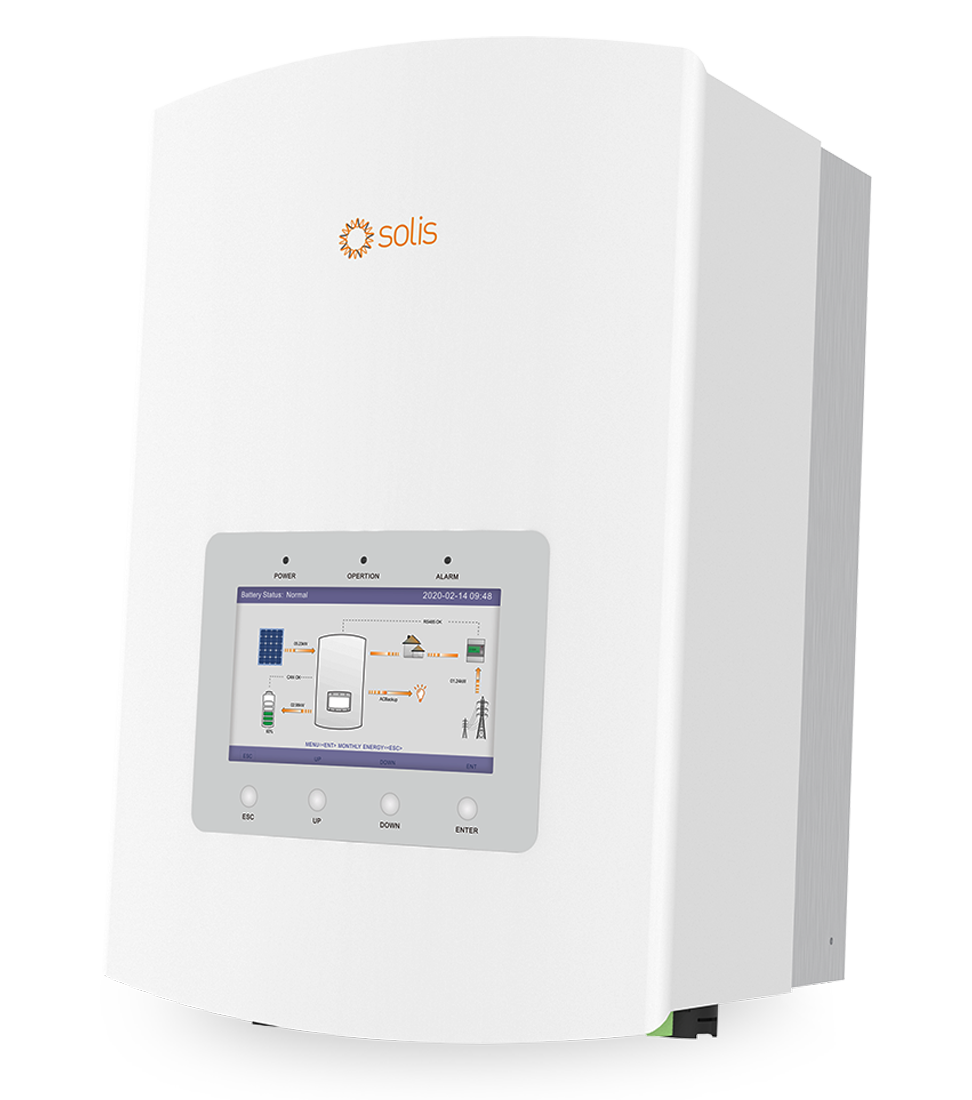
Solis RHI-5K-48ES-5G Hybrid Inverter 5kW
£9505
7.5
2
48V
Affiliate link — we may earn a small commission at no extra cost to you
Action Plan for Landlords
- Check each property's current EPC — identify which properties are at risk
- Prioritise properties rated D or below — these will need improvement first
- Get solar quotes — compare at least 3 MCS-certified installers
- Consider bundling improvements — insulation + solar together is more cost-effective than sequential visits
- Apply for green BTL mortgage products — capture the financial benefit immediately
- Update EPC certificates — after installation to prove compliance
- Keep documentation — MCS certificates, EPC reports, and maintenance records
The cost of bringing a D-rated property to C with solar and insulation is typically £5,000–£10,000. Compare that with the penalty for non-compliance (up to £30,000) plus the inability to legally let the property, and the investment case is straightforward.
Share this article

OVO has carefully selected trusted teams across the UK to install solar panels and heat pumps. Enjoy the personal touch of a local expert with the peace of mind of a household name.
Affiliate link — we may earn a small commission at no extra cost to you
Stay informed
Get free solar updates direct to your inbox
Related reading

EPC Rating Improvement with Solar Panels
How solar panels improve your EPC rating in the UK, how many SAP points they add, and why your EPC band matters for mortgages, property value, and regulations.

Solar Panel Grants and Funding UK 2026
A plain-English guide to every solar grant, scheme, and funding route available in the UK in 2026 — including ECO4, GBIS, HUG2, BUS, and devolved schemes.
Do Solar Panels Increase Property Value?
Do solar panels add value to your home in the UK? What the research says, how much they add, and when they might actually reduce value.


Switch to Octopus Energy
Get 50 credit when you switch. We get 50 too — win-win.
What does this mean for YOUR home?
Design your perfect solar setup in under 3 minutes. Free, no sign-up required.
Build Your Solar System