This page contains affiliate links. If you purchase through them we may earn a small commission at no extra cost to you. Learn more
MCS Certification Explained: Why It Matters for Your Solar Installation
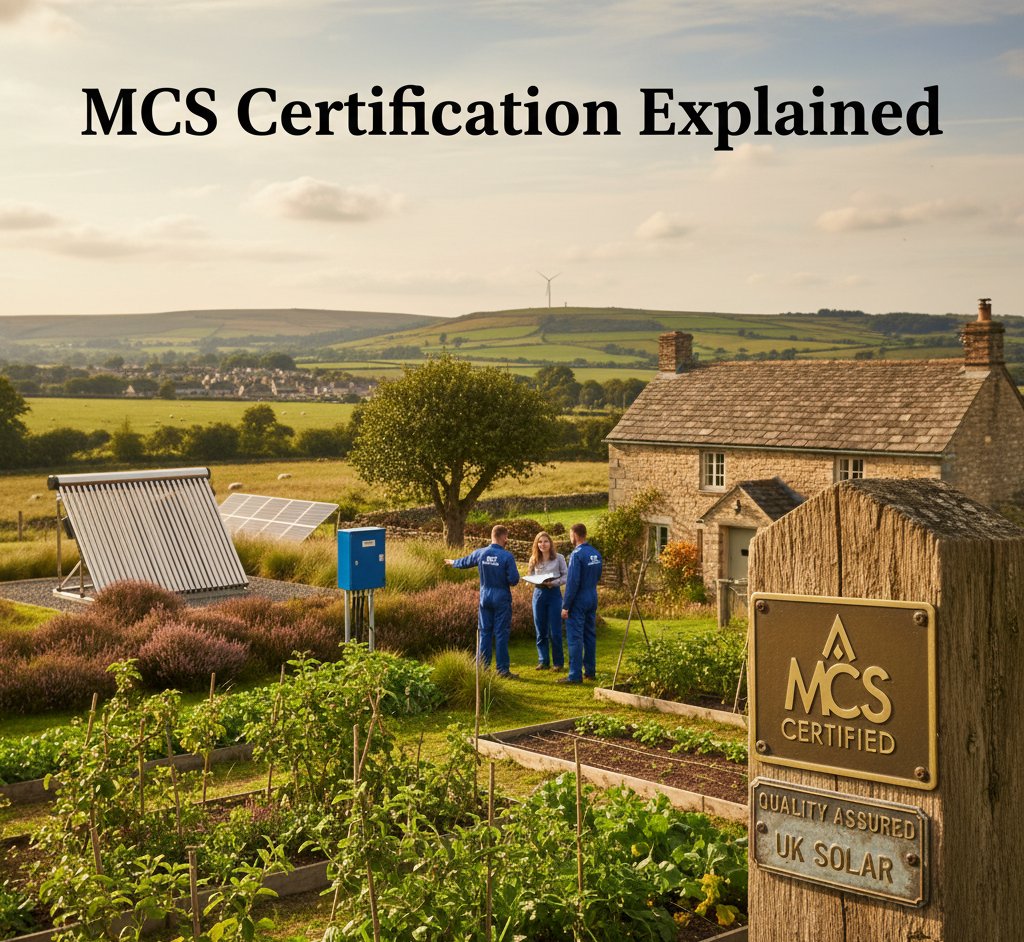
What is MCS?
The Microgeneration Certification Scheme (MCS) is a UK quality assurance framework for small-scale renewable energy systems. It covers solar PV, solar thermal, heat pumps, wind turbines, and battery storage installations up to 50kW in size — which covers the vast majority of residential and small commercial solar installations.
MCS has two distinct parts:
-
Product certification — solar panels, inverters, and batteries are tested and certified to meet minimum quality and safety standards. MCS-certified products appear on the MCS products database.
-
Installer certification — companies that install solar systems can apply for MCS installer certification. This requires demonstrating technical competence, appropriate insurance, compliance with installation standards, and ongoing adherence to MCS codes of conduct.
When people talk about getting "an MCS-certified installation," they typically mean the installation has been carried out by an MCS-certified installer using MCS-certified products, with the installation meeting MCS installation standards. The result is an MCS Installation Certificate, issued to you (the homeowner) after completion.
Why MCS certification matters
1. Smart Export Guarantee (SEG) payments
This is the most financially significant reason. To receive SEG payments — the money you earn for exporting surplus solar electricity to the grid — your installation must have a valid MCS Installation Certificate.
Without MCS certification, no energy supplier is legally obligated to offer you an SEG tariff, and most won't. You'd be generating excess electricity that flows to the grid with zero compensation.
At current typical export rates of around 12p/kWh (as of early 2026), SEG income for a typical 4kW system adds up to £200–£400 per year. Over 25 years, losing that income due to a non-MCS installation could cost £2,500–£10,000 — many times what you might save by using a cheaper non-certified installer.
2. Government grants and schemes
Most UK government schemes that provide funding for solar or battery storage require MCS certification:
- The Great British Insulation Scheme and various local authority solar grant programmes require MCS certification
- The Home Upgrade Grant (HUG2) requires MCS
- Some energy supplier installation schemes and incentive programmes require MCS
- Scotland's various renewable energy incentive programmes through Home Energy Scotland require MCS certification
Grant funding typically reduces installation costs by £500–£3,000 for eligible households. This funding is only accessible with MCS certification.
3. Building insurance and home protection
A non-MCS installation may not be covered by your building insurance. Most home insurance policies require electrical work to be carried out to the relevant standards — and for solar, that means MCS. An insurer could refuse to pay out for damage caused by or to an uncertified solar system.
This isn't a theoretical risk. Electrical fires, storm damage, and water ingress are all scenarios where your insurer will ask about the certification status of any solar equipment involved.
4. Property value and sale
When you sell your home, solicitors will request documentation for any installed solar system. An MCS Installation Certificate is the standard document demonstrating the installation was carried out properly. Without it, a buyer's surveyor may flag the installation as a risk, potentially requiring remediation before exchange — at your cost.
Non-MCS installs can't access grants or export payments
Some installers offer significantly cheaper prices by operating without MCS certification. This is legal — MCS is not a legal requirement in the same way as building regulations. But a non-MCS installation permanently forecloses your access to SEG payments, most grants, and potentially your insurance cover. The upfront saving is almost always outweighed by the long-term losses. Always verify MCS status before signing anything.

How to verify an installer's MCS status
The MCS installer database is publicly accessible and free to use. Here's how to check:
- Go to mcscertified.com and use the "Find an Installer" tool
- Search by postcode or company name
- Verify that the company appears in the results with an active certification
- Check which technology types they're certified for — some companies hold MCS for heat pumps but not solar PV, so confirm the right category
Do this before signing a contract. An installer claiming to be MCS-certified is easy to verify; there's no excuse not to check.
Things to look for:
- The company appears on the MCS database with an active (not expired) certification
- Their MCS number matches what they've quoted you
- They're certified for solar PV (not just another technology)
Ask for the MCS number upfront
A legitimate MCS-certified installer will readily provide their MCS certificate number. If an installer is vague about their MCS status or asks you to trust their word without providing a number you can verify, treat that as a red flag. The database check takes 30 seconds.
What the MCS Installation Certificate gives you
After your installation is complete, the installer must register the system on the MCS database and issue you an MCS Installation Certificate. This document:
- Uniquely identifies your system (location, system size, products installed)
- Confirms the installer's certification number
- Serves as the proof of compliance required by energy suppliers for SEG registration
- Acts as your documentation for insurance and property sale purposes
- Is your record of the products installed (useful if you need to make a warranty claim)
Keep this certificate — physically and digitally. You'll need it when applying for SEG, and you may need it years later when selling your home.
What MCS does not cover
MCS certification is about quality and standards, not price. An MCS-certified installation can still be poor value — overpriced, oversized, or specifying components that don't suit your needs. MCS is a floor, not a ceiling.
MCS also doesn't guarantee the installer will still be in business in 10 years if you need to claim on the workmanship warranty. For long-term peace of mind:
- Check the company's Companies House registration and how long they've been operating
- Look for reviews on Trustpilot, Google, and the Which? Trusted Traders scheme
- Ask explicitly about their workmanship warranty (typically 2–5 years, separate from product warranties)
These MCS-certified products are widely used in UK installations:
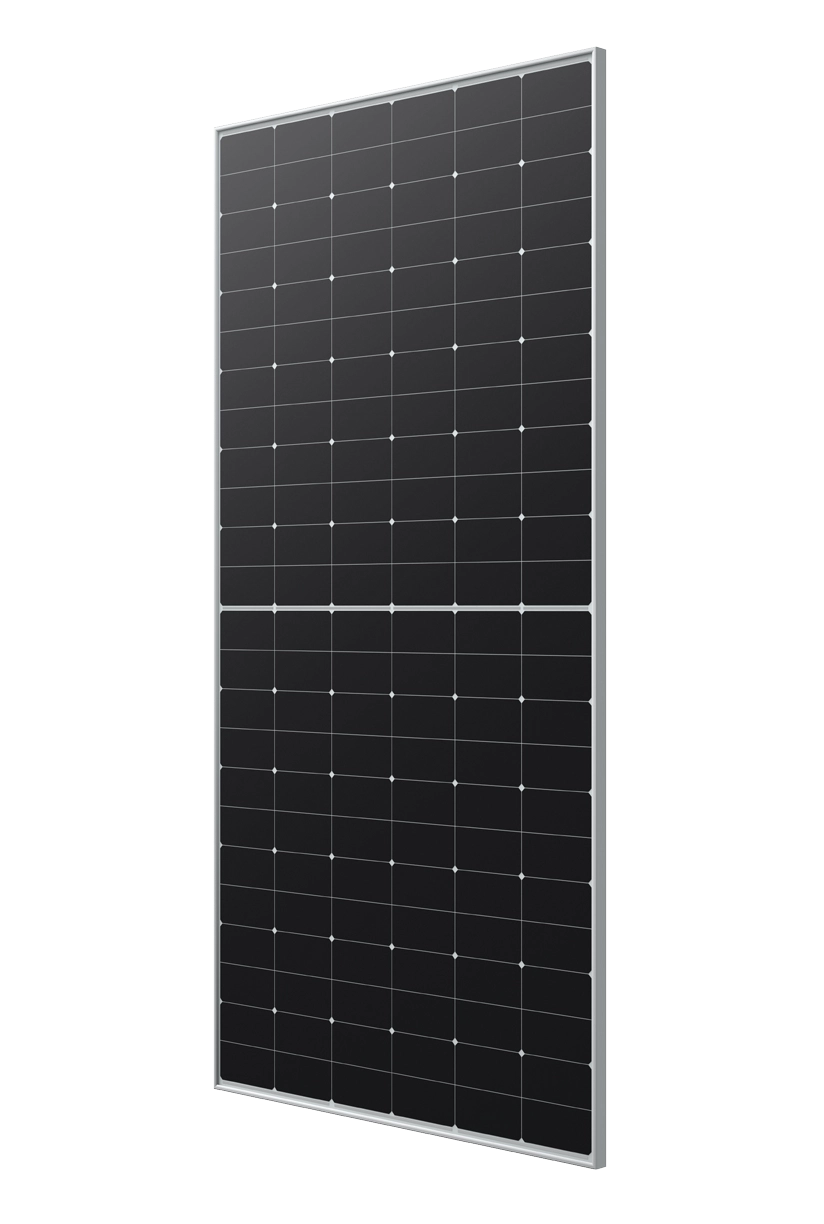
LONGi Hi-MO X6 450W
£85450
23
1722 x 1134 x 30
21.3
Affiliate link — we may earn a small commission at no extra cost to you
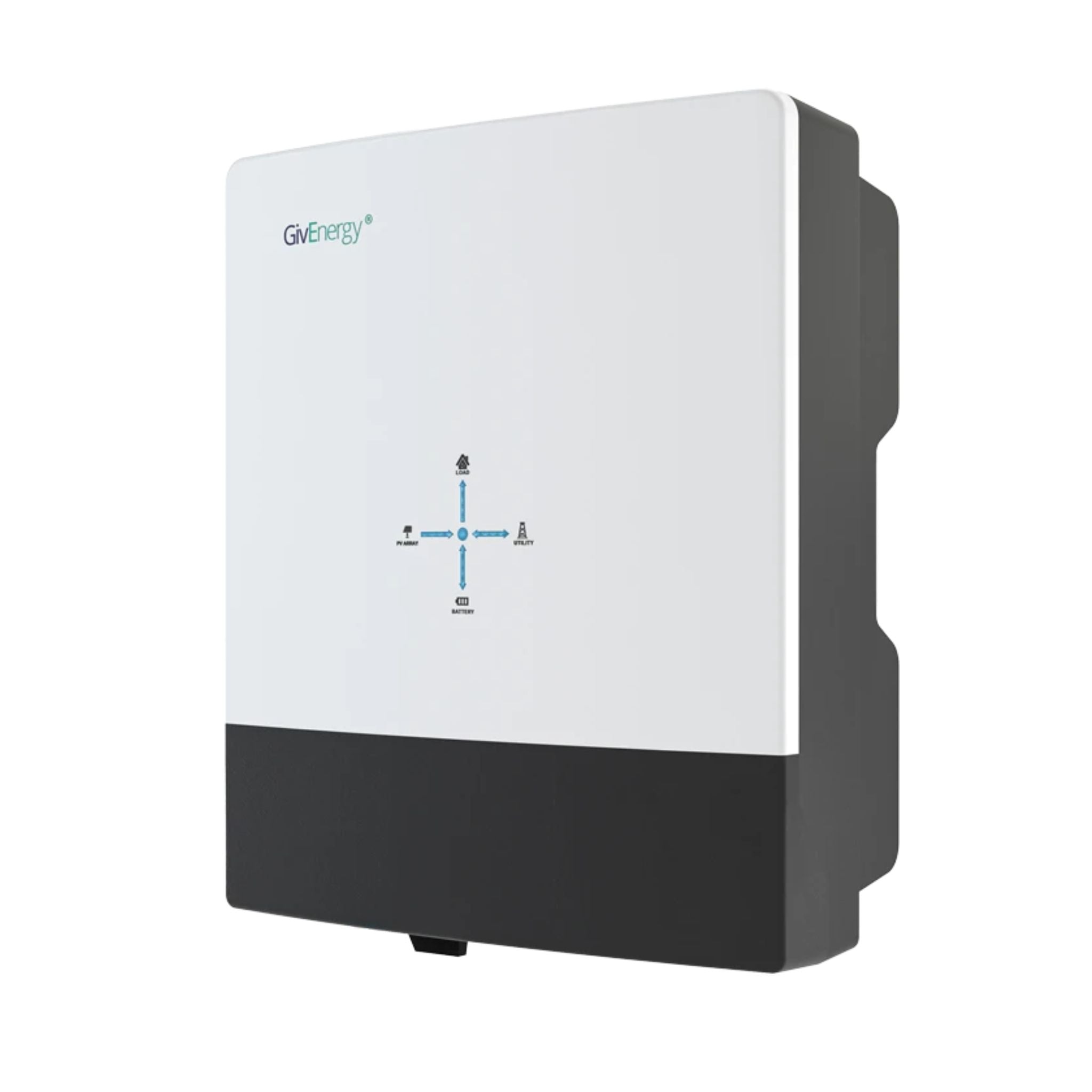
GivEnergy All-in-One 5kW Hybrid Inverter
£1,2005
7.5
2
48V
Affiliate link — we may earn a small commission at no extra cost to you
The broader regulatory picture
MCS certification for solar installations sits within a wider framework:
- Part P (Building Regulations): Electrical work in dwellings must comply with BS 7671. MCS-certified installers are typically registered with a Part P self-certification scheme (NAPIT, NICEIC, etc.)
- G98/G99: Grid connection notification or application required depending on system size — handled by your installer
- DNO notification: Your local Distribution Network Operator must be notified of your installation. Your MCS-certified installer handles this
- Planning permission: Most residential solar installations are permitted development (no planning permission required), but your installer should confirm this for your specific property
A fully compliant MCS installation handles all of these elements. It's one of the reasons the MCS framework exists — to ensure homeowners aren't left navigating a complex regulatory landscape alone.
If you're at the stage of comparing quotes, our guide to getting solar panel quotes covers what a good quote should include and the questions to ask before committing.
Share this article

OVO has carefully selected trusted teams across the UK to install solar panels and heat pumps. Enjoy the personal touch of a local expert with the peace of mind of a household name.
Affiliate link — we may earn a small commission at no extra cost to you
Stay informed
Get free solar updates direct to your inbox
Related reading

How to Find a Good Solar Panel Installer
What to look for in a solar installer, why MCS certification matters, and the red flags that should make you walk away.
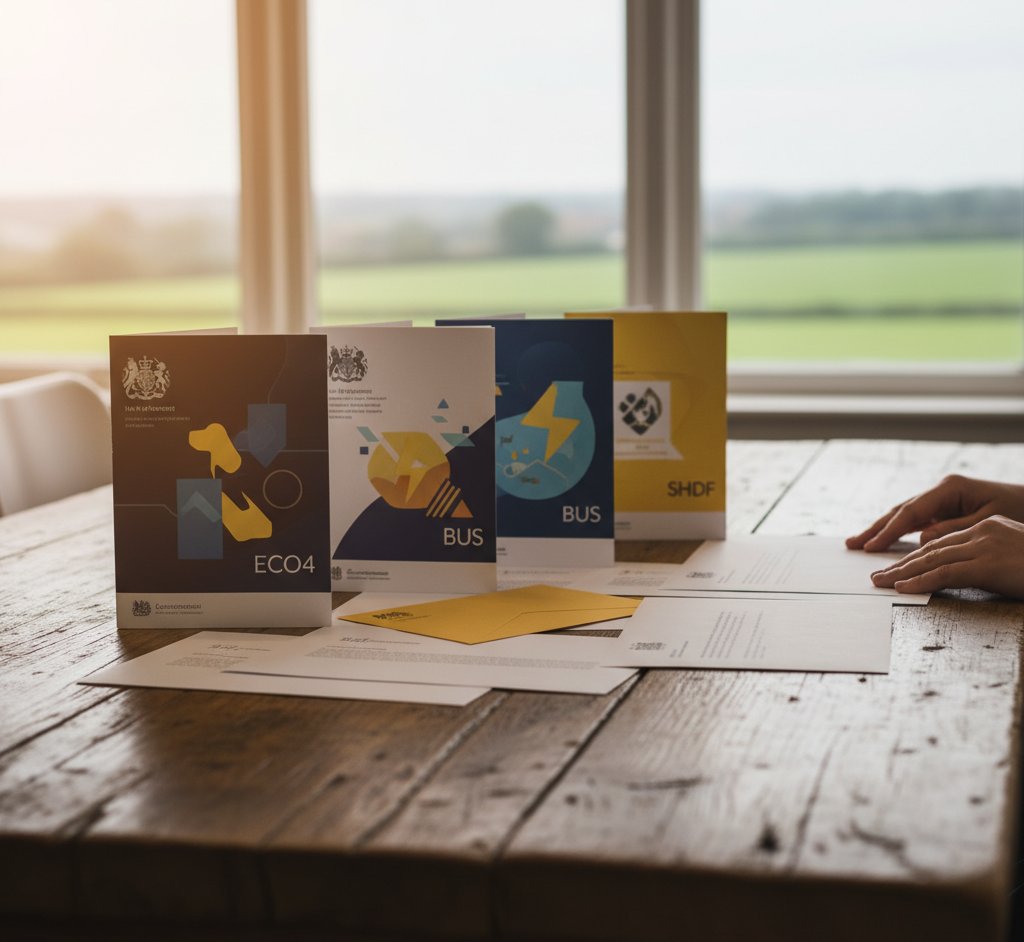
Solar Panel Grants and Funding UK 2026
A plain-English guide to every solar grant, scheme, and funding route available in the UK in 2026 — including ECO4, GBIS, HUG2, BUS, and devolved schemes.
Getting Solar Panel Quotes: What to Expect
How many quotes to get, what a good solar quote looks like, the right questions to ask, and how to compare quotes properly.


Switch to Octopus Energy
Get 50 credit when you switch. We get 50 too — win-win.
What does this mean for YOUR home?
Design your perfect solar setup in under 3 minutes. Free, no sign-up required.
Build Your Solar System