This page contains affiliate links. If you purchase through them we may earn a small commission at no extra cost to you. Learn more
Do Solar Panels Increase Property Value?
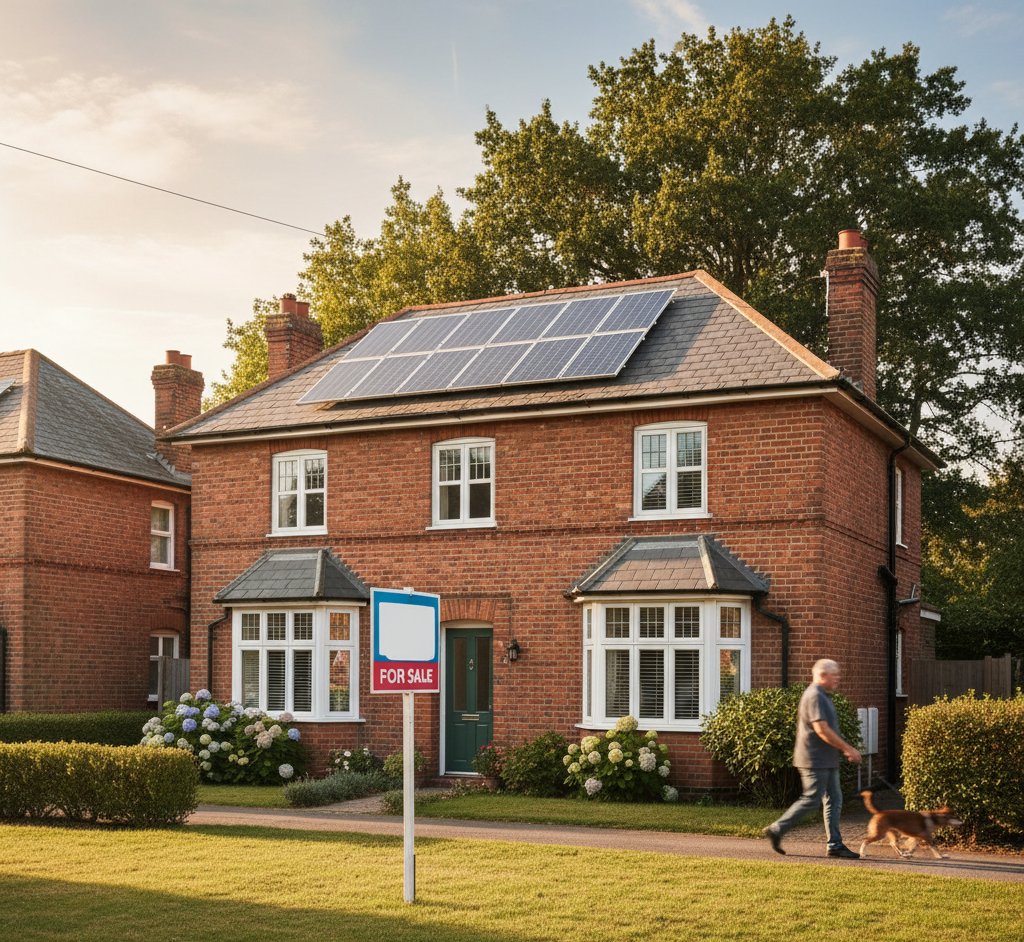
The short answer: yes, in most cases solar panels increase property value. But the amount varies significantly, and in some situations they can cause complications. Here's what the evidence actually shows.
What the Research Says
Several studies have examined the relationship between solar panels and property values in the UK:
Department of Energy & Climate Change (2015): Found that properties with EPC ratings of A or B (which solar helps achieve) sold for approximately 14% more than equivalent G-rated homes and 5% more than D-rated homes.
Rightmove Energy Report (2023): Properties marketed as having solar panels attracted 5% more interest from buyers compared to equivalent listings without.
Nationwide Building Society research: Found that improving a home's EPC rating by one band adds approximately 1–2% to its value.
US comparison (Zillow, 2021): American homes with solar sold for 4.1% more on average — though the US market differs significantly from the UK.
The most reliable UK estimate is that solar panels add roughly £2,000–£8,000 to a typical property's value, with the main driver being the EPC improvement rather than the panels themselves.
Why Solar Adds Value
There are three main mechanisms:
1. Lower Running Costs
A home with solar panels has measurably lower electricity costs. For buyers, this is equivalent to a permanent salary increase — the house costs less to run every month. In a market where energy costs are a significant household expense, this matters to buyers.
2. EPC Rating Improvement
This is the most concrete, documented driver. Solar typically improves an EPC by 1–2 bands. With EPC ratings becoming increasingly important for mortgages (green mortgage products), buyers' searches, and future regulations, a higher EPC directly supports a higher valuation.
3. Environmental Appeal
A growing segment of buyers actively seek energy-efficient homes. For these buyers, solar panels are a positive feature — not just financially but as part of a lifestyle choice.
When Solar Might Not Add Value
Not every installation is a selling point:
Poor-Quality or Ugly Installations
Panels that look visually jarring — misaligned, mismatched, or installed on a prominent front-facing roof — can put buyers off. Aesthetics matter in property sales. All-black panels on a matching dark roof are broadly accepted; silver-framed panels at odd angles on a visible elevation are not.
Leased or Rented Panels
If your panels are under a lease agreement or rent-a-roof scheme, this can actively reduce your property's value.
Leased Panels Can Be a Deal-Breaker
When you sell a home with leased solar panels, the buyer must agree to take over the lease — typically a 20–25 year commitment. Many buyers (and their solicitors) are wary of this. Some mortgage lenders won't lend on properties with solar panel leases. The result: a smaller pool of potential buyers, longer time to sell, and potentially a lower price. If you're considering solar, owning the panels outright is strongly preferable. Our sister site Unmortgageable covers the mortgage implications of leased panels in full detail.
Very Old Systems
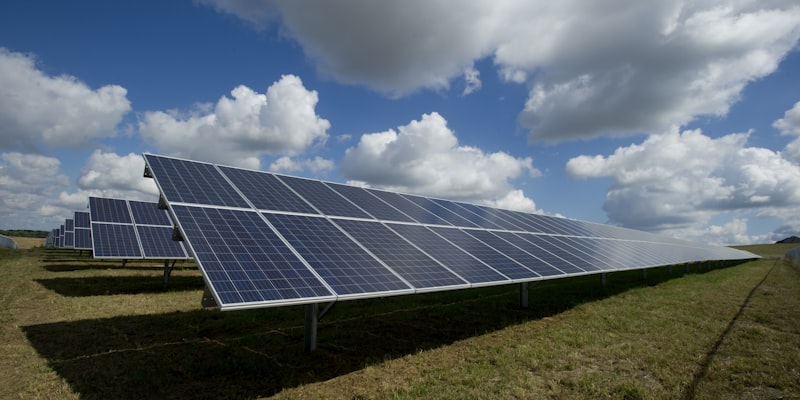
A system that's 15+ years old with an ageing inverter and faded panels may be seen as a maintenance liability rather than an asset. Buyers may worry about replacement costs. If you're selling a home with an older system, having recent maintenance records and a functioning generation meter helps.
Planning Complications
In conservation areas or on listed buildings, existing solar panels with questionable planning permission can create legal headaches during conveyancing.
How to Maximise the Value Solar Adds
If you're installing solar with a future sale in mind:
- Own the panels outright — no leases, no PPA agreements
- Choose all-black or visually clean panels — aesthetics matter to buyers
- Keep all documentation — MCS certificate, warranties, generation data, maintenance records
- Get an updated EPC after installation — this is the most concrete proof of improvement
- Maintain the system — clean panels, working inverter, and tidy wiring show care
- Ensure proper building regs sign-off — Part P electrical certification and any necessary planning permissions
The EPC Is Your Proof
When selling, the EPC is the document that formally captures the benefit of solar. Make sure you get a new EPC after installation — your old one won't show the improvement. The cost is typically £60–£100 and it's valid for 10 years. Estate agents can use the high rating in marketing.

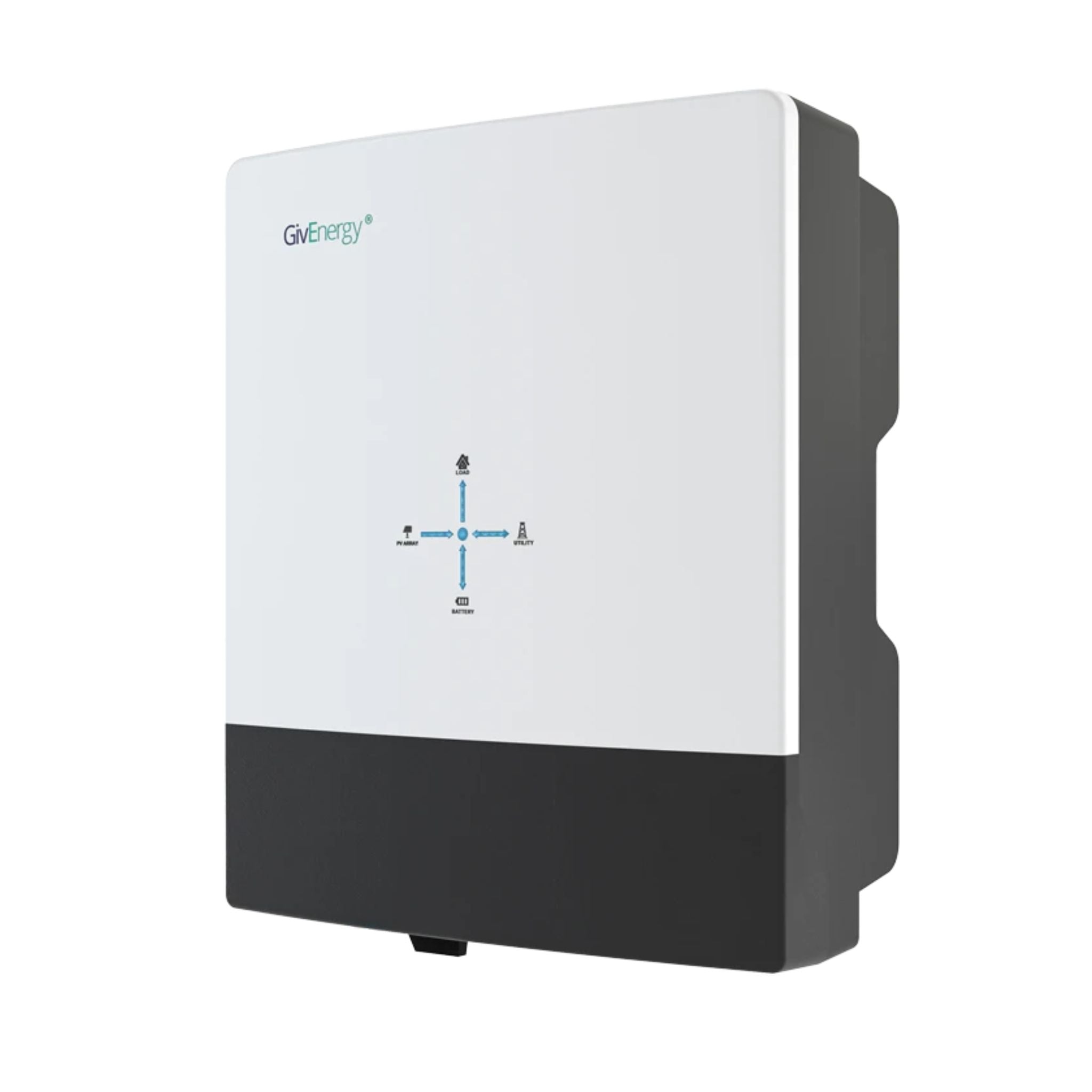
GivEnergy All-in-One 5kW Hybrid Inverter
£1,2005
7.5
2
48V
Affiliate link — we may earn a small commission at no extra cost to you
What Estate Agents Say
Feedback from UK estate agents is mixed but trending positive:
- Solar panels are increasingly mentioned as a feature in property listings
- Buyers under 45 are significantly more likely to see solar as a positive
- In areas with higher-than-average energy costs, solar is a stronger selling point
- The visual impact still matters — discreet installations sell better than prominent ones
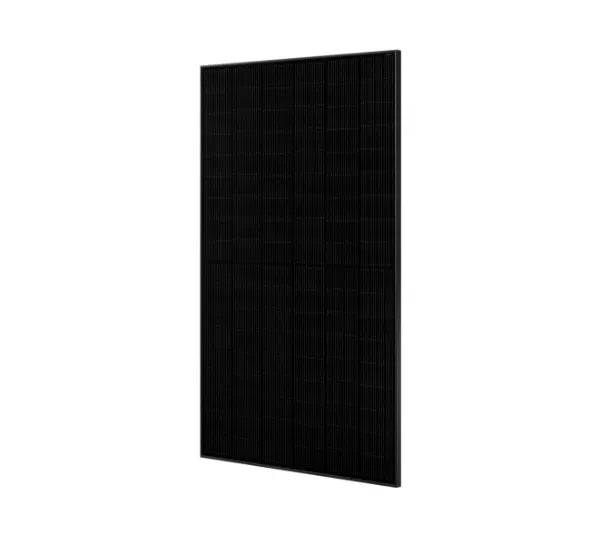
JA Solar JAM54D41 450W N-type TOPCon
£82450
22.8
1722 x 1134 x 30
21.5
Affiliate link — we may earn a small commission at no extra cost to you
The Numbers in Practice
For a typical UK property worth £300,000:
| Scenario | Estimated Value Added |
|---|---|
| 4kW system, owned outright, good condition, EPC improved D→B | £5,000–£9,000 |
| 4kW system, owned outright, good condition, EPC improved E→D | £3,000–£5,000 |
| 4kW system + battery, owned outright, EPC A or B | £7,000–£12,000 |
| Leased panels, any condition | -£2,000 to +£1,000 |
| Old system (15yr+), no battery, needs inverter soon | £0–£3,000 |
These are estimates based on available research and agent feedback. The actual impact depends on your local market, the buyer pool, and broader market conditions.
The Long-Term Trend
Energy efficiency is becoming non-negotiable in UK property. Upcoming regulations, mortgage lender requirements, and buyer expectations all point in the same direction: efficient homes will command a premium, and inefficient ones will face penalties.
Solar panels are one of the most visible and effective ways to future-proof a property's value. Even if you plan to stay for decades, the value protection is worth considering.
For more on how solar improves your EPC specifically, see our EPC improvement guide. And for the full financial picture of a solar investment, our payback calculator walks through the numbers.
Share this article

OVO has carefully selected trusted teams across the UK to install solar panels and heat pumps. Enjoy the personal touch of a local expert with the peace of mind of a household name.
Affiliate link — we may earn a small commission at no extra cost to you
Stay informed
Get free solar updates direct to your inbox
Related reading

EPC Rating Improvement with Solar Panels
How solar panels improve your EPC rating in the UK, how many SAP points they add, and why your EPC band matters for mortgages, property value, and regulations.
How Much Do Solar Panels Cost in the UK in 2026?
Realistic UK solar panel costs broken down by system size, installation, and what actually affects the price you'll be quoted.
Green Mortgages: Does Solar Help Your Mortgage?
How solar panels can unlock green mortgage deals in the UK. Which lenders offer them, how much you could save, and what EPC rating you need to qualify.


Switch to Octopus Energy
Get 50 credit when you switch. We get 50 too — win-win.
What does this mean for YOUR home?
Design your perfect solar setup in under 3 minutes. Free, no sign-up required.
Build Your Solar System