This page contains affiliate links. If you purchase through them we may earn a small commission at no extra cost to you. Learn more
Noisy Solar Inverters: Causes and Solutions
What's normal?
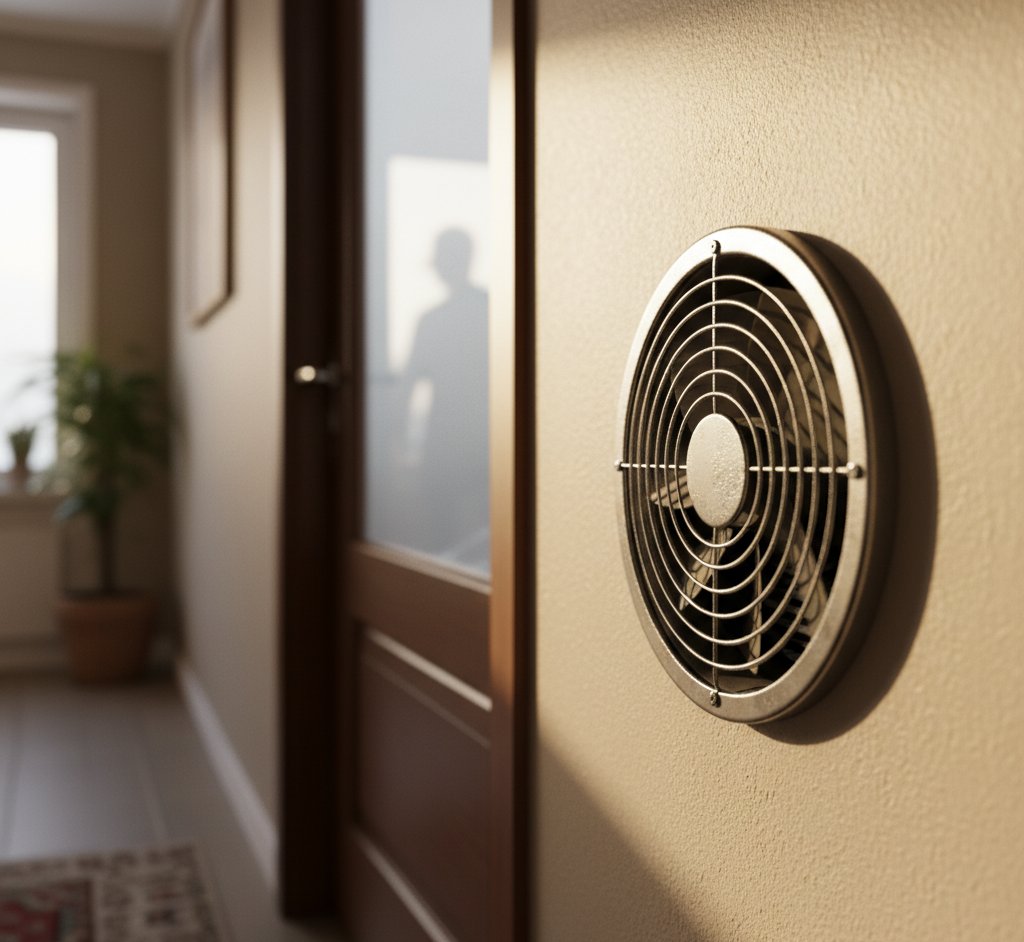
Solar inverters are electronic devices that switch high voltages at high frequencies. Some operational noise is expected:
Normal sounds
- Faint humming/buzzing during generation — caused by electrical components (inductors, transformers) vibrating at switching frequencies. Usually barely audible from 2+ metres.
- Fan noise during high output or warm conditions — the cooling fan(s) spin up when the inverter is working hard. This is typically a soft whirring sound.
- Clicking at startup/shutdown — relays engage when the inverter connects to or disconnects from the grid at dawn and dusk. One or two clicks are normal.
- Brief buzzing during cloud transitions — as solar output changes rapidly, the inverter adjusts, causing momentary changes in buzzing pitch or volume.
Abnormal sounds
- Loud, constant buzzing audible from another room — suggests a component issue
- Grinding or rattling — fan bearing failure or loose internal component
- Repeated clicking throughout the day — relay problems or grid connection issues
- High-pitched whine — capacitor or inductor failure
- Any noise when the system should be off (overnight) — investigate immediately
Noise overnight means a problem
Solar inverters should be essentially silent at night when there's no generation. If your inverter is buzzing, clicking, or humming after dark, something is wrong. Check for error codes on the display and contact your installer. Possible causes include battery cycling issues, grid feedback faults, or internal component failures.
Common causes and fixes
Fan noise
The most frequent complaint. Inverter fans run louder when:
- The inverter is producing near its maximum output
- Ambient temperature is high (summer, south-facing wall, enclosed space)
- The fan bearings are wearing (after several years of use)
- Dust has accumulated on fan blades or filters
Fixes:
- Ensure adequate ventilation around the inverter — minimum 20cm clearance on all sides
- Don't install in direct sunlight or above a heat source
- Clean any dust/debris from fan intakes with compressed air (power off first)
- If fan bearings are worn, replacement fans are usually available from the manufacturer (£20–£50)
Mounting vibration
If the inverter is mounted on a thin wall (plasterboard, timber frame), its operational vibrations can amplify through the wall, making it audible in adjacent rooms.
Fixes:
- Mount on a solid masonry wall where possible
- Use anti-vibration rubber mounts between the inverter bracket and the wall (£5–£15)
- Add mass to the wall behind the inverter (a sheet of mass-loaded vinyl or plywood can help)
Electrical buzzing
The electromagnetic components inside the inverter (inductors, transformers) can buzz at audible frequencies, particularly at certain power levels.
Fixes:
- Often a firmware update from the manufacturer can adjust switching frequencies
- If persistent and loud, it may indicate a manufacturing defect — warranty claim territory
- Some brands are inherently quieter than others (ask your installer about noise levels when choosing)
Check noise levels before choosing placement
Ask your installer about the inverter's noise specification (measured in dBA). Most residential inverters produce 25–45 dBA — roughly the level of a quiet room to a library. If you're noise-sensitive, choose a quieter model and install it in a garage, utility room, or other space away from living areas.
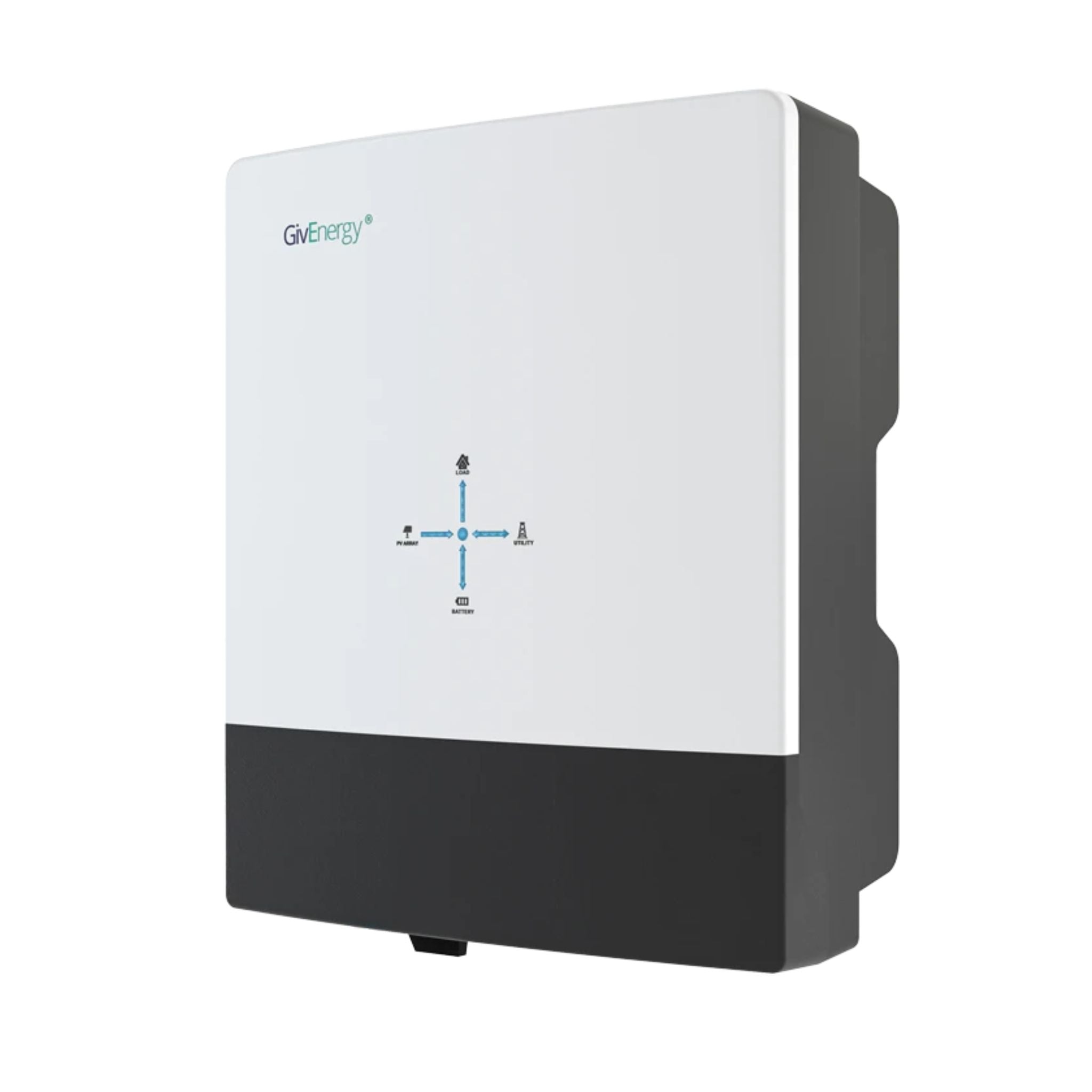
GivEnergy All-in-One 5kW Hybrid Inverter
£1,2005
7.5
2
48V
Affiliate link — we may earn a small commission at no extra cost to you
Inverter placement for minimum noise disturbance

Best locations:
- Garage (most common and usually ideal)
- Utility room
- Under-stairs cupboard (if ventilation is adequate)
- Loft (if temperature-controlled and accessible for maintenance)
Avoid:
- Bedroom walls (especially the other side)
- Living room — even faint buzzing can be noticeable in a quiet room
- Near baby's room or home office
- Enclosed, unventilated spaces (noise aside, overheating will reduce efficiency and lifespan)
If your inverter is already installed in a problematic location, discuss moving it with your installer. Relocating an inverter costs £200–£500 depending on cable run changes needed.

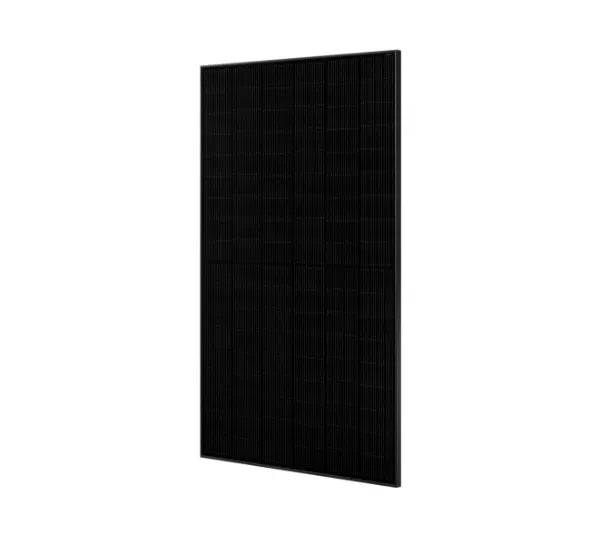
JA Solar JAM54D41 450W N-type TOPCon
£82450
22.8
1722 x 1134 x 30
21.5
Affiliate link — we may earn a small commission at no extra cost to you
Battery inverter noise
Hybrid inverters managing batteries can produce additional noise during battery charging and discharging cycles. The power conversion between DC battery voltage and AC grid voltage adds another layer of switching that can be audible.
Battery-related noise is most common during:
- Rapid charging from solar surplus (midday)
- Battery discharge during evening peak
- Grid charging on time-of-use tariffs (overnight)
If your battery charges overnight on a cheap tariff, the inverter noise during the small hours might disturb light sleepers in adjacent rooms. Adjusting charge rates (if your inverter allows it) or moving the charge window can help.
When to contact support
Contact your installer or the manufacturer if:
- Noise is significantly louder than when first installed
- New sounds have appeared that weren't there before
- Error codes appear alongside the noise
- The noise occurs when the system should be idle
- Neighbours are affected by the noise
Most noise issues are resolvable — the key is distinguishing between normal operational sounds (which you may simply need to manage through placement) and abnormal sounds that indicate a fault.
Share this article

OVO has carefully selected trusted teams across the UK to install solar panels and heat pumps. Enjoy the personal touch of a local expert with the peace of mind of a household name.
Affiliate link — we may earn a small commission at no extra cost to you
Stay informed
Get free solar updates direct to your inbox
Related reading

Solar Inverters Explained: Types, Sizing, and Real-World Limits
String, micro, and hybrid inverters explained clearly — plus the critical G98/G99 threshold at 3.68kW and what it means for what you can run simultaneously.
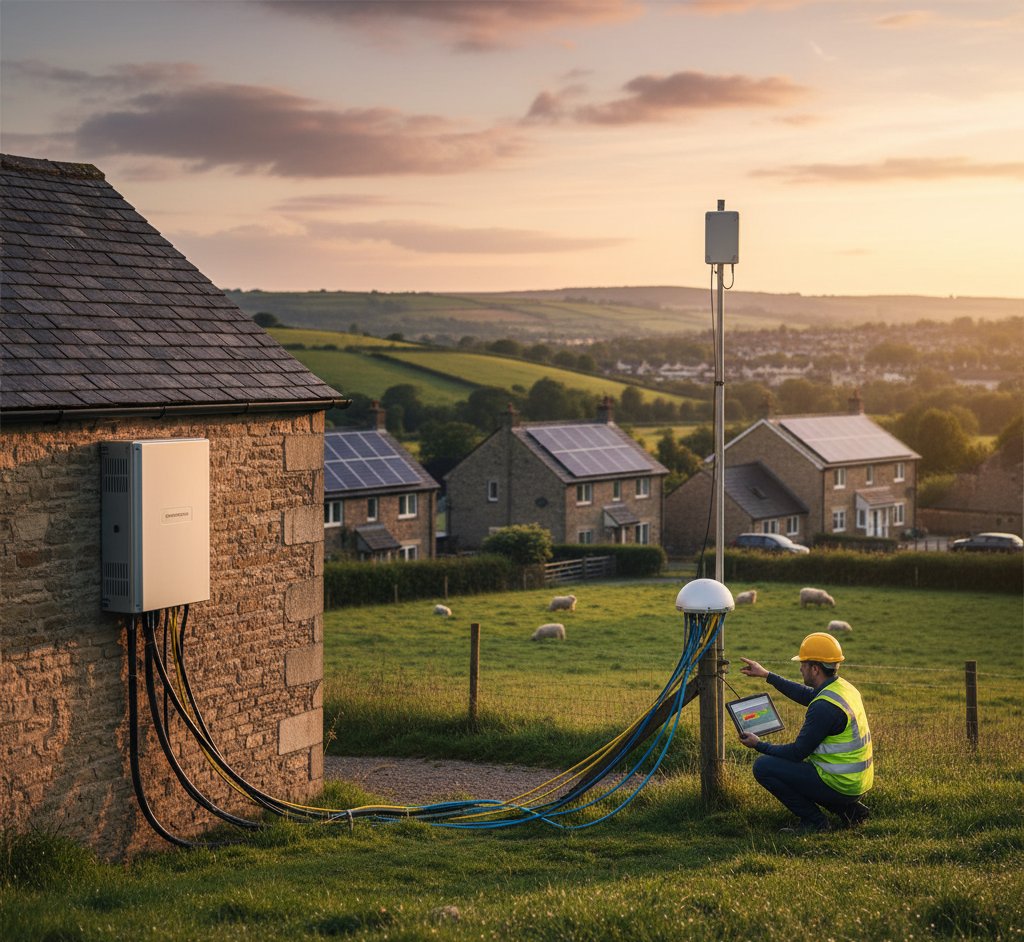
WiFi Dead Spots from Solar Inverters: Fixes
Why solar inverters can cause WiFi interference, which frequencies are affected, and practical fixes for wireless dead spots near your inverter in the UK.

Solar Panel Maintenance: What's Actually Needed?
The honest guide to solar panel maintenance in the UK — spoiler: it's less than you think. What you actually need to do, and what you can safely skip.


Switch to Octopus Energy
Get 50 credit when you switch. We get 50 too — win-win.
What does this mean for YOUR home?
Design your perfect solar setup in under 3 minutes. Free, no sign-up required.
Build Your Solar System