This page contains affiliate links. If you purchase through them we may earn a small commission at no extra cost to you. Learn more
North Facing Solar Panels UK: Honest Assessment

Most solar guides either dismiss north-facing roofs entirely or dance around the question with vague reassurances. This guide does neither. North-facing solar panels in the UK generate significantly less electricity than south-facing panels — and you need to understand exactly what that means before deciding whether it is worth doing.
The Basic Numbers
In the UK, a south-facing solar panel at 35° tilt is the benchmark. Everything else is measured against it.
A north-facing panel at the same tilt generates approximately 50–60% of that output annually. The exact figure depends on latitude (better further south), tilt angle (shallower is better for north-facing), and shading.
For a 4kW system:
| Orientation | Estimated Annual Output | Relative to South |
|---|---|---|
| South-facing, 35° | ~3,400 kWh | 100% |
| East or West, 35° | ~2,700–2,900 kWh | 79–85% |
| North-facing, 35° | ~1,700–2,050 kWh | 50–60% |
| North-facing, 15° (shallower) | ~2,000–2,300 kWh | 59–68% |
The difference is substantial. A north-facing system with the same number of panels generates roughly half the electricity of a south-facing one.
Why the Output Is So Much Lower
In the Northern Hemisphere, the sun is always in the southern half of the sky. A south-facing panel points directly at the sun for most of the day. A north-facing panel is pointing away from it.
North-facing panels still receive:
- Diffuse radiation from the sky (significant in cloudy UK conditions)
- Direct sunlight in midsummer mornings and evenings when the sun rises far to the north of east and sets far to the north of west
- Reflected light from surrounding surfaces
But they miss out on the direct beam radiation that south-facing panels capture from sunrise to sunset. This is the bulk of solar generation, especially in spring, autumn, and winter.
A shallower tilt angle (10–15° rather than 30–35°) helps north-facing panels by reducing how much they are angled away from the sky. On a flat or very shallow north-facing roof, this can recover some lost output.

When North-Facing Solar Can Still Work
Dismissing north-facing solar entirely is not always the right call. There are specific circumstances where it can still deliver a reasonable return.
High Electricity Prices
At 24p/kWh in April 2026, even reduced generation has real value. A north-facing 4kW system generating 2,000 kWh/year, self-consumed at 80%, saves roughly:
2,000 × 0.80 × £0.24 = £384/year
That is not spectacular, but it is real money. If the system costs £6,000–£7,000 installed, the payback period is 15–18 years — stretching the economics. If the system is cheaper (perhaps installed alongside other work, sharing scaffolding costs), the maths improves.
Battery Storage Changes the Equation
Battery storage is a significant factor for north-facing panels. Here's why:
North-facing panels generate most in summer, and they generate more consistently through the day than south-facing panels — because they're capturing diffuse radiation rather than direct beam. This means they produce a steadier, lower output rather than a sharp midday peak.
With a battery, even modest generation can be accumulated and used in the evening. The self-consumption rate on a north-facing system with battery storage can be very high — 80–90% — because generation is lower and more spread out, making it easier to use everything produced.
If you are already installing a battery for other reasons (overnight cheap tariff arbitrage, EV charging, blackout protection), the marginal value of adding north-facing panels gets more interesting.
Large Roof Area
If your north-facing roof is large — say, big enough for 12–16 panels — you can compensate for lower per-panel output with more panels. A 6kW system on a north-facing roof might generate similar electricity to a 4kW system on a south-facing roof, for roughly the cost difference between those system sizes.
The question is whether you have the roof space, and whether the extra panels fit within your DNO's export limit (typically 3.68kW single phase for G98 notification).
You Are Installing on Both Sides Anyway
If your house has a ridge running east-west (meaning one slope faces north and one faces south), the obvious choice is to install on the south-facing slope. But if you have already maxed out the south-facing slope and still want more capacity, adding panels to the north-facing slope is a reasonable second step.
Prioritise South First
If you have both a south-facing and north-facing slope available, fill the south-facing slope first. Only add north-facing panels once the south is fully utilised, and if you have a specific reason — usually battery storage or high electricity usage — that makes the extra panels worthwhile.
When North-Facing Solar Does Not Make Sense
Being honest about this matters. North-facing solar is not a good investment in several common situations.
Short time horizon. If you are planning to sell in the next 5–10 years, a north-facing system may not have generated enough savings to recover its cost. South-facing systems are also a more recognised selling point for buyers.
High shading on the north-facing slope. North-facing roofs often receive shade from neighbouring properties or trees, particularly in winter when the sun is already low. If a shading analysis shows significant shadow on the north-facing slope, the output numbers will be worse than the theoretical figures above.
Small roof area. If you can only fit 6 panels on a north-facing roof, the total output will be modest. The economics may not justify the installation cost.
No battery and low daytime self-consumption. Without battery storage and without someone home during the day, a north-facing system will export a significant portion of its already-reduced output at 3.3–5.2p SEG rates. The savings are small and payback very long.
The installer cannot do shading modelling. Any installer proposing a north-facing installation should run detailed shading analysis software (PVsyst, HelioScope, or similar). If they cannot show you modelled output figures, do not proceed.
Get Realistic Projections
Some installers will quote north-facing systems using optimistic assumptions or software defaults that do not properly account for the orientation penalty. Ask to see the full simulation report, including the orientation factor applied. A north-facing system should show roughly 50–60% of the equivalent south-facing output — if the projection shows more, question it.
The Financial Reality
Here is a straightforward comparison using April 2026 electricity rates (24p/kWh consumption, 4p/kWh export):
| Scenario | Annual Generation | Self-Consumed | Exported | Annual Saving |
|---|---|---|---|---|
| South-facing 4kW, no battery | 3,400 kWh | 1,700 kWh | 1,700 kWh | ~£476 |
| North-facing 4kW, no battery | 1,850 kWh | 925 kWh | 925 kWh | ~£259 |
| North-facing 4kW, with battery | 1,850 kWh | 1,600 kWh | 250 kWh | ~£394 |
| North-facing 6kW, with battery | 2,775 kWh | 2,200 kWh | 575 kWh | ~£551 |
Assumptions: 50% self-consumption without battery, 85% with battery, 4p/kWh SEG rate.
A north-facing 4kW system without battery saves around £259/year — compared to £476 for south-facing. At a system cost of £6,500, payback is around 25 years without battery. That is too long for most people.
With battery storage, it improves to around £394/year — payback around 16–17 years (assuming battery adds £3,000 to cost). Still long.
A larger system (6kW) with battery gets closer to south-facing without battery, but at a much higher total cost.
The Honest Conclusion
North-facing solar can work in the UK, but the economics are challenging without specific factors in your favour — primarily battery storage, high electricity usage, a large roof area, or low installation costs (sharing scaffolding with other work).
If you have a south-facing slope available, use it first. If north-facing is your only option, run detailed projections with a qualified installer and go in with realistic expectations about payback periods of 15–25 years rather than the 7–12 years typical of south-facing systems.
It is not a flat no — but it needs to make sense for your specific situation.
Share this article

OVO has carefully selected trusted teams across the UK to install solar panels and heat pumps. Enjoy the personal touch of a local expert with the peace of mind of a household name.
Affiliate link — we may earn a small commission at no extra cost to you
Stay informed
Get free solar updates direct to your inbox
Related reading
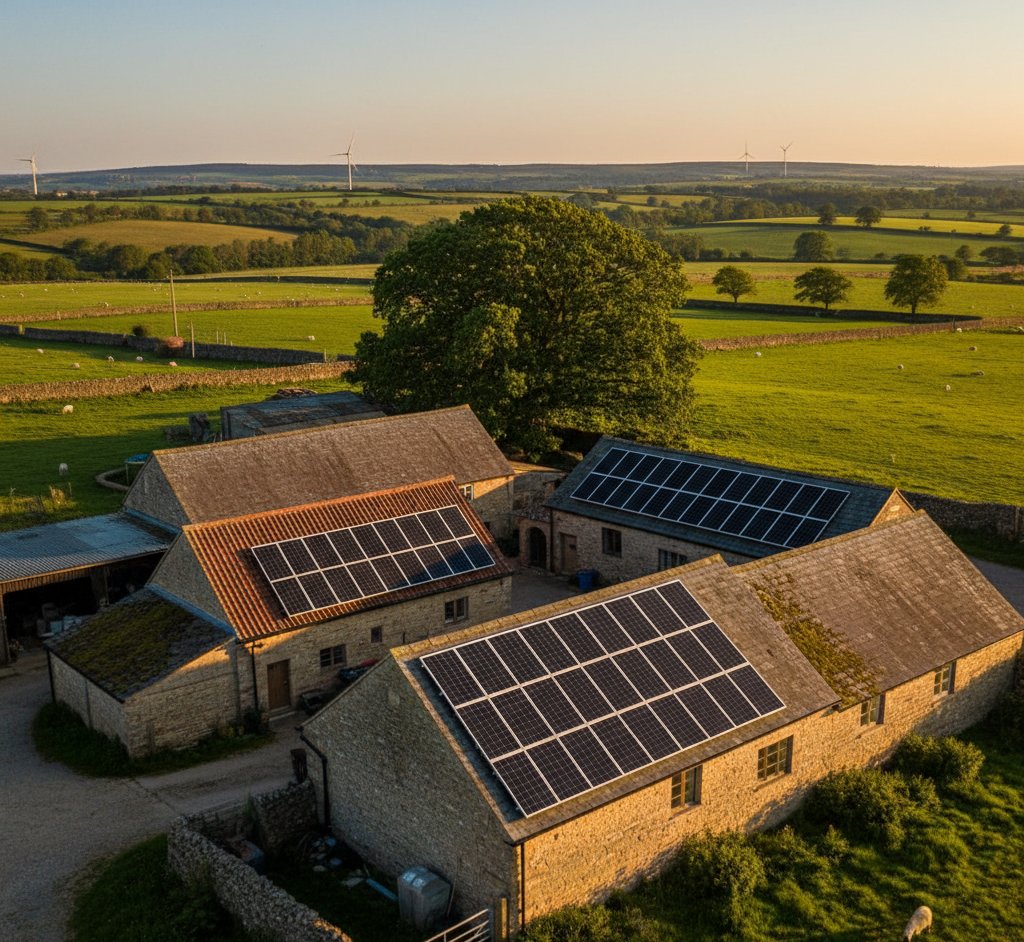
Roof Orientation and Solar: Direction Trade-Offs
How roof orientation affects solar panel performance in the UK. South, east, west, and north-facing roof output compared, plus split-orientation strategies.

East-West Solar Panels: Better Than You Think
East-west facing solar panels in the UK — busting the 'south only' myth, real output figures, when east-west beats south-facing, and who should consider it.
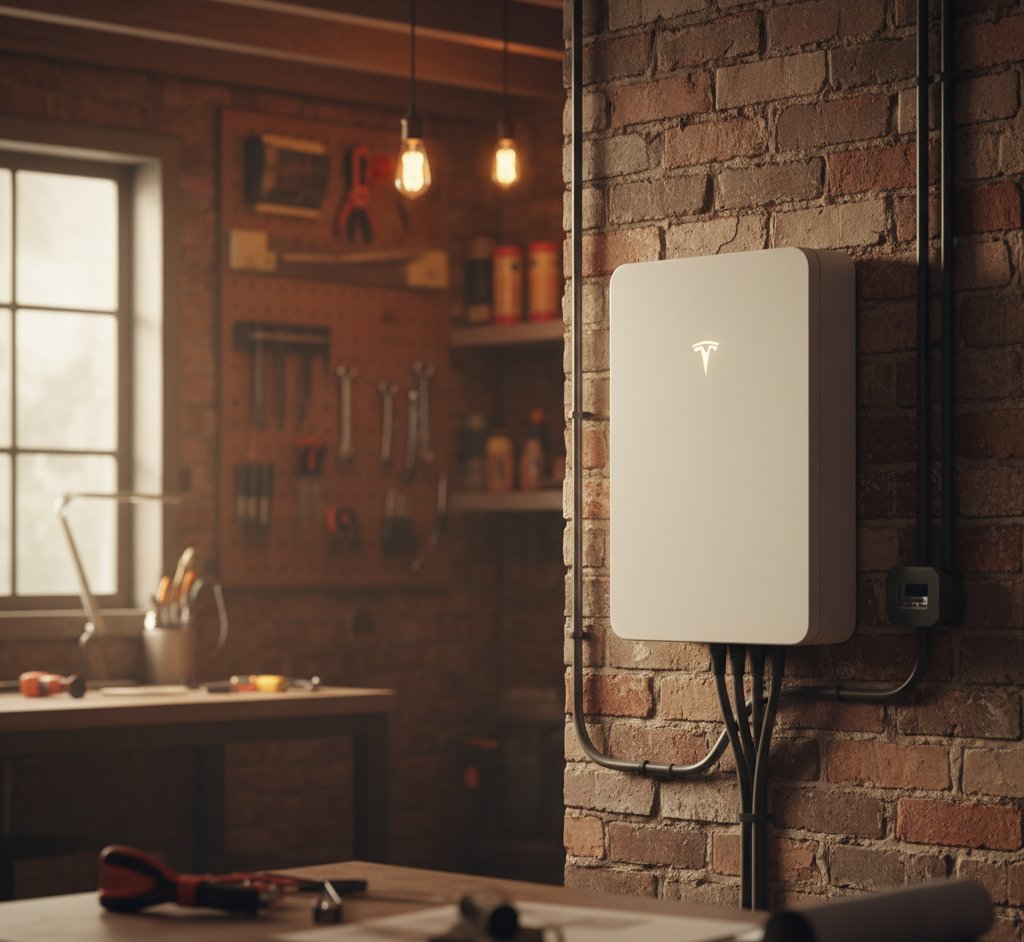
Solar Battery Storage: Complete UK Guide 2026
Everything you need to know about adding battery storage to a UK solar installation — types, sizing, costs, and which products are worth considering in 2026.


Switch to Octopus Energy
Get 50 credit when you switch. We get 50 too — win-win.
What does this mean for YOUR home?
Design your perfect solar setup in under 3 minutes. Free, no sign-up required.
Build Your Solar System