This page contains affiliate links. If you purchase through them we may earn a small commission at no extra cost to you. Learn more
Roof Orientation and Solar: Direction Trade-Offs
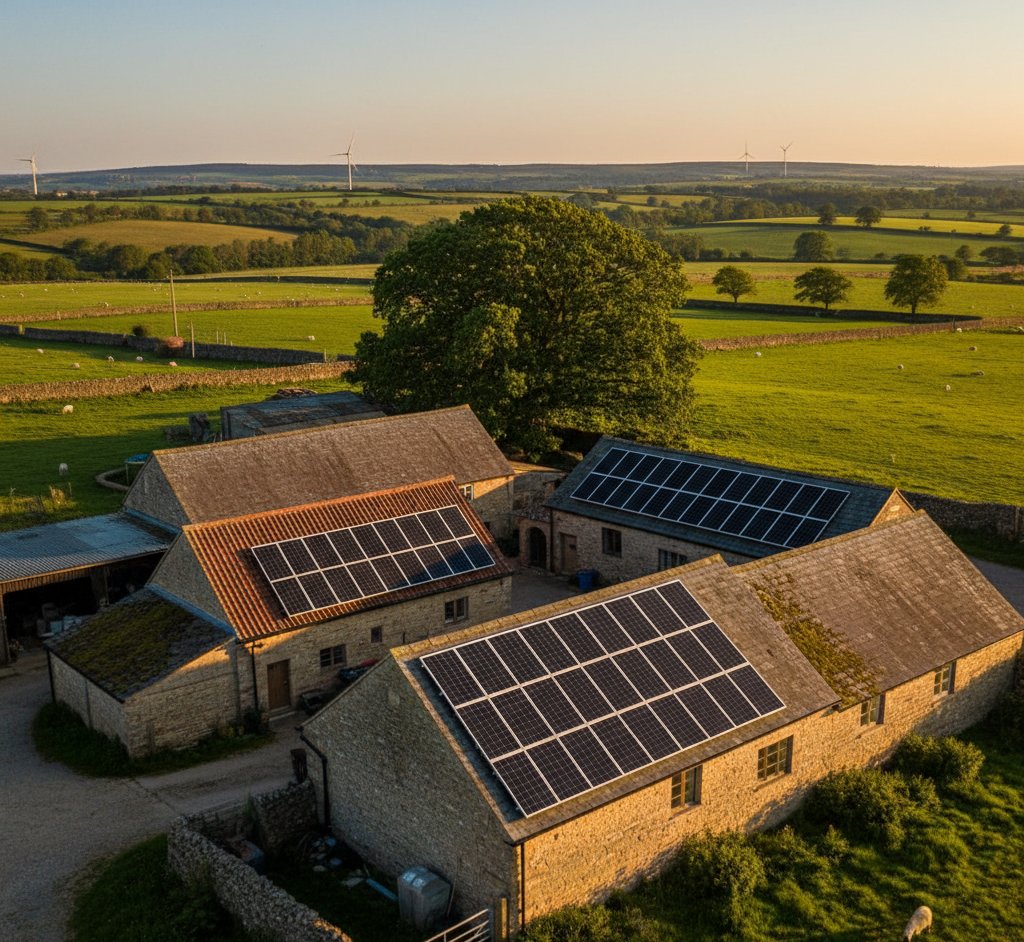
Your roof's compass direction (orientation) has a significant impact on how much electricity your solar panels generate. South-facing is optimal in the UK, but east and west-facing roofs are far from useless. Here's what the numbers actually look like.
Output by Orientation
These figures show the percentage of maximum possible annual generation for a typical UK location (approximately 52°N latitude — the Midlands):
| Roof Orientation | Output vs South-Facing | Worth Installing? |
|---|---|---|
| South (180°) | 100% | Optimal |
| SSE or SSW (150°/210°) | 95–97% | Excellent |
| SE or SW (135°/225°) | 90–95% | Excellent |
| ESE or WSW (112°/248°) | 85–90% | Very good |
| East or West (90°/270°) | 80–85% | Good |
| ENE or WNW (67°/293°) | 65–75% | Marginal |
| NE or NW (45°/315°) | 55–65% | Generally not recommended |
| North (0°/360°) | 50–60% | Not recommended |
These percentages assume a standard 30–35° roof pitch. Steeper or shallower pitches shift the numbers somewhat.
Why South Is Best
The sun tracks across the southern sky in the UK. At solar noon (approximately 1pm BST), the sun is due south and at its highest point. Throughout the day, it rises in the east, arcs through the south, and sets in the west.
A south-facing roof catches the most direct sunlight for the longest period. At the optimal tilt of 30–35°, sunlight hits the panels at close to a perpendicular angle during peak hours, maximising energy capture.
Why East and West Are Still Good
An east or west-facing roof loses 15–20% compared to south, but:
The generation profile changes, not just the total. East-facing panels generate more in the morning and less in the afternoon. West-facing panels do the opposite. If you're home in the morning (east) or evening (west), the generation may actually match your consumption pattern better.
The payback period changes modestly. If a south-facing 4kW system pays back in 8 years, the same system facing east or west pays back in approximately 9–10 years. That's still an excellent return on investment.
You can install on both sides. If your roof ridge runs north-south, you have both east and west-facing slopes. Installing panels on both sides (a split system) can generate 85–90% of what a single south-facing array would, while giving you a longer generation window throughout the day.
East-West Split for Self-Consumption
If you're home in the morning and evening but out during the middle of the day, an east-west split system can actually save you more money than a south-facing system because more of the generation aligns with your consumption. South-facing systems peak at midday, which is often when people are at work.
Roof Tilt Angle
Tilt angle matters too, though less than orientation:
| Tilt Angle | South-Facing Output | East/West-Facing Output |
|---|---|---|
| 0° (flat) | 87–90% | 87–90% |
| 15° | 95% | 87% |
| 30° | 100% | 84% |
| 35° | 100% | 82% |
| 45° | 97% | 78% |
| 60° | 90% | 70% |
| 90° (vertical) | 68% | 55% |
The sweet spot for south-facing panels in the UK is 30–35° — conveniently close to the pitch of most UK roofs (25–45°). For east/west-facing panels, flatter pitches perform relatively better because they catch more light from the wider sky.
What About North-Facing?
North-facing panels in the UK generate 50–60% of what south-facing panels produce. This is generally considered not worthwhile because:
- The payback period extends to 14–18+ years
- The cost per kWh generated is significantly higher
- Alternative approaches (ground mount, wall mount) usually produce more
However, there are edge cases where north-facing panels can make sense:
- As additional capacity when the south/east/west roof is already full
- On very shallow pitches (10–15°) where the orientation penalty is smaller
- In Scotland during summer, when the sun rises far to the northeast and sets far to the northwest
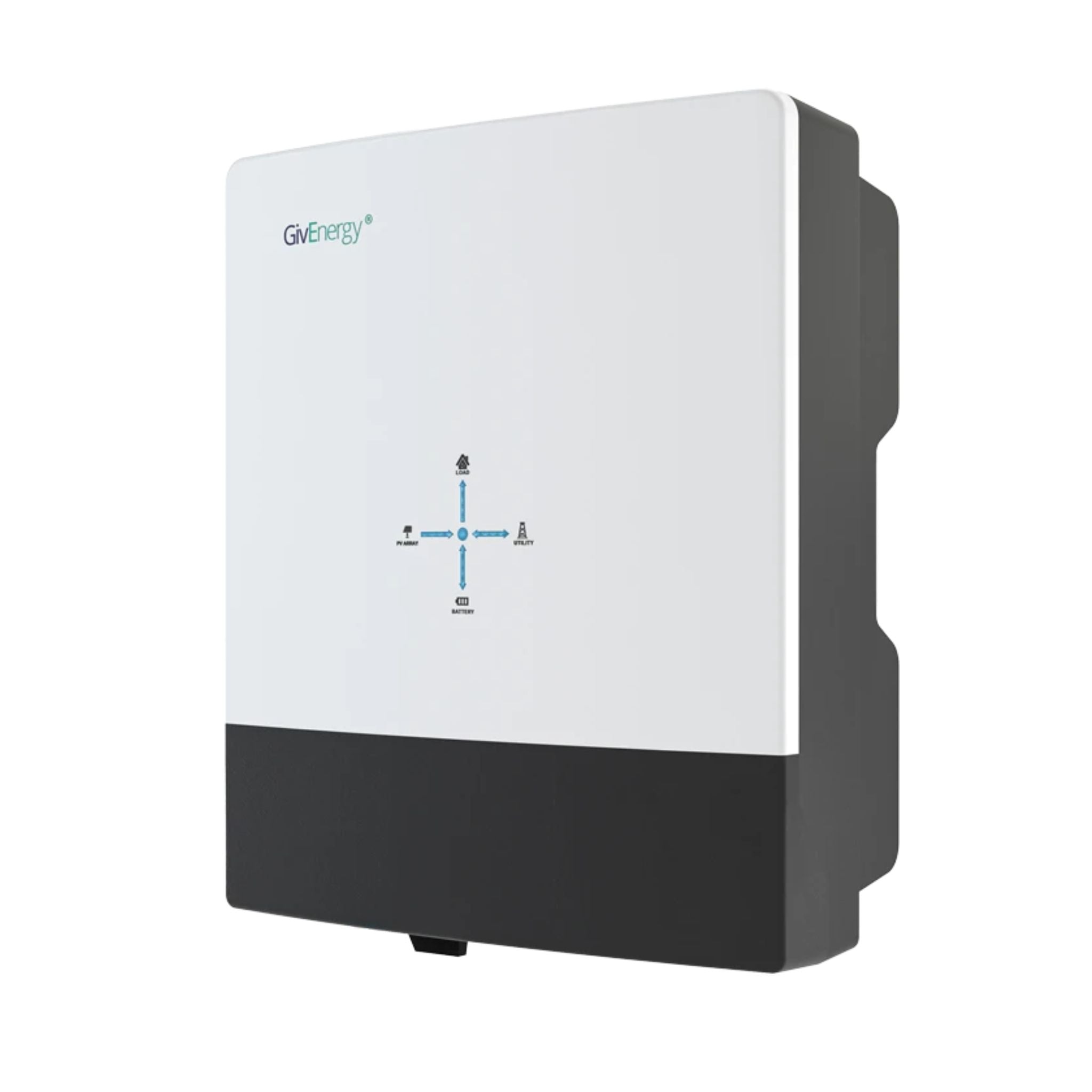
GivEnergy All-in-One 5kW Hybrid Inverter
£1,2005
7.5
2
48V
Affiliate link — we may earn a small commission at no extra cost to you
Multi-Orientation Systems
Many UK homes have roof slopes facing different directions. A well-designed system can use multiple orientations:
Dual-Slope (East-West)
Panels on both the east and west slopes of a roof ridge. This requires an inverter with dual MPPT inputs (or separate string circuits) so that each orientation operates independently. Total generation is typically 85–90% of an equivalent south-facing system.
South + East or South + West
If you have a south-facing slope that's too small for all your panels, overflow panels can go on an adjacent east or west slope. Again, dual MPPT is important.
Avoiding the String Problem
When panels face different directions, they must be on separate MPPT circuits. Mixing orientations on a single string forces all panels to the lowest common denominator, losing far more output than the orientation difference alone.
Don't Mix Orientations on One String
If your installer proposes connecting panels from different roof slopes on the same inverter string, challenge this. Panels facing different directions perform differently at every hour of the day. On a single string, the east-facing panels would drag down the west-facing ones (and vice versa). Each orientation needs its own MPPT input or separate string.
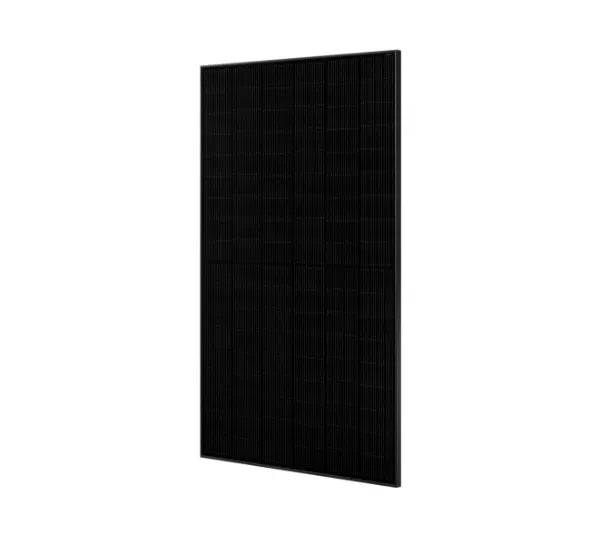
JA Solar JAM54D41 450W N-type TOPCon
£82450
22.8
1722 x 1134 x 30
21.5
Affiliate link — we may earn a small commission at no extra cost to you
Real-World Generation by Orientation
For a 4kW system in the Midlands:
| Orientation | Annual Generation | Annual Saving (at 24p/kWh) |
|---|---|---|
| South (30° tilt) | 3,600kWh | £430–580 |
| Southeast/Southwest | 3,300kWh | £395–530 |
| East or West | 2,900kWh | £345–465 |
| East-West split | 3,100kWh | £370–500 |
| North | 2,000kWh | £240–320 |
Savings depend on self-consumption rate — using more solar electricity directly saves more than exporting it.
Does Orientation Affect My Decision?
For south, southeast, southwest, east, or west orientations: install solar with confidence. The economics work well from any of these directions.
For north, northeast, or northwest: consider alternative mounting locations such as a flat roof with angled frames, ground mount, or a garden structure. If the north-facing roof is your only option and you still want solar, the maths is marginal — get a detailed generation estimate from your installer before committing.
Share this article

OVO has carefully selected trusted teams across the UK to install solar panels and heat pumps. Enjoy the personal touch of a local expert with the peace of mind of a household name.
Affiliate link — we may earn a small commission at no extra cost to you
Stay informed
Get free solar updates direct to your inbox
Related reading

Is My Roof Suitable for Solar Panels?
Find out if your roof can take solar panels — covering direction, angle, shading, structural condition, and options for tricky roofs.
Solar Shading Analysis: How Much Does Shade Matter?
How shading affects solar panel output in the UK, tools for shading analysis, and solutions like optimisers and microinverters to reduce shade losses.
How Much Electricity Do Solar Panels Generate in the UK?
Real kWh figures for UK solar systems by size, region, and orientation — including seasonal variation, the effect of roof angle, and why real-world output differs from the spec sheet.


Switch to Octopus Energy
Get 50 credit when you switch. We get 50 too — win-win.
What does this mean for YOUR home?
Design your perfect solar setup in under 3 minutes. Free, no sign-up required.
Build Your Solar System