This page contains affiliate links. If you purchase through them we may earn a small commission at no extra cost to you. Learn more
Optimisers vs Microinverters: Which Do You Need?
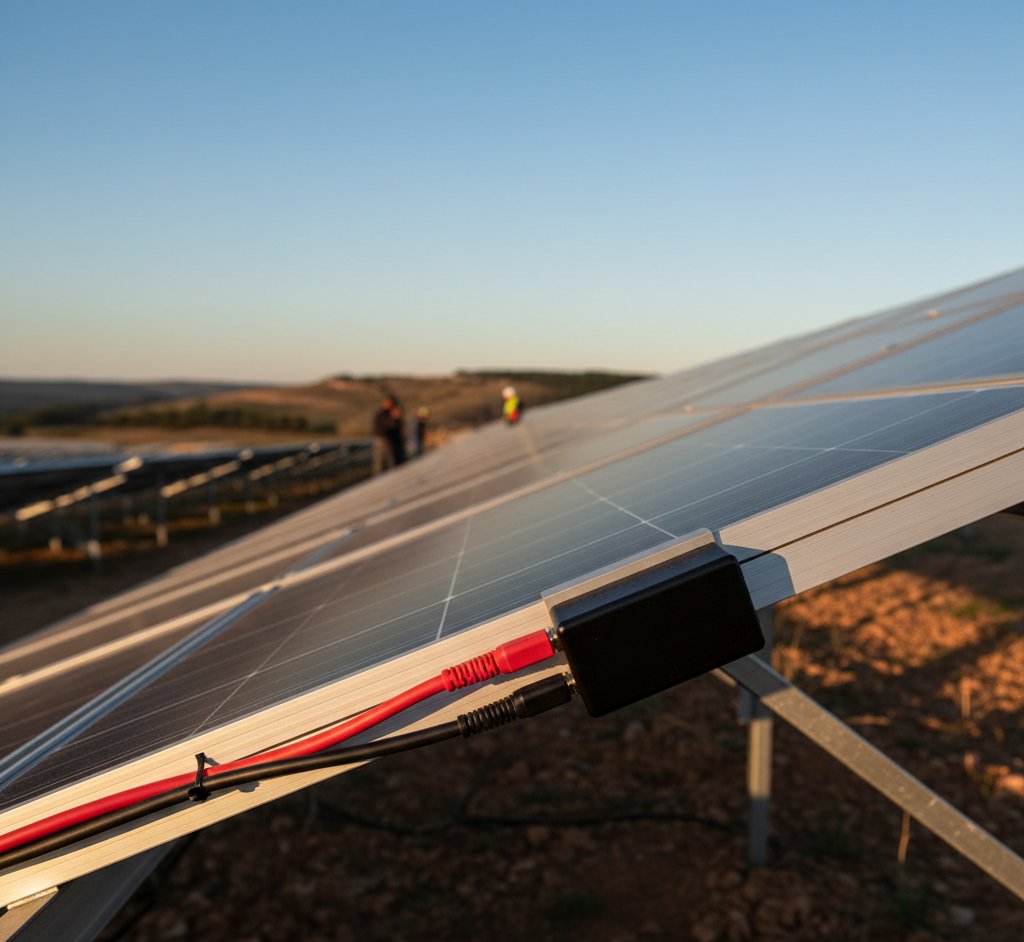
If your roof has shading, panels on multiple orientations, or you simply want maximum performance from each panel, you'll encounter two options: power optimisers and microinverters. Both solve the same core problem in different ways. Here's a practical comparison.
The Problem They Both Solve
In a standard string inverter setup, solar panels are wired in series. The entire string's output is limited by the weakest-performing panel. If one panel is shaded, dirty, or faulty, every panel in that string underperforms.
Both optimisers and microinverters address this by allowing each panel to operate at its own optimal point, independent of the others.
Power Optimisers
How They Work
A power optimiser is a small DC-DC converter fitted behind each solar panel. It adjusts the voltage and current of that panel to extract maximum power, regardless of what other panels in the string are doing. The optimised DC power is then fed to a central string inverter, which converts it to AC for your home.
Think of it as each panel having its own personal trainer, while still sharing a gym (the central inverter).
Key Products
- SolarEdge — The dominant optimiser brand. Their system requires a SolarEdge inverter paired with SolarEdge optimisers.
- Tigo — An aftermarket optimiser that can be added to panels from any manufacturer and works with various string inverters.
- Huawei SUN2000 with optimisers — Huawei offers a similar paired system.
Pros
- Lower cost than microinverters (£30–50 per panel vs £50–80)
- Panel-level monitoring shows each panel's individual performance
- Rapid shutdown capability (a safety feature increasingly required)
- Central inverter is easier to service (located indoors, accessible)
- Well-proven technology with millions of installations worldwide
Cons
- Still has a central inverter that can fail (single point of failure)
- Some systems are proprietary — SolarEdge optimisers only work with SolarEdge inverters
- The central inverter still limits maximum system output
Microinverters
How They Work
A microinverter is a small inverter fitted behind each solar panel. It converts DC to AC right at the panel, so only AC power travels through your wiring to the consumer unit. There is no central string inverter at all.
Each panel is a completely self-contained generating unit.
Key Products
- Enphase IQ7/IQ8 — The market leader in microinverters. Mature, reliable, widely available in the UK.
- Hoymiles — Growing Chinese brand with competitive pricing, popular for smaller systems and retrofit.
- AP Systems — Another established option, particularly in commercial settings.
Pros
- No single point of failure — if one microinverter fails, only that panel is affected
- Best performance in heavy shading — each panel is truly independent
- Scalable — add panels one at a time without inverter capacity concerns
- No high-voltage DC on your roof (AC only), which some consider safer
- Panel-level monitoring included
- Long warranties (Enphase offers 25 years)
Cons
- Higher cost per panel (£50–80 each vs £30–50 for optimisers)
- Each microinverter is on the roof, making replacement more involved (scaffolding needed)
- Slightly lower peak efficiency than the best central inverters
- More points of potential failure (one device per panel vs one central device)
The Warranty Factor
Enphase microinverters come with a 25-year warranty, matching the panel lifespan. SolarEdge optimisers have a 25-year warranty, but the SolarEdge inverter typically has a 12-year warranty (extendable). This means with SolarEdge, you'll likely need one inverter replacement over the system's life. With Enphase, the warranty covers the full 25 years.
Head-to-Head Comparison
| Feature | Optimisers (e.g., SolarEdge) | Microinverters (e.g., Enphase) |
|---|---|---|
| Cost per panel | £30–50 | £50–80 |
| Central inverter needed | Yes | No |
| Panel-level monitoring | Yes | Yes |
| Shading performance | Very good | Excellent |
| Multi-orientation support | Yes | Yes |
| Warranty | 25yr optimiser, 12yr inverter | 25yr microinverter |
| Roof safety (DC voltage) | High DC voltage on roof | Low AC voltage only |
| Scalability | Limited by inverter capacity | Add panels freely |
| Replacement access | Inverter indoors, optimisers on roof | All units on roof |

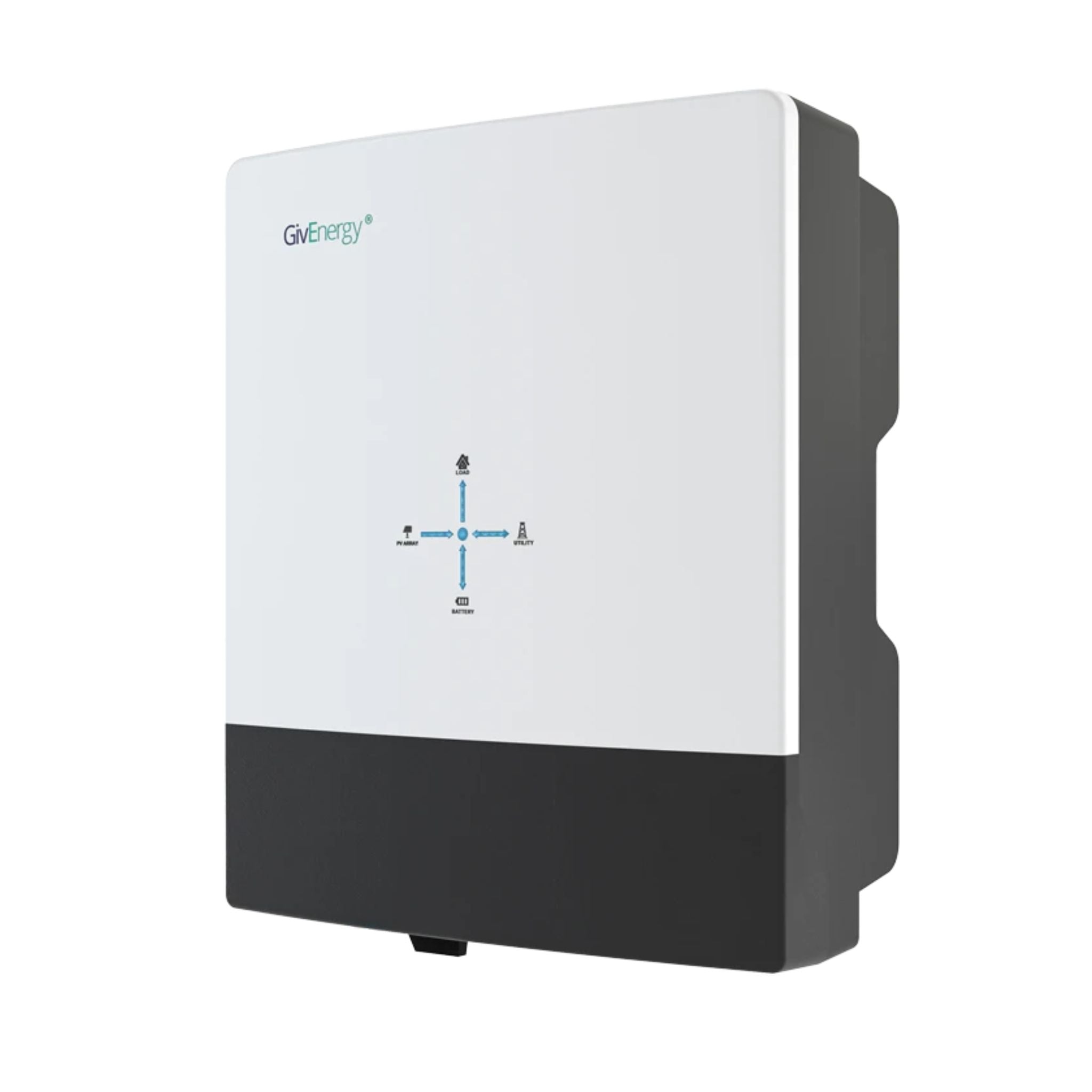
GivEnergy All-in-One 5kW Hybrid Inverter
£1,2005
7.5
2
48V
Affiliate link — we may earn a small commission at no extra cost to you
When Do You Need Either?
You Need Optimisers or Microinverters If:
- Your roof has shading from trees, chimneys, neighbouring buildings, or other obstructions
- Panels face multiple directions (e.g., some south, some east) — each orientation performs differently at different times
- You want panel-level monitoring to diagnose individual panel issues
- You may expand the system later — microinverters make this especially easy
A Standard String Inverter Is Fine If:
- Your roof has no significant shading throughout the year
- All panels face the same direction on a single roof slope
- You want the lowest upfront cost
- Your system is a straightforward, single-string layout
Beware of Over-Specification
Some installers push optimisers or microinverters on every system because they earn a higher margin. If your roof is shade-free with a single south-facing slope, a good string inverter with dual MPPT will perform within 2–3% of an optimiser/microinverter system at lower cost. Don't pay for panel-level optimisation you don't need.
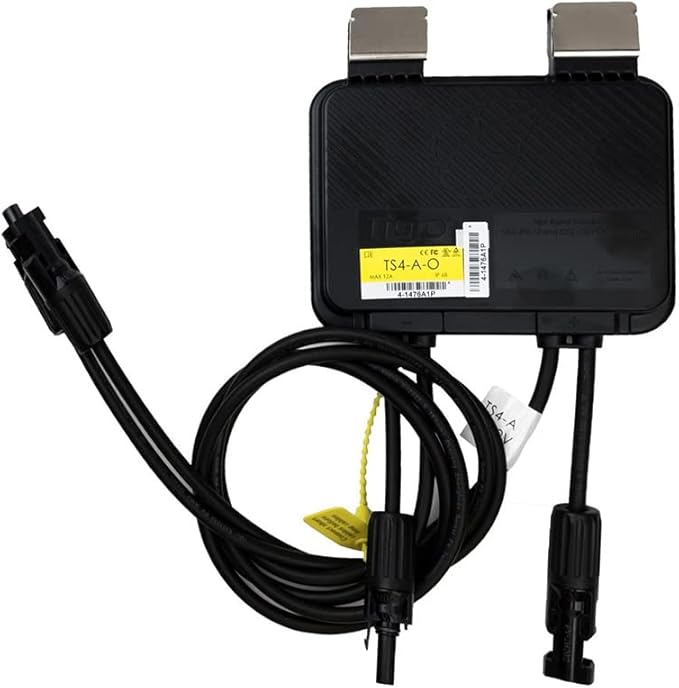
Tigo TS4-A-O Power Optimiser
£38DC optimiser
Any inverter
Module-level
700
Affiliate link — we may earn a small commission at no extra cost to you
Cost Impact on a Typical System
For a 10-panel (4kW) system:
| Setup | Equipment Cost | Additional Cost vs String |
|---|---|---|
| String inverter only | £600–1,000 | Baseline |
| String inverter + optimisers | £900–1,500 | +£300–500 |
| Microinverters | £500–800 total | +£0–300* |
*Microinverters replace the string inverter entirely, so the comparison depends on the specific products chosen. In some cases, a microinverter system is barely more expensive than a string inverter system.
Which Should You Choose?
Choose optimisers if:
- You have moderate shading (1–3 panels affected)
- You want a balance of performance and cost
- Your installer is experienced with SolarEdge or similar systems
Choose microinverters if:
- You have significant shading across multiple panels
- Your panels face two or more different directions
- You want the longest warranty without inverter replacement
- You may want to add panels in the future
- Safety (no high-voltage DC) is a priority
Choose a standard string inverter if:
- Your roof is unshaded and panels face one direction
- You want the lowest upfront cost
- You're comfortable with the standard approach that covers 70%+ of UK installations
Share this article

OVO has carefully selected trusted teams across the UK to install solar panels and heat pumps. Enjoy the personal touch of a local expert with the peace of mind of a household name.
Affiliate link — we may earn a small commission at no extra cost to you
Stay informed
Get free solar updates direct to your inbox
Related reading
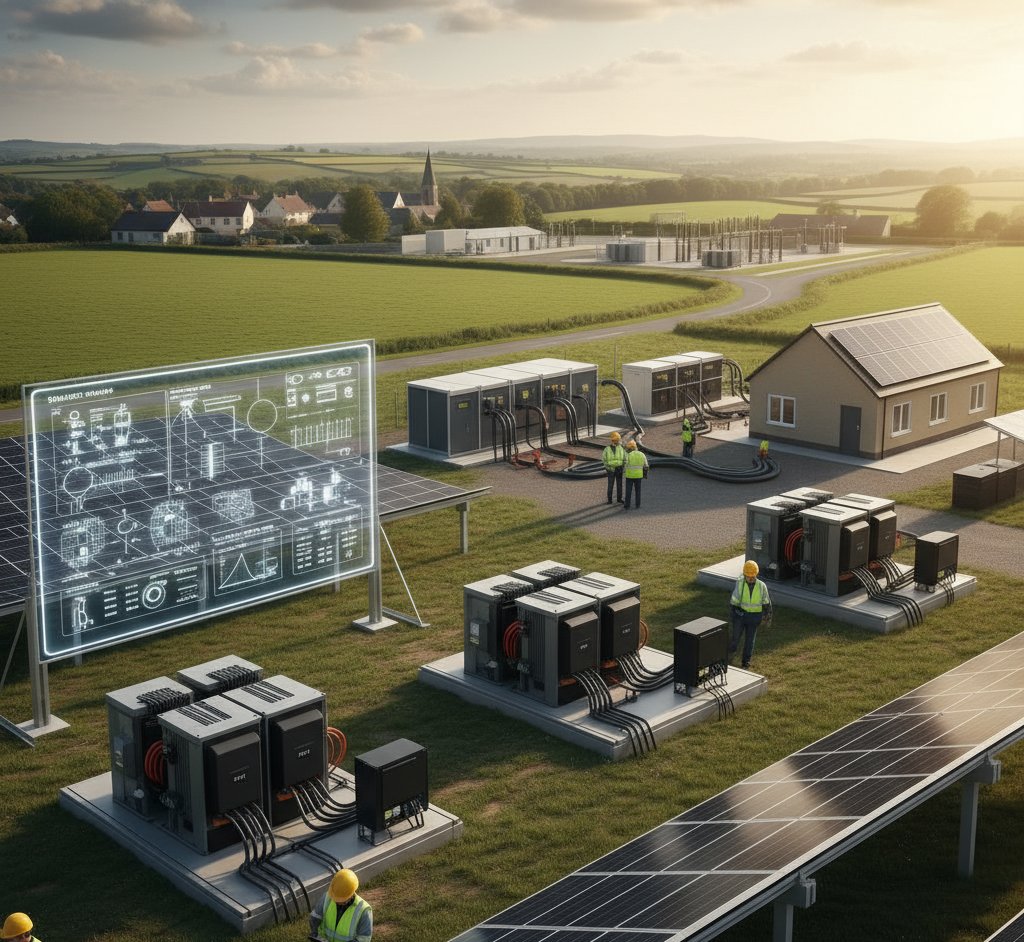
Solar Inverters Explained: Types, Sizing, and Real-World Limits
String, micro, and hybrid inverters explained clearly — plus the critical G98/G99 threshold at 3.68kW and what it means for what you can run simultaneously.
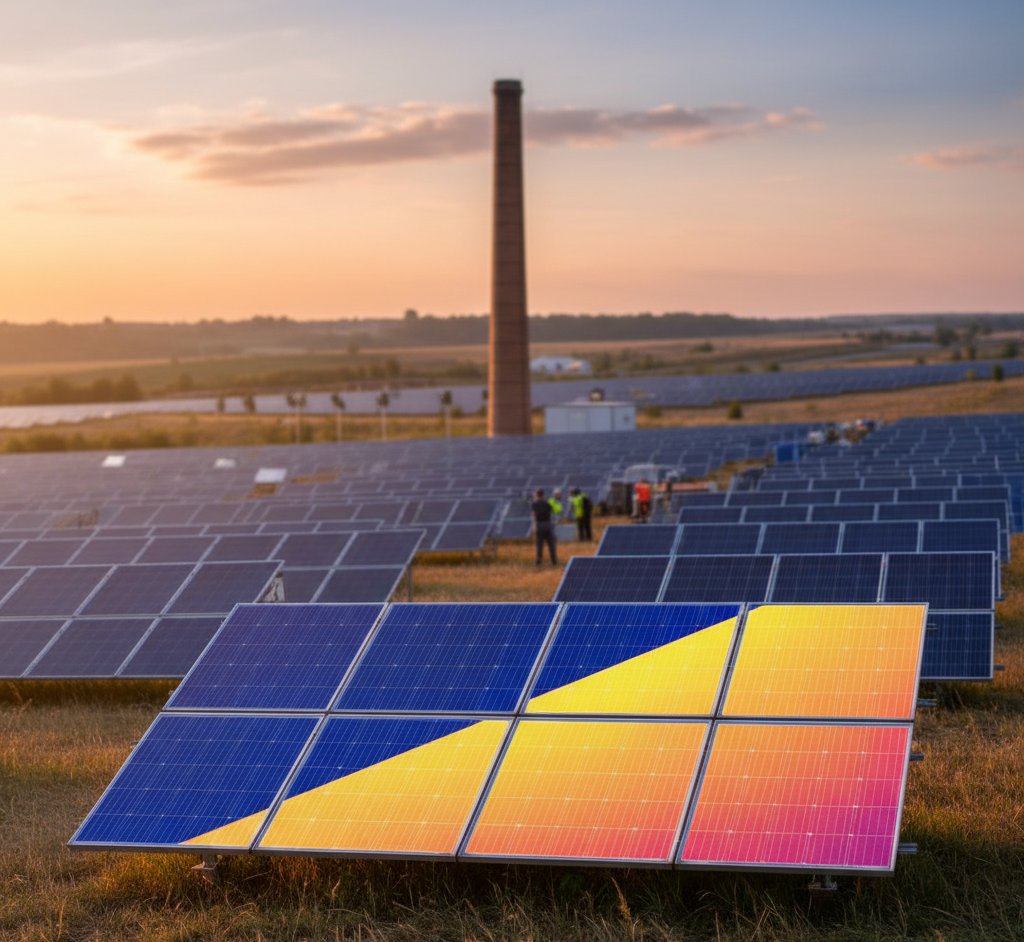
Solar Shading Analysis: How Much Does Shade Matter?
How shading affects solar panel output in the UK, tools for shading analysis, and solutions like optimisers and microinverters to reduce shade losses.
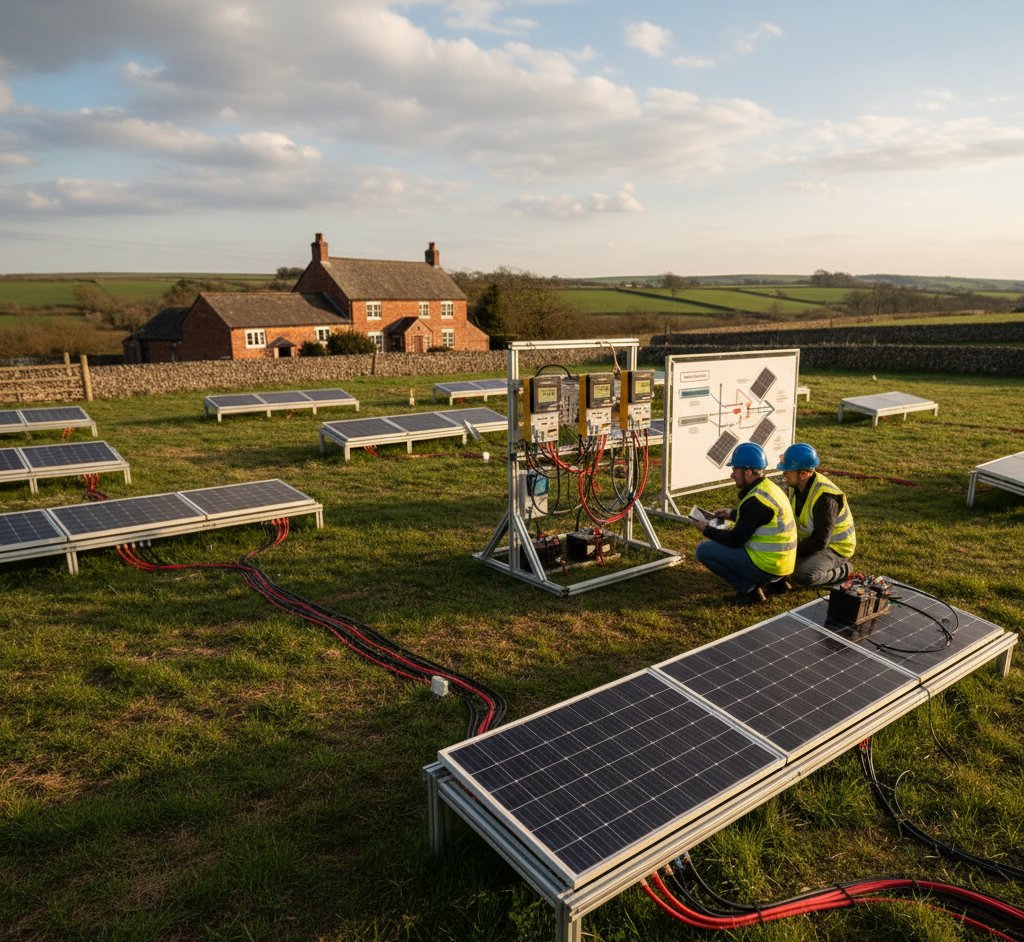
String Setups and MPPT: Solar Panel Wiring Explained
How solar panels are wired in strings, what MPPT tracking does, and why the right string configuration matters for system performance in the UK.

Switch to Octopus Energy
Get 50 credit when you switch. We get 50 too — win-win.
What does this mean for YOUR home?
Design your perfect solar setup in under 3 minutes. Free, no sign-up required.
Build Your Solar System