This page contains affiliate links. If you purchase through them we may earn a small commission at no extra cost to you. Learn more
String Setups and MPPT: Solar Panel Wiring Explained
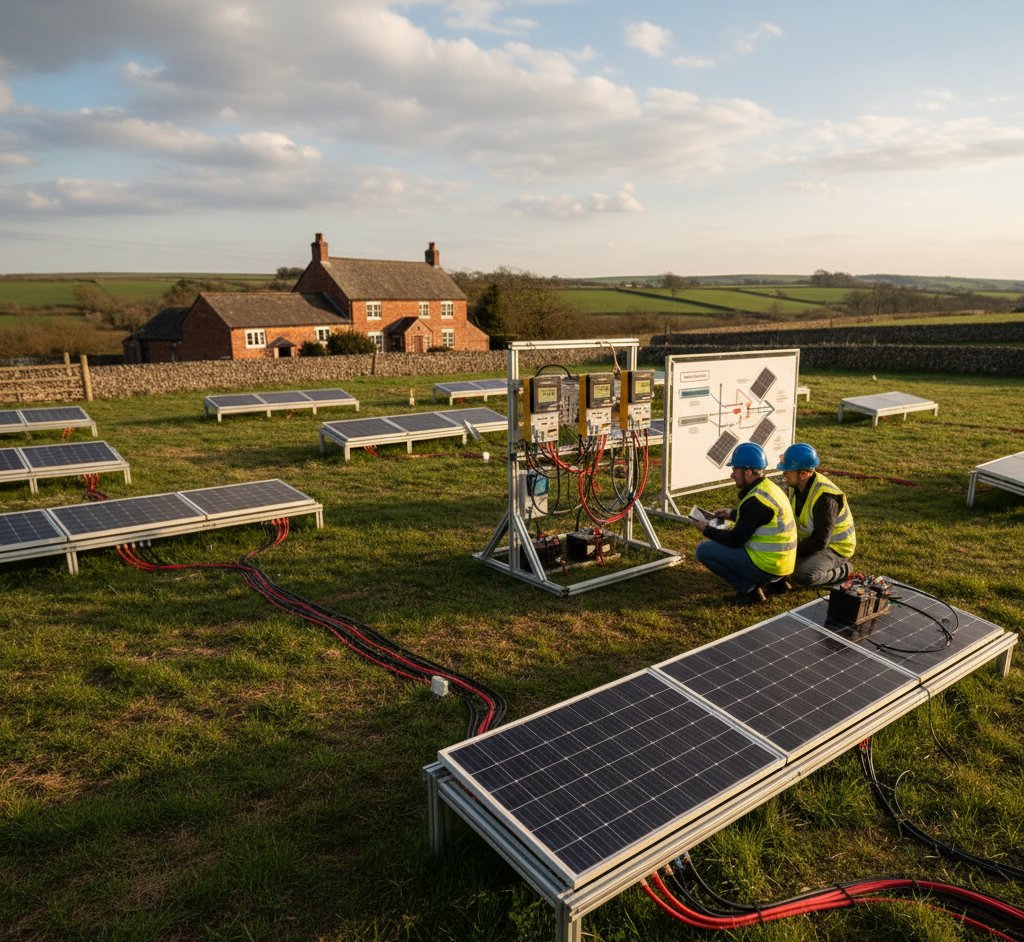
How your solar panels are wired together significantly affects system performance. Understanding strings, MPPT tracking, and basic wiring concepts helps you evaluate installer proposals and ask the right questions.
What Is a String?
A "string" of solar panels is simply a group of panels wired together in series — the positive terminal of one panel connects to the negative terminal of the next, forming a chain. The voltages add up while the current stays the same.
Example: 10 panels rated at 40V each, wired in a single string = 400V total string voltage, with current around 10A.
The inverter needs a minimum voltage to operate and has a maximum voltage it can handle. The number of panels in a string must produce a voltage within the inverter's operating window.
Why Series Wiring?
Solar panels produce DC electricity at relatively low voltages (30–50V per panel). Wiring them in series increases the voltage to a level the inverter can work with efficiently (typically 200–600V for domestic inverters).
Higher voltage means lower current for the same power, which means thinner cables, lower resistive losses, and more efficient power transfer.
What Is MPPT?
Maximum Power Point Tracking is the inverter's method of extracting the maximum possible power from a string of panels. Solar panels have a specific voltage-current combination where they produce peak power — this is the "maximum power point" (MPP).
The MPP changes constantly with:
- Light intensity (clouds passing, time of day)
- Temperature (panels get hot in summer, cold in winter)
- Shading (partial shade shifts the MPP)
An MPPT controller continuously adjusts the operating point to track the MPP, squeezing the most energy from your panels at every moment. Think of it as an automatic gearbox for your solar system — always finding the right gear for current conditions.
Why Multiple MPPT Inputs Matter
Most modern domestic inverters have 2 MPPT inputs (some have 3 or more). Each MPPT input independently tracks the maximum power point for its connected string.
This is critical when:
Panels Face Different Directions
If you have 5 panels on a south-facing roof and 5 on a west-facing roof, they perform differently at any given time. On a single MPPT, the inverter would compromise between the two orientations, reducing output from both. On separate MPPTs, each group operates at its own optimum.
Example:
- South-facing panels producing 380W each at their MPP
- West-facing panels producing 280W each at their MPP
- Single MPPT: both groups forced to compromise — total might be 3,100W
- Dual MPPT: each group optimised independently — total is 3,300W (6% more)
Panels Have Different Shading
If some panels are shaded and others aren't, separating them onto different MPPT inputs prevents the shaded panels from dragging down the unshaded ones.
Different Panel Types or Ages
If you've expanded your system with newer panels, the original and new panels should ideally be on separate MPPT inputs because their electrical characteristics differ.
Ask About MPPT Configuration
When reviewing an installer's proposal, ask: "How many MPPT inputs are you using, and which panels are on each?" This tells you whether they've designed the string configuration thoughtfully. If they're putting east-facing and south-facing panels on the same MPPT, that's a design weakness.
String Sizing Rules
Your installer calculates string sizes based on:
Voltage Limits
- Minimum string voltage must exceed the inverter's MPPT start voltage (typically 100–150V)
- Maximum string voltage must not exceed the inverter's maximum input voltage (typically 500–600V for domestic units)
- Voltage varies with temperature — cold panels produce higher voltage, hot panels lower. The calculation must account for the coldest expected temperature in your location.
Current Matching
All panels in a string must have similar current characteristics. Mixing panels with different current ratings in the same string causes the lowest-current panel to limit the entire string.
Practical UK String Sizes
For typical 450W panels (approximately 40V, 11A):
- Minimum string: 4–5 panels (160–200V)
- Maximum string: 12–15 panels (480–600V)
- Common configuration: 8–12 panels per string
Don't Mix Panel Types in a String
Never put panels with different wattages, different manufacturers, or significantly different ages in the same string. Even panels from the same manufacturer but different models can have different electrical characteristics. Mismatched panels in a string force the entire string to the performance level of the weakest panel. Use separate strings (and ideally separate MPPT inputs) for different panel types.
Common Domestic Configurations

Single String, Single MPPT
- All panels on one roof slope, same orientation
- Connected in one series string to one MPPT input
- Simplest and cheapest configuration
- Works well when all panels have identical conditions
Two Strings, Dual MPPT
- Panels split between two roof slopes (e.g., east and west)
- Each group on its own MPPT input
- Each orientation tracked independently for optimal output
- The most common setup for UK homes with two suitable roof slopes
Three Strings
- Three separate groups (e.g., south, east, and flat roof sections)
- Requires an inverter with 3 MPPT inputs (less common in domestic units)
- Or two groups on a dual-MPPT inverter plus a separate small inverter for the third
Series vs Parallel Wiring
In addition to series strings, panels can be wired in parallel within a string. This is less common in standard installations but relevant in specific scenarios:
- Series: Adds voltage, current stays the same. Used for the main string connections.
- Parallel: Adds current, voltage stays the same. Used when combining multiple strings of the same voltage into one MPPT input.
Your installer handles the wiring design — you don't need to make these decisions. But understanding the basics helps you evaluate whether their design makes sense.
Optimisers and Microinverters: Bypassing String Limitations
Power optimisers and microinverters largely eliminate string-related issues:
- Optimisers: Each panel operates at its own MPP. The string still exists physically, but electrically each panel is independent. You can mix orientations and tolerate shading with minimal loss.
- Microinverters: No strings at all. Each panel has its own inverter, converting DC to AC independently. Maximum flexibility, no string constraints.
These technologies cost more but are valuable for complex roof layouts with multiple orientations, shading, or future expansion plans.
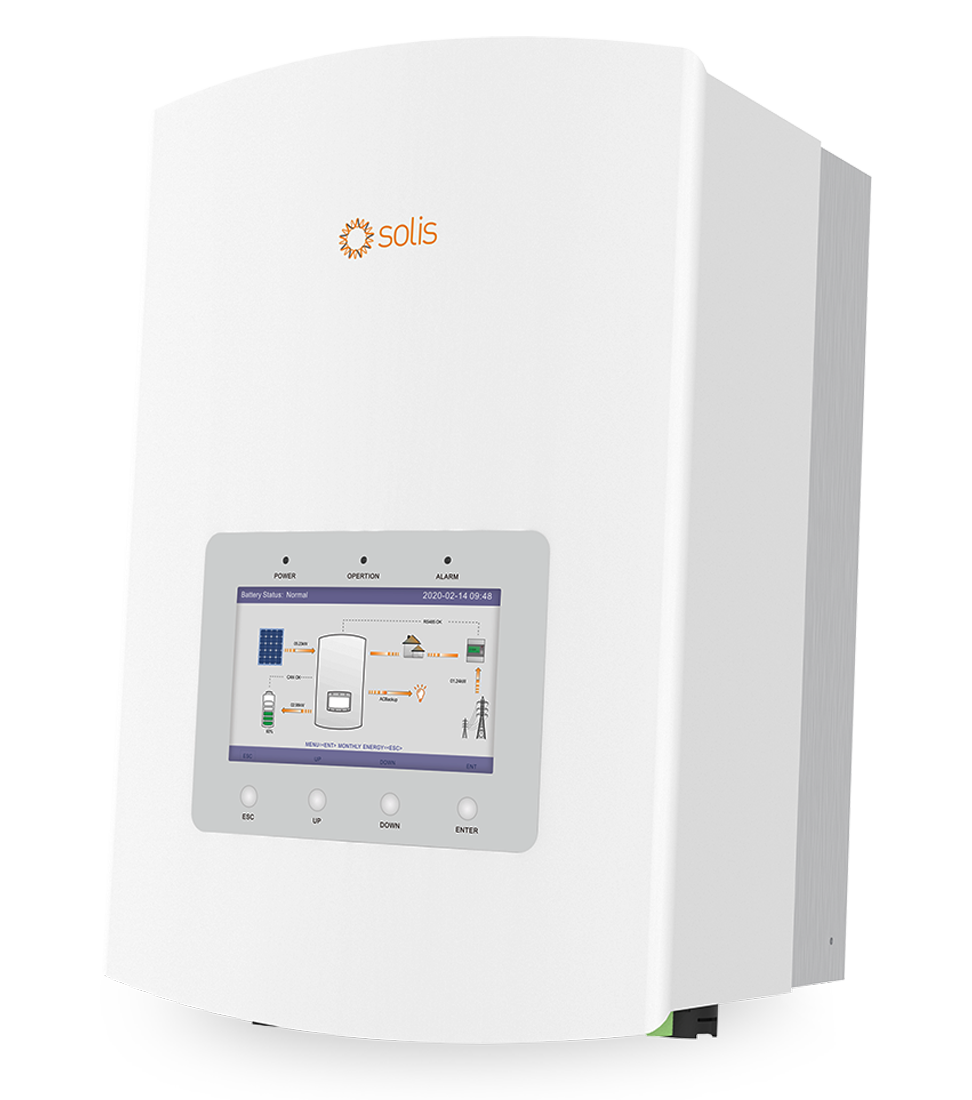
Solis RHI-5K-48ES-5G Hybrid Inverter 5kW
£9505
7.5
2
48V
Affiliate link — we may earn a small commission at no extra cost to you
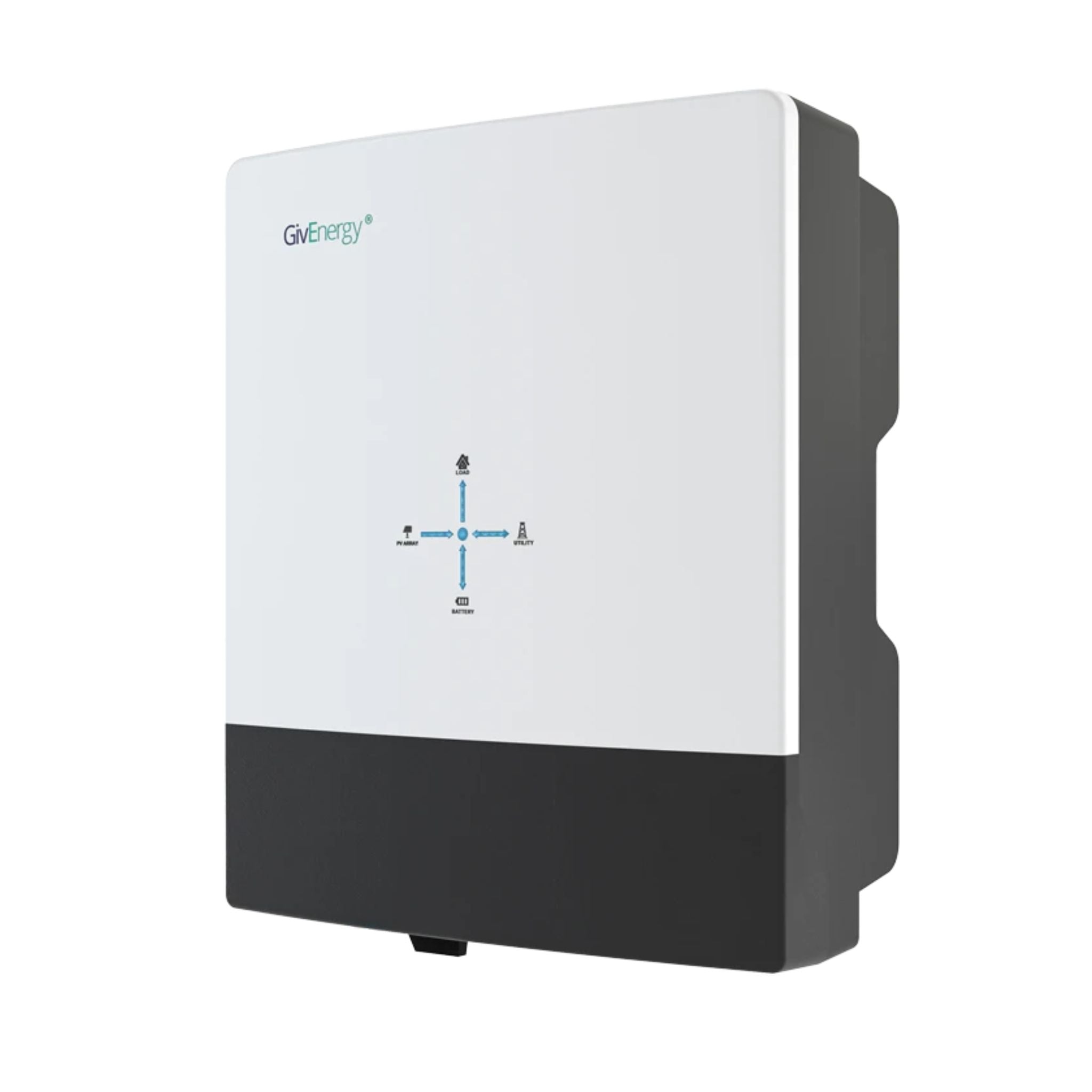
GivEnergy All-in-One 5kW Hybrid Inverter
£1,2005
7.5
2
48V
Affiliate link — we may earn a small commission at no extra cost to you
How to Evaluate Your Installer's Design
Good questions to ask:
- How many strings are proposed, and which panels are in each?
- How many MPPT inputs does the inverter have?
- Are panels on different orientations on separate MPPTs?
- What's the string voltage at minimum and maximum expected temperatures?
- If there's partial shading, are the affected panels isolated from unshaded panels?
A well-designed string configuration is the difference between a system that underperforms and one that hits its generation targets.
Share this article

OVO has carefully selected trusted teams across the UK to install solar panels and heat pumps. Enjoy the personal touch of a local expert with the peace of mind of a household name.
Affiliate link — we may earn a small commission at no extra cost to you
Stay informed
Get free solar updates direct to your inbox
Related reading
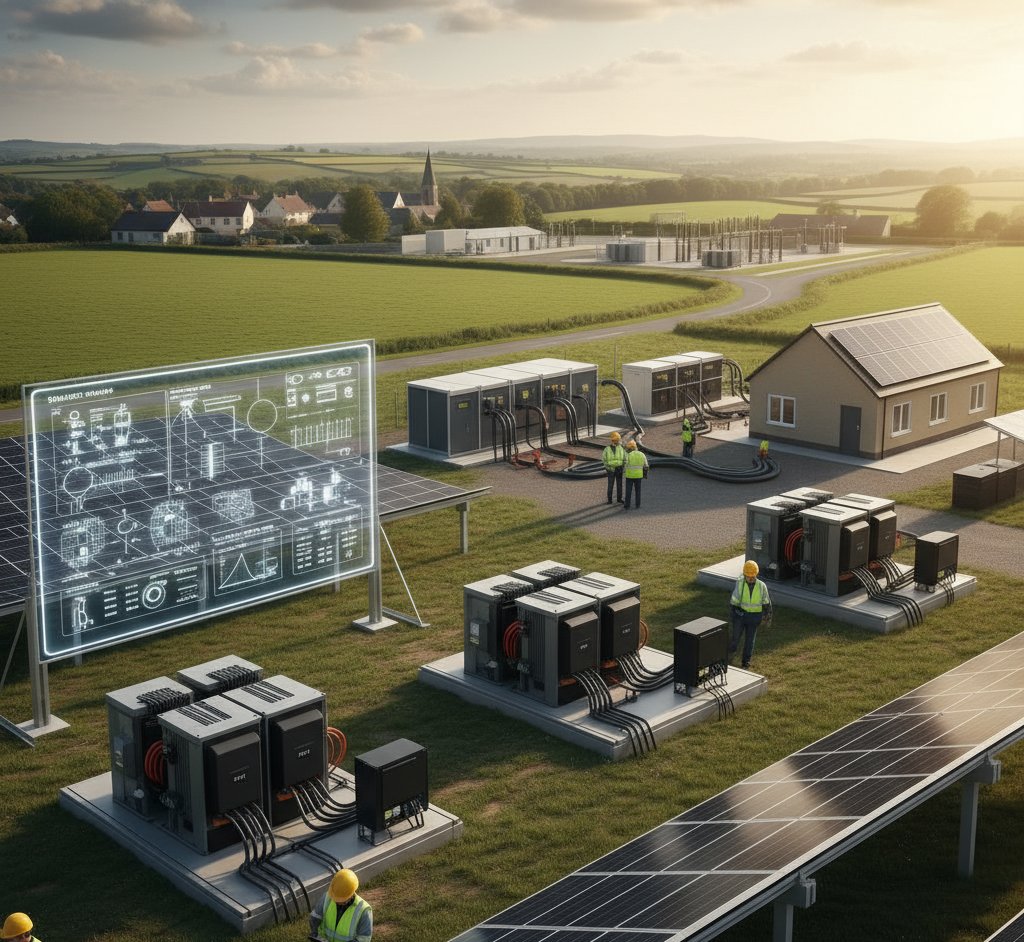
Solar Inverters Explained: Types, Sizing, and Real-World Limits
String, micro, and hybrid inverters explained clearly — plus the critical G98/G99 threshold at 3.68kW and what it means for what you can run simultaneously.
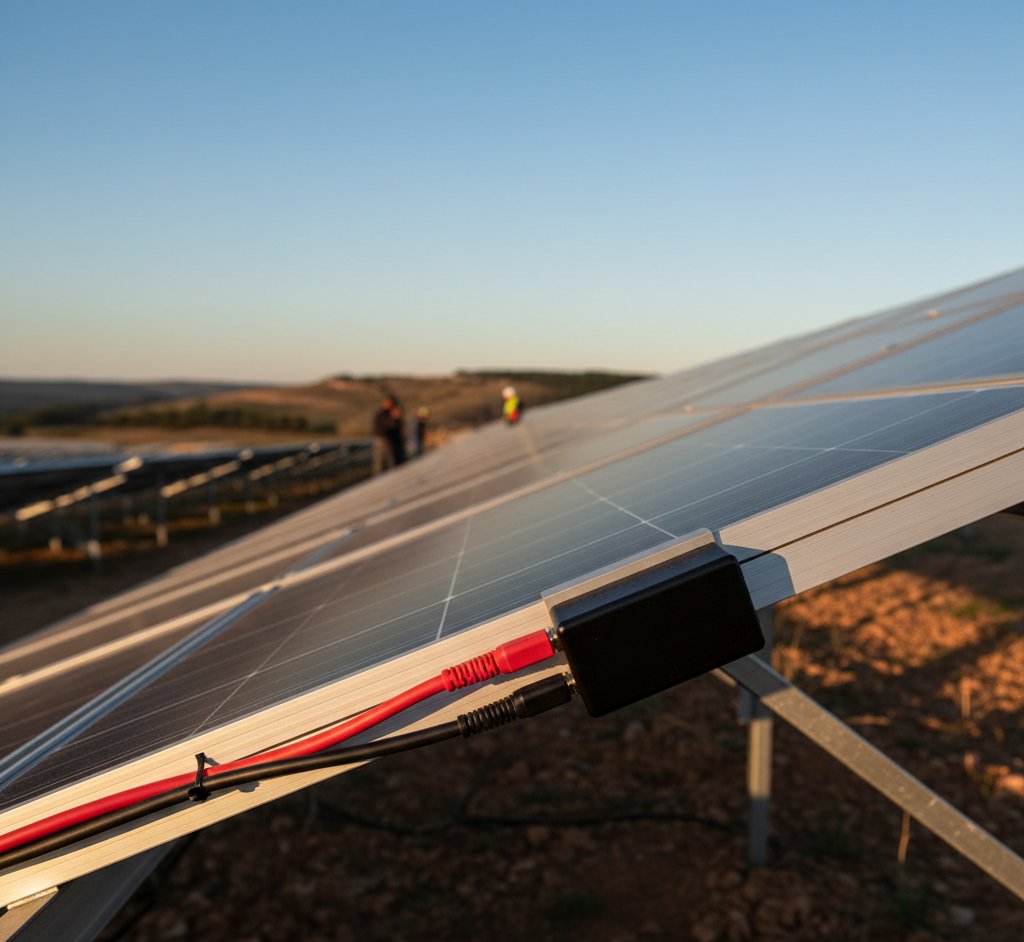
Optimisers vs Microinverters: Which Do You Need?
Power optimisers vs microinverters for solar panels: how they work, when you need them, cost differences, and which is best for UK installations.
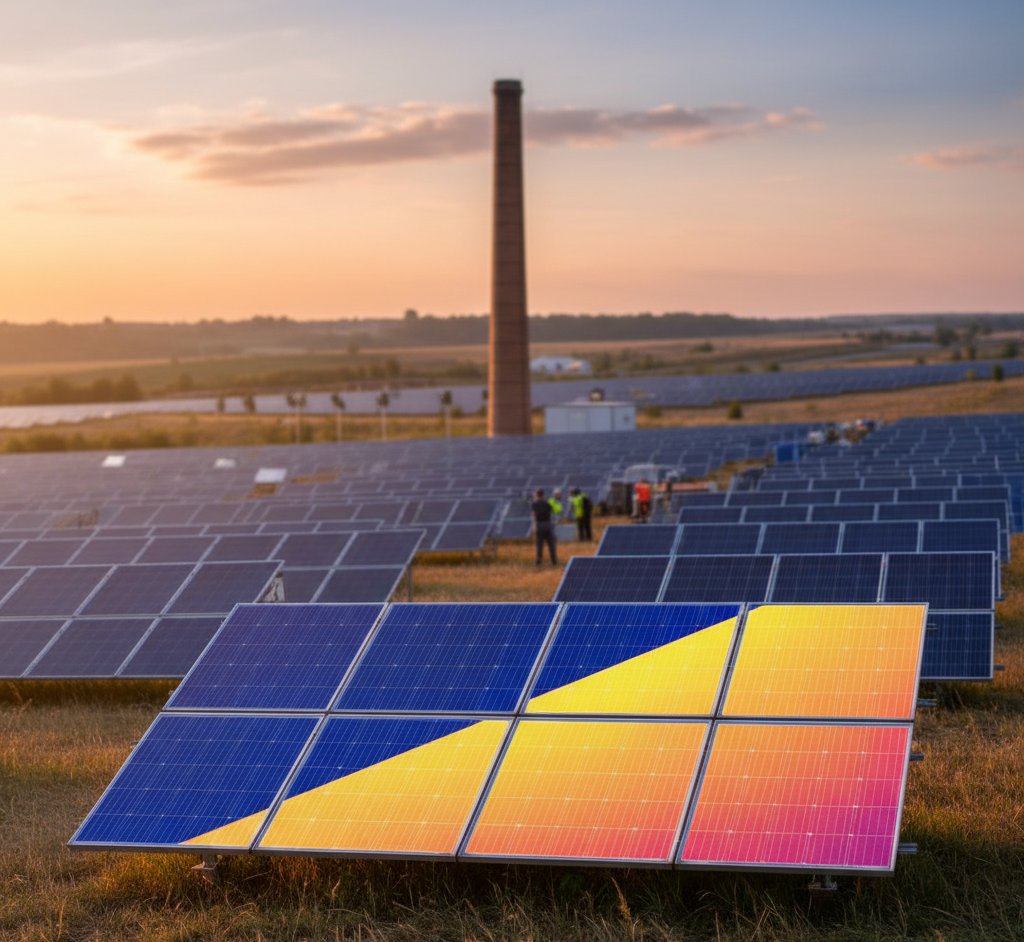
Solar Shading Analysis: How Much Does Shade Matter?
How shading affects solar panel output in the UK, tools for shading analysis, and solutions like optimisers and microinverters to reduce shade losses.


Switch to Octopus Energy
Get 50 credit when you switch. We get 50 too — win-win.
What does this mean for YOUR home?
Design your perfect solar setup in under 3 minutes. Free, no sign-up required.
Build Your Solar System