This page contains affiliate links. If you purchase through them we may earn a small commission at no extra cost to you. Learn more
Solar Shading Analysis: How Much Does Shade Matter?
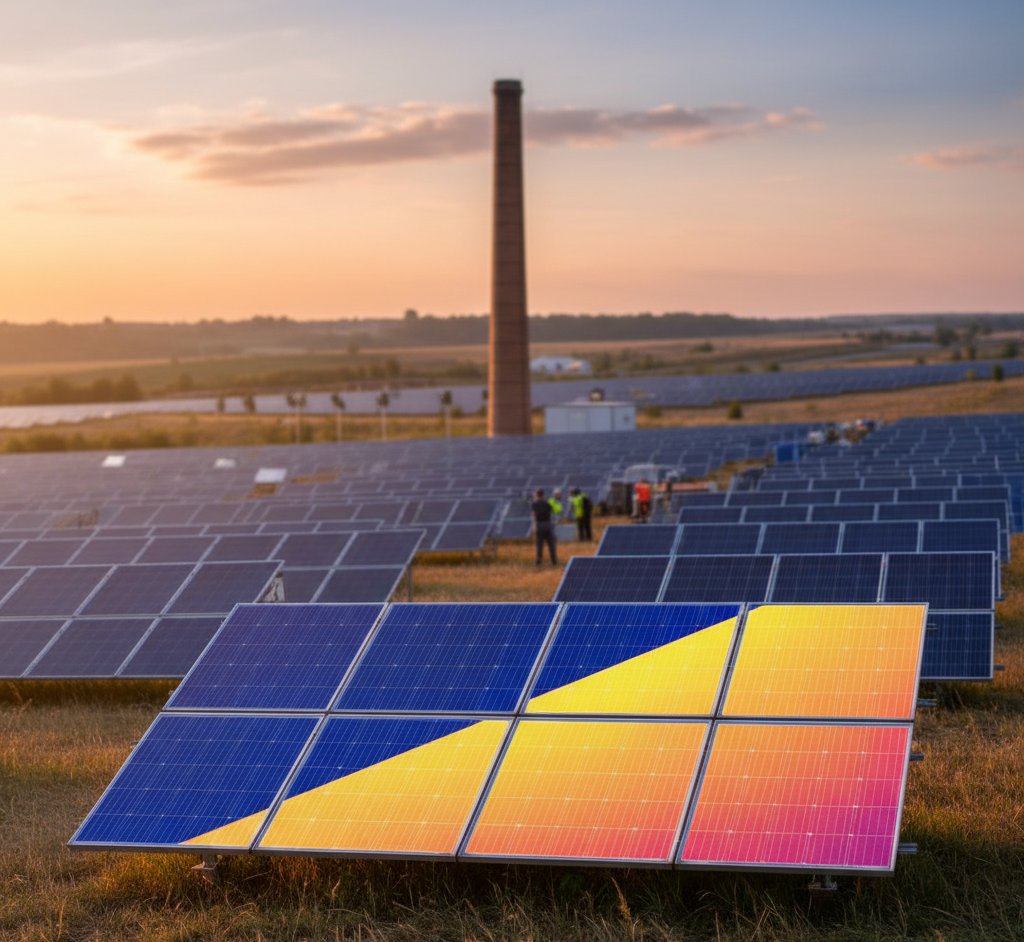
Shading is the single biggest site-specific factor that affects solar panel performance. Even partial shade on one panel can disproportionately reduce output from an entire string. Here's how shading works, how to assess it, and what you can do about it.
Why Shading Matters So Much
Solar panels are wired in series within a "string" — electricity flows through each panel in sequence, like a chain. When one panel is shaded, it acts like a bottleneck. The shaded panel can't produce its full output, and because the panels are connected in series, the entire string's output is dragged down to match the weakest link.
This is called the "Christmas light effect" — one bad bulb dims the whole string.
The Numbers
Consider a string of 10 panels, each producing 450W in full sun (4.5kW total):
| Shading Scenario | Output Without Mitigation | Output With Optimisers |
|---|---|---|
| No shading | 4,500W (100%) | 4,500W (100%) |
| 1 panel 50% shaded | 2,700W (60%) | 4,275W (95%) |
| 2 panels 25% shaded | 3,150W (70%) | 4,388W (97.5%) |
| 1 panel fully shaded | 1,800W (40%) | 4,050W (90%) |
The difference between an unmitigated system and one with optimisers is dramatic. This is why shading analysis matters — and why optimisers or microinverters are worth the investment on shaded roofs.
Common Sources of Shading
Trees
The most problematic source because they change seasonally. A tree that causes no shading in winter (when deciduous and leafless) may heavily shade panels in summer when in full leaf. Conversely, evergreen trees shade year-round.
Chimneys
Your own chimney casts a shadow that moves across the roof throughout the day. The impact depends on chimney height, position relative to panels, and time of year.
Neighbouring Buildings
Taller neighbouring buildings, especially to the south, east, or west, can cast shadows that move across your panels at certain times of day. This is particularly relevant in dense urban areas.
Dormer Windows
Dormers on your own roof can shade adjacent panels, especially in the morning and evening when the sun is low.
Satellite Dishes and Aerials
Often overlooked, but a satellite dish on the same roof slope can shade one or two panels significantly. Moving or removing the dish before installation is usually straightforward.
Temporary vs Permanent
Some shading is temporary (bird droppings, leaves, snow) and some is permanent (buildings, chimneys). Your system design should account for permanent shading; temporary shading is a maintenance issue.
Check at Different Times of Day
Before your solar survey, spend a sunny day observing your roof. Note which areas are shaded at 9am, 12pm, and 3pm. Take photos. This gives you useful context for when the installer does their formal analysis, and helps you spot things they might miss in a brief visit.
Shading Analysis Methods
Sun Path Diagrams and Software
Professional installers use tools like PVsyst, PV*Sol, or Helioscope to model your roof's shading environment. These tools account for:
- Building geometry (your roof and surrounding structures)
- The sun's path throughout the year
- Time-specific shadow patterns
- The resulting impact on annual generation
SunEye / Solar Pathfinder
Handheld devices that photograph the sky from your roof position and overlay the sun's annual path. Shaded portions of the sky dome directly correspond to lost generation. These give a visual, intuitive picture of shading impact.
Satellite Imagery
Tools like Google Project Sunroof (limited UK coverage) and various installer-specific platforms use satellite images and 3D modelling to estimate shading. These are useful for initial screening but less accurate than on-site analysis.
DIY Assessment
You can get a reasonable sense of shading impact by:
- Checking your roof on a sunny day at different times
- Using a phone app like Sun Surveyor or SunCalc to visualise the sun's path
- Noting any objects south, east, or west that rise above the panel plane
Demand a Proper Shading Analysis
If an installer quotes you without visiting your property or conducting a detailed shading analysis (even remotely using accurate 3D tools), be cautious. Overestimated generation figures lead to disappointing payback periods. A reputable installer will factor shading into their generation estimate and show you the assumptions.
GivEnergy All-in-One 5kW Hybrid Inverter
£1,2005
7.5
2
48V
Affiliate link — we may earn a small commission at no extra cost to you
Mitigating Shading Losses
Panel-Level Optimisers
Power optimisers (like SolarEdge) are fitted to each panel and allow each panel to operate independently. A shaded panel produces less, but it doesn't drag down the rest of the string. Optimisers typically recover 70–90% of what would otherwise be lost to shading.
Additional cost: £30–50 per panel (£300–500 for a 10-panel system)
Microinverters
Microinverters (like Enphase) convert DC to AC at each panel. Like optimisers, they decouple panels from each other. They're slightly more effective than optimisers in heavily shaded conditions because each panel operates completely independently.
Additional cost: £50–80 per panel (£500–800 for a 10-panel system)
Panel Layout
A good installer will design the panel layout to avoid the worst shading. This might mean:
- Leaving the most-shaded area of the roof without panels
- Grouping panels into separate strings so that shaded and unshaded panels don't mix
- Positioning panels to avoid chimney shadows during peak generation hours
Tree Management
If trees are the main shading source:
- Pruning can significantly reduce shading impact
- Check whether the tree is subject to a Tree Preservation Order (TPO) before pruning
- Discuss with neighbours if the tree is on their property — diplomacy helps
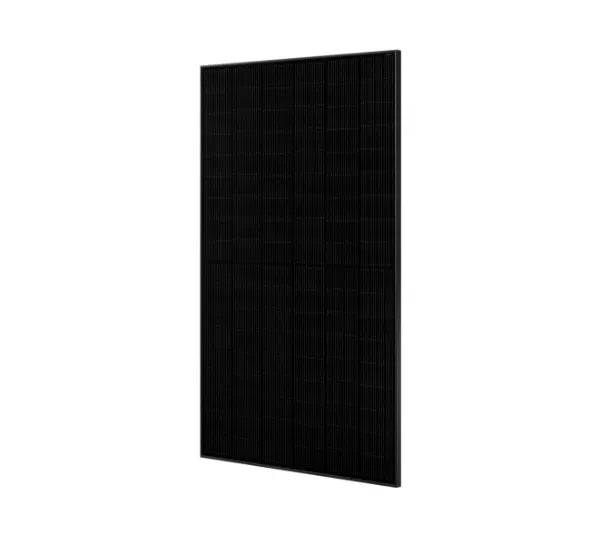
JA Solar JAM54D41 450W N-type TOPCon
£82450
22.8
1722 x 1134 x 30
21.5
Affiliate link — we may earn a small commission at no extra cost to you
When Is Shading Too Much?
There's no absolute cutoff, but as a general guide:
- Less than 10% annual shading loss: Install without concern (standard string inverter is fine)
- 10–25% annual shading loss: Install with optimisers or microinverters
- 25–40% annual shading loss: Still viable with optimisers/microinverters, but payback period extends
- Over 40% annual shading loss: Questionable whether solar is worthwhile on this specific roof; consider alternative locations
Your installer's generation estimate should account for shading and tell you the expected annual loss.
Shading and System Design
A skilled installer designs around shading rather than ignoring it:
- Using multiple MPPT inputs on the inverter to separate shaded and unshaded strings
- Choosing panel positions that avoid permanent shadow zones
- Recommending optimisers only on panels that actually experience shading (not necessarily every panel)
- Adjusting the generation estimate and payback calculation to reflect real-world shading
Share this article

OVO has carefully selected trusted teams across the UK to install solar panels and heat pumps. Enjoy the personal touch of a local expert with the peace of mind of a household name.
Affiliate link — we may earn a small commission at no extra cost to you
Stay informed
Get free solar updates direct to your inbox
Related reading
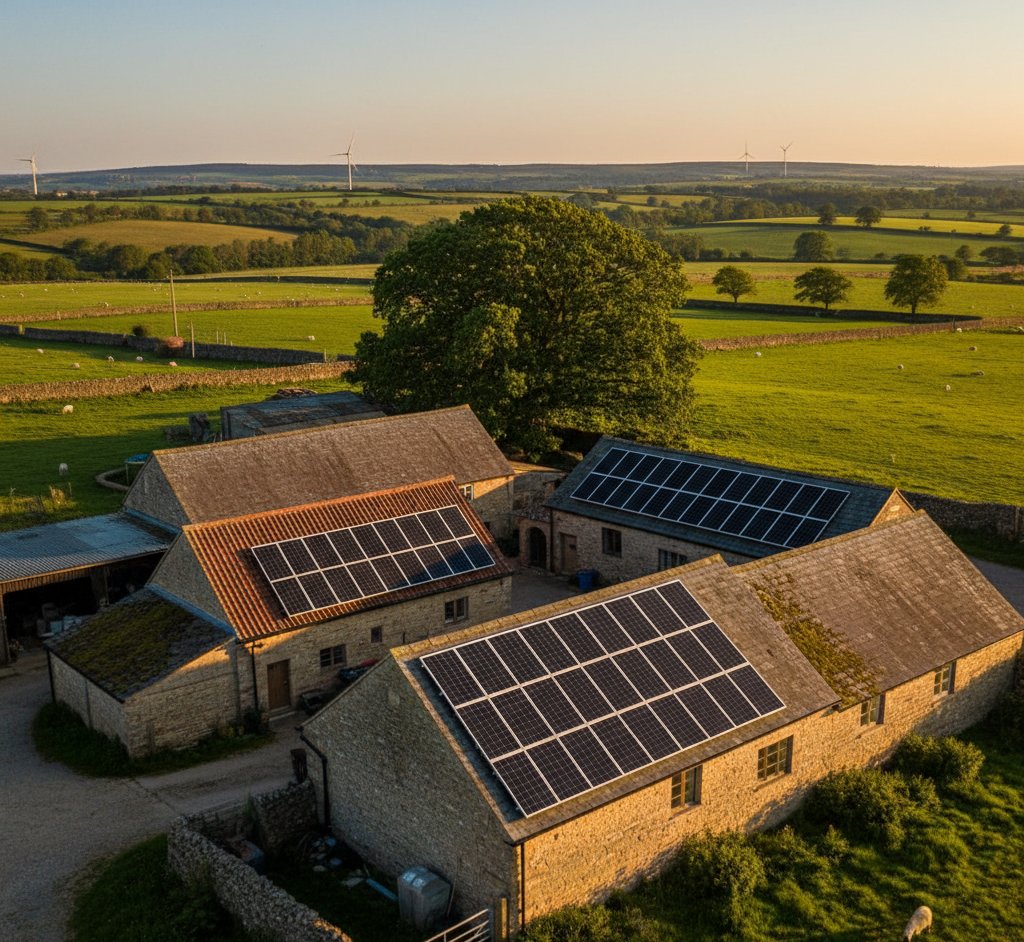
Roof Orientation and Solar: Direction Trade-Offs
How roof orientation affects solar panel performance in the UK. South, east, west, and north-facing roof output compared, plus split-orientation strategies.
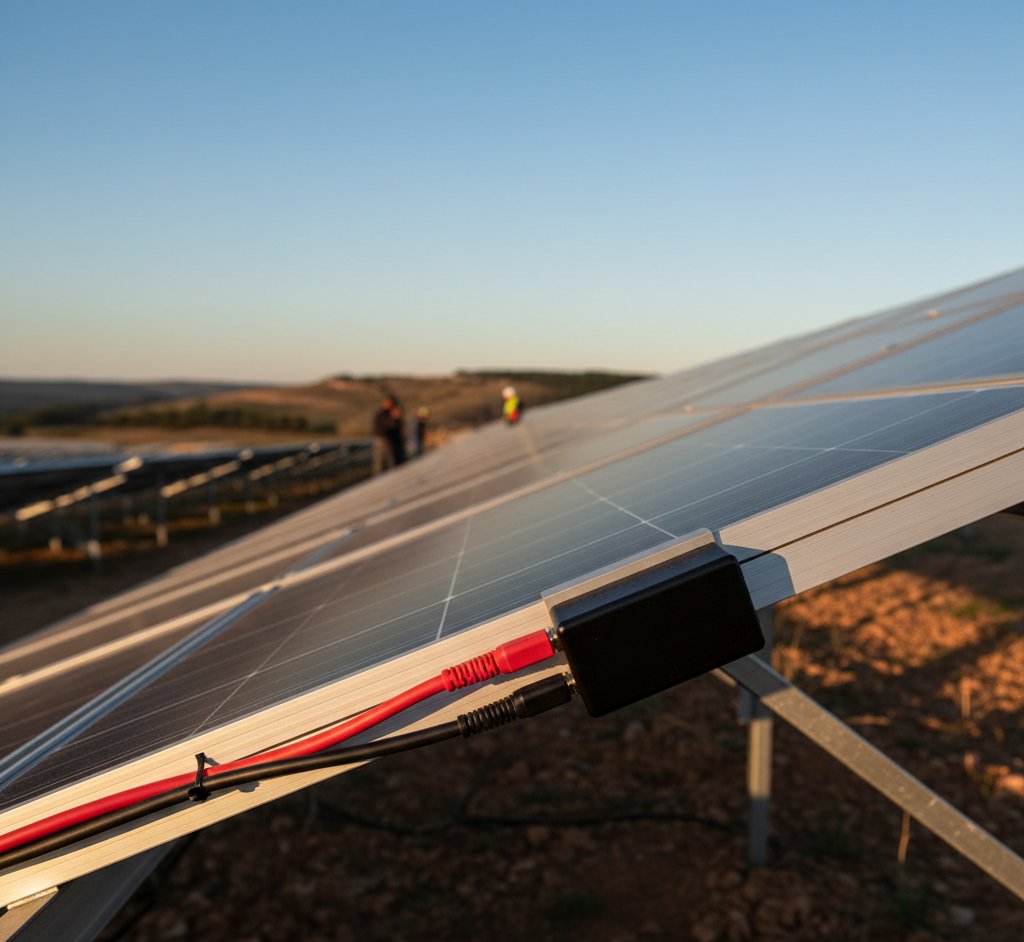
Optimisers vs Microinverters: Which Do You Need?
Power optimisers vs microinverters for solar panels: how they work, when you need them, cost differences, and which is best for UK installations.
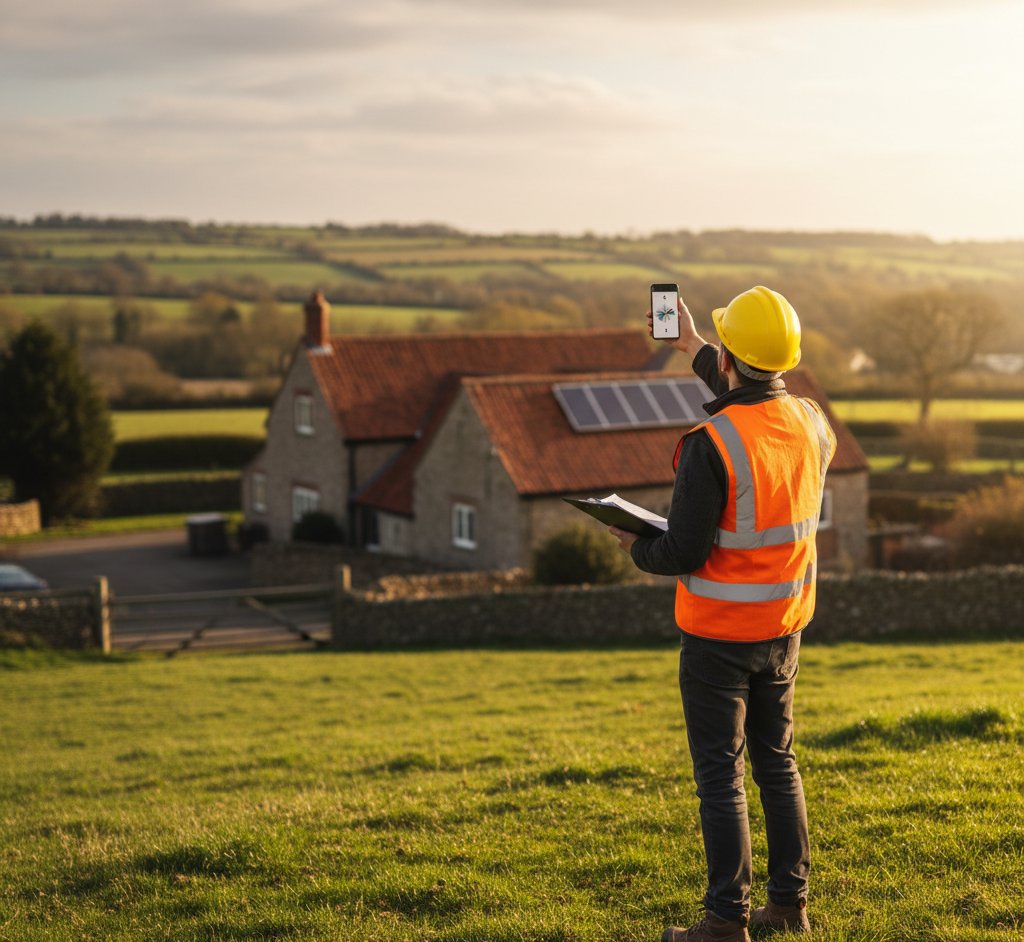
Is My Roof Suitable for Solar Panels?
Find out if your roof can take solar panels — covering direction, angle, shading, structural condition, and options for tricky roofs.


Switch to Octopus Energy
Get 50 credit when you switch. We get 50 too — win-win.
What does this mean for YOUR home?
Design your perfect solar setup in under 3 minutes. Free, no sign-up required.
Build Your Solar System