This page contains affiliate links. If you purchase through them we may earn a small commission at no extra cost to you. Learn more
Oversizing Your Solar System: Smart Strategy or Waste?
Why people consider oversizing
A standard UK solar system is typically sized to match annual electricity consumption — 3.5–4kW for an average household using 3,000–3,500 kWh per year.
But several factors argue for going bigger:
Future-proofing
Your electricity consumption will likely increase. An EV adds 2,000–4,000 kWh per year. A heat pump adds 3,000–5,000 kWh. A home office, hot tub, or growing family all increase demand. Installing extra capacity now costs far less than returning for a second installation later.
Marginal cost is low
The most expensive part of a solar installation isn't the panels — it's the scaffolding, labour, design, and paperwork. Once the installer is on your roof, adding two or three extra panels costs only £150–£250 per panel. Getting those same panels installed later as a separate job would cost far more.
Battery charging
A larger array fills a battery faster and more completely, especially during shoulder months (spring/autumn) when a smaller system might not produce enough surplus to fully charge. If you have or plan a battery, extra panels mean more stored energy.
Winter generation
In winter, a 4kW system might produce only 3–5 kWh on a short, cloudy day. A 6kW system produces 4.5–7.5 kWh — the difference between a partially charged battery and one that's nearly full. Oversizing helps most when generation is weakest.
The sweetest marginal kWh
The cheapest electricity you'll ever generate is from the last panel added to an existing installation. The fixed costs (scaffolding, inverter, wiring, commissioning) are already covered. That extra panel might cost £200 all-in and generate 400+ kWh/year for 25 years — over 10,000 kWh of electricity for £200. That's under 2p/kWh.
DC oversizing: more panels than inverter rating
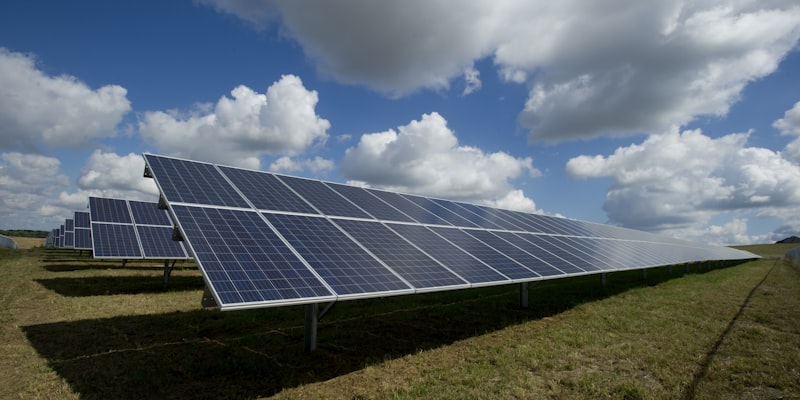
You can — and usually should — install more panel capacity (measured in kWp) than your inverter's rated output (measured in kW). This is called DC oversizing or DC:AC ratio.
Example: 5kW of panels on a 3.68kW inverter.
Why this works:
- Panels rarely produce their full rated output. The 450W rating is at perfect conditions (Standard Test Conditions at 25°C, 1000W/m² irradiance). In UK conditions, panels typically produce 60–80% of their rating.
- A 3.68kW inverter connected to 5kW of panels will clip output on the very sunniest hours of the year (maybe 50–100 hours total) but will generate significantly more electricity during the remaining 4,000+ hours of daylight.
- The net annual gain from extra panels far outweighs the small amount of energy lost to clipping.
Typical DC:AC ratios:
- 1.0:1 — conservative, misses potential
- 1.2:1 — reasonable default
- 1.3–1.5:1 — aggressive but often optimal in the UK
- Above 1.5:1 — diminishing returns, more clipping
Your installer should model the specific clipping losses for your system. In general, DC oversizing by 20–35% above inverter rating is good practice.
The G98/G99 consideration
In the UK, the grid connection rules create a significant threshold:
- G98 (up to 3.68kW export): Simple notification to your DNO. No delays — install and connect.
- G99 (above 3.68kW export): Full application to the DNO. Processing takes 11–16+ weeks, sometimes with grid reinforcement requirements and costs.
This is about export capacity (inverter AC output), not panel capacity. You can install 6kW of panels on a 3.68kW inverter and stay under G98.
However, if you want a larger inverter (5kW or above) to avoid clipping and maximise generation, you need G99. This adds:
- 11–16 weeks of waiting (sometimes longer)
- Application paperwork
- Potential DNO requirements for export limiting, additional protection relays, or even grid reinforcement
For some households, the delay and uncertainty of G99 isn't worth it. For others — especially those planning an EV, heat pump, or large battery — the extra capacity justifies the process.
Export limiting as a G99 workaround
Some installers configure a larger inverter (e.g., 5kW) with export limiting set to 3.68kW, then apply under G98. This is a grey area — technically the inverter is capable of exporting more than 3.68kW, and some DNOs don't accept this approach. Discuss with your installer whether this is accepted in your DNO region.
When oversizing makes sense
You have the roof space
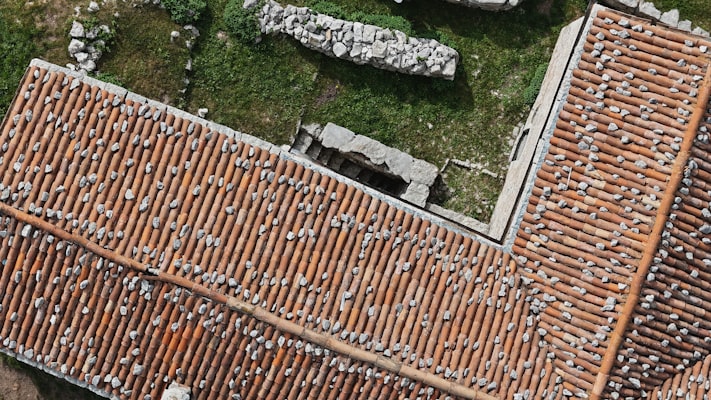
Extra panels only work if you have somewhere to put them. If your south-facing roof is full, panels on east or west faces still produce 80–85% as much — well worth installing if the marginal cost is low.
You're planning an EV or heat pump
If an EV is in your 2–3 year plan, oversizing by 1.5–2kW now is far cheaper than a second installation later. An EV adds roughly 2,500 kWh/year to your consumption — that's an extra 6–8 panels.
Your installer offers good marginal pricing
Ask your installer for the cost of adding 2–4 extra panels to your quote. If the marginal cost is £150–£250 per panel, it's almost always worth it. If they quote the same per-panel price as the base system, negotiate — the fixed costs are already covered.
You have a battery or plan one
More panels + battery = more self-consumption = more savings. An oversized array fills the battery on more days of the year, particularly in the less sunny months.
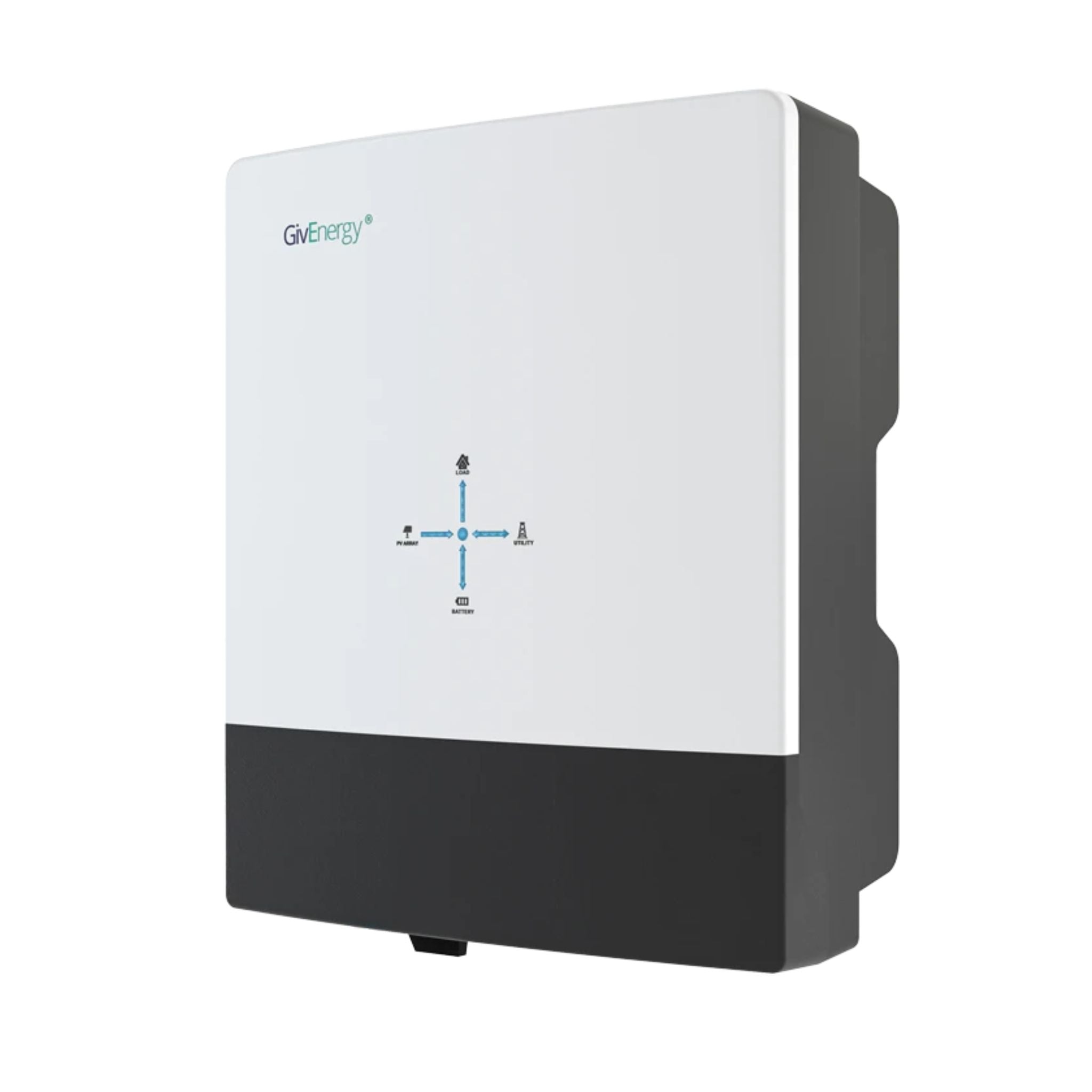
GivEnergy All-in-One 5kW Hybrid Inverter
£1,2005
7.5
2
48V
Affiliate link — we may earn a small commission at no extra cost to you
When oversizing doesn't make sense
No battery and small daytime consumption
If you're out all day, have no battery, and no plans for EV/heat pump, extra panels just generate more export at 12p/kWh. The payback on extra panels from export income alone is still longer (8–12 years).
Shading constraints
Extra panels in a heavily shaded area of your roof may produce disappointing results. Oversizing only works if the additional panels have reasonable sunlight exposure.
Budget constraints
If the budget is tight, the base system with a well-sized battery delivers better value than extra panels without a battery. Prioritise the battery over extra panels in most cases.
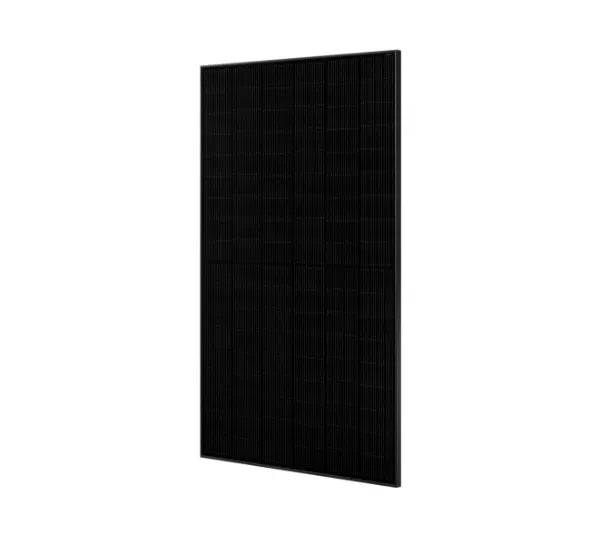
JA Solar JAM54D41 450W N-type TOPCon
£82450
22.8
1722 x 1134 x 30
21.5
Affiliate link — we may earn a small commission at no extra cost to you
Worked example
Base quote: 8 x 410W panels (3.28kWp) + 3.68kW inverter = £5,500 With 4 extra panels: 12 x 410W panels (4.92kWp) + same inverter = £6,200
Extra cost: £700 for 1.64kWp extra. Extra generation: ~650 kWh/year (after some clipping). Extra savings: £160–£190/year (self-consumption + export). Payback on extra panels: ~4 years. Lifetime extra value: ~£3,500–£4,000 over 25 years.
That's a 500%+ return on the £700 investment.
The bottom line
For most UK installations in 2026, oversizing by 20–40% above your current consumption is a smart investment. The marginal cost is low, the future-proofing value is high, and you'll rarely regret having more generation capacity.
The only thing you might regret is looking at your half-empty roof and thinking "I should have added those extra panels when the scaffolding was up."
Energy independence meter
What percentage of your electricity comes from your own roof? Slide to explore.
Generated
3,600 kWh
Self-used
1,440 kWh
From grid
2,060 kWh
Grid cost
£505/yr
Share this article

OVO has carefully selected trusted teams across the UK to install solar panels and heat pumps. Enjoy the personal touch of a local expert with the peace of mind of a household name.
Affiliate link — we may earn a small commission at no extra cost to you
Stay informed
Get free solar updates direct to your inbox
Related reading

How Much Do Solar Panels Cost in the UK in 2026?
Realistic UK solar panel costs broken down by system size, installation, and what actually affects the price you'll be quoted.
Solar Inverters Explained: Types, Sizing, and Real-World Limits
String, micro, and hybrid inverters explained clearly — plus the critical G98/G99 threshold at 3.68kW and what it means for what you can run simultaneously.
Battery Sizing Sweet Spot: How Big Is Big Enough?
How to choose the right battery size for your UK solar system. The sweet spot between too small, too big, and just right based on your consumption patterns.


Switch to Octopus Energy
Get 50 credit when you switch. We get 50 too — win-win.
What does this mean for YOUR home?
Design your perfect solar setup in under 3 minutes. Free, no sign-up required.
Build Your Solar System