This page contains affiliate links. If you purchase through them we may earn a small commission at no extra cost to you. Learn more
Battery Sizing Sweet Spot: How Big Is Big Enough?
Why size matters
An undersized battery fills quickly, leaving surplus solar to export at low SEG rates. An oversized battery costs more upfront and may never fully charge from solar alone, meaning you're paying for capacity you don't use.
The sweet spot is a battery that:
- Fills from daily solar surplus most days (spring through autumn)
- Empties through evening/overnight consumption
- Cycles once per day (maximising the financial return per kWh of capacity)
The calculation
Step 1: Know your evening consumption
Your evening/overnight consumption is the energy you use from when solar generation effectively stops (late afternoon) until it restarts (mid-morning). For most UK households:
- Low consumption (couple, energy-efficient): 4–6 kWh
- Average household (3–4 people): 6–10 kWh
- High consumption (large family, electric heating, EV): 10–15+ kWh
Check your smart meter data or inverter monitoring to get an accurate figure.
Step 2: Know your solar surplus
How much excess solar do you generate on a typical day? This varies enormously by season:
For a 4kW south-facing system:
- June: 10–15 kWh surplus per day (after daytime consumption)
- March/September: 4–8 kWh surplus
- December: 0–2 kWh surplus
Your battery needs to be small enough to fill from surplus on spring/autumn days (when the financial benefit is highest) and large enough to cover most of your evening consumption.
Step 3: Match battery to the lower of these two figures
If your evening consumption is 8 kWh and your spring/autumn surplus averages 6 kWh, a 6–8 kWh battery makes sense. Going to 10 kWh means the battery won't fully charge from solar in spring — though if you're doing grid charging on a cheap tariff, this matters less.
A simple rule of thumb
For a system without tariff arbitrage: battery capacity (kWh) should be roughly equal to your solar array size (kWp). So a 4kW array pairs well with a 4–5kWh battery. A 6kW array pairs with a 6–8kWh battery. This isn't precise, but it's a reasonable starting point.
Common scenarios
Scenario 1: 4kW solar, average household, no EV
Evening consumption: 7 kWh Spring surplus: 5–8 kWh Recommended battery: 5–8 kWh
A 5kWh battery (like the GivEnergy 5.2kWh) will fill from solar most days April–September and cover most evening consumption. A larger 8–10kWh battery fills less often from solar alone but provides more overnight coverage.
Sweet spot: 5–6 kWh (purely solar self-consumption) With arbitrage: 8–10 kWh (grid charges the extra capacity overnight cheaply)
Scenario 2: 6kW solar, family of 4, EV
Evening consumption: 10–12 kWh (including some EV charging) Spring surplus: 8–12 kWh Recommended battery: 10–13 kWh
Larger consumption and larger solar array justify a bigger battery. The EV adds significant evening/overnight consumption that the battery can offset.
Sweet spot: 10 kWh (solar self-consumption) With arbitrage: 13–15 kWh (maximise cheap grid charging for EV and household)
Scenario 3: 4kW solar, retired couple, home all day
Evening consumption: 4–5 kWh (low because much consumption happens during solar hours) Spring surplus: 3–5 kWh (lower because more is consumed directly during the day) Recommended battery: 3–5 kWh
A smaller battery makes sense because daytime self-consumption is already high. The battery covers the evening gap, which is modest.
Sweet spot: 3–5 kWh
The arbitrage multiplier
If you're on a time-of-use tariff and actively doing battery arbitrage (charging overnight at 5.5–8p/kWh on Go or Agile, using during peak at 24–32p/kWh), a larger battery earns its keep even if solar alone doesn't fill it.
Each additional kWh of battery capacity doing daily arbitrage earns roughly 15–22p/day (the spread between cheap and peak rates, minus efficiency losses). Over a year, that's £55–£80 per kWh of capacity.
At a battery cost of £300–£400/kWh installed, the payback on arbitrage alone is 4–7 years per kWh. This makes going larger than pure solar self-consumption would suggest quite attractive.
| Battery size | Cost (approx.) | Annual arbitrage value | Annual solar self-consumption value | Total annual value | Payback |
|---|---|---|---|---|---|
| 5 kWh | £1,800–£2,500 | £275–£365 | £250–£350 | £525–£715 | 3–5 years |
| 10 kWh | £3,500–£5,000 | £550–£730 | £350–£450 | £900–£1,180 | 3–5 years |
| 15 kWh | £5,000–£7,000 | £825–£1,095 | £375–£475 | £1,200–£1,570 | 4–5 years |
Diminishing returns on very large batteries
Beyond about 15kWh for a typical UK household, the additional value per kWh starts to fall. You can only cycle the battery once per day (limited by cheap tariff window length and evening consumption). A 20kWh battery that only cycles 70% daily wastes 30% of its capacity. Size the battery to what you can actually cycle, not to a theoretical maximum.
Modular expansion
Many battery systems allow expansion. GivEnergy batteries can be stacked from 2.6kWh to 24kWh+. This means you can start smaller and add capacity later as:
- Your consumption patterns become clearer
- You add an EV or heat pump
- Battery prices fall
- You gain confidence with tariff arbitrage
Starting with 5kWh and expanding to 10kWh a year later is a valid strategy, though adding batteries later costs slightly more per kWh than buying the full capacity upfront (due to additional installation labour).
The honest answer
For most UK households with a 4–6kW solar system:
- Minimum useful size: 5 kWh
- Sweet spot for self-consumption: 5–8 kWh
- Sweet spot with tariff arbitrage: 8–13 kWh
- Maximum practical size: 13–15 kWh (beyond this, diminishing returns)
When in doubt, err slightly larger rather than smaller. The additional cost of 2–3 extra kWh is modest, and you'll never regret having capacity available for future use.
This is the model most UK installers are fitting for the 5-10kWh sweet spot:
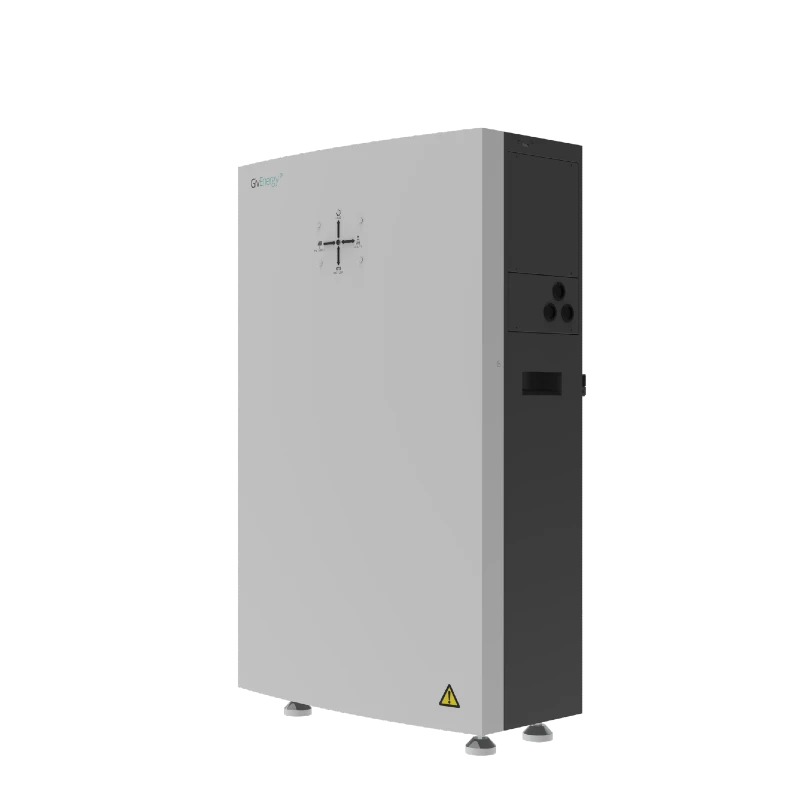
GivEnergy All-in-One 9.5kWh Battery
£5,5009.5
8.6
LFP
6000
Affiliate link — we may earn a small commission at no extra cost to you
For a budget-friendly DIY option that's easy to scale in 5kWh increments:
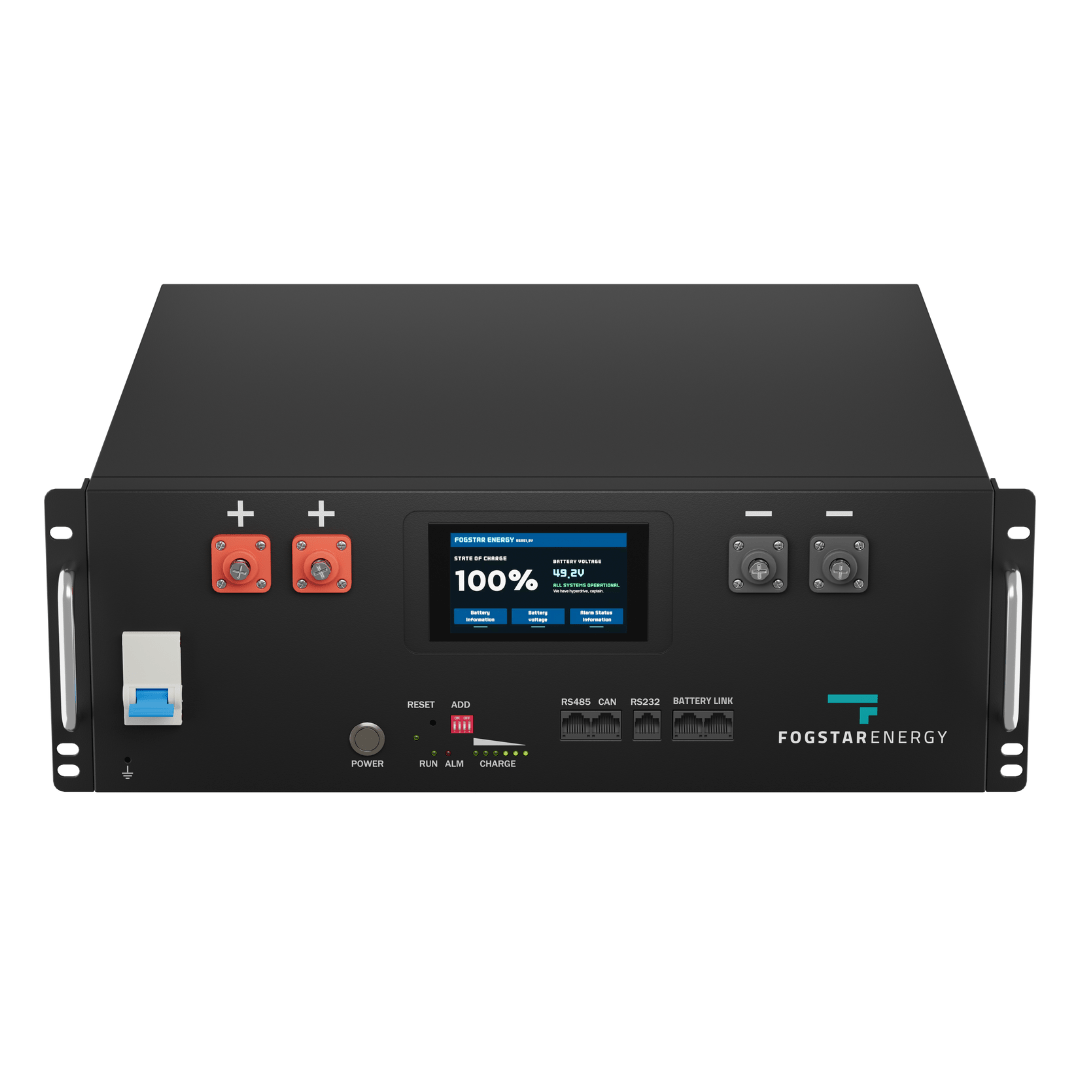
Fogstar Drift 5.12kWh LiFePO4 Battery
£1,5005.12
5
LFP
6000
Affiliate link — we may earn a small commission at no extra cost to you
Energy independence meter
What percentage of your electricity comes from your own roof? Slide to explore.
Generated
3,600 kWh
Self-used
1,440 kWh
From grid
2,060 kWh
Grid cost
£505/yr
Share this article

OVO has carefully selected trusted teams across the UK to install solar panels and heat pumps. Enjoy the personal touch of a local expert with the peace of mind of a household name.
Affiliate link — we may earn a small commission at no extra cost to you
Stay informed
Get free solar updates direct to your inbox
Related reading
Solar Battery Storage: Complete UK Guide 2026
Everything you need to know about adding battery storage to a UK solar installation — types, sizing, costs, and which products are worth considering in 2026.

How Much Do Solar Panels Cost in the UK in 2026?
Realistic UK solar panel costs broken down by system size, installation, and what actually affects the price you'll be quoted.
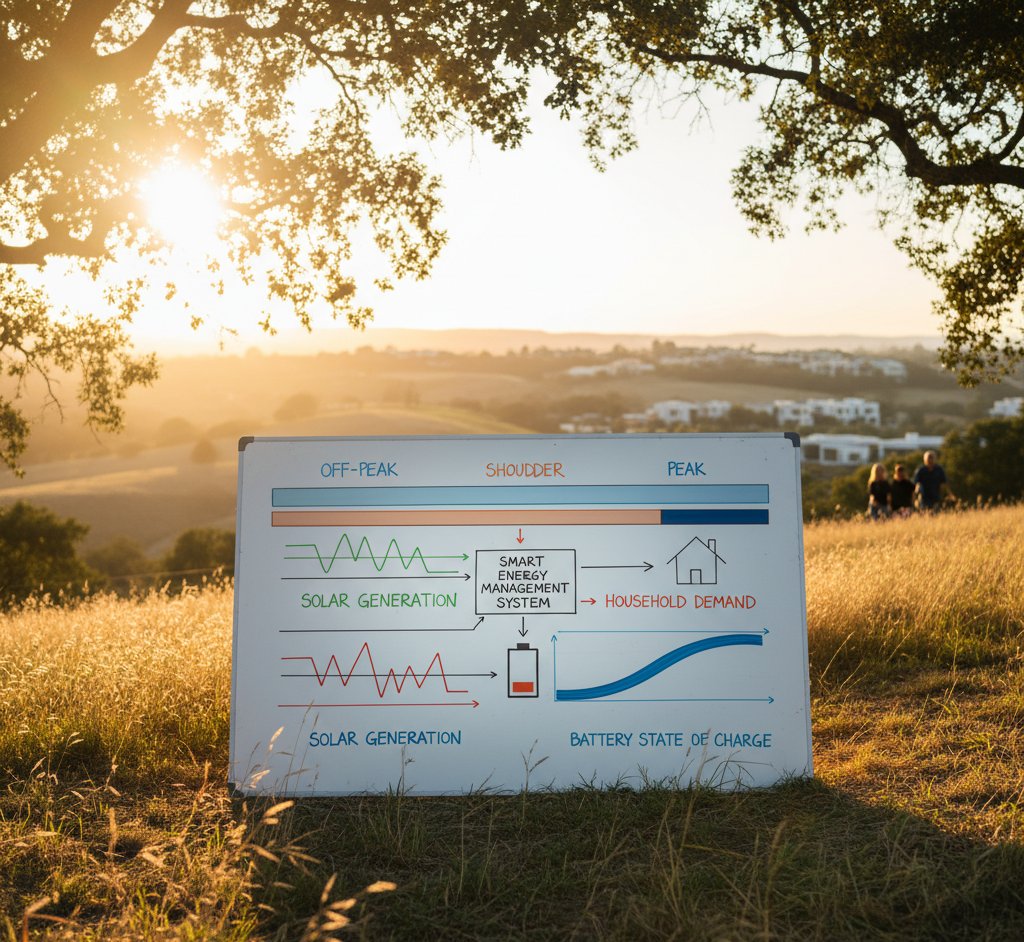
Tariff Stacking: Combining Solar, Battery, and Smart Tariffs
How to stack solar self-consumption, battery arbitrage, export tariffs, and smart import tariffs for maximum savings. A UK guide to tariff optimisation.


Switch to Octopus Energy
Get 50 credit when you switch. We get 50 too — win-win.
What does this mean for YOUR home?
Design your perfect solar setup in under 3 minutes. Free, no sign-up required.
Build Your Solar System