This page contains affiliate links. If you purchase through them we may earn a small commission at no extra cost to you. Learn more
Reading PV Datasheets: What the Numbers Actually Mean
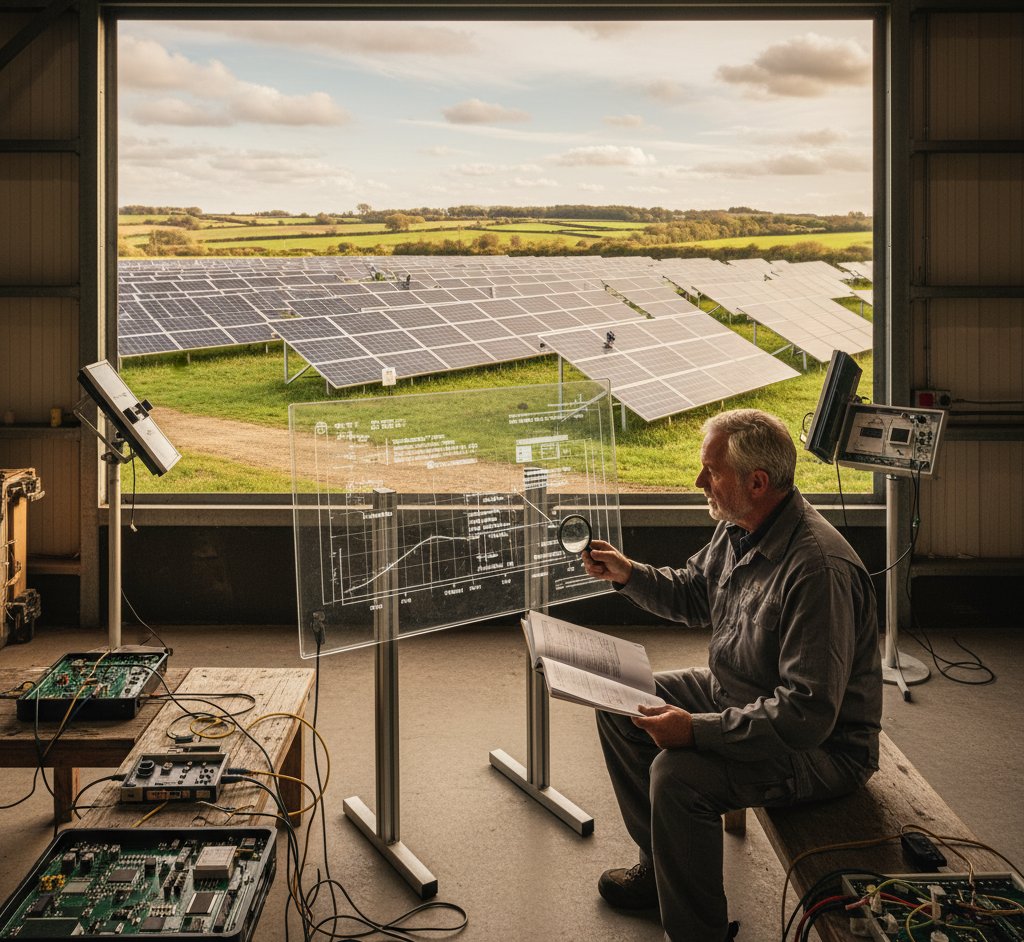
Every solar panel comes with a datasheet full of technical specifications. Most homeowners never look at them, but understanding a few key numbers helps you compare panels, verify installer claims, and ensure you're getting good equipment. Here's a plain-English guide to every important specification.
Standard Test Conditions (STC)
Before diving into individual specs, understand this: almost every number on a datasheet is measured at Standard Test Conditions:
- Irradiance: 1,000 W/m² (bright sunshine — achievable but not constant in the UK)
- Cell temperature: 25°C (much cooler than panels get in real use)
- Air mass: AM1.5 (standard atmospheric thickness)
STC numbers are useful for comparing panels against each other, but they overstate real-world performance because UK conditions are rarely at STC. Expect 70–85% of STC ratings in typical UK operation.
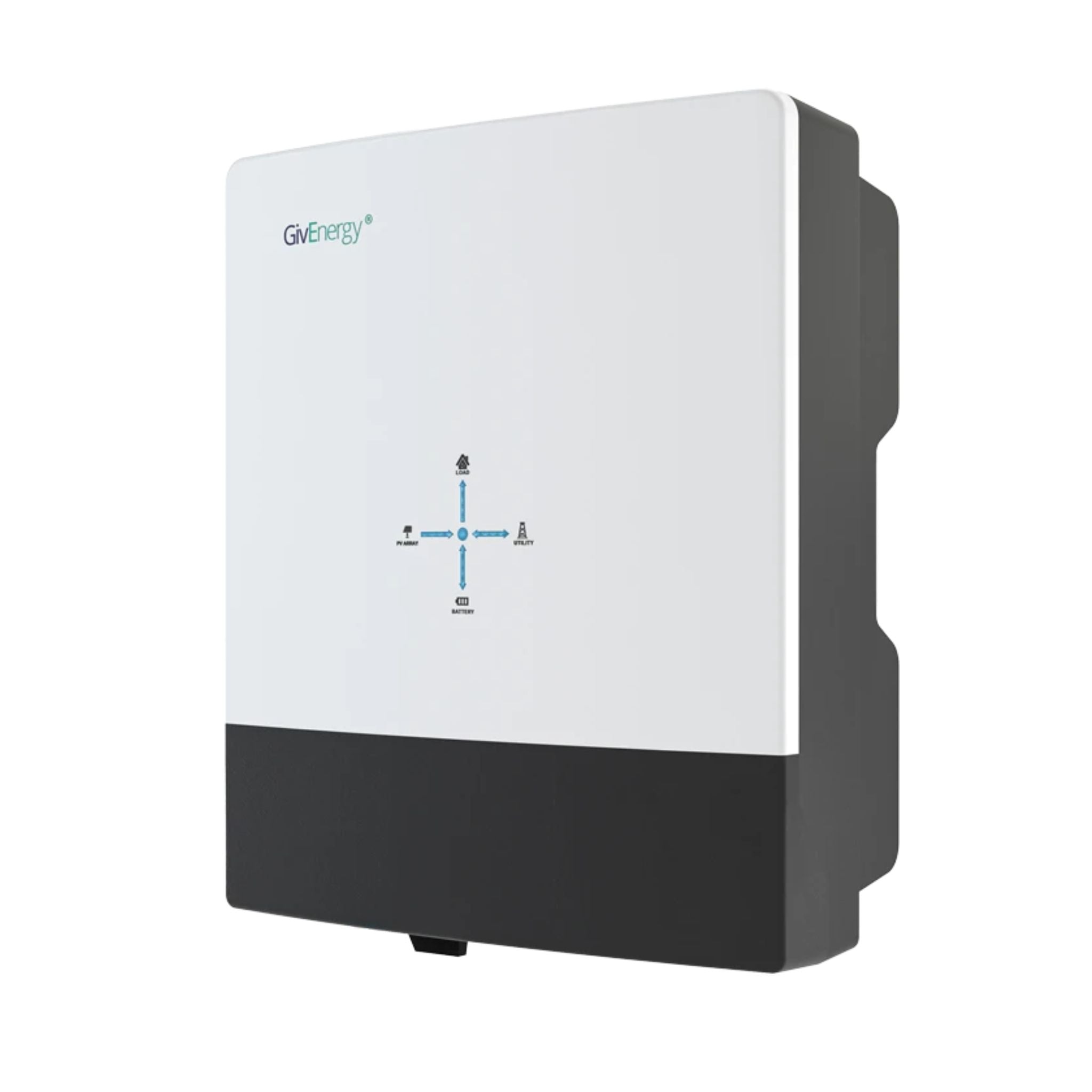
GivEnergy All-in-One 5kW Hybrid Inverter
£1,2005
7.5
2
48V
Affiliate link — we may earn a small commission at no extra cost to you
The Key Specifications
Nominal Power (Wp)
What it means: The panel's maximum output under STC, measured in watts peak (Wp). A "400W panel" produces 400W at STC.
What to look for: Higher is generally better, but compare panels of similar physical size. A 400W panel that's the same size as a 380W panel is more efficient.
Typical range: 380–435W for standard residential panels (2024–2026).
Module Efficiency (%)
What it means: The percentage of sunlight energy hitting the panel that gets converted to electricity.
What to look for: Higher efficiency means more power from less roof space. If roof space is limited, efficiency matters a lot.
Typical range:
- Budget panels: 19–20%
- Mid-range: 20–21.5%
- Premium: 21.5–23%
The maths: A 1.7m² panel at 21% efficiency under 1,000 W/m² irradiance produces: 1,000 x 1.7 x 0.21 = 357W. At 23% efficiency: 391W.
Efficiency vs Total Output
A higher-efficiency panel produces more power per square metre, but if you have plenty of roof space, total system output (number of panels x wattage) matters more than individual panel efficiency. Don't pay a premium for efficiency you don't need.
Open Circuit Voltage (Voc)
What it means: The voltage the panel produces when no current is flowing (disconnected from a load). This is the maximum voltage the panel can produce.
Why it matters: Your installer uses Voc to calculate string voltages and ensure they don't exceed the inverter's maximum input voltage, especially in cold weather when Voc increases.
Typical range: 37–50V per panel.
Short Circuit Current (Isc)
What it means: The maximum current the panel can produce when the output terminals are directly connected (short-circuited). This is the maximum current under any conditions.
Why it matters: Used for cable sizing and fuse selection. Panels in the same string must have similar Isc values.
Typical range: 10–14A.
Maximum Power Voltage (Vmp)
What it means: The voltage at which the panel produces maximum power. This is where the MPPT controller targets operation.
Typical range: 30–42V.
Maximum Power Current (Imp)
What it means: The current at maximum power. Vmp x Imp = Wp (the rated power).
Typical range: 9.5–13A.
Temperature Coefficients
This is one of the most underappreciated specifications.
Temperature coefficient of Pmax (power): Shows how much power output changes per degree Celsius above or below 25°C. Expressed as a percentage per °C.
- Typical range: -0.30% to -0.40% per °C
- What it means: On a summer day when cell temperature reaches 60°C (35°C above STC), a panel with -0.35%/°C loses: 35 x 0.35% = 12.25% of its rated output
Lower (closer to 0%) is better. A panel with -0.30%/°C loses less output in hot weather than one with -0.40%/°C.
Temperature coefficient of Voc (voltage): Shows how voltage changes with temperature. Important for string sizing — cold panels produce higher voltage.
Hot Panels Produce Less
Solar panels get hot in direct sunlight — cell temperatures can reach 60–70°C even in the UK. The temperature coefficient means real-world output on a hot summer day is typically 10–15% below the STC rating. This is normal and should be factored into generation estimates. Panels with lower temperature coefficients (n-type cells, like HJT) perform better in heat.
NOCT / NMOT Rating

NOCT (Nominal Operating Cell Temperature) or NMOT (Nominal Module Operating Temperature) is a more realistic performance rating:
- Irradiance: 800 W/m²
- Ambient temperature: 20°C
- Wind speed: 1 m/s
NOCT power ratings are typically 70–75% of STC ratings. They're closer to real-world UK performance and useful for more accurate generation estimates.
Warranty Specifications
Product warranty: Covers manufacturing defects. Look for 15–25 years (25 is now standard from quality manufacturers).
Performance warranty: Guarantees minimum output at specified years:
- Year 1: 97–98% of rated power
- Year 25: 80–87.4% of rated power
- Year 30: 83.1–84.8% (some manufacturers)
A 30-year performance warranty with 84.8% guaranteed output at year 30 is excellent.
Physical Specifications
- Dimensions: Typically 1,720–1,760mm x 1,130–1,140mm for standard 60/66 half-cell panels
- Weight: 20–22kg per panel
- Frame: Aluminium alloy (usually anodised). Check frame thickness — 30mm+ is robust
- Glass: 3.2mm tempered glass (standard). Some panels have 2mm glass (lighter but less durable)
- Connector type: MC4 is the universal standard. Ensure compatibility with your mounting system
Mechanical Load Ratings
- Front load (snow/wind): 5,400 Pa is standard (roughly 550 kg/m²)
- Rear load (wind uplift): 2,400 Pa is standard (roughly 245 kg/m²)
These are more than adequate for UK conditions.
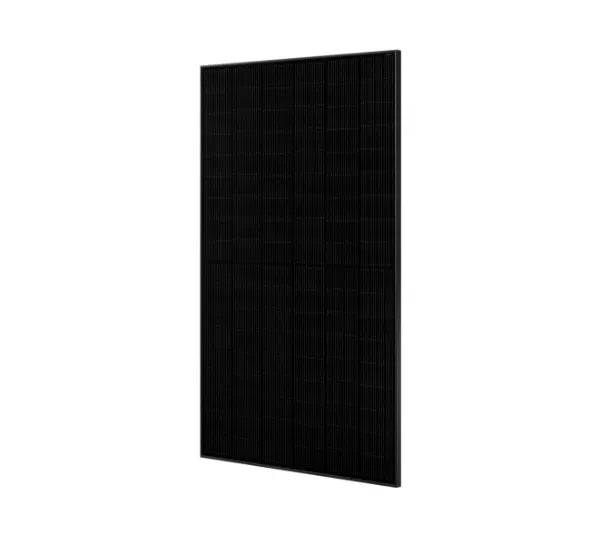
JA Solar JAM54D41 450W N-type TOPCon
£82450
22.8
1722 x 1134 x 30
21.5
Affiliate link — we may earn a small commission at no extra cost to you
Comparing Two Real Panels
Here's what a comparison looks like in practice:
What Really Matters for UK Homeowners?
Of all the datasheet specifications, these matter most in practical terms:
- Wattage (Wp) — Determines how many panels you need for your target system size
- Efficiency — Matters if roof space is limited
- Temperature coefficient — Affects real-world summer performance
- Warranty terms — Your financial protection over 25–30 years
- Physical size and weight — Must fit your roof and be within structural limits
Everything else is important for your installer's system design but doesn't need to drive your purchasing decision.
Share this article

OVO has carefully selected trusted teams across the UK to install solar panels and heat pumps. Enjoy the personal touch of a local expert with the peace of mind of a household name.
Affiliate link — we may earn a small commission at no extra cost to you
Stay informed
Get free solar updates direct to your inbox
Related reading
Solar Panel Efficiency: What It Means and Why It's Not Everything
Panel efficiency explained plainly — what the percentage actually means, why the gap between 20% and 22% barely matters for most UK homes, and what you should actually be comparing.

Best Solar Panels for UK Homes 2026
An honest look at the best solar panels available for UK homes in 2026 — covering JA Solar, Trina, Canadian Solar, and LONGi, with real specs and what to look for.

Solar Inverters Explained: Types, Sizing, and Real-World Limits
String, micro, and hybrid inverters explained clearly — plus the critical G98/G99 threshold at 3.68kW and what it means for what you can run simultaneously.


Switch to Octopus Energy
Get 50 credit when you switch. We get 50 too — win-win.
What does this mean for YOUR home?
Design your perfect solar setup in under 3 minutes. Free, no sign-up required.
Build Your Solar System