This page contains affiliate links. If you purchase through them we may earn a small commission at no extra cost to you. Learn more
Reporting Solar Panel Scams and Rogue Installers
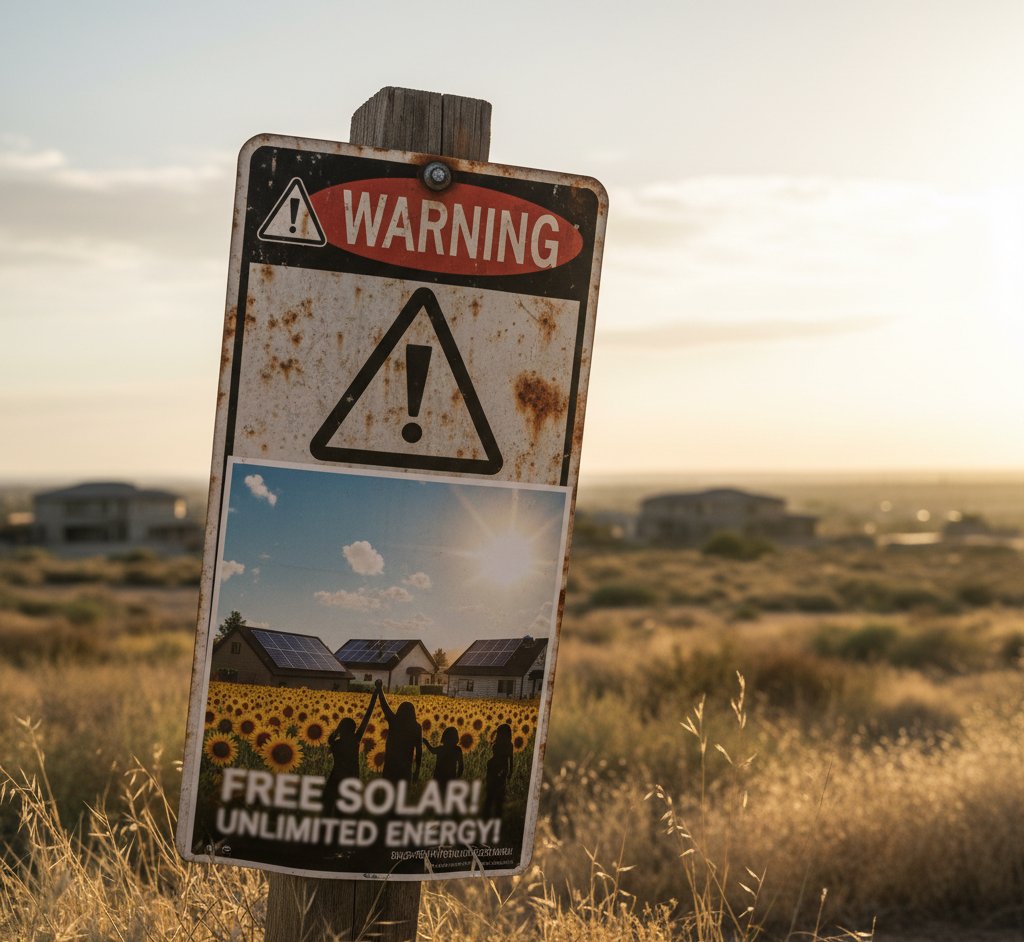
The solar industry is mostly reputable, but scams and rogue traders exist. Knowing what to watch for, how to protect yourself, and where to report problems can save you thousands of pounds and significant stress.
Common Solar Scams and Red Flags
1. Fake Government Grant Calls
"You've been selected for a free government solar panel scheme." This is almost always a scam. While genuine grants exist (ECO4, HUG), they don't work by cold-calling random numbers. Genuine grant schemes are applied for through your local authority or energy supplier.
2. Pressure Selling
"This price is only available if you sign today." Any installer using high-pressure tactics is a red flag. Legitimate businesses allow time for consideration, comparison quotes, and due diligence. A cooling-off period is a legal requirement for doorstep sales.
3. Dramatically Inflated Prices
Systems quoted at £15,000–£20,000 for a standard 4kW installation (fair price: £6,000–£8,000). Often combined with 0% finance that hides the true cost. Always get multiple quotes.
4. Non-MCS Installation
An installer who claims MCS certification isn't needed, or who offers a "cheaper" non-certified installation. Without MCS, you can't claim SEG payments, may void your roof warranty, and have no industry recourse if things go wrong.
5. Fake or Lapsed MCS Certification
Some rogue traders claim to be MCS-certified but aren't, or their certification has lapsed. Always verify on the MCS database: mcscertified.com/find-an-installer
6. Deposit Theft
An installer takes a large deposit (sometimes the full amount) and then disappears or becomes uncontactable. Never pay more than 10–25% as a deposit, and use a credit card for payments over £100.
7. Inferior Equipment Substitution
The quote specifies premium panels and inverter, but cheaper alternatives are installed. Always check the equipment installed matches the specification quoted.
Never Pay Cash or Bank Transfer in Full Upfront
If an installer insists on full payment before starting work, this is a major red flag. Standard payment terms are: deposit (10–25%) at contract signing, balance on satisfactory completion. Use a credit card for at least part of the payment — Section 75 gives you protection if the installer doesn't deliver.
How to Protect Yourself
Before Signing
- Verify MCS certification — check mcscertified.com/find-an-installer
- Check Companies House — search for the company and check its history, filing status, and any insolvency flags
- Read reviews — Trustpilot, Google Reviews, Which? Trusted Traders, local Facebook groups
- Get 3+ quotes — compare prices, specifications, and terms
- Check insurance — ask for proof of public liability insurance
- Read the contract — every clause, especially cancellation terms and payment schedule
- Use a credit card — Section 75 protection for purchases between £100 and £30,000
During Installation
- Check equipment — verify the panels, inverter, and battery match the specification
- Document everything — photographs of the installation in progress
- Don't sign completion until you're satisfied the system works correctly
- Get the MCS certificate — this should be provided within weeks of installation
- Get the building regulations certificate — Part P electrical compliance
After Installation
- Test the system — is it generating? Is the monitoring app working?
- Register for SEG — using the MCS certificate
- Keep all documentation — contracts, certificates, correspondence
- Review the generation data — does output match what was promised?
Where to Report Problems
Trading Standards (Local Authority)
Your first port of call for rogue traders. Contact via Citizens Advice consumer helpline: 0808 223 1133 or through your local council.
What they handle: Misleading sales practices, failure to provide services paid for, faulty installations, pressure selling.
Action Fraud
The UK's national fraud reporting service. Report online at actionfraud.police.uk or call 0300 123 2040.
What they handle: Deposit theft, fake companies, identity fraud, fake grant schemes.
MCS Complaints Process
If the installer is MCS-certified, you can complain through the MCS disputes process. MCS can investigate and ultimately remove certification from persistent offenders.
What they handle: Substandard installations, non-compliance with MCS standards, certification issues.
Financial Ombudsman Service
If you have a dispute related to finance (0% finance deal, green loan), the Financial Ombudsman can investigate.
Energy Ombudsman
If your SEG supplier is causing issues with export payments.
Your Credit Card Provider
If you paid by credit card and the installer has failed to deliver, claim under Section 75 of the Consumer Credit Act. Your credit card company is jointly liable for purchases between £100 and £30,000.
Section 75 Is Powerful
If you paid even a small portion of the total cost by credit card (and the total is between £100 and £30,000), your credit card company is jointly liable for any breach of contract or misrepresentation. This means if the installer goes bust, installs the wrong equipment, or fails to complete the work, you can claim the full amount back from your credit card company. Always pay at least the deposit by credit card.
Your Legal Rights
Consumer Rights Act 2015
Services must be performed with reasonable care and skill, as described, and within a reasonable time. If the installation is substandard, you're entitled to:
- A repeat performance (fixing the problems at no cost)
- Or a price reduction
Consumer Contracts Regulations 2013
For contracts signed away from business premises (e.g., at your home), you have a 14-day cooling-off period. Cancel in writing within 14 days for a full refund.
Misrepresentation Act 1967
If the installer made false claims about generation, savings, or equipment specification that influenced your decision, you may have grounds for rescinding the contract.
What Good Installers Do
For contrast, reputable solar installers:
- Provide written quotes with clear specifications
- Allow time for comparison without pressure
- Are MCS-certified (verifiable on the MCS database)
- Carry public liability insurance
- Offer standard payment terms (deposit + balance on completion)
- Provide all documentation (MCS certificate, warranties, Part P certificate)
- Explain what the system will realistically generate
- Offer aftercare and respond to post-installation queries
See our choosing a solar installer guide for detailed criteria.
If You've Already Been Scammed
- Gather all evidence — contracts, communications, photographs, bank statements
- Report to Action Fraud — get a crime reference number
- Contact Trading Standards — via Citizens Advice
- Claim on your credit card — if applicable (Section 75)
- Contact the MCS — if the installer claimed MCS certification
- Seek legal advice — a consumer rights solicitor can assess your case (many offer free initial consultations)
- Share your experience — leave honest reviews to warn others
The sooner you act, the better your chances of recovery. Don't be embarrassed — solar scams target savvy people too, and reporting helps protect others.
Share this article

EcoFlow makes portable power stations and solar panels for home backup, off-grid, and solar storage without installation. The Delta Pro is the UK community favourite.
Affiliate link — we may earn a small commission at no extra cost to you
Stay informed
Get free solar updates direct to your inbox
Related reading
How to Choose a Solar Installer: Red Flags and Green Flags
How to choose a reliable solar panel installer in the UK. What to look for, what to avoid, essential questions to ask, and how to compare quotes properly.

Getting Solar Panel Quotes: What to Expect
How many quotes to get, what a good solar quote looks like, the right questions to ask, and how to compare quotes properly.
MCS Certification Explained: Why It Matters for Your Solar Installation
What MCS certification is, why it's essential for SEG payments, grants, and insurance, and how to verify your installer is genuinely certified before signing a contract.


Switch to Octopus Energy
Get 50 credit when you switch. We get 50 too — win-win.
What does this mean for YOUR home?
Design your perfect solar setup in under 3 minutes. Free, no sign-up required.
Build Your Solar System