This page contains affiliate links. If you purchase through them we may earn a small commission at no extra cost to you. Learn more
Second Hand Solar Panels UK: Are They Worth Buying?

The appeal of second-hand solar panels is obvious. New panels cost £55–£90 each from UK suppliers. On eBay and Facebook Marketplace, used panels appear for £20–£50 each. That looks like a huge saving — but the full picture is more complicated, and in some cases the savings evaporate entirely when you understand what you're giving up.
Where to Find Second-Hand Solar Panels
Used panels appear through several channels in the UK:
eBay: The most consistent source of used panels. Listings range from individual panels sold by homeowners upgrading their systems, to job lots from commercial sites being decommissioned. Prices vary widely — search for completed listings to get a realistic picture of what sells and at what price.
Facebook Marketplace: More locally focused and useful for collection rather than shipping (panels are heavy and fragile — shipping costs add up). Good for panels from local solar farm clearances or domestic upgrades.
Gumtree: Similar to Facebook Marketplace — local transactions, variable condition.
Solar salvage companies: A small number of UK businesses specialise in buying and reselling end-of-life commercial solar installations. Panels are often tested before resale and may come with limited condition reports. Prices are higher than eBay but reliability is better.
Roofing and demolition contractors: If you have contacts in the building trades, panels removed during roof replacements are sometimes available. The condition is highly variable.
Online solar forums: UK solar forums (Navitron, DIY Solar UK Facebook groups) often have for-sale sections where sellers are more likely to be knowledgeable about what they're selling.
What to Check Before Buying
This is where second-hand panels require real diligence. A panel that looks physically intact may have hidden problems that significantly reduce its output or lifespan.
Age and Degradation
All solar panels degrade over time — output reduces by roughly 0.3–0.8% per year depending on panel quality and conditions. A 10-year-old panel rated at 400W when new might now be producing 360–375W.
Ask the seller:
- What year were the panels manufactured?
- What is the rated power (Wp) at point of manufacture?
- Has there been any monitoring data showing actual output?
Established manufacturers publish degradation warranties — often 0.4–0.45% per year for modern panels. You can calculate the expected current output from the original rating and age.
Microcracks (EL Testing)
The most serious hidden issue with used panels is microcracking — tiny fractures in the silicon cells that are invisible to the naked eye. Microcracks form from:
- Mechanical stress during installation, removal, or transport
- Thermal cycling over years of operation
- Hail impact
- Improper handling
A panel with microcracks may look perfect but perform 10–30% below its rated output. The only reliable way to detect microcracks is electroluminescence (EL) imaging — a specialist technique that illuminates the cells under electrical current and reveals fractures as dark areas.
EL testing is available from specialist solar testing companies in the UK, typically costing £20–£50 per panel for a batch test. This is worth doing before purchasing a significant quantity, but makes less sense for 1–2 panels.
Physical Condition
Visual inspection covers the obvious:
- Frame: Bent or cracked frames compromise structural integrity and mounting
- Glass: Cracks, chips, or delamination (bubbles between the glass and cells visible at an angle)
- Junction box: The plastic box on the back — check for damage, cracked seals, or burn marks
- Cables: Deteriorated or damaged MC4 connectors should be replaced
Warranty Status
Most panel manufacturer warranties are non-transferable. When you buy a used panel, you inherit no performance warranty and no product warranty. If the panel fails, there is no recourse.
Some newer manufacturers are beginning to offer transferable warranties — check the datasheet for the specific panel model.
No Warranty Means No Safety Net
A new panel from a reputable UK supplier comes with a 12-year product warranty and a 25–30 year performance warranty. A second-hand panel comes with neither. If it fails in year 2, or performs at 60% of rated output from day one, there is nothing you can do about it. Factor this into your decision.
The MCS and SEG Problem
This is the most important financial consideration for anyone thinking of using second-hand panels in a grid-connected home installation.
MCS (Microgeneration Certification Scheme) certification is required for:
- Qualifying for Smart Export Guarantee (SEG) export payments
- Some local authority planning approvals
- Compliance with DNO G98/G99 registration requirements in some interpretations
An MCS installation requires the installer to be MCS-certified AND the products (panels, inverter) to be on the MCS product register. Second-hand panels that are off the original installer's paperwork, or that are not on the current MCS product register, will not qualify.
What you lose without SEG: A typical 4kW home system exports roughly 1,500–1,800 kWh/year. At 3.3–5.2p/kWh (basic SEG rates in April 2026), that is £50–£94/year. Over 20 years, that is £1,000–£1,880 in lost export income — often more than the saving on panel costs.
For a grid-connected home system, the SEG loss typically wipes out the hardware saving from using second-hand panels.
Check the MCS Product Register
The MCS product register lists all approved panels. Second-hand panels from relatively recent installations may still be on the register — check at mcscertified.com. If the model is still listed and you use an MCS-certified installer, you may be able to get a compliant installation. This is the exception rather than the rule.
When Second-Hand Panels Make Genuine Sense
Despite the caveats, there are specific use cases where second-hand panels are a sensible choice.
Off-Grid Applications
For completely off-grid setups, MCS and SEG are irrelevant. Second-hand panels are an excellent option for:
- Garden sheds and workshops: Power lighting, tools, and security cameras
- Cabins, glamping pods, or holiday lets: Off-grid electricity without a full home installation
- Campervans and motorhomes: Roof power for leisure vehicles — weight and efficiency matter more than certification
- Allotment or smallholding use: Water pumps, electric fencing, lighting
- Irrigation systems: Solar pumping for polytunnels or market gardens
- Boats: Marine solar installations
For a 400W shed system running a few LED lights, phone charging, and a small freezer, second-hand panels at £30–£50 each make obvious sense. You do not need MCS, SEG, or a certified installer.
If you are powering off-grid loads and want a portable battery to store the energy, a system like the EcoFlow Delta works well with second-hand panels — connect via MC4 cables, charge during the day, use at night. No grid connection needed.
DIY Experimenters and Learners
The UK solar DIY community is active and knowledgeable. People learning about solar systems, building their first setup, or experimenting with inverter configurations often use second-hand panels as low-cost hardware to work with. If you damage a £30 used panel during experimentation, the loss is manageable.
Budget-Constrained Off-Grid Tiny Homes
For people building low-budget off-grid accommodation — converted vans, small cabins, rural self-builds without grid connection — second-hand panels provide a cost-effective way to get meaningful solar capacity. Pair with a good quality battery and a 12V or 24V inverter system. For DIY battery building, Fogstar supply quality LiFePO4 cells suitable for off-grid battery packs.
Realistic Savings vs Risks
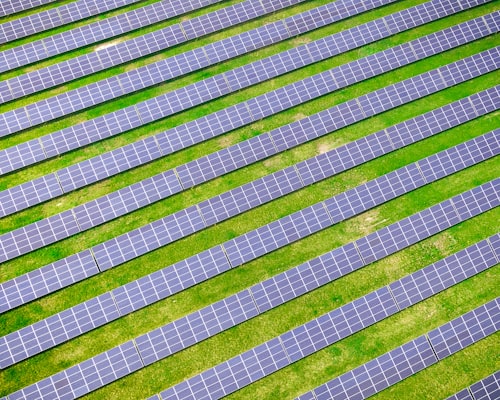
Let us look at two scenarios with real numbers.
Scenario 1: Grid-connected home (second-hand panels)
- 10 used 400W panels at £40 each: £400 in panels
- New equivalent panels: £700–£800
- Saving: £300–£400
- SEG income lost over 20 years: £1,000–£1,880
- Net result: Worse off financially vs buying new
Scenario 2: Off-grid shed (second-hand panels)
- 2 used 400W panels at £40 each: £80
- New equivalent: £140–£160
- Saving: £60–£80
- SEG: Not applicable
- Warranty concern: Low — shedlosing power occasionally is not a major issue
- Net result: Genuine saving with acceptable risk
The maths only works in the homeowner's favour for off-grid applications.
If You Are Buying: A Checklist
If you decide to proceed with second-hand panels:
- Establish year of manufacture — calculate expected degradation
- Ask for any monitoring data or generation history
- Inspect physically — frame, glass, junction box, cables
- For significant purchases (6+ panels), commission EL testing
- Check if the panel model is still on the MCS product register
- Confirm your use case does not require MCS/SEG
- Factor in transport carefully — damaged corners often don't show until panels are tested
- Negotiate — listed prices on eBay are not final prices
Share this article

OVO has carefully selected trusted teams across the UK to install solar panels and heat pumps. Enjoy the personal touch of a local expert with the peace of mind of a household name.
Affiliate link — we may earn a small commission at no extra cost to you
Stay informed
Get free solar updates direct to your inbox
Related reading
How Much Do Solar Panels Cost in the UK in 2026?
Realistic UK solar panel costs broken down by system size, installation, and what actually affects the price you'll be quoted.
Smart Export Guarantee (SEG) Explained
How the Smart Export Guarantee works in the UK, which suppliers pay the best SEG rates, and how to maximise your solar export income in 2026.
Plug-In Solar Panels: Grid-Tied Without an Installer?
Plug-in solar panels in the UK: can you really plug solar into a socket? What's legal, what works, and what the regulations actually say about DIY grid-tied solar.


Switch to Octopus Energy
Get 50 credit when you switch. We get 50 too — win-win.
What does this mean for YOUR home?
Design your perfect solar setup in under 3 minutes. Free, no sign-up required.
Build Your Solar System