This page contains affiliate links. If you purchase through them we may earn a small commission at no extra cost to you. Learn more
Plug-In Solar Panels: Grid-Tied Without an Installer?
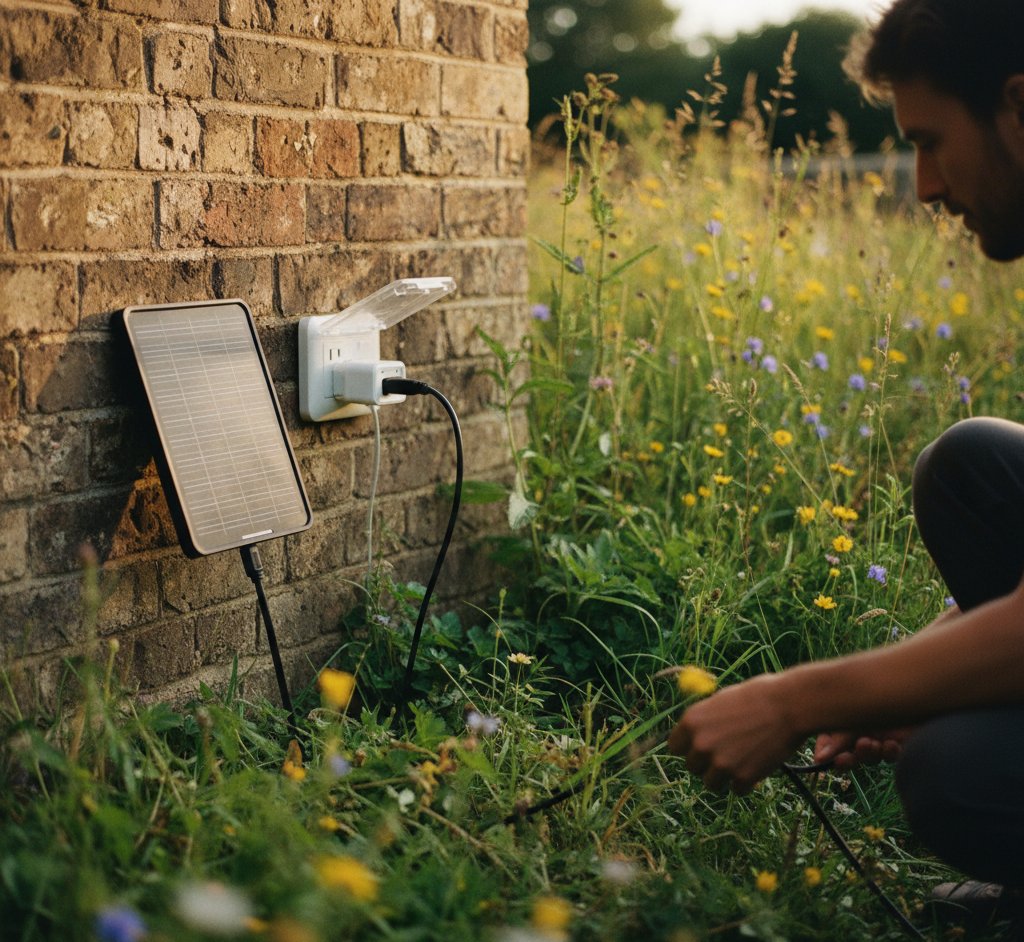
The idea is appealing: buy a solar panel, plug it into a socket, and start generating your own electricity. No installer, no scaffolding, no five-figure bill. In parts of Europe, this has been straightforward and legal for years. In March 2026, the UK government announced it would follow suit — making plug-in solar under 800W explicitly legal for direct mains connection without an electrician.
How Plug-In Solar Works
A plug-in solar system has three components:
- Solar panel(s): Standard PV panels, typically 400W each
- Microinverter: Converts DC from the panel to AC electricity, with a standard UK plug
- Socket: A regular 13A socket in your home
The microinverter synchronises with the grid frequency and feeds electricity into your home circuit through the plug. Your appliances use this electricity first, reducing what you draw from the grid. If generation exceeds usage, the surplus flows back through your meter.
The Regulatory Situation in the UK
This used to be the crux of the matter. Until March 2026, the UK had no specific regulations for plug-in solar, unlike Germany (which explicitly allows systems up to 800W). That changed when the UK government announced that plug-in solar panels under 800W will be legally permitted for direct connection to domestic mains sockets, with no electrician required. Retailers including Lidl and Amazon are partnering with government, and manufacturer EcoFlow is named as a partner, with systems expected in shops by summer 2026.
What the Rules Say
BS 7671 (Wiring Regulations): All fixed electrical installations must comply. The UK government's March 2026 announcement clarifies that plug-in solar systems under 800W are being explicitly permitted, with safety codes being updated by energy regulators to accommodate them.
Part P Building Regulations (England & Wales): Notifiable electrical work includes "the installation of a new circuit" and connection of solar PV. A plug-in system arguably doesn't create a new circuit — it uses an existing socket.
DNO G98/G99: Any generating equipment connected to the grid (however small) should be notified to the DNO under G98 (for systems up to 3.68 kW single phase). The microinverter should be G98-certified.
MCS Certification: Not required for systems you install yourself, but you won't be eligible for SEG export payments without it.
Regulations Being Finalised
The UK government announced in March 2026 that plug-in solar under 800W will be legally permitted for direct mains connection without an electrician. The 800W limit and updated safety codes are expected by summer 2026. Until the formal regulations are published, the safest approach is still to use G98-certified equipment and notify your DNO. Germany saw 426,269 balcony solar registrations in 2025 under similar rules — the UK is following the same model.
What Happens in Practice
Thousands of UK households already have plug-in solar systems running without issues. DNOs are generally unconcerned about sub-800W systems. With the March 2026 government announcement, the previous regulatory uncertainty has been resolved — plug-in solar under 800W is being formally legalised, with updated safety codes expected by summer 2026.
Equipment Options
Microinverters for Plug-In Use
The microinverter is the critical component. It must:
- Be G98-certified (for UK grid connection)
- Have anti-islanding protection (shuts down if the grid fails — safety requirement)
- Produce a clean AC waveform that won't damage your appliances
- Limit output to the panel capacity
Popular options include Hoymiles HMS-400/600/800 series, which are G98-certified and widely available. Cost: £100–£200.
Panels
Any standard solar panel works. For a plug-in setup, consider:
- Weight: You may be carrying it to a balcony or garden
- Size: Standard residential panels (1.7m × 1.1m) are large — check they'll fit
- Wattage: 400–440W per panel is typical
Complete Kits
Several UK suppliers sell complete plug-in solar kits (panel + microinverter + cables + plug) for £300–£600 per panel. These are the most straightforward option for non-electricians.
Practical Setup
Where to Put the Panels
- Garden: Lay panels on a ground frame angled at 30–35°. Simple but takes space.
- Flat roof or shed roof: Panels on a frame. Good if south-facing.
- Balcony: Railing or wall mount. See our balcony solar guide.
- South-facing wall: Vertical panels lose some efficiency (~30% less than optimal tilt) but still generate usefully.
The Socket Question
Ideally, use a dedicated socket close to the panels. In the UK, standard 13A sockets can handle the output of a plug-in microinverter (typically 300–800W). However:
- The socket should be on a circuit protected by an RCD (Residual Current Device)
- Don't use an extension lead or multi-socket adapter
- The plug should be a standard UK 3-pin with appropriate fuse
Dedicated Outdoor Socket
The cleanest installation uses a weatherproof outdoor socket near the panels, on its own ring main or spur, protected by an RCD in the consumer unit. This costs £100–£200 for an electrician to install and removes any ambiguity about the safety of the setup.
What You'll Generate
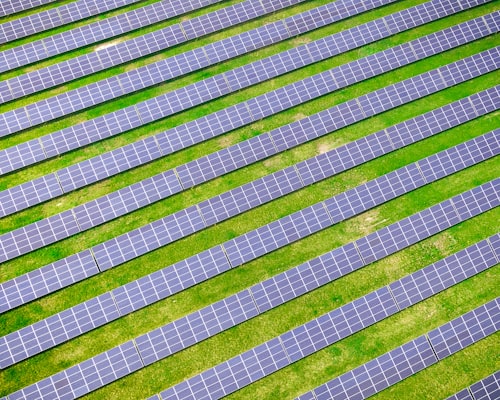
A single 400W panel with a microinverter in a good UK location:
| Position | Annual Generation | Annual Saving |
|---|---|---|
| South-facing, 30° tilt, no shade | 340–380 kWh | £88–£99 |
| South-facing, vertical (wall) | 240–280 kWh | £62–£73 |
| East or west, 30° tilt | 250–300 kWh | £65–£78 |
| Flat (horizontal) | 280–320 kWh | £73–£83 |
Two panels roughly double these figures. The sweet spot is two 400W panels — generating enough to make a real dent in your bill without requiring complex installation.
Self-Consumption Matters
Since plug-in systems aren't MCS-certified, you can't claim SEG export payments. Any electricity you generate but don't use is exported for free. This makes self-consumption crucial.
Strategies to maximise self-consumption:
- Run washing machines, dishwashers, and tumble dryers during sunny hours
- Charge laptops and devices during the day
- Use a timer on your immersion heater to heat water during peak solar hours
- A small plug-in battery (like EcoFlow Delta) can store surplus for evening use
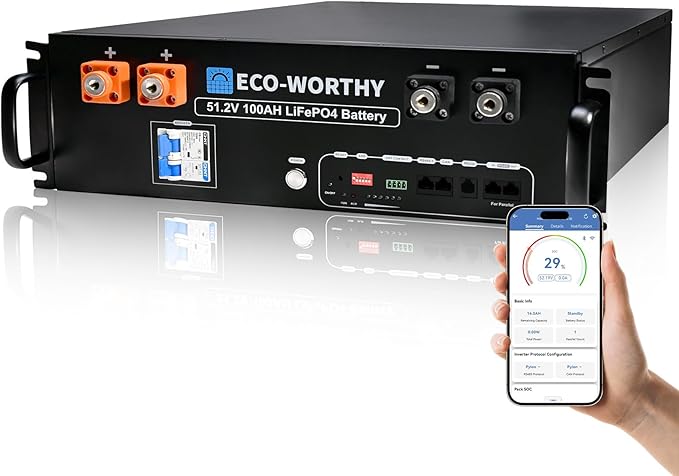
ECO-WORTHY 5.12kWh LiFePO4 Battery Module
£7005.12
4.9
LFP
4000
Affiliate link — we may earn a small commission at no extra cost to you
The EcoFlow Option
Portable power stations like the EcoFlow Delta Pro can act as a battery for plug-in solar. Connect panels to the power station, use it to power appliances or charge during the day, and draw from it in the evening.
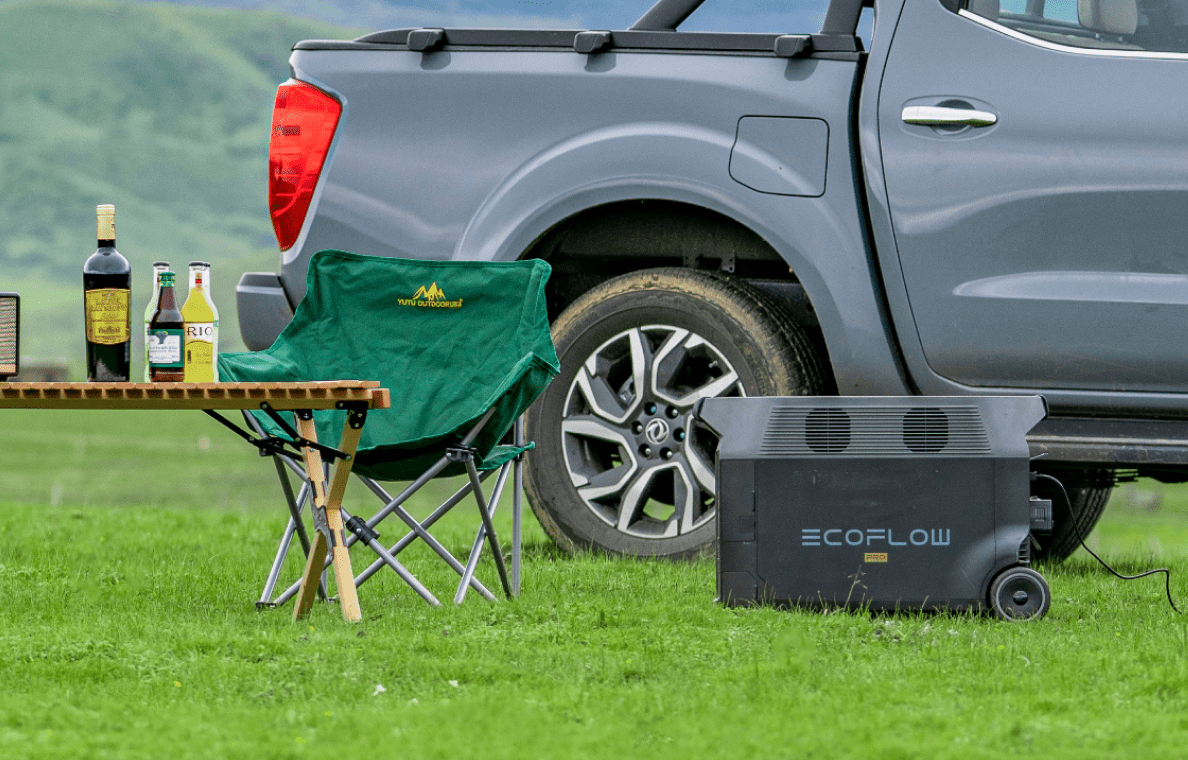
EcoFlow Delta Pro 3.6kWh Portable Power Station
£1,5003.6
3.4
LFP
3500
 View on EcoFlow UK
Affiliate link — we may earn a small commission at no extra cost to you
This isn't a proper home battery (no grid integration, no smart tariff optimisation), but it works for small-scale solar storage and has the bonus of being portable — camping, power cuts, or taking to a new home.
Plug-In Solar vs Full Installation
| Factor | Plug-In Solar (800W) | Full Roof Installation (4kW) |
|---|---|---|
| Cost | £500–£800 | £6,000–£8,000 |
| Annual generation | 600–700 kWh | 3,600 kWh |
| Annual saving | £150–£180 | £600–£900 |
| Payback | 3–5 years | 7–11 years |
| SEG eligible? | No | Yes (MCS required) |
| Installation | DIY | Professional installer |
| Portable? | Yes | No |
Plug-in solar is a great entry point, but it's not a replacement for a proper installation if you have roof space and budget.
For real-world data on how plug-in systems perform, see our plug-in solar test results.
Share this article

OVO has carefully selected trusted teams across the UK to install solar panels and heat pumps. Enjoy the personal touch of a local expert with the peace of mind of a household name.
Affiliate link — we may earn a small commission at no extra cost to you
Stay informed
Get free solar updates direct to your inbox
Related reading
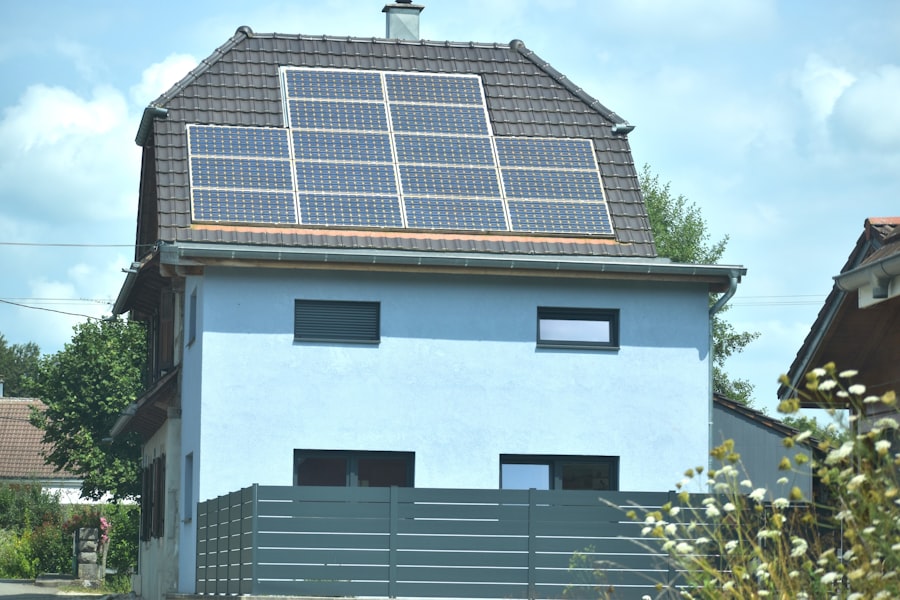
Balcony Solar Panels UK: A Practical Guide
Balcony solar panels for UK flats and apartments. What's possible, what's legal, how much they generate, and whether they're worth the investment in 2026.
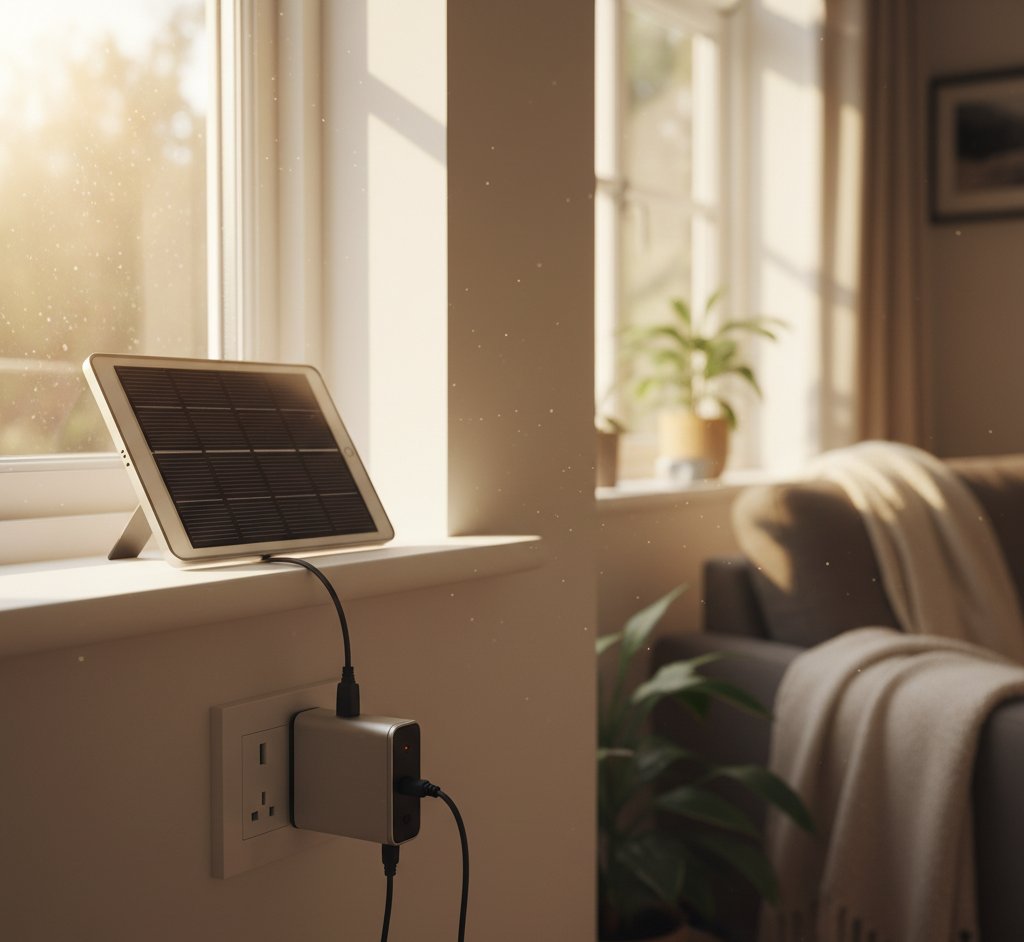
Plug-In Solar Real-World Results: What We Found
Real-world generation data from plug-in solar panels in the UK. Honest results from different locations, orientations, and setups — what actually works.
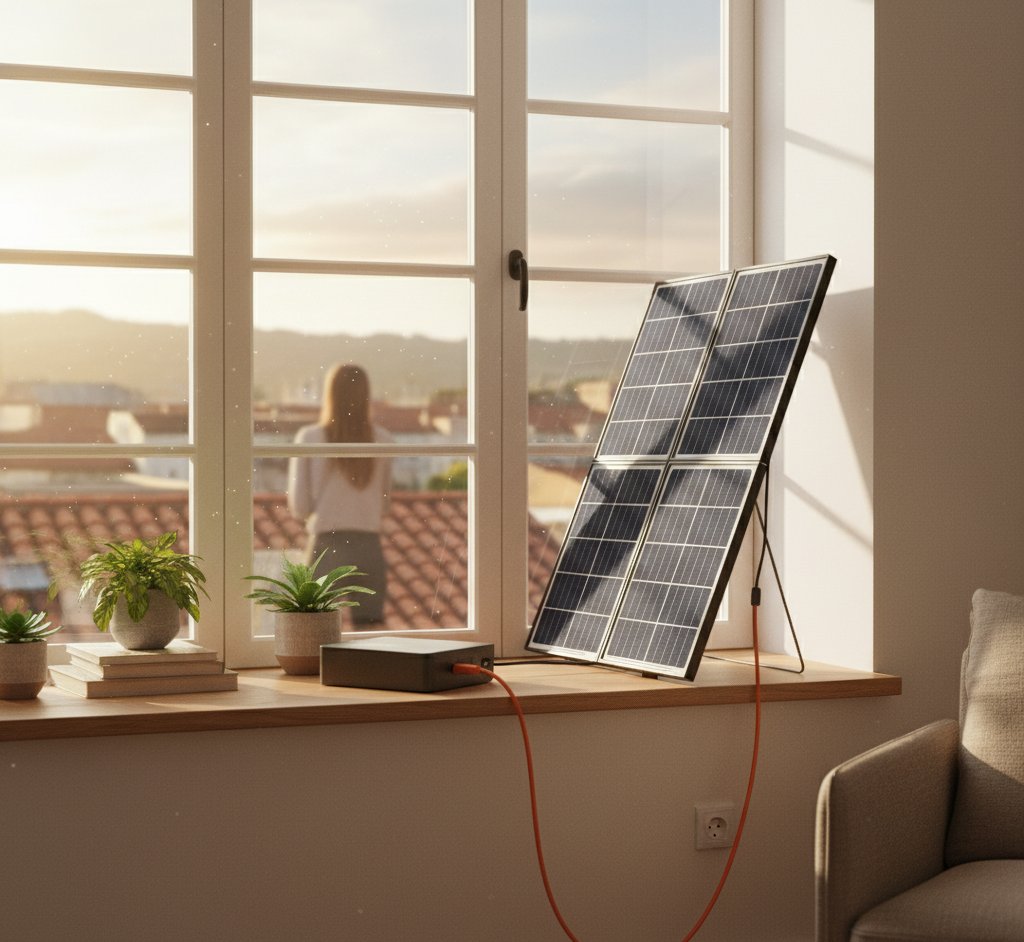
Solar Options for Renters: What Can You Actually Do?
Solar energy options for UK renters. From portable panels to smart tariffs, here's what you can actually do to benefit from solar without owning your home.


Switch to Octopus Energy
Get 50 credit when you switch. We get 50 too — win-win.
What does this mean for YOUR home?
Design your perfect solar setup in under 3 minutes. Free, no sign-up required.
Build Your Solar System