This page contains affiliate links. If you purchase through them we may earn a small commission at no extra cost to you. Learn more
How to Size a Solar Panel System for Your Home
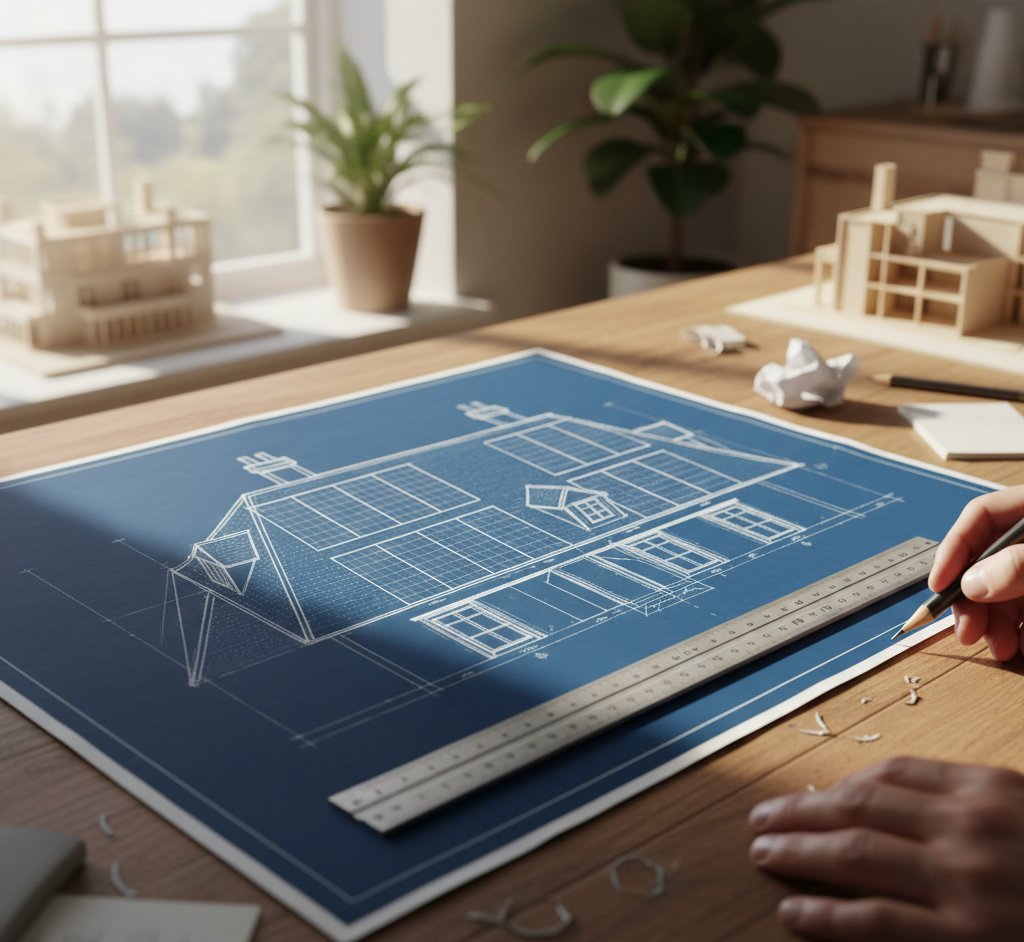
Getting the right size solar system matters. Too small and you're leaving savings on the table. Too large and you're spending money on panels that mostly export at low rates. Here's how to size a system properly.
Step 1: Know Your Electricity Usage
Your annual electricity consumption is the starting point. Find it on:
- Your electricity bill: Annual usage in kWh (usually shown on the bill or annual statement)
- Your smart meter data: The Octopus, EDF, or other supplier app shows daily/monthly consumption
- Your energy supplier's website: Most display 12-month consumption history
Average UK household consumption (2026):
| Household Type | Annual Consumption |
|---|---|
| 1-bed flat, 1–2 people | 1,800–2,500 kWh |
| 2-bed house, 2 people | 2,500–3,500 kWh |
| 3-bed semi, 3–4 people | 3,000–4,500 kWh |
| 4-bed detached, 4–5 people | 4,000–6,000 kWh |
| With EV (10,000 miles/year) | Add 2,500–3,500 kWh |
| With heat pump | Add 3,000–5,000 kWh |
| Home worker | Add 500–1,000 kWh |
Step 2: Match System Size to Usage
A rule of thumb: a 1kW system in the UK generates roughly 850–950 kWh per year (Midlands average). So:
| Annual Usage | Suggested System Size | Annual Generation |
|---|---|---|
| 2,500 kWh | 2.5–3 kW | 2,100–2,700 kWh |
| 3,500 kWh | 3.5–4 kW | 3,000–3,600 kWh |
| 4,500 kWh | 4–5 kW | 3,400–4,500 kWh |
| 6,000 kWh | 5–6.5 kW | 4,250–5,850 kWh |
| 8,000 kWh+ | 6–8 kW | 5,100–7,200 kWh |
These match total generation to total consumption, but remember: you won't use all the electricity you generate (unless you have a battery and perfect scheduling). A system that generates slightly more than your annual usage is fine — the export earns SEG income and you have headroom for future usage increases.
Don't Under-Size
If you're deciding between two system sizes, go larger. The marginal cost of one extra panel is small (£250–£400 installed), and future electricity usage nearly always increases (EV, heat pump, or simply rising usage). Filling available roof space is almost always the right call — you won't get another chance without paying for scaffolding again.
Step 3: Check Your Roof Space
Each panel needs roughly 1.7–1.9 m² of roof space. Total roof area needed:
| System Size | Number of Panels | Roof Area Needed |
|---|---|---|
| 3 kW | 7–8 panels | 12–15 m² |
| 4 kW | 9–10 panels | 16–19 m² |
| 5 kW | 11–13 panels | 20–24 m² |
| 6 kW | 14–16 panels | 25–30 m² |
Measuring your roof: You don't need to climb on the roof. Measure the outside of your house at ground level and estimate the roof area from that. Or use Google Maps/Earth — the satellite view gives a reasonable overhead measurement. Your installer will do a precise measurement at survey stage.
Obstacles reduce usable space: Deduct area for:
- Chimneys and flue pipes
- Skylights and Velux windows
- Soil vent pipes
- Dormer windows
- A minimum margin from edges (typically 300mm from all roof edges)
Step 4: Consider Orientation and Shading
Orientation Impact on Output
| Roof Direction | Annual Output (% of South-Facing) |
|---|---|
| South | 100% |
| South-east/South-west | 95% |
| East or West | 80–85% |
| East-west split (both sides) | 85–90% (combined) |
| North-east/North-west | 60–70% |
| North | Not recommended |
An east-west split is perfectly viable — you get good morning AND evening generation, which can actually improve self-consumption (less midday surplus).
Shading
Any shading — trees, neighbouring buildings, chimneys casting shadows — reduces output. Minor shading (chimney shadow for 1–2 hours) has a small impact. Major shading (trees covering panels for half the day) can reduce output by 30–50%.
Your installer should conduct a shading analysis at the survey stage. If they don't mention shading, ask specifically.
Beware of Future Shading
Trees grow. A small tree that doesn't shade your panels today might shade them in 5–10 years. If there are trees south of your roof, consider their growth trajectory. Your own trees can be managed; neighbours' trees are harder to deal with.
Step 5: Factor in Future Plans
Electric Vehicle
If you're planning an EV in the next 5 years, add 2,500–3,500 kWh to your target consumption. This typically means 2–3 extra panels.
Heat Pump
If you might replace your boiler with a heat pump, add 3,000–5,000 kWh. This means 3–5 extra panels.
Battery Storage
A battery lets you use more of your own generation, improving the value of every panel. If you're planning a battery (now or later), sizing your system slightly larger makes more sense — the battery captures surplus that would otherwise be exported.
Growing Family / Home Working
Life changes increase electricity usage. If you're in a home you'll be in for 10+ years, oversize slightly.
Step 6: Budget Considerations
| System Size | Typical Cost (2026) | Annual Saving | Payback |
|---|---|---|---|
| 3 kW | £4,500–£5,500 | £450–£600 | 8–10 yrs |
| 4 kW | £6,000–£7,500 | £600–£800 | 8–10 yrs |
| 5 kW | £7,500–£9,000 | £750–£950 | 8–10 yrs |
| 6 kW | £8,500–£10,500 | £850–£1,100 | 9–10 yrs |
The payback is relatively consistent across sizes because larger systems cost proportionally more. Choose based on roof space and usage rather than trying to optimise payback.
Common Sizing Mistakes
Going Too Small to Save Money
A 2kW system saves less and has a similar payback to a 4kW system because installation costs (scaffolding, labour, electrical) are largely fixed. The panels themselves are a small part of the total. Going from 3kW to 4kW might only cost £500–£800 more.
Ignoring Future Needs
Sizing only for current usage and then wanting an EV two years later means either under-utilising your system or paying for scaffolding and an installer visit to add panels.
Not Accounting for Orientation
Quoting "a 4kW system" without specifying it's on a west-facing roof means expectations won't match reality. A 4kW system facing west generates like a 3.2–3.4kW system facing south.
Over-Relying on the Installer's Recommendation
Installers sometimes default to filling your entire roof or suggesting the largest system possible. Ask them to justify the size based on your specific usage data, not just available roof space.
The Quick Sizing Guide
- Find your annual kWh consumption
- Divide by 900 (approximate kWh per kWp in the Midlands)
- Round up to the nearest whole kW — this is your starting system size
- Add 1–2 kW if you plan an EV or heat pump within 5 years
- Check roof space — can your roof physically fit this many panels?
- Adjust for budget — scale down only if the cost is prohibitive
Example: You use 4,000 kWh/year and plan an EV. 4,000 ÷ 900 = 4.4 kW. Round up to 5 kW. Add 1 kW for the EV. Target: 6 kW. Check your roof can fit 14–16 panels.
Getting this right at the start saves money and hassle. For professional sizing advice tailored to your home, get multiple quotes and compare the recommendations.
Energy independence meter
What percentage of your electricity comes from your own roof? Slide to explore.
Generated
3,600 kWh
Self-used
1,440 kWh
From grid
2,060 kWh
Grid cost
£505/yr
Share this article

EcoFlow makes portable power stations and solar panels for home backup, off-grid, and solar storage without installation. The Delta Pro is the UK community favourite.
Affiliate link — we may earn a small commission at no extra cost to you
Stay informed
Get free solar updates direct to your inbox
Related reading
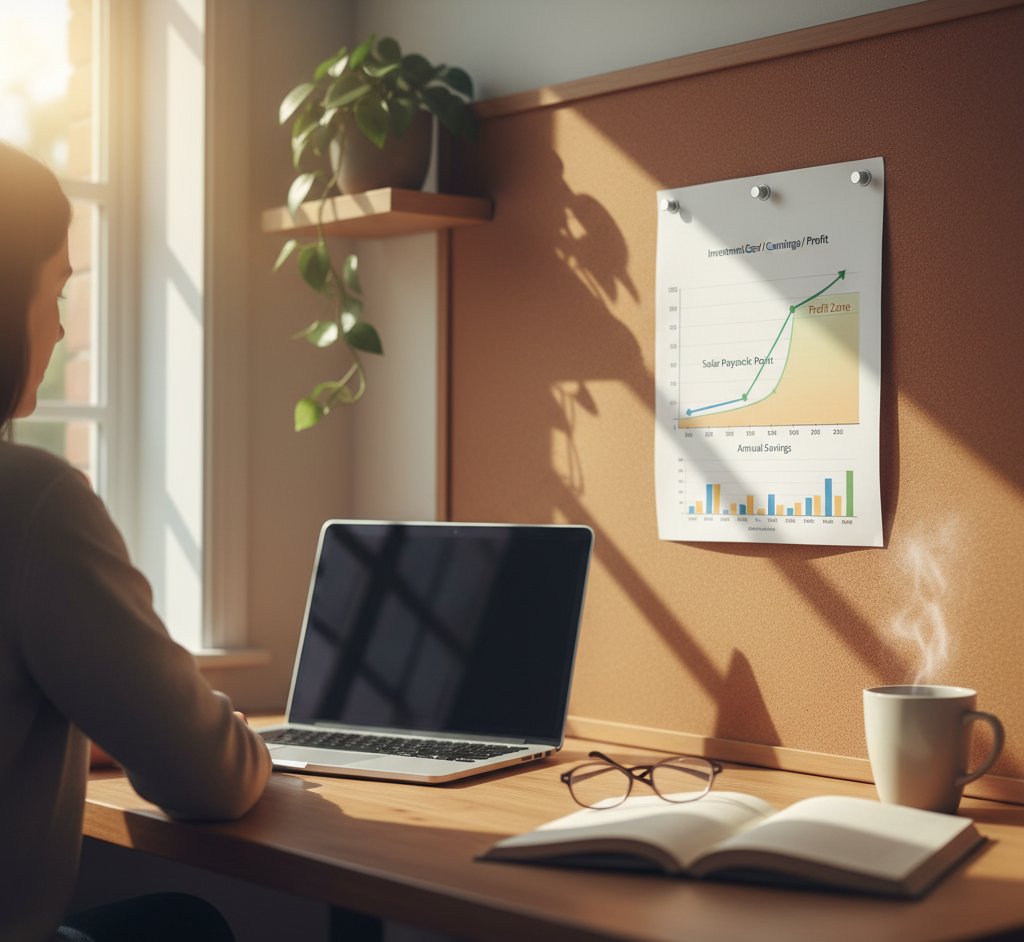
Solar ROI by System Size: 3kW vs 4kW vs 5kW vs 6kW
Compare the return on investment for 3kW, 4kW, 5kW, and 6kW solar panel systems in the UK. Which system size gives the best financial return for your home?

Is My Roof Suitable for Solar Panels?
Find out if your roof can take solar panels — covering direction, angle, shading, structural condition, and options for tricky roofs.
How Much Do Solar Panels Cost in the UK in 2026?
Realistic UK solar panel costs broken down by system size, installation, and what actually affects the price you'll be quoted.


Switch to Octopus Energy
Get 50 credit when you switch. We get 50 too — win-win.
What does this mean for YOUR home?
Design your perfect solar setup in under 3 minutes. Free, no sign-up required.
Build Your Solar System